
'Energy War' Around Poland's Turow Mine: Conflict With Czechia, EU Court Ruling and the 'Putin-Merkel Pact'
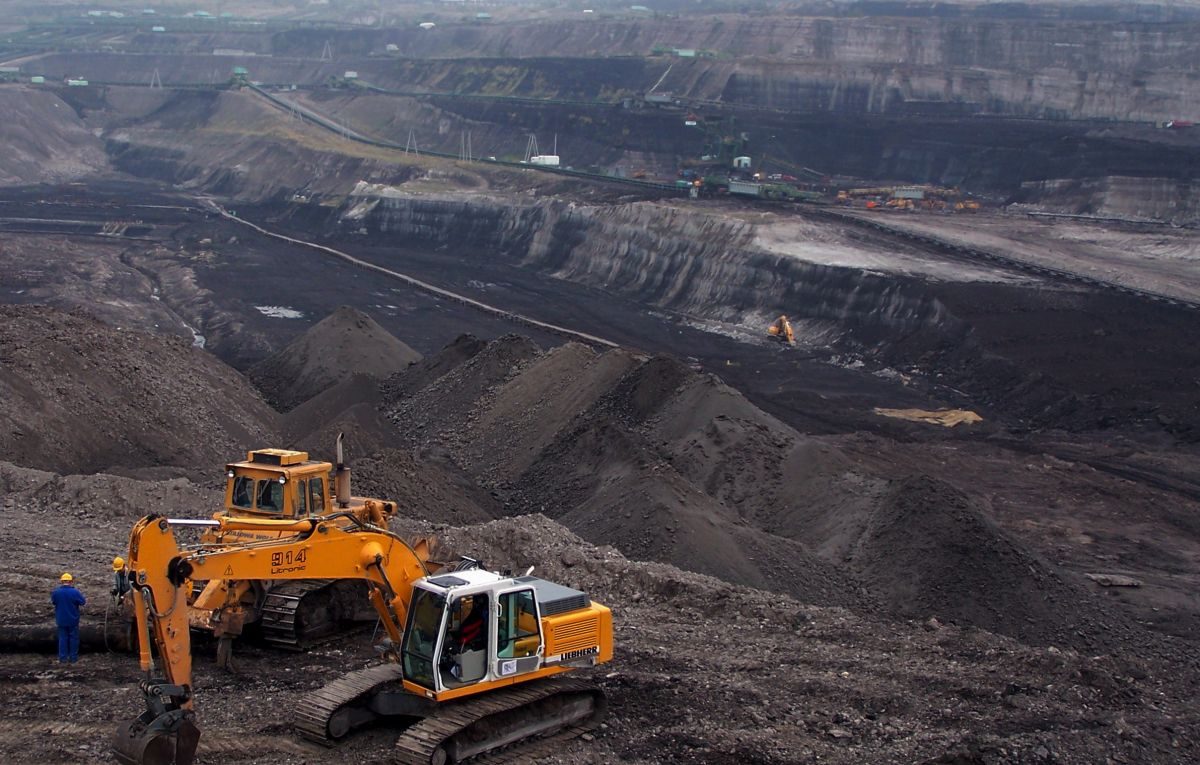
Poland is convinced that Germany and Russia are trying to weaken its energy independence in order to push it into buying Russian gas.
An environmental conflict between Poland and Czechia continues over the Polish Turow mine, located near the Czech border.
We explain the positions of the countries, the European Court ruling and why this mine matters to Poland.
The essence of the conflict
The Turow mine extracts lignite. The power plant of the same name produces 7% of Poland's electricity and is one of the largest in the country.
Both facilities are located near the borders with Czechia and Germany, countries that have claimed the mine harms the environment. In particular, Czechia argues that coal mining negatively affects the border areas, where a decline in groundwater levels has been noted.
Czech officials claim that despite the construction of a dam to stop water flowing from Czechia into the mine, groundwater levels on the Czech side of the border continue to fall.
Nevertheless, Poland plans to operate the mine until 2044. Czechia immediately moved to radical measures, trying to challenge the increase in coal production at the Turow mine, and won.
The court ordered Poland to immediately stop mining at the mine, and later, when Poland ignored the decision, also imposed a penalty on Warsaw: a fine of €500,000 for each day the mine operated since the ruling was announced.
Poland's position and the 'Putin-Merkel pact'
Poland has refused to comply with both court rulings, even after the introduction of penalties.
Warsaw maintains that for the country both the mine and the power plant are strategic facilities that supply electricity to more than three million households.
Polish Prime Minister Mateusz Morawiecki said the government does not intend to halt the mine's operations, as this would leave millions of people without electricity, and accused Czechia of hostility.
Mateusz Morawiecki
Prime Minister of PolandWhether Poland must pay this money or not, we will pursue all possible legal measures to show that such sanctions are excessively disproportionate and arbitrary, and that they would cause enormous damage to our economy, tens of thousands of jobs, hundreds of thousands of households and the country's energy security.
For its part, the Polish government views the situation as interference in internal affairs and an attempt to significantly undermine the country's sovereignty.
Polish Justice Minister Zbigniew Ziobro said that the entire situation with pressure on Poland comes from Berlin and Moscow, in the context of the Kremlin's attempt to establish a dominant position in Europe's energy sector.
Ziobro called this situation the 'Putin-Merkel pact', comparing it to the criminal Molotov-Ribbentrop Pact of 1939, which divided influence over Europe between Nazi Germany and the USSR.
Zbigniew Ziobro
Polish Minister of JusticeThe dispute over Turow should be viewed in the broader context of the energy war taking place in Europe. Of course, it is not presented that way — it is said to be about the idea of protecting the climate. But in fact it is a large operation by Germany and Russia. Czechia is looking first and foremost at its own interests, and these interests conflict with those of Poland. They want to profit at Poland's expense. And that is why they are playing against us together with Germany. And in the background stands a major Putin-Merkel pact.
According to Ziobro, the ultimate goal is to force Poland to buy Russian gas.
Zbigniew Ziobro
Polish Minister of JusticeIf we give in, we will pay even more. Because in reality this is a game for money. A lot of money is at stake. Either Poland gets outplayed and we lose, and Poland becomes a country of energy poverty, and we will pay more for bills across Europe.

Russian Attacks in Dnipropetrovsk Region: Two Killed, Seven Injured

Defense Forces Strike Four Russian Drone Control Points in Past Day, Including in Berdiansk

Britain Threatens Sanctions on Kremlin-Linked People; Poland Ready to Hand Ukraine Ammunition

Russia says it has completed "planned exercises" in the Black Sea

MVD: Fake Riots With Prop Blood Were Being Prepared Near Presidential Office

Law Enforcers Name Another Klitschko Deputy as Suspect

Berlin Holds Protest Against War in Ukraine; EU Prepares for Possible Russian Halt of Gas Supplies
North Korea Fires Ballistic Missile Over Record Distance in Five Years
Irish Fishermen Force Russia to Postpone Naval Drills

US sanctions in case of invasion of Ukraine could completely destroy Russia's economy, NYT reports
