
Adelie Penguin Swims to New Zealand: How It Ended Up So Far From Home and Why
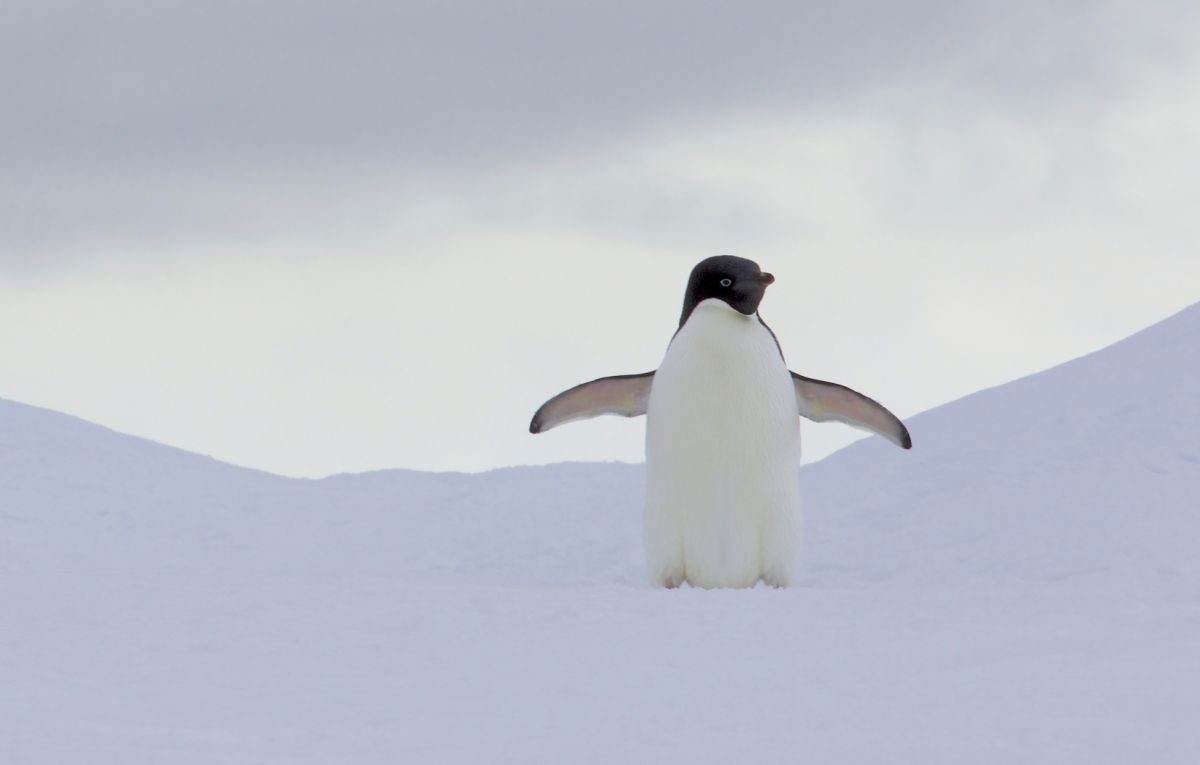
The penguin was emaciated and disoriented.
Residents of New Zealand's coast found an unusual visitor on one of the beaches: an Adelie penguin, reports BBC Ukrainian. We explain how the penguin ended up thousands of kilometers from home and what condition it was found in.
Who found the penguin
Adelie penguins nest exclusively along the shores of Antarctica and on the islands closest to the mainland, for example near Galindez Island, where the Ukrainian station Akademik Vernadsky is located.
Meeting them here, especially north of 60 degrees south latitude, is practically impossible, as New Zealand lies north of 46 degrees south latitude. This is only the third recorded case of an Adelie penguin being spotted in New Zealand, 3,000 km from its usual home.
The first two cases were recorded back in 1962 and 1993. The colonies of these penguins were first discovered by the expedition of French explorer Jules Dumont d'Urville in 1840. He named them after his wife Adèle, and the place where the birds were found Adélie Land.
On the New Zealand beach, the penguin was first noticed by local resident Harry Singh, who at first thought it was a large soft toy forgotten on the shore. The man recalls: "It didn't move for a full hour and looked emaciated and disoriented."
According to him, while he waited for a special rescue team, he was most worried that the penguin would go back into the water, since in such a state the bird would become easy prey for marine predators, which are numerous off the New Zealand coast. In addition, dogs are often walked on this beach.
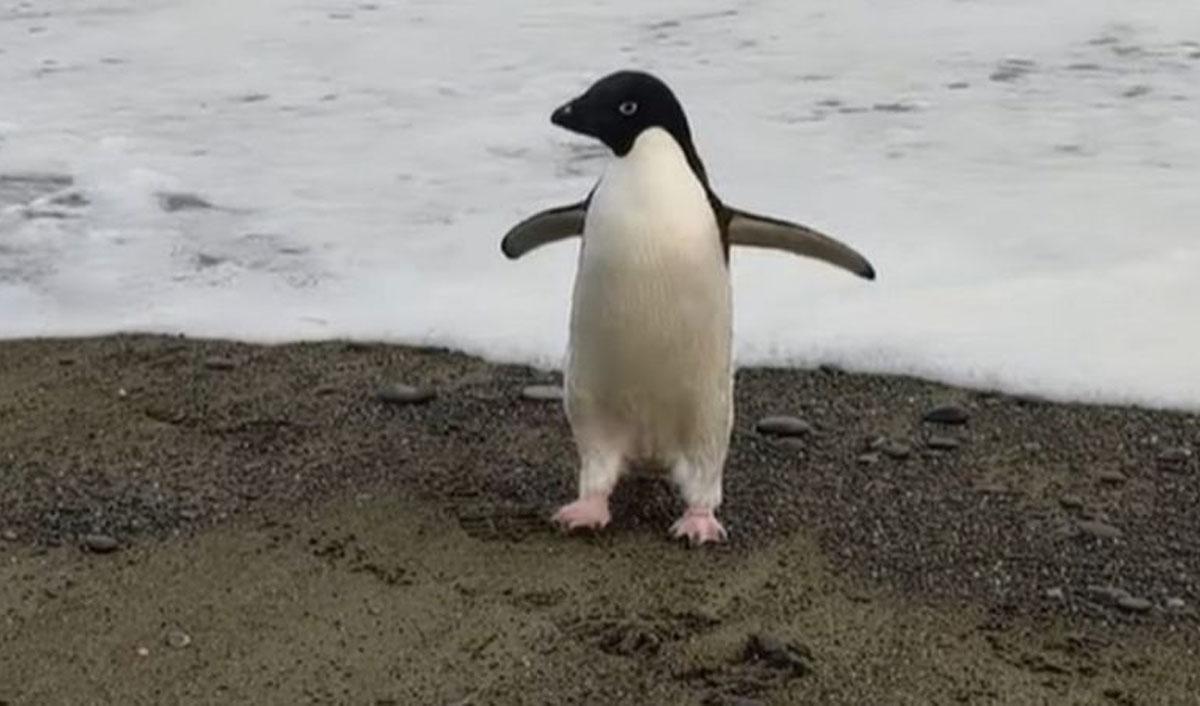
Pingu's Health
New Zealanders named the penguin Pingu. Its treatment was taken on by an animal rescue specialist with ten years of experience, biologist Thomas Strelki, together with a team of veterinarians.
He said that over the years of his work he had come across different species, but had never before seen an Adelie penguin in these parts. Tests showed that Pingu is emaciated and dehydrated. For several days the penguin has been receiving nutrition through a special tube.
When it fully recovers, it will be released near the water, but whether it will want to make the return journey to Antarctica is unknown. According to scientists, if cases of Adelie penguins appearing become more frequent, this will be an alarming sign of changing environmental conditions for these animals.
In February 2021, near the northern tip of Antarctica, the highest air temperature in history was recorded: +20.75 degrees Celsius. According to the World Meteorological Organization, over the past 12 years the area of Antarctic glaciers has sharply decreased due to global climate change.
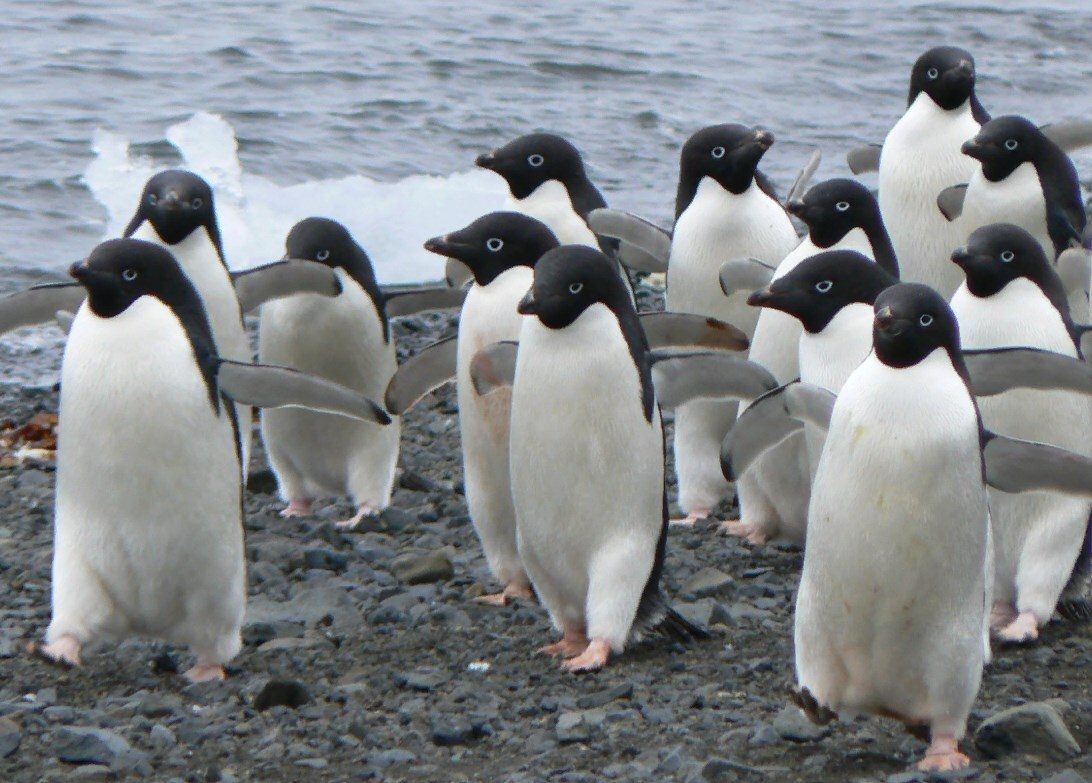
In July 2021, Ukrainian polar explorers at Akademik Vernadsky noted an extremely large number of penguins, including Adelie penguins, with their groups sometimes exceeding a thousand individuals.
The National Antarctic Scientific Center reported: "Usually, when it is winter in Antarctica (and summer in Ukraine accordingly), the penguins that live near our station move a little further north. Since they feed on krill, they need open water to hunt for 'prey'. Therefore, when the waters around Vernadsky freeze over for the winter, the penguins migrate to where the water is open in order to have access to food."
It is still unknown what prompted the "New Zealand Adelie penguin" to travel thousands of kilometers from Antarctica. In Antarctica, the polar summer has already effectively begun.

Russian Attacks in Dnipropetrovsk Region: Two Killed, Seven Injured

Defense Forces Strike Four Russian Drone Control Points in Past Day, Including in Berdiansk

Britain Threatens Sanctions on Kremlin-Linked People; Poland Ready to Hand Ukraine Ammunition

Russia says it has completed "planned exercises" in the Black Sea

MVD: Fake Riots With Prop Blood Were Being Prepared Near Presidential Office

Law Enforcers Name Another Klitschko Deputy as Suspect

Berlin Holds Protest Against War in Ukraine; EU Prepares for Possible Russian Halt of Gas Supplies
North Korea Fires Ballistic Missile Over Record Distance in Five Years
Irish Fishermen Force Russia to Postpone Naval Drills

US sanctions in case of invasion of Ukraine could completely destroy Russia's economy, NYT reports
