
Deadly Coronavirus from China Is Spreading Across the World. How Did It Emerge? How Is It Transmitted? How to Fight It?
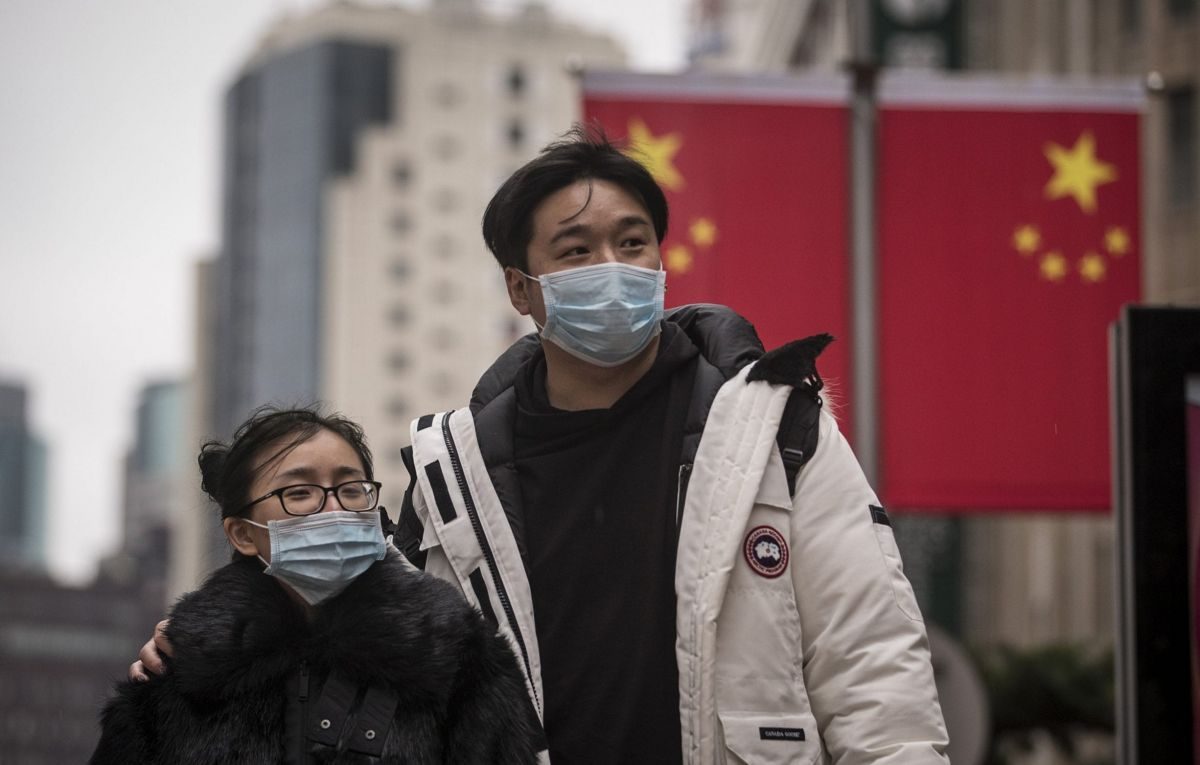
A new virus continues to claim lives, including beyond China's borders.
Over the past week, the whole world has been concerned by news about a new type of coronavirus from China. TK Media has looked into how dangerous the new virus is, how it emerged, how it spreads and what can be done about it.
What is the 2019-nCoV coronavirus and how did it emerge?
Coronaviruses are a large family of viruses that infect humans and animals. Usually a virus is transmitted from animals to humans, but it can mutate and make humans carriers of the infection. Most infections have occurred through airborne droplets.
A group of Chinese scientists from the Shanghai Public Health Clinical Center was the first to study the genome of the new coronavirus and published a draft of its research. Based on these results, an evolutionary biologist from Scotland found that the newly emerged coronavirus type is 89% identical to the SARS-CoV virus, which also emerged in China and killed about 800 people in the early 21st century.
Initially, China's Ministry of Health and separate groups of scientists from other countries could not determine the ways the virus is transmitted, how to treat it, or its initial symptoms. According to the latest data, the “patient zero” was infected by a snake.
Symptoms and prevention of the disease
Of all 38 types of coronavirus, only 7 are considered dangerous to humans, including the new type. The main symptoms of coronavirus resemble those of the flu:
- fever
- headache
- cough
- difficulty breathing
- dizziness and weakness
The WHO has given several tips on preventing the disease:
- Avoid touching your face and cover your mouth with a tissue when coughing or sneezing.
- Wash your hands as often as possible, preferably with antiseptics — sprays, gels or wipes.
- Be sure to wash your hands before eating, after contact with people and animals, and after sneezing and coughing.
- Thoroughly cook meat and eggs before eating them.
- Avoid contact with people showing symptoms of flu or a cold, as well as domestic livestock and wild animals.
- Refrain from traveling to countries where cases of the disease have been recorded.
- Do wet cleaning in your living space as often as possible.
It is currently impossible to get vaccinated against the new coronavirus. Treatment relieves the severity of symptoms and mainly involves plenty of fluids and rest. The duration of the illness depends only on the human immune system — most of the people who died had weak immunity.
How did the virus emerge and spread in China?
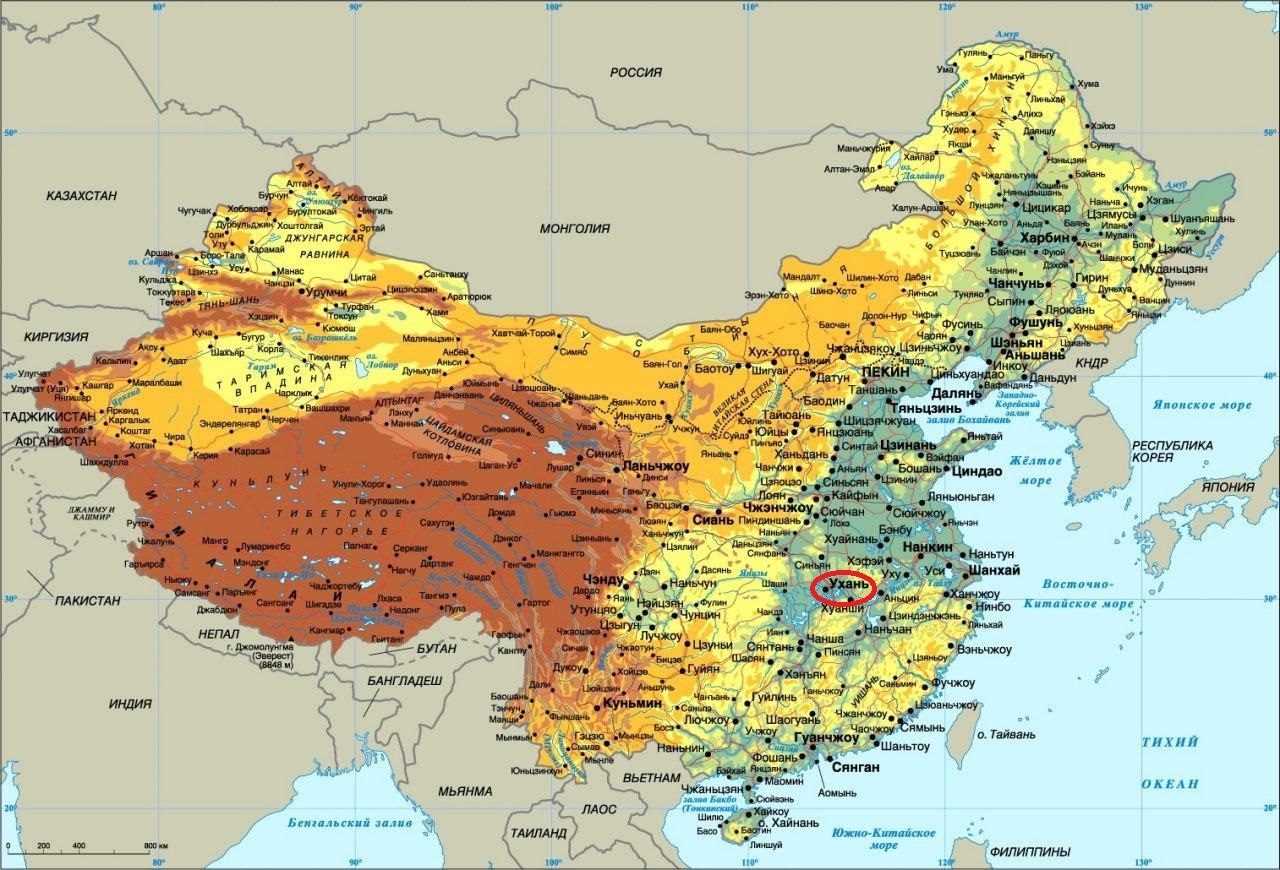
The first reports of infections appeared in December 2019 in Wuhan, the capital of China's Hubei province, and were associated with pneumonia. Most of those infected worked at or visited a large wholesale seafood market, where live animals were also sold — chickens, bats and snakes — which are considered the sources of infection.
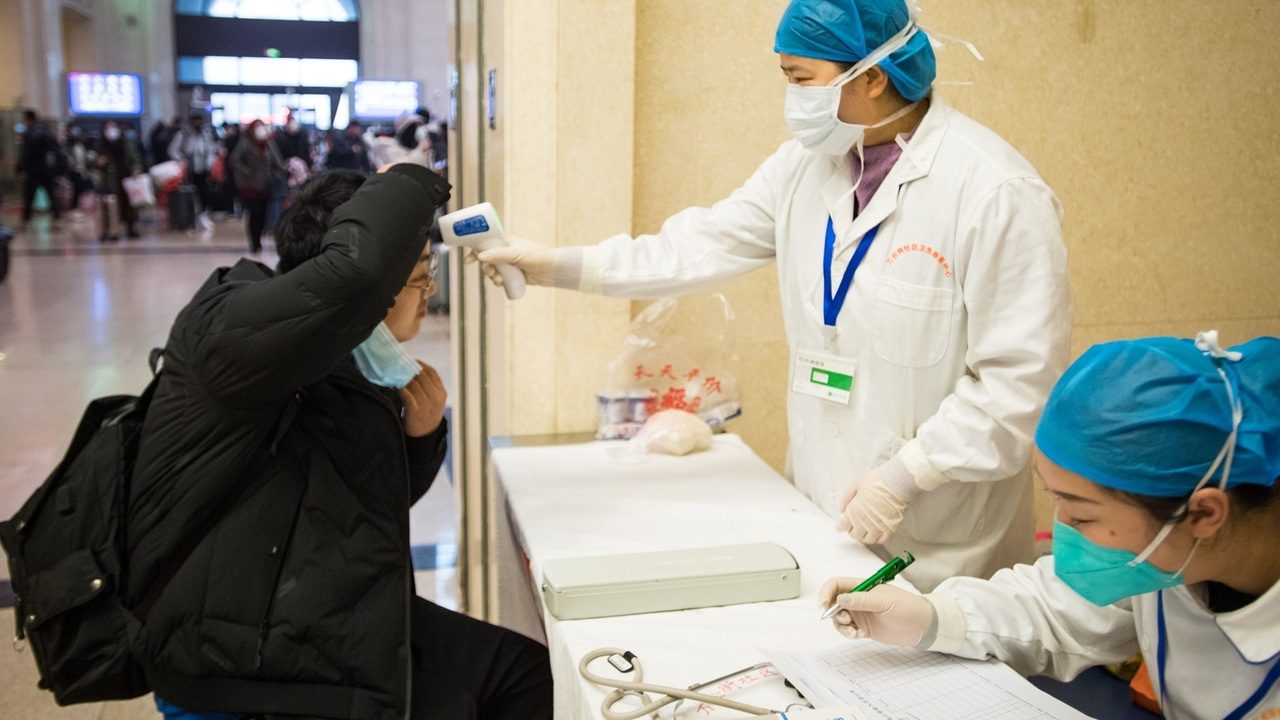
Although China's authorities for several weeks denied the possibility of airborne transmission of the virus, the first infected people were kept in isolation, and their relatives were under constant observation.
Eventually, Maria Van Kerkhove, head of the WHO's emerging diseases unit, said that the new coronavirus can be transmitted from person to person through airborne droplets. From that moment, events began to develop rapidly.
Consequences of the coronavirus spread in other countries
Outside China, the first case of infection was recorded on January 8 in Thailand — doctors found the new disease in a 61-year-old Chinese woman who had flown to Bangkok from Wuhan, after which she was hospitalized.
The second infected person was a Japanese man, who returned to his home country on January 10 and complained of feeling unwell. Five days later he was discharged from hospital, with no signs of coronavirus found.
As a result, Hong Kong, Singapore, Thailand and South Korea isolated patients with similar symptoms and organized checks at airports. And North Korea completely closed its borders to tourists for an indefinite period.
Just a few weeks later, the first infected person, who had arrived from China, was detected in the US. In connection with this, the US Centers for Disease Control and Prevention announced preparations to register new cases of infection. And the largest airports in Los Angeles, New York, Chicago, Atlanta and San Francisco began checking all arrivals from China, especially from Wuhan.
According to various experts and scientists, the total number of infected people is constantly increasing and today stands at up to several thousand. At the same time, a group of scientists in the US has begun developing a vaccine against the new coronavirus, which will not be ready before 2021.
What are the Chinese authorities doing?
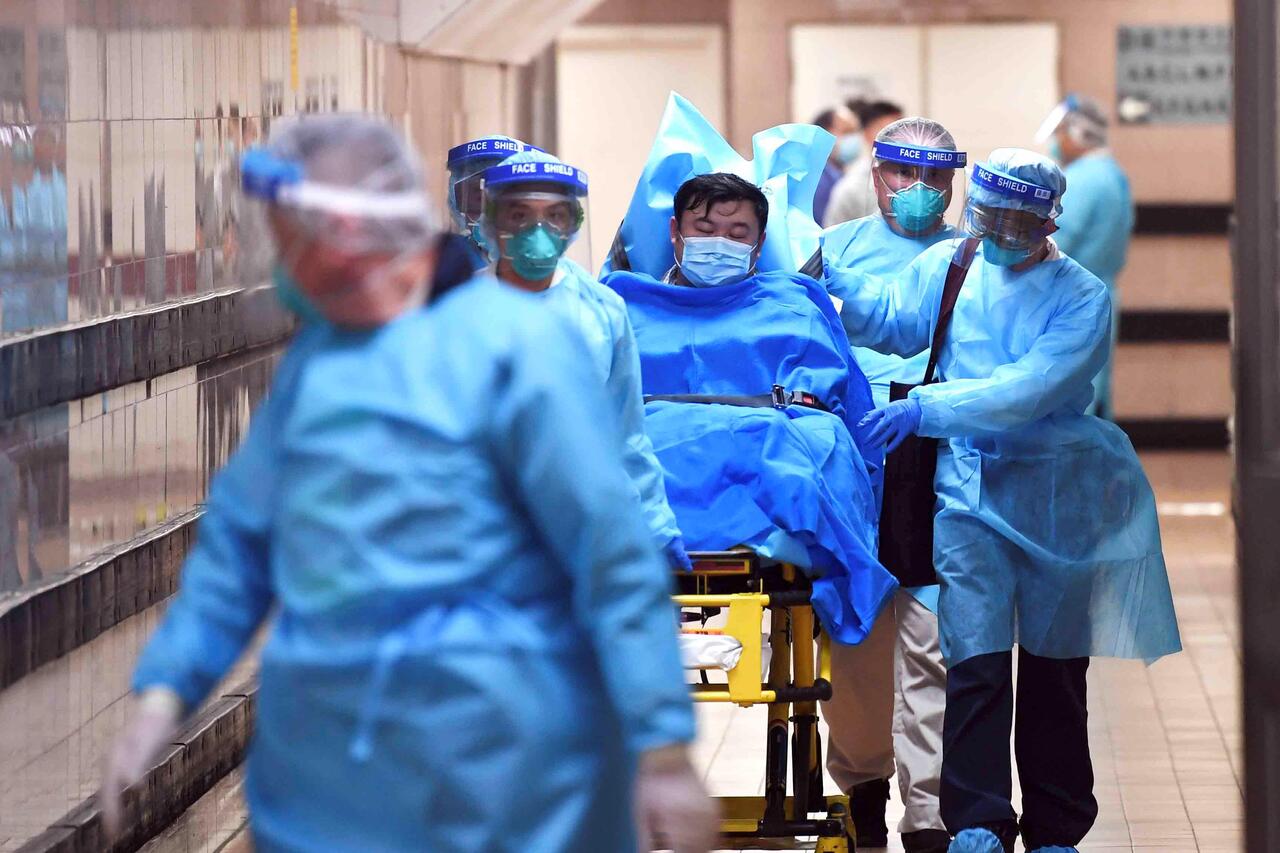
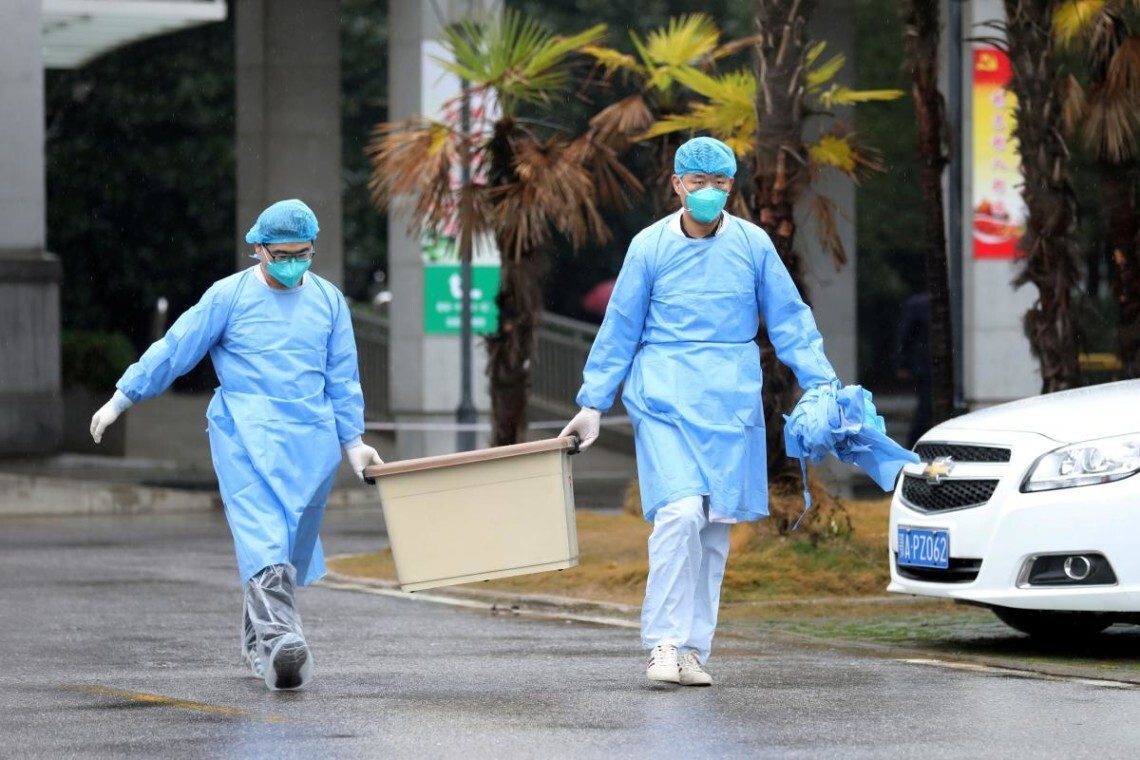
On the morning of January 23, China closed exits from Wuhan, as a result of which more than 11 million residents will not be able to use public transport or leave the city “without particularly important reasons.” The population panicked, trying to leave the city or at least stock up on food, while potentially infected people were placed in special booths for testing.
Following Wuhan, exits were closed in Huanggang, Ezhou and Chibi — entertainment venues there stopped operating and residents were required to wear masks. Tour operators had to cancel upcoming trips, which calls into question the celebration of the Lunar New Year.
Currently, the closure of 13 cities in China under quarantine is known, with a combined population of more than 60 million people. At the same time, Shanghai Disneyland was closed to prevent the spread of the virus.
Media also report on a woman who used an antipyretic drug to deceive a thermal imager during a check at an airport in China. She flew to France and visited a restaurant with friends. After the “trick” was made public, the Chinese embassy demanded that she see a doctor.
What is the WHO saying?
At the time of publication, 26 people had died from the new coronavirus, and the official number of infected people exceeded 800.
The World Health Organization convened an emergency meeting on January 22, at which the need to declare an international public health emergency and quarantine multimillion-strong Wuhan was discussed. Some experts at the meeting called the emergence of the new virus predictable.
At a second emergency meeting on January 23, the WHO decided that declaring an international emergency is premature for now. According to the head of the organization, the situation can be considered an emergency only in China, where most of the infected and dead are concentrated.
Tedros Adhanom Ghebreyesus
Head of the WHOThe fact that I have not declared the virus a public health emergency of international concern should not be taken as a sign that the WHO does not consider the situation serious or that we are not taking it seriously. WHO is tracking the new coronavirus outbreak every minute of every day at national, regional and global levels.
The WHO head also noted that no cases of human-to-human transmission outside China had been detected, and that most of the dead already had conditions weakening their immunity (hypertension, diabetes or cardiovascular diseases).

Russian Attacks in Dnipropetrovsk Region: Two Killed, Seven Injured

Defense Forces Strike Four Russian Drone Control Points in Past Day, Including in Berdiansk

Britain Threatens Sanctions on Kremlin-Linked People; Poland Ready to Hand Ukraine Ammunition

Russia says it has completed "planned exercises" in the Black Sea

MVD: Fake Riots With Prop Blood Were Being Prepared Near Presidential Office

Law Enforcers Name Another Klitschko Deputy as Suspect

Berlin Holds Protest Against War in Ukraine; EU Prepares for Possible Russian Halt of Gas Supplies
North Korea Fires Ballistic Missile Over Record Distance in Five Years
Irish Fishermen Force Russia to Postpone Naval Drills

US sanctions in case of invasion of Ukraine could completely destroy Russia's economy, NYT reports
