
«We Already See Problems. Some of Them Are Very Serious». Key Points from Defense Minister Zahorodniuk's BBC Interview
On the contract army, the state of the ministry, negotiations with Russia and much more.
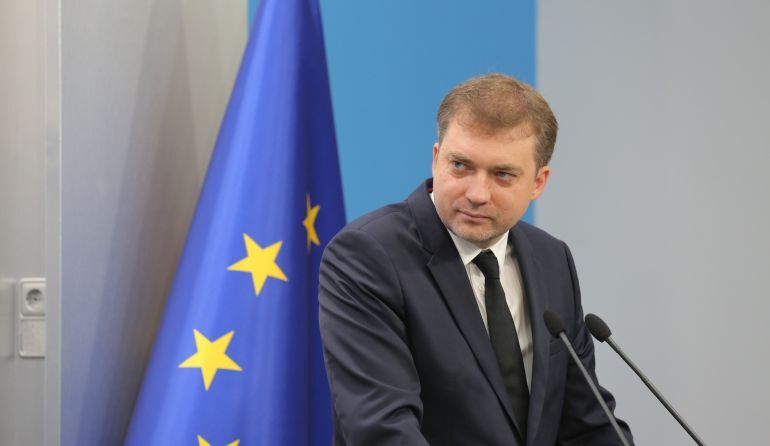
Andriy Zahorodniuk — a civilian. He has no military experience, but this did not stop him from becoming Ukraine's youngest defense minister. In an interview with BBC News Ukraine, the 42-year-old minister, who has a legal and financial education, talked about many things.
On the Contract Army
«Am I a supporter of the contract army? Unequivocally. I think that [abandoning conscripts when there is conflict in Donbas] is realistic. Now a defensive review is underway, the structure of the Armed Forces is being revised, especially in those zones where we have the Joint Forces Operation (JFO) — there we see only contract soldiers.
We do not see conscripts in the JFO. The system for building the Armed Forces should not be based on conscripts. The main component — a professional army. This is possible. You cannot say: we have an outflow, so let's fill the gaps with conscripts. Our systemic solution — attracting professionals.
When is a full transition to a contract army possible? It is hard to say. We will be able to answer this question preliminarily by the end of the year, and definitively — next year. To answer, we must know the final structure of the Armed Forces. And to know that — we need to answer the question of our plans, assess threats and the security situation».
On the State of the Ministry of Defense
«The plus is that there are many initiatives we have undertaken, and they continue. For example, a major transformation of the Armed Forces' command system to NATO standards is underway, specifically at the level of the General Staff.
Among the minuses — a large number of agreements and contracts that we are now looking into are not being fulfilled. Some reforms were carried out only formally, with little behind them. That is why we are now sorting things out: we are conducting an audit of all contracts, construction projects, arms procurement and so on. We plan to complete the express audit this year.
The process is ongoing, we already see some problems, and some of them are very serious. We are working with law enforcement agencies on these issues. I cannot say at this stage, but it is quite possible that in certain cases there will be elements of a crime. And since fighting corruption is one of our priorities, in principle there will be a lot of work here».
On the Transition to NATO Standards
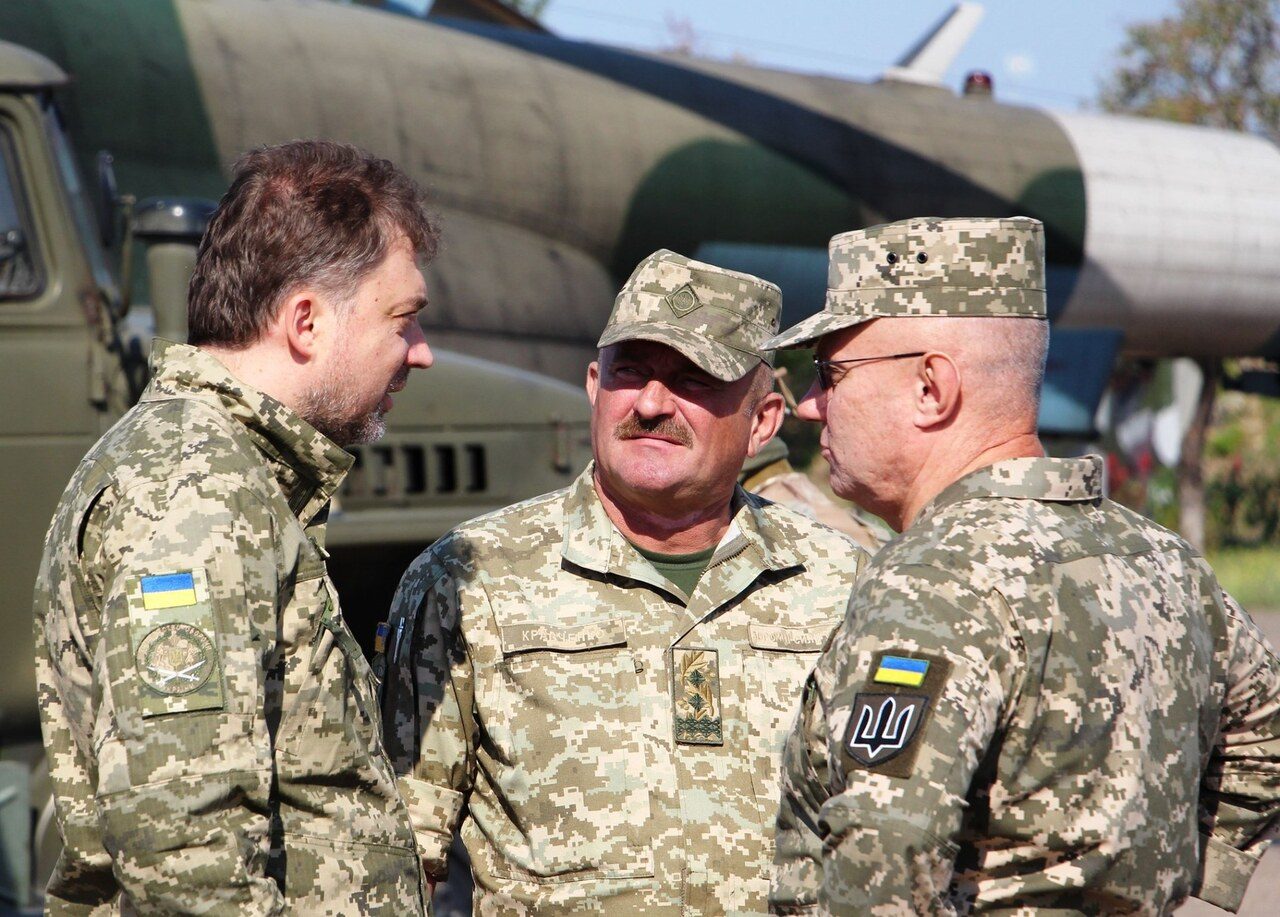
«This is a complex question, with several blocks. The organizational block is fairly easy to solve: structure, distribution of powers, democratic control. We plan to carry out this structural transition at the leadership level next year.
One brigade can technically transition to the NATO structure within a year. Transitioning all brigades within one year — is impossible, but we are talking about structure.
Social security and conditions of service — this is, of course, a much more painful and complex issue — it will take years. Replacing weapons — this is the most complex issue, and it will also take years.
But a very important part of the transition to NATO standards is the preparation of doctrine — the processes, regulations, charters and so on. Only when we provide this doctrine, training of personnel, education, infrastructure, weapons and military equipment can we talk about NATO standards. For the most part, the transition can be made within several years».
On Contact with President Volodymyr Zelensky
«He is fully aware. Traditionally, the defense minister briefs the president once a week, so he is informed. He knows a great deal from various sources. Our conversations are quite detailed».
On Donbas
«I think we see results, and I really hope so. Now the situation is calm on some days and escalates on others, but we are not relaxing. We understand that only the presence of strong Armed Forces can ensure stability there. Therefore we, of course, support the government's course, but on our side we must ensure combat readiness.
Disengagement began in the areas that were declared, and now we must see what is happening on the other side. As for full disengagement, a political statement was made; on our side, we are calculating all technical and organizational risks. Right now it is all at the planning stage.
From that side we see some steps, but I cannot say right now that we see an absolutely comfortable situation. So we are watching and studying carefully».
On Russia and Cooperation with It
«The government is categorically against purchasing anything in Russia. As far as I know, we are not planning to buy anything. The audit of contracts is still ongoing, but we are categorically opposed to such decisions, because there is no need to even explain this.
Import substitution is in many cases technically a much easier process than it may seem. That is why we held a meeting with Ukroboronprom, where the Chief of the General Staff expressed his opinion, and I supported him, so that they would not even plan any such decisions. Let them urgently, right now, work on import substitution.
Are there negotiations on the return of naval boats that Russia detained near the Kerch Strait? Technically yes, but I cannot say that I see any progress on this».
On Naval Defense Capability
«[The idea of creating a mosquito fleet] is relevant, but only as a first stage. All types of the Armed Forces have their own strategy. In some cases it is more formed, and in some — not.
The Navy's development strategy is more or less formed, and it consists of stages. The first stage is the security of the coastline up to 12 miles, and within this framework the mosquito fleet will be developed. To say that we should stop at the mosquito fleet — that will not be enough.
A submarine fleet? My task as defense minister — is to make sure all experts are heard and form a unified position. Right now I have not seen such an opinion among most experts. Most still count on other means.
Corvettes need to be built. There is the question of how quickly we can do this and how ready the enterprises are; it will be difficult. But ships of this class are provided for in our strategy».

Russian Attacks in Dnipropetrovsk Region: Two Killed, Seven Injured

Defense Forces Strike Four Russian Drone Control Points in Past Day, Including in Berdiansk

Britain Threatens Sanctions on Kremlin-Linked People; Poland Ready to Hand Ukraine Ammunition

Russia says it has completed "planned exercises" in the Black Sea

MVD: Fake Riots With Prop Blood Were Being Prepared Near Presidential Office

Law Enforcers Name Another Klitschko Deputy as Suspect

Berlin Holds Protest Against War in Ukraine; EU Prepares for Possible Russian Halt of Gas Supplies
North Korea Fires Ballistic Missile Over Record Distance in Five Years
Irish Fishermen Force Russia to Postpone Naval Drills

US sanctions in case of invasion of Ukraine could completely destroy Russia's economy, NYT reports
