
Economic Collapse, Hunger, Protests and an Appeal to the IMF. What Is Happening in Lebanon?
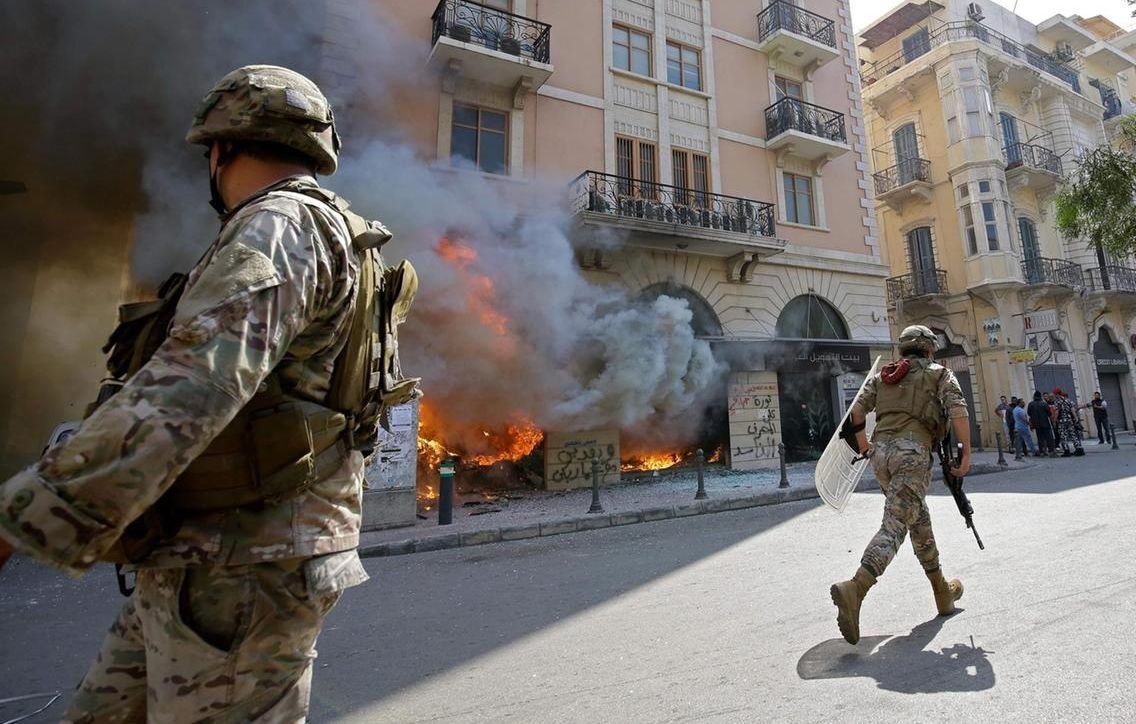
The Middle Eastern country is going through its hardest times and is asking for $10 billion so that people do not die of hunger.
On May 1, Lebanon officially submitted a request for assistance to the International Monetary Fund. This happened less than a month after the country's leadership said it would be unable to repay $1.2 billion in Eurobonds and declared a default.
According to the economic rescue plan approved by the Lebanese government, the country expects to receive $10 billion in aid from the IMF, but for this it must adopt the necessary package of reforms.
Foreign economists and diplomats call this plan the first crucial step toward saving the country, which is experiencing the most severe financial crisis since the civil war (1975-1990).
The economic crisis, caused by the ineffective work of the authorities in recent years, and the default that followed, have led to inflation of 50% — although the official exchange rate is 1,500 lira to the dollar, on the black market its price is already more than 3 times higher and continues to rise. The dollar is expected to reach 10,000 lira by the end of May.
Along with a massive outflow of capital from the country, major foreign companies have begun scaling back their operations in Lebanon. On May 31, Coca-Cola ceased its operations — due to the impossibility of importing raw materials.
Along with the default, prices for everything, including food, have risen sharply. Sugar, for example, has increased in price by 70%, and vegetables cost twice as much as they did a year ago.
Lebanese Prime Minister Hassan Diab describes the situation as "close to a complete collapse," but this collapse has already clearly occurred: the country is experiencing mass unemployment, and people are literally starving. According to a survey, more than 60% of the population will not have enough food reserves to last 2 weeks.
A video is circulating online in which a protester tells a soldier that he is hungry, and the soldier replies that he is no less hungry.
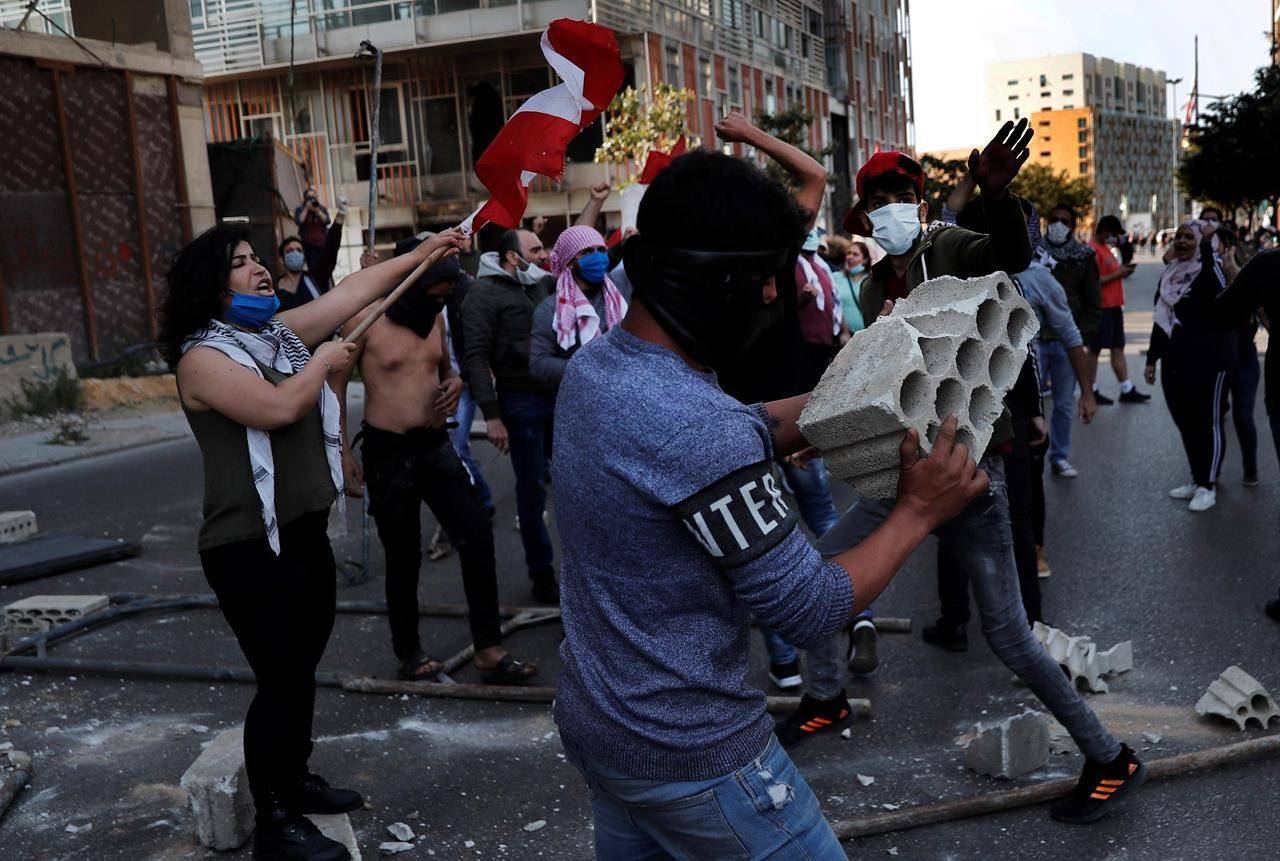
Protests in the country, which began back in October 2019, are reaching their peak despite the coronavirus pandemic: chaos reigns on the streets, people are setting fire to long-empty ATMs and smashing banks that have frozen payments on dollar deposits.
Clashes with the military are becoming increasingly fierce, and there have already been the first deaths. On May 27 in Tripoli, 26-year-old protester Fawwaz Fuad Al-Seman was shot dead, and Human Rights Watch has already criticized law enforcement for using firearms.
Although protesters managed to force the resignation of former Prime Minister Saad Hariri last autumn, a change of power remains the main demand of the population.
In Lebanon, people are dissatisfied that the new authorities continue to do the same things the country's former leaders did, namely serving the interests of the Shiite group Hezbollah, whose representatives dominate parliament, and their foreign partners such as Iran.
Vasily Obaraz, TK Media

Russian Attacks in Dnipropetrovsk Region: Two Killed, Seven Injured

Defense Forces Strike Four Russian Drone Control Points in Past Day, Including in Berdiansk

Britain Threatens Sanctions on Kremlin-Linked People; Poland Ready to Hand Ukraine Ammunition

Russia says it has completed "planned exercises" in the Black Sea

MVD: Fake Riots With Prop Blood Were Being Prepared Near Presidential Office

Law Enforcers Name Another Klitschko Deputy as Suspect

Berlin Holds Protest Against War in Ukraine; EU Prepares for Possible Russian Halt of Gas Supplies
North Korea Fires Ballistic Missile Over Record Distance in Five Years
Irish Fishermen Force Russia to Postpone Naval Drills

US sanctions in case of invasion of Ukraine could completely destroy Russia's economy, NYT reports
