
How Polygraphs Are Used Around the World to Fight Corruption
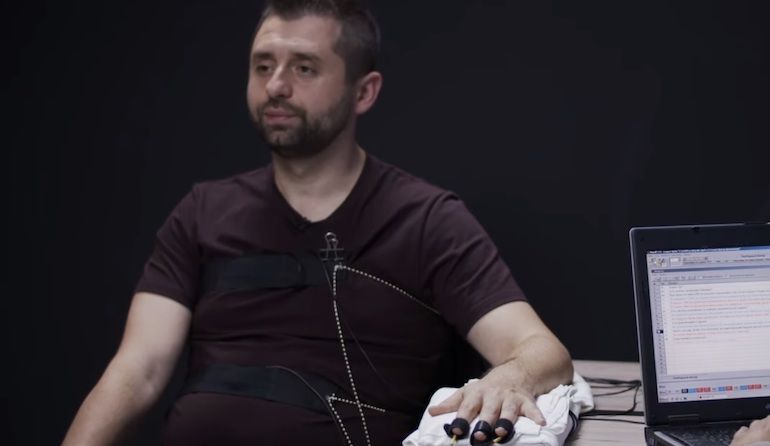
USA, Mexico, Romania and others.
A corruption scandal is now unfolding in Ukraine, and its participants are undergoing polygraph tests. The thing is, 11 deputies from the Servant of the People party who sit on the committee on finance, tax and customs policy are suspected of receiving $30,000 each for not supporting a bill in committee to eliminate corruption schemes in the valuation of real estate. President Volodymyr Zelensky has called on everyone to take a polygraph test. Oleksandr Dubinsky and David Arakhamia have already done so.
Here we explain how polygraphs are used around the world to check politicians and fight corruption.
USA
The United States leads in the use of polygraphs. Initially it was used to protect state secrets, then in wartime, and over time it became an integral part of local law enforcement work. For example, the CIA began using polygraphs in personnel selection and during special operations. Also, in the 1950s, police began widely using polygraphs.
In 1983, US President Ronald Reagan issued the directive “Safeguarding Information Relating to National Security.” According to the document, employees of government agencies “may be required to undergo polygraph examination if necessary in the course of an investigation into unauthorized disclosure of classified information. Instructions and guidelines must, at a minimum, allow management to take measures so that an employee’s refusal to be examined within the framework of the investigation of a specific case always entails negative consequences for him.” The presidential directive covered all persons who had access to state secrets — more than 2.5 million government employees and about 1.5 million employees of private companies working under contracts with government agencies.
The US Congress has also repeatedly used polygraph services. At the legislative level, its members supported various aspects of the applied use of this method in government agencies and in business. Congress has also repeatedly turned to polygraph experts to investigate abuses by senators.
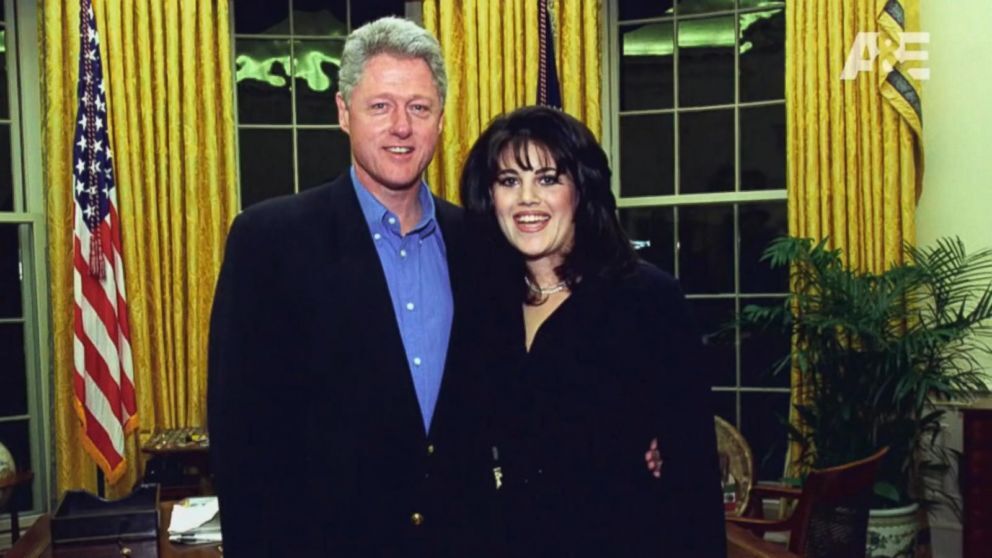
The best-known example of polygraph use in politics involves President Bill Clinton. He took a lie detector test during the scandal over accusations involving intern Monica Lewinsky. According to the test results, the president was insincere in his initial explanations to Congress and did in fact have a relationship with the intern, and the polygraph examiner’s conclusion was presented long before the results of the DNA examination ordered in this case.
A year before the end of his second term, George W. Bush ordered that all White House staff be given polygraph tests. Specialists needed to identify the person who leaked secret information about the war in Iraq to journalists. After about a month of testing, a woman directly involved in the leak was identified. Shortly after this incident, she was fired.
Bulgaria
The first polygraphs began to appear here in the 1960s. Polygraph specialists at the Institute of Psychology of the Ministry of Internal Affairs conduct research at the request of various ministries and state services, which are mainly related to the need to identify disloyal behavior and corruption among civil servants.
Such examinations are carried out on the basis of an order from the minister of the ministry whose employees are sent for polygraph examination at the Institute of Psychology. Employment contracts of employees of such ministries and services include a clause on the need to undergo a polygraph examination.
Romania
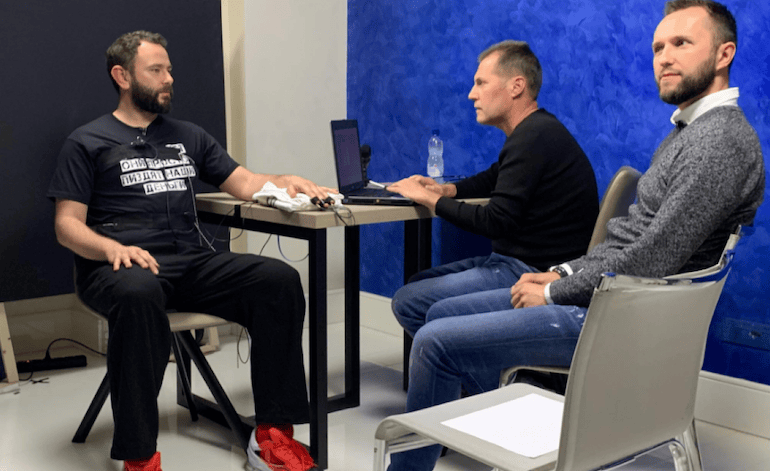
In the 1990s, a central polygraph laboratory appeared in Bucharest at the Institute of Forensics of the Police Department. Its staff constantly monitor the quality of polygraph tests and run refresher courses for practicing polygraph examiners.
For example, polygraphs are mandatorily used in investigating corruption cases in law enforcement bodies when traditional investigative methods are powerless.
Mexico
In Mexico, the polygraph has become almost the only effective tool capable of countering pervasive corruption in units tasked with fighting drug trafficking.
After polygraph tests of employees of the Special Prosecutor’s Office for Crimes Against Health, only 560 of 2,200 workers were allowed to keep working. The Special Prosecutor’s Office for Crimes Related to Narcotics again introduced the practice of mandatory polygraph tests for all job candidates. Working personnel undergo special drug tests or polygraph tests every four months (often both).
Lithuania
Polygraphs first began to appear here in the 1930s. Their use was immediately regarded as a psychological method of solving crimes or a method of establishing the “diagnostics of the facts of the event.” Later, polygraphs stopped being used and returned to them as late as the 1990s.
In 2007, the Lithuanian Police Commissioner General approved the “Concept of Using Psychophysiological Examination with the Polygraph in Fighting Crime, Corruption Among Police Personnel and in Selecting Police Officers for Service.”
Alexei Simonchuk

Russian Attacks in Dnipropetrovsk Region: Two Killed, Seven Injured

Defense Forces Strike Four Russian Drone Control Points in Past Day, Including in Berdiansk

Britain Threatens Sanctions on Kremlin-Linked People; Poland Ready to Hand Ukraine Ammunition

Russia says it has completed "planned exercises" in the Black Sea

MVD: Fake Riots With Prop Blood Were Being Prepared Near Presidential Office

Law Enforcers Name Another Klitschko Deputy as Suspect

Berlin Holds Protest Against War in Ukraine; EU Prepares for Possible Russian Halt of Gas Supplies
North Korea Fires Ballistic Missile Over Record Distance in Five Years
Irish Fishermen Force Russia to Postpone Naval Drills

US sanctions in case of invasion of Ukraine could completely destroy Russia's economy, NYT reports
