
India Approves World's First DNA Vaccine Against COVID-19: How It Works and How It Differs
However, this vaccine has its drawbacks.
India's regulator approved the world's first DNA vaccine against the coronavirus for emergency use. According to an interim study, the three-dose ZyCoV-D vaccine prevented symptomatic disease in 66% of those vaccinated.
Cadila Healthcare conducted the largest clinical trial of the vaccine in India, involving 28,000 volunteers at more than 50 centers. This is reportedly the first time a coronavirus vaccine has been tested on young people in India: 1,000 people aged 12 to 18.
We explain everything known about this vaccine: how it works, how it differs from others, and what its drawbacks are.
How the vaccine works
DNA and RNA are the building blocks of life, molecules that carry genetic information. Like other vaccines, a DNA vaccine teaches the body's immune system to fight the virus after it is administered.
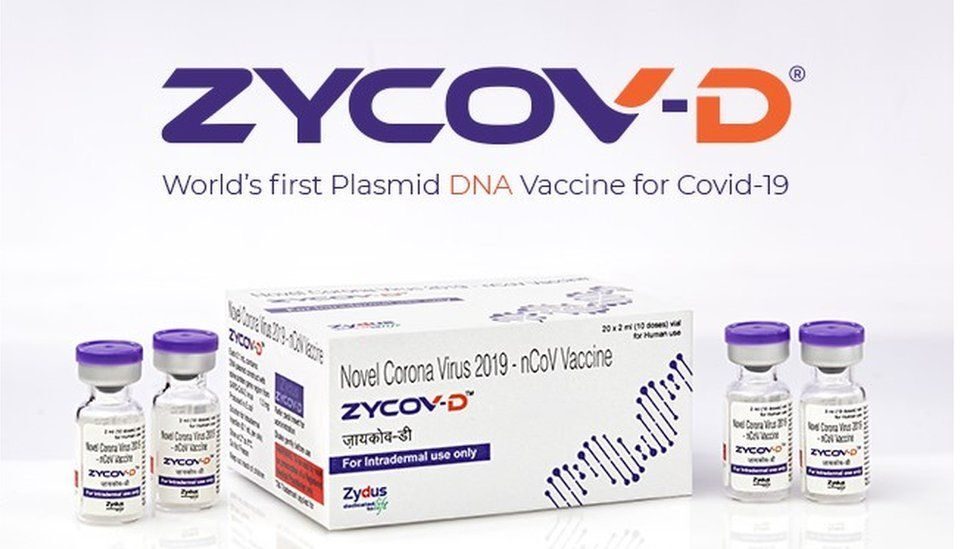
ZyCoV-D uses plasmids, or small rings of DNA carrying genetic information, which deliver it into cells to produce the "spike protein" that the virus uses to attach to and enter human cells.
Most coronavirus vaccines work by giving the body instructions to make the "spike protein," which prompts the human immune system to produce antibodies and learn to fight the virus.
How the vaccine differs
This is the world's first DNA vaccine for humans against the coronavirus. A number of DNA vaccines have been approved in the US for use in animals, including a vaccine against a disease in horses and a vaccine against skin cancer in dogs.
More than 160 different DNA vaccines are being tested in human clinical trials in the US. Most of them target existing types of cancer, while a third aim to treat HIV.
ZyCoV-D is the first coronavirus vaccine in India that does not require needles. It is administered with a single-use injector that uses a narrow jet of liquid to penetrate the skin and deliver the vaccine into the right tissue.
Gagandeep Kang
virologistHaving a DNA vaccine that works against infection is a big deal. If it provides good protection, it is something India will be proud of.
Advantages of DNA vaccines
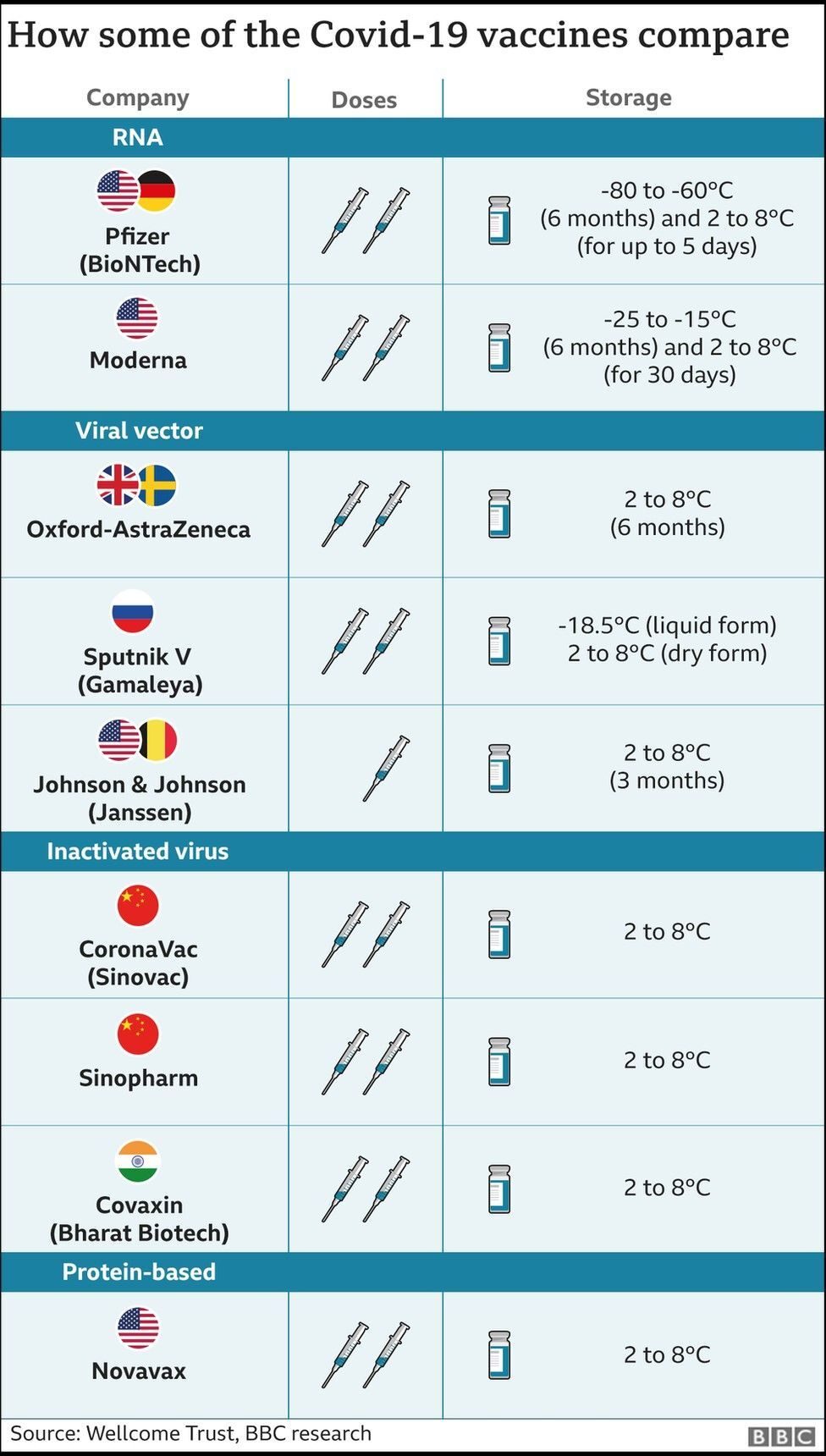
Scientists say DNA vaccines are relatively cheap, safe and stable. They can also be stored at higher temperatures, from 2 to 8 degrees.
Cadila Healthcare said the vaccine showed "good stability" at 25 degrees for at least three months, which would make it easier to transport and store the drug.
The company plans to produce up to 120 million doses of the vaccine annually.
Drawbacks of DNA vaccines
In the past, DNA vaccines developed for infectious diseases in humans were not successful. Such vaccines work well in animals but do not provide the same level of protection in people.
The problem was how to get plasmid DNA into human cells so that it produces a strong immune response. mRNA vaccines (which use RNA, a molecule used to produce proteins), such as Pfizer or Moderna, do not need to reach the cell nucleus to be effective.
Another potential drawback of ZyCoV-D is the need for three doses. Researchers hope the vaccine manufacturer will overcome all the difficulties and make this drug work.

Russian Attacks in Dnipropetrovsk Region: Two Killed, Seven Injured

Defense Forces Strike Four Russian Drone Control Points in Past Day, Including in Berdiansk

Britain Threatens Sanctions on Kremlin-Linked People; Poland Ready to Hand Ukraine Ammunition

Russia says it has completed "planned exercises" in the Black Sea

MVD: Fake Riots With Prop Blood Were Being Prepared Near Presidential Office

Law Enforcers Name Another Klitschko Deputy as Suspect

Berlin Holds Protest Against War in Ukraine; EU Prepares for Possible Russian Halt of Gas Supplies
North Korea Fires Ballistic Missile Over Record Distance in Five Years
Irish Fishermen Force Russia to Postpone Naval Drills

US sanctions in case of invasion of Ukraine could completely destroy Russia's economy, NYT reports
