
India Sees Another Outbreak of Rare Nipah Virus: What the Infection Is and How Dangerous It Is
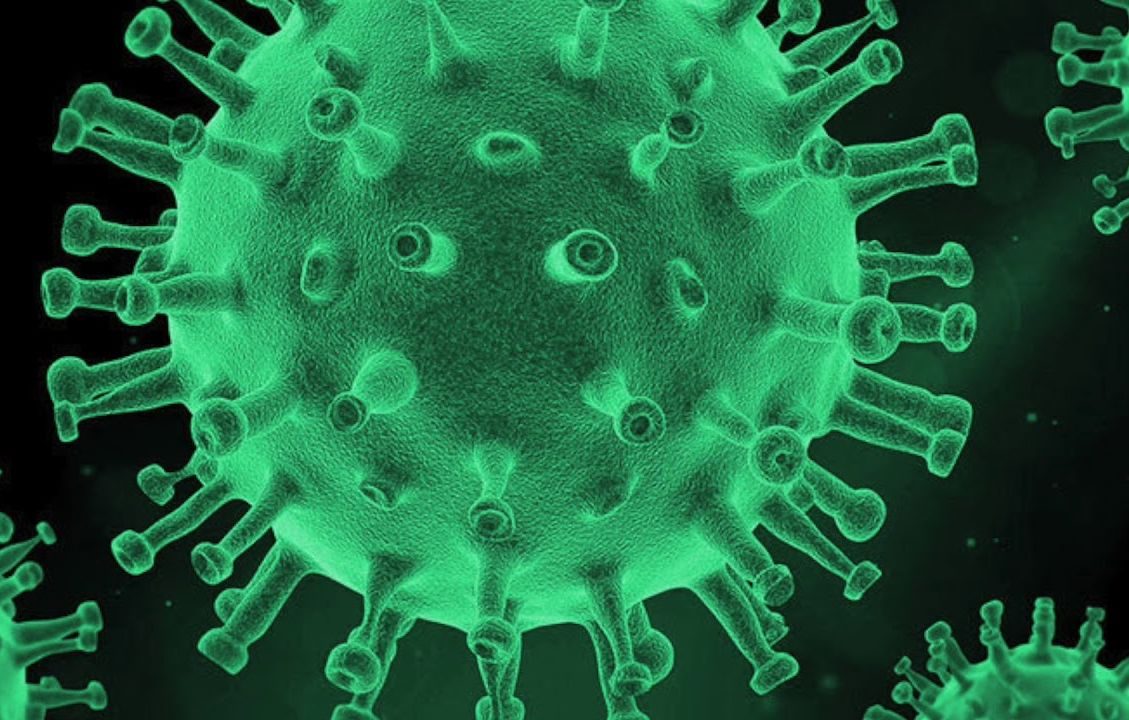
In 30-90% of cases, the disease leads to death.
In September 2021, a new outbreak of the infection caused by the Nipah virus began in India. There is no cure for this disease, which sounds even more frightening against the backdrop of the coronavirus pandemic. We explain everything that is known about the virus.
Is it starting again?
In the Indian state of Kerala, where the coronavirus is raging, authorities are also trying to stop the spread of another infection, the Nipah virus, after which a 12-year-old boy has already died.
Local health authorities said that eight people who had direct contact with the child did not become infected from him. This came as a great relief to the state's health chief.
In total, 48 people who had contact with the boy are being monitored in hospital today, eight of whom tested negative. More than 100 people are in isolation and have yet to be tested for infection with the virus.
The federal government sent a team of experts to the city of Kozhikode, where the virus was detected, to help local specialists identify potential cases and trace secondary contacts. They are also to present a list of recommendations in case new infections are detected.
What is this virus?
In 2018, the World Health Organization included the Nipah virus on its list of ten priority diseases for research, since it may cause a serious epidemic. The same list includes the Zika and Ebola viruses. Outbreaks of the disease have occurred in Malaysia, Singapore, Bangladesh, India and the Philippines.
The last known outbreak (before September 2021) was in 2018. In 30-90% of cases, the disease leads to death. Such a wide range in the data is due to the fact that the rate differed significantly across different outbreaks. There is no vaccine against this virus, just as there is no treatment.
The only thing that can be done is to support the human body, in particular with the help of artificial ventilation of the lungs. The virus mainly affects the brain (causing inflammation). It begins with fever, headache, muscle pain, nausea and vomiting. Then coma and death often follow. However, in some people the virus causes no symptoms at all.
Nipah is transmitted from animals to humans and from person to person through close contact. It is often found in fruit bats, but does not cause disease in them, since they are carriers. Since 1998 there have been several outbreaks of the infection, and people usually became infected in two ways:
- In Malaysia in 1998, the outbreak began when, apparently, waste from fruit bats got into pig feed on a farm. The animals became infected, and then the farmers became infected too. Animals do not always show obvious symptoms. Cats, dogs and horses can also be carriers of the virus.
- In Bangladesh, people collect date palm sap, and fruit bats drink it and leave their saliva in the containers used for collection.
During several outbreaks, the virus was actively transmitted from person to person. Transmission usually occurs when a person is in the late stages of the disease, one or two days before death. Relatives and medical staff become infected from such people.
According to statistics, two sick people pass the virus on to at most one other person: for each patient there is only a "half a person" who received the virus through contact with people.
A new epidemic?
So far, this is another outbreak of the disease in a single country. The virus poses a risk of an epidemic if one infected person passes it on to more than one other person. The Nipah virus is not yet as bad as that, but it could mutate.
Mutations are promoted by farming, since large numbers of animals gather in one place, which can serve as an incubator for a changing virus.
By and large, there is no way to protect against this virus. Mutating viruses that reach us from animals will always exist. In recent centuries, the conditions for this have even improved: deforestation leads to more frequent contact with wild animals, farming is developing at a tremendous pace, and there are more people.
Countries take fairly standard measures to combat the Nipah virus:
- Farmers are advised to remove sick animals from the herd as soon as possible and to wear personal protective equipment.
- Doctors are asked to be alert to patients with the first signs of infection.

Russian Attacks in Dnipropetrovsk Region: Two Killed, Seven Injured

Defense Forces Strike Four Russian Drone Control Points in Past Day, Including in Berdiansk

Britain Threatens Sanctions on Kremlin-Linked People; Poland Ready to Hand Ukraine Ammunition

Russia says it has completed "planned exercises" in the Black Sea

MVD: Fake Riots With Prop Blood Were Being Prepared Near Presidential Office

Law Enforcers Name Another Klitschko Deputy as Suspect

Berlin Holds Protest Against War in Ukraine; EU Prepares for Possible Russian Halt of Gas Supplies
North Korea Fires Ballistic Missile Over Record Distance in Five Years
Irish Fishermen Force Russia to Postpone Naval Drills

US sanctions in case of invasion of Ukraine could completely destroy Russia's economy, NYT reports
