
The oligarchs return to sports: Kolomoisky gets into basketball, Yaroslavsky may revive Metal
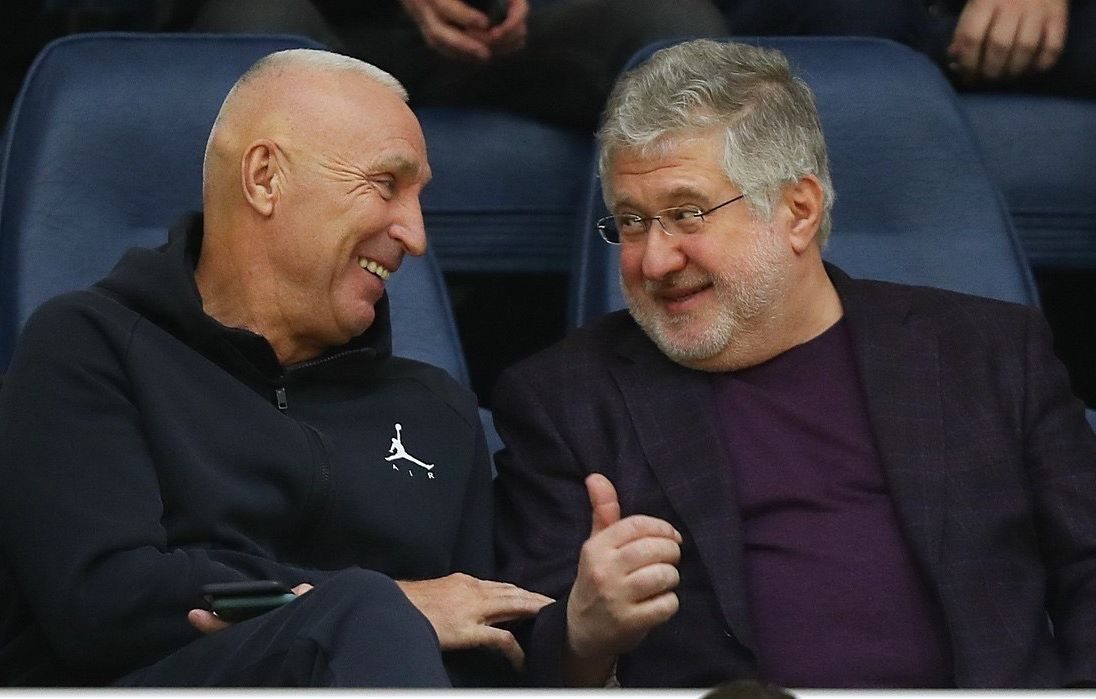
Is it all starting over?
The years 2012-14 were a turning point for Ukrainian sports. During this time, two major investors left it in different ways: Oleksandr Yaroslavsky and Ihor Kolomoisky. Their exit from the business was a major blow both for football fans in Kharkiv and Dnipro, and across all of Ukraine: they had created strong football teams with large armies of supporters.
In recent years, they have not been talked about much in a sporting context. But now the names of Yaroslavsky and Kolomoisky appear in sports news more and more often. Are the main oligarchs of Kharkiv and Dnipro really making a comeback?
Kolomoisky's return: new FC Dnipro and a strong interest in basketball
Long before the epic story of the nationalization of PrivatBank, it became clear that Kolomoisky was scaling back his activity in Ukraine and, roughly speaking, beginning to seriously cut costs. However, this was less related to the "tightening of the screws" by the authorities in power than to Russia's aggression in Crimea and Donbas, which hit all sectors of the country's economy.
The oligarch's worsening affairs were very clearly reflected in the life of the Dnipro football club, which Kolomoisky had owned since 1996. Before the war, the team, on a par with Metalist, was considered the third force in the Ukrainian championship, after the giants Shakhtar and Dynamo. The pre-war years were the peak of Dnipro's capabilities: the club bought players from abroad for serious money and played on equal terms with the giants.
The 2014-15 seasons were the best in Dnipro's history. First, the team finished second in the 2013/14 Premier League, and in 2015, already burdened with debts to players and coaches, reached the final of the Europa League, where it lost to Sevilla. But the celebration lasted only as long as the owner, in the person of Kolomoisky, poured money into the club. Without it, the club was effectively sent to the bottom by its owner: a ban on European competitions, points deducted in the Premier League, relegation to the Second League, loss of professional status and, finally, dissolution.
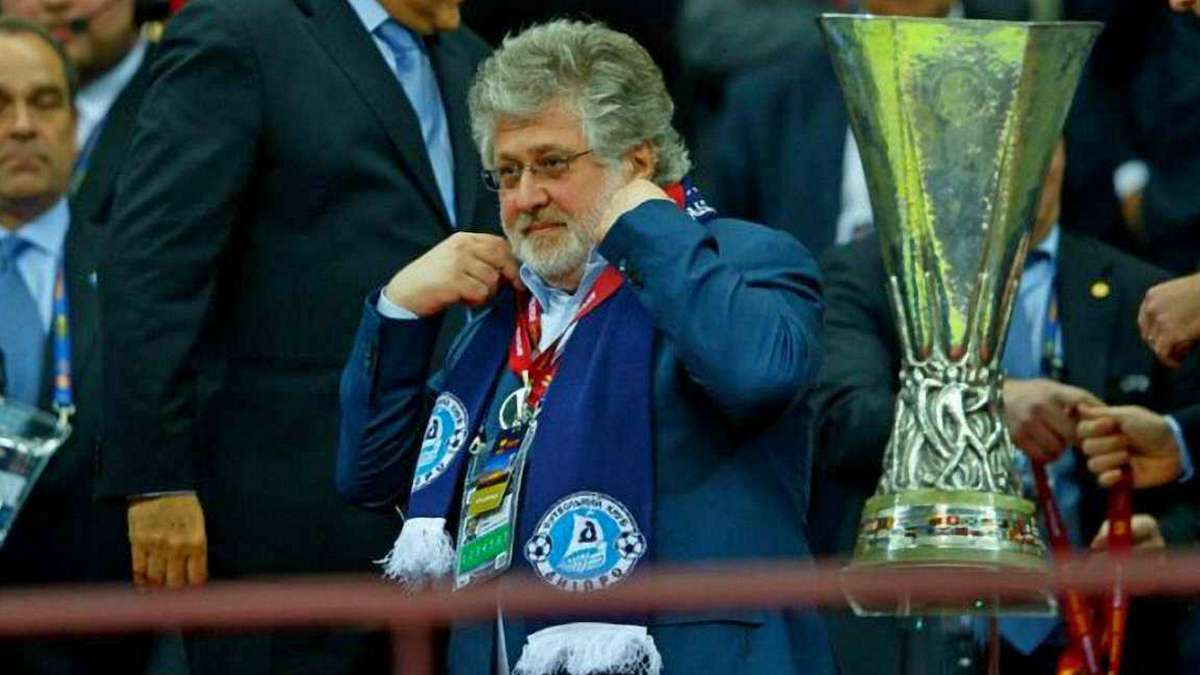
Still, Kolomoisky did not leave sports for good, retaining a minimal interest in it. In 2017, when Dnipro went down to the Second League, a new football club was created in the city: "Sports Club Dnipro-1". The name seems to point to secondary status and the aim of replacing that Dnipro (although it is more connected with the volunteer battalion of the same name). Moreover, many footballers and the coaching staff of the club dying from sanctions moved to the new team.
Officially, both Dnipro-1 and Kolomoisky himself deny the oligarch's involvement in financing and managing the club, but everyone in the football community and the media understands and knows this. According to online publications, Kolomoisky manually manages the new structure and makes the final decisions, and the club's affairs are overseen by former Dnipro defender Andriy Rusol. It is all the same as with the previous team.
In two seasons Dnipro-1 rose to the Premier League, and now it is aiming to qualify for European competitions. It will be very interesting to see whether UEFA becomes interested in the story of this club's emergence and its sources of funding if the Dnipro players break into the Europa League. European football associations do not much like clone clubs and apply serious sanctions for attempted fraud.
Kolomoisky's passion for sports is now not limited to the football club, from which he publicly distances himself. The oligarch has a lively interest in basketball, and specifically in the performances of one of the leaders of the Ukrainian championship, Dnipro, whose games he attends since returning to Ukraine.
One reason is on the surface: in September of last year, his son Hryhoriy signed a contract with the club. After unsuccessful attempts to start a career with the university team of Cleveland in the United States and with Maccabi in Israel, Kolomoisky Jr. went to a basketball club that is no stranger to his father.
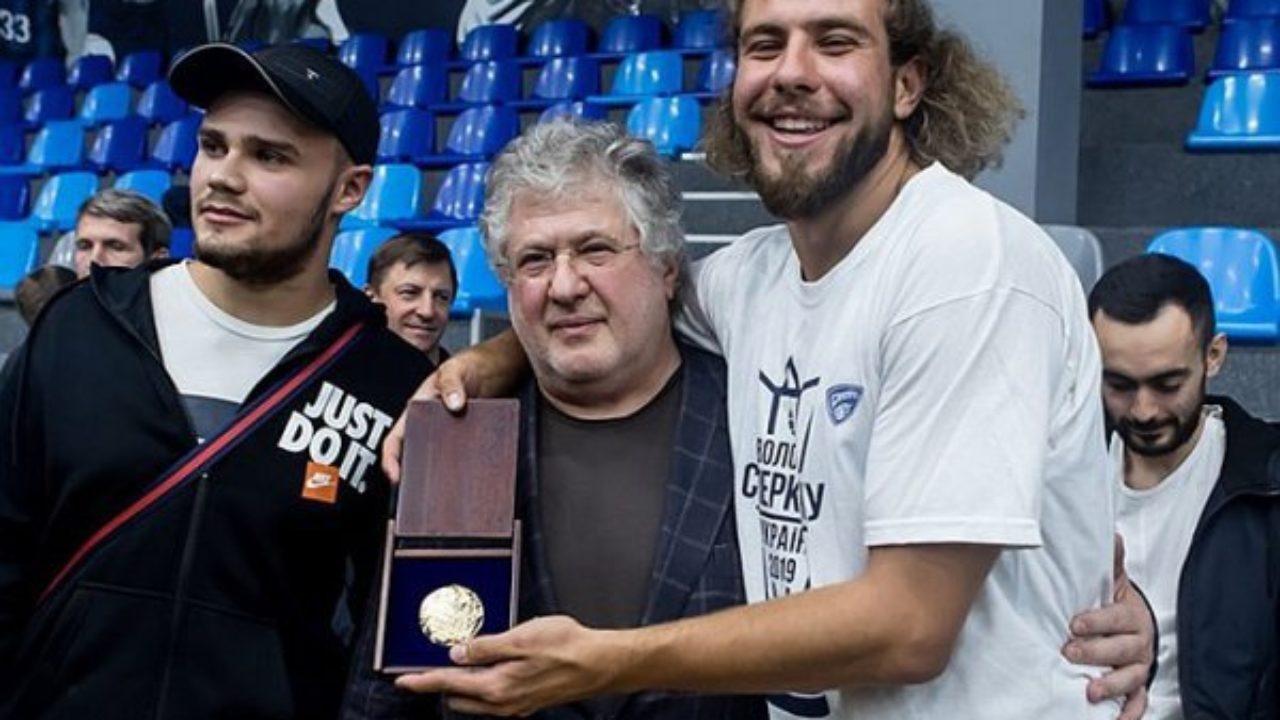
Until 2019, BC Dnipro was funded quite well through the efforts of club president Valeriy Kondratyev and other sponsors, but, as Oleksandr Proshuta, an expert on Ukrainian basketball, claims in a comment to TK Media, after Kolomoisky Jr. signed, the club's budget was increased by roughly one and a half times.
"They immediately entered the top tier of Superliga budgets, for the first time in seven years signed foreign legionnaires, and in the course of the season even signed a man who had played in the NBA only six months earlier," Proshuta says.
"Next season their budget will remain roughly the same. As Ukrainian champions, Dnipro earned the right to play in the FIBA Champions League. It is not the EuroLeague (which is more important), but it is also quite a prestigious tournament. It will be hard for them to get through qualifying, but there are chances. And for this they are again seriously assembling the squad: they re-signed two key legionnaires and all the key Ukrainians."
Oleksandr Proshuta
Basketball expertDnipro certainly has the largest payroll in Ukraine, and these are quite competitive figures even at the level of Europe, especially Eastern Europe (if we do not count the richest clubs in Russia).
As for Hryhoriy Kolomoisky's career, his father does not directly influence it. There is no question of direct instructions to the coaching staff to involve the basketball player in games, but he does appear on the court quite often, especially when his father is at the match.
The oligarch's strong interest in basketball was recently confirmed by Dynamo president Ihor Surkis, who noted that in the rare conversations he has with Kolomoisky, they discuss only basketball.
"We talk very rarely lately. We mostly discuss basketball with him. He is trying to get me hooked, to introduce me to basketball," Surkis said in an interview with the show "TaToTake".
One way or another, Kolomoisky is once again very present in Ukrainian sports, both publicly and privately. What exactly is behind the oligarch's desire to again invest money in sports projects now (especially in a basketball club) is a mystery. Yes, the former owner of PrivatBank is unlikely to face any threat to his freedom in Ukraine under the current government. But his existing political influence, in the form of a couple of dozen people's deputies, does not yet bring Kolomoisky any significant new dividends.
Yaroslavsky's comeback: the club named after Metalist and the Krasnikov
Yaroslavsky sold Metalist to Serhiy Kurchenko in 2012 and since then has publicly stood aside from football. The club's fate was sad: in 2014 Kurchenko fled to Russia after the Revolution of Dignity, and large debts began to accumulate at Metalist. The situation worsened until the club disappeared in 2016.
Reportedly, the only football activity of Yaroslavsky over seven years was financial assistance to Dynamo in the transfers of Brazilian footballers. These deals in 2018 were arranged for the Kyiv club by Yevhen Krasnikov, who worked at Metalist as sporting director and later became a vice president at Dynamo. But Krasnikov's career in Kyiv did not work out: the players from South America did not settle in the team, and after a year and a half Dynamo parted ways with all of them.
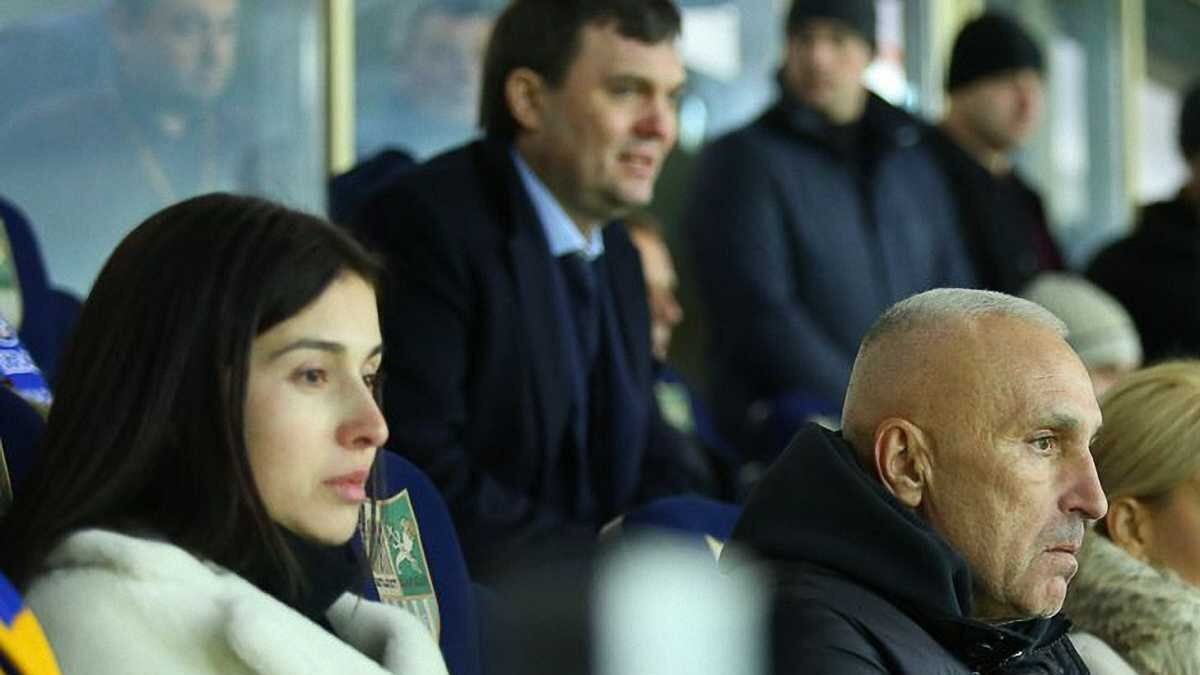
One of the most frequent questions journalists have asked Yaroslavsky in recent years has been about the possibility of him creating a new club in place of the fallen Metalist. The businessman gave no concrete answers to these questions and did not want to join the project of the existing Metalist-1925. However, the situation with another new club in the region is somewhat different.
The day before, it became known that a football club called Metal had been created, and, according to media reports, it plans to enter the new Second League season. The head coach of this team is to be former Metalist and Shakhtar defender Oleksandr Kucher, and the management will include Krasnikov, who is close to Yaroslavsky.
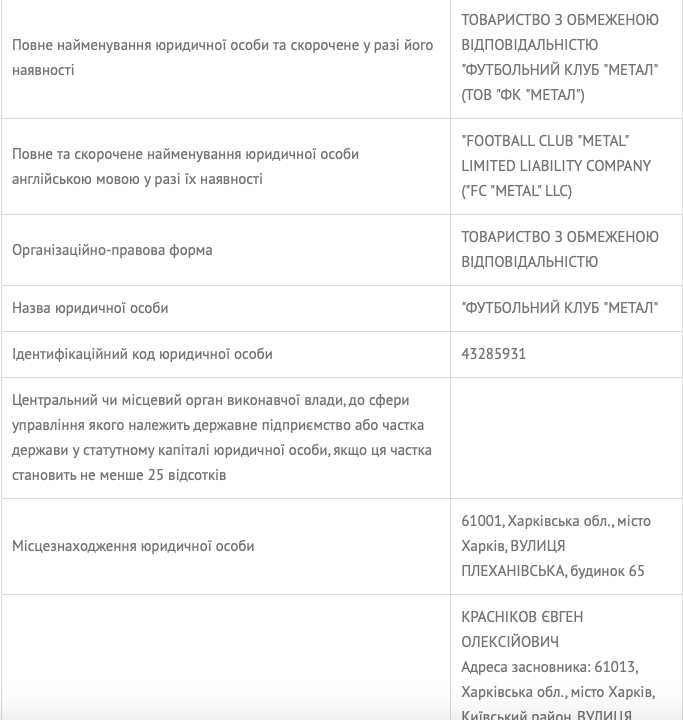
According to the register of legal entities, Krasnikov is the ultimate beneficiary of LLC "Football Club Metal", and the club was registered in October 2019 at an address matching the location of the Metalist stadium in Kharkiv.
Instead of a conclusion
After the major crisis of 2014-15, there was a small hope that the forced reset would launch a process of rethinking values in Ukrainian sports, but instead of building business projects, we seem to be seeing the creation of new toys for oligarchs. And the same figures are leading the oligarchic model of sports management in the country.
Roman Tverdenko, TK Media

Russian Attacks in Dnipropetrovsk Region: Two Killed, Seven Injured

Defense Forces Strike Four Russian Drone Control Points in Past Day, Including in Berdiansk

Britain Threatens Sanctions on Kremlin-Linked People; Poland Ready to Hand Ukraine Ammunition

Russia says it has completed "planned exercises" in the Black Sea

MVD: Fake Riots With Prop Blood Were Being Prepared Near Presidential Office

Law Enforcers Name Another Klitschko Deputy as Suspect

Berlin Holds Protest Against War in Ukraine; EU Prepares for Possible Russian Halt of Gas Supplies
North Korea Fires Ballistic Missile Over Record Distance in Five Years
Irish Fishermen Force Russia to Postpone Naval Drills

US sanctions in case of invasion of Ukraine could completely destroy Russia's economy, NYT reports
