
English Premier League wants to launch Netflix-like service and sell matches to fans directly
It could increase its revenue eightfold.
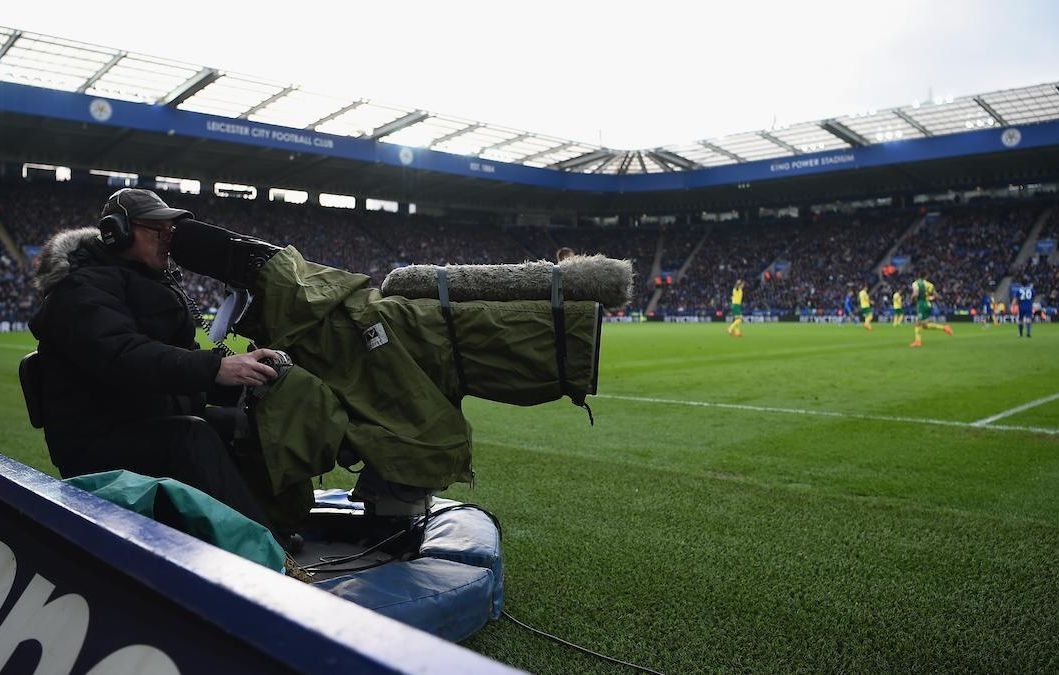
The English Premier League has admitted it plans to launch a streaming service to show its matches, cutting out broadcasters that act as intermediaries between itself and viewers.
“The Premier League will eventually move to selling directly to consumers,” — the Daily Mail quotes the league's new chief executive, Richard Masters.
The Premier League expects that a Netflix-style streaming service could reduce the subscription cost of Premier League matches for viewers while increasing revenue for clubs several times over, if it can do without intermediaries such as Sky and BT.
Currently, the top flight of English football is broadcast in the UK by Sky, BT and the streaming service Amazon Prime Video. To be able to watch any match, British viewers need to pay £912 a year or £76 a month.
The Premier League currently earns just over £3 billion per season: £1.666 billion from selling UK broadcast rights and £1.4 billion from all other countries combined. Premier League games are shown in 188 countries and watched in 200 million households.
If the Premier League launches a service under the working name “PremFlix” with an average monthly fee of £10, revenue could rise to £24 billion a year. Of course, the league would have to set a separate pricing policy for each country: in some places the price could be significantly higher than £10, and in others significantly lower. But in any case, it will no longer be £76 a month as it is now for British viewers.
Launching a streaming service is a profitable but difficult idea to implement. Right now the Premier League is simply the organizer of 380 matches per season, but this change of policy would force it to become a new broadcasting empire that has to serve the whole planet with hundreds of millions of customers on its own platform. It would have to create versions in dozens of languages, adapting to local viewing habits in terms of commentators and experts.
This cannot be achieved quickly or without risks.
Right now, everything is simple for the Premier League: broadcasters pay large sums for the rights and take on all the work of promotion, sales and keeping viewers satisfied. When “PremFlix” launches, the Premier League will have to build the entire infrastructure itself, including a customer service department and a sales department — and all of this for two hundred countries around the world.
Still, the potential of the new model is clear from the example of Singapore. The current rights holder, Singtel, bought the rights for the 2019–22 seasons for £70 million a year and sells broadcasts to 425 million people for £34 a month. Revenue — £175 million a year, net profit — £105 million. Of course, the Premier League would be glad if the difference went to it rather than to an intermediary.
PremFlix could launch no earlier than 2022, when all current contracts expire, but only if the Premier League is ready by then. If not, the plans will have to be postponed to 2025.
Yevgeny Blazhko, TK Media
Based on material from the Daily Mail

Russian Attacks in Dnipropetrovsk Region: Two Killed, Seven Injured

Defense Forces Strike Four Russian Drone Control Points in Past Day, Including in Berdiansk

Britain Threatens Sanctions on Kremlin-Linked People; Poland Ready to Hand Ukraine Ammunition

Russia says it has completed "planned exercises" in the Black Sea

MVD: Fake Riots With Prop Blood Were Being Prepared Near Presidential Office

Law Enforcers Name Another Klitschko Deputy as Suspect

Berlin Holds Protest Against War in Ukraine; EU Prepares for Possible Russian Halt of Gas Supplies
North Korea Fires Ballistic Missile Over Record Distance in Five Years
Irish Fishermen Force Russia to Postpone Naval Drills

US sanctions in case of invasion of Ukraine could completely destroy Russia's economy, NYT reports
