
Russian Signature in Navalny Poisoning: What the EU and US Threaten and Where Novichok Fits In
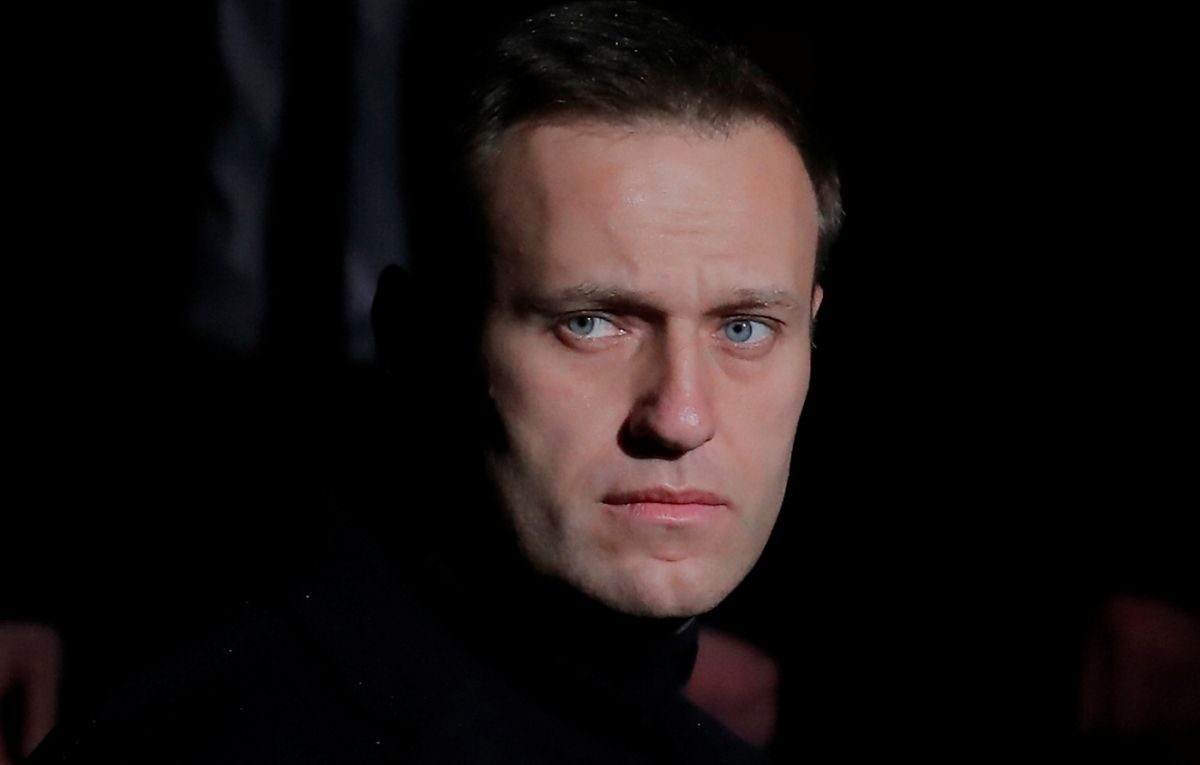
Never has it been like this, and yet here we are again.
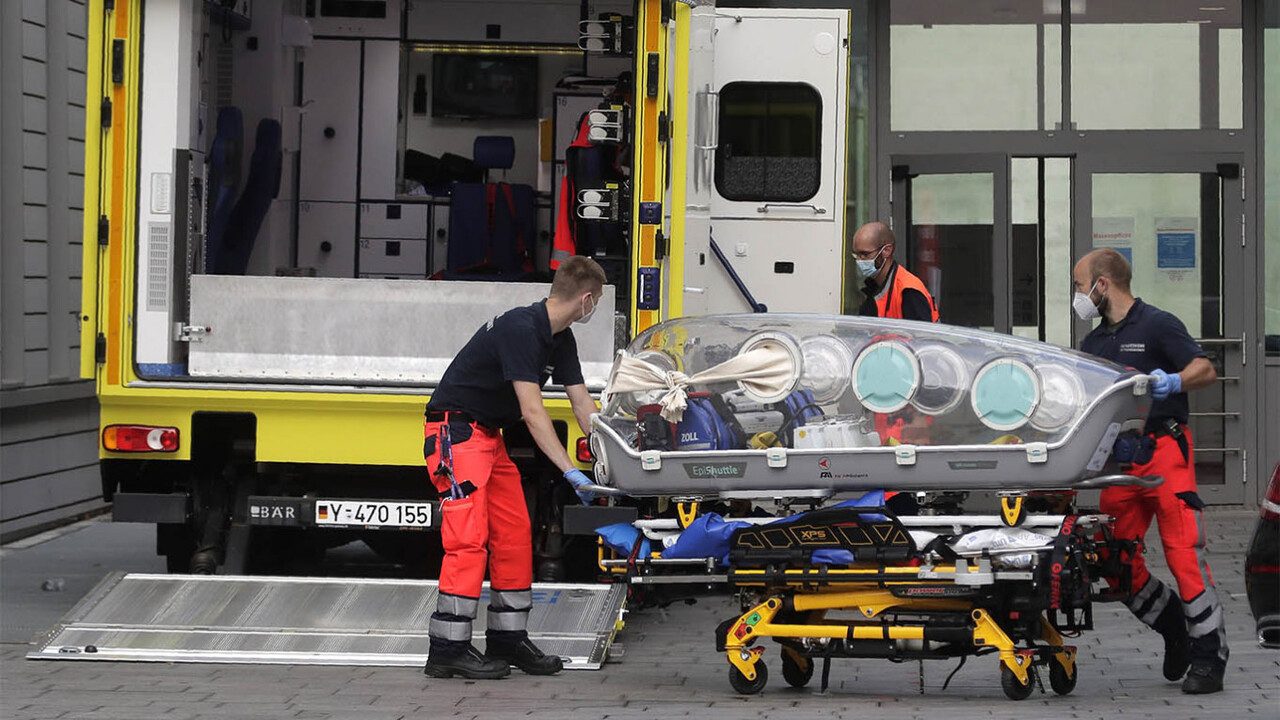
Eleven days have passed since the poisoning of Russian opposition politician Alexei Navalny. During this time he was flown out of Russia for treatment at the Charité clinic in Germany, but he remains in a coma.
The United States, Germany and the European Union suspect Russian authorities of attempting to kill the opposition politician and threaten to impose sanctions if this link is proven. They also call on Russia to assist the investigation and conduct an independent inquiry.
Wolfgang Ischinger, chairman of the influential Munich Security Conference, said in the wake of the incident that the very idea of a strategic partnership between Germany and Russia has come to an end. In his view, relations between the two countries are experiencing a new "low".
US Deputy Secretary of State Stephen Biegun announced that if Russia's guilt is proven, "Washington will take measures that will overshadow the American public's reaction to Russian interference in the 2016 US presidential election". Meanwhile, on August 27 the US already imposed sanctions on 3 Russian research institutes linked to the Russian Ministry of Defense. They were accused of testing and developing chemical and biological weapons.
It is not the first time that the words "poisoning" and "Russia" have appeared in the same sentence on the front pages of world media. And while Russian law enforcement agencies have not even opened a case into the poisoning of the politician (only "conducting a check"), journalists are carrying out their own investigations.
The German magazine Der Spiegel and British investigative journalists at Bellingcat believe the Navalny case is very similar to the incident involving Bulgarian businessman Emilian Gebrev in 2015. He was poisoned twice with an unidentified substance, also fell into a coma and ultimately survived. Bulgarian authorities charged three Russians with poisoning (there was not enough evidence against five others). The probable motive was Gebrev's supplies of weapons to Ukraine and Georgia amid their military conflicts with Russia.
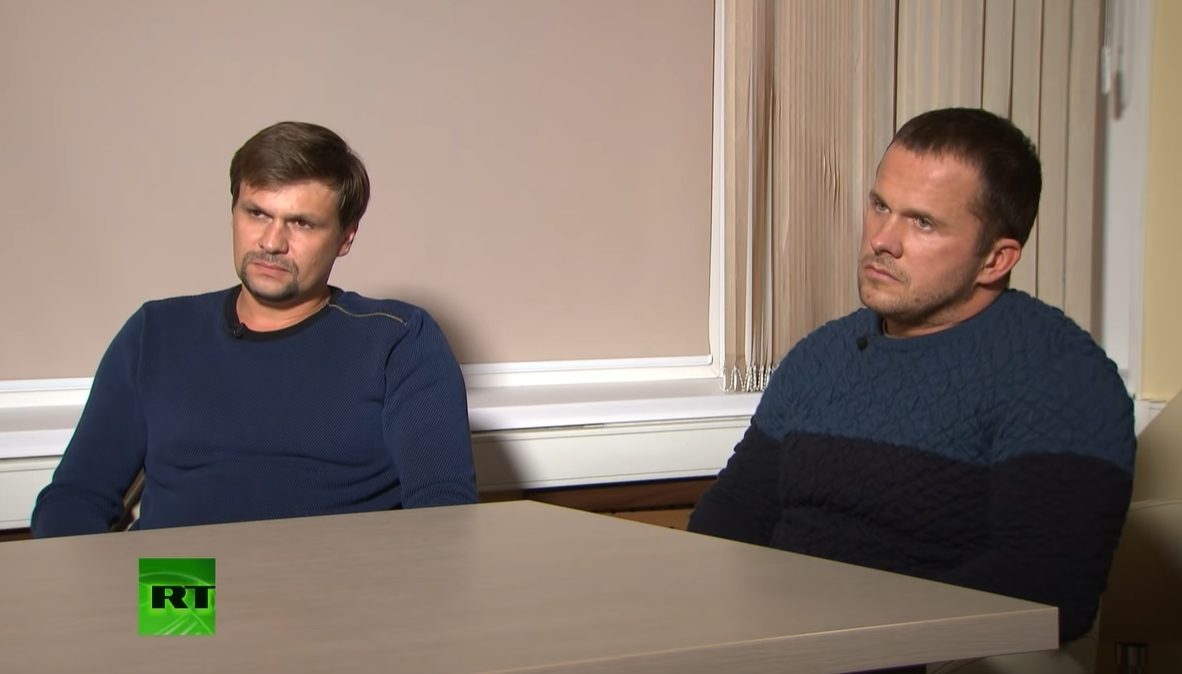
Then in 2018 the whole world talked about the poisoning of former double agent Sergei Skripal and his daughter Yulia in Britain. Two employees of Russian special services are suspected in this incident, who arrived in Salisbury to "see the famous cathedral".
All three cases share a clinical picture of symptoms: pain syndrome, coma, low body temperature. Traces of substances from the organophosphate group (which include both the chemical weapon sarin and insecticides) were also found in the analyses of Navalny, Gebrev and the Skripals. Scientifically they are also called cholinesterase inhibitors, the best known of which is — "Novichok", which became "famous" after it was used to poison the Skripals.
It is unknown whether Gebrev, the Skripals and Navalny were affected by the same substance. But in fact, this does not matter. Because the nature of the poison is the same in each case, even if formally it is called something different. The same Russian "signature" is obvious: in three incidents, three people inconvenient to Russia were poisoned, each time using organophosphates that are hard to trace, that break down quickly in the body, whose traces do not match any known substance, and that attack the nervous system and lead to a coma. In two cases the suspects are Russians, and in the third everything happened entirely in Russia.
It is also worth recalling the "circus" staged by doctors at the Omsk hospital where Navalny was initially admitted. For two days the patient was not allowed to leave the country for treatment abroad, security officers did not let his wife in (because she arrived with a passport but without a marriage certificate), doctors claimed that no traces of poison had supposedly been found in his blood, and Navalny's coma was attributed to "metabolic disorder". But essentially everyone understood that they were simply waiting for the poison to break down enough that it would not be detected in Germany. Still, as we can see, traces of it were found all the same.
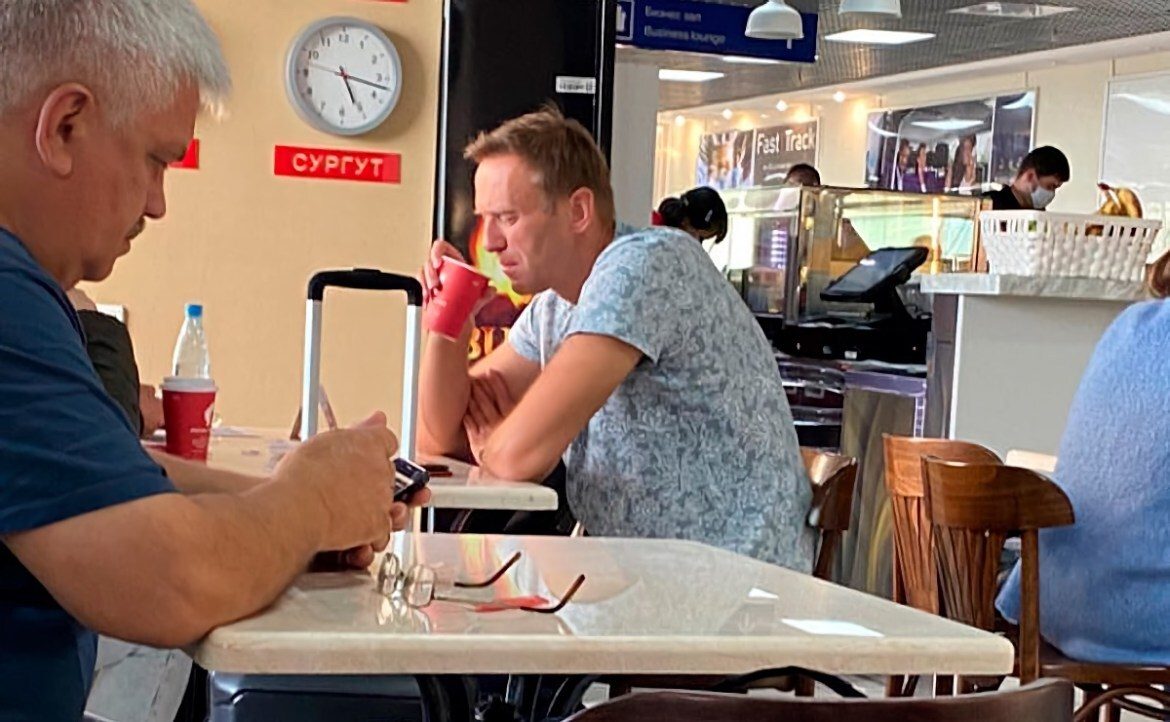
These three poisonings share one more common feature – the way the poison entered the body. According to investigators, Bulgarian businessman Emilian Gebrev was poisoned through the skin: the poison was applied to the door handle of his car. Similarly, in the Skripal case Novichok was on the door handle of their house. It can be assumed that Navalny was poisoned in the same way, and not through tea from a café, which was the main version after his hospitalization (it is hard to imagine anyone could predict where, when and what he would order). But the problem is that the investigation should be conducted by the state where the poisoning occurred. And Russia is not going to deal with this: since the Omsk doctors said there is no poison, there is nothing to investigate.
There is one more similarity between the Skripal and Gebrev poisonings: in both cases the same officer of the Main Intelligence Directorate of the Russian General Staff was seen in the area of the crime. How many GRU employees may have been around the opposition politician on Russian territory is hard even to guess.
However, the Navalny and Gebrev cases differ: the latter had hallucinations for several hours before the coma. The Russian politician fell into a coma quickly, and it is unknown whether he experienced a similar state.
What is happening with the Navalny case now, after German doctors confirmed the fact of poisoning? Russia asked Germany to provide the test results and information about the politician's preliminary diagnosis. Whether this has been or will be done has not yet been reported. Russian law enforcement agencies still have not opened a poisoning case, despite statements filed by Navalny's relatives. Putin's press secretary says there is no reason for an investigation – the man is merely in a coma. The Kremlin also believes there are "no reasons for worsening relations with the West" and states that it is supposedly interested in establishing what happened to the opposition politician.
There is no expectation that Russia will admit involvement in Navalny's poisoning. If responsibility is pinned on state structures, this means Russia is violating the Chemical Weapons Convention, which Novichok or another similar poison falls under. If they try to blame private individuals, it means the country does not control access to such toxic substances. Notably, under the Convention Russia was required to destroy all its stockpiles back in 2017.
Liza Moseichuk, TK Media

Russian Attacks in Dnipropetrovsk Region: Two Killed, Seven Injured

Defense Forces Strike Four Russian Drone Control Points in Past Day, Including in Berdiansk

Britain Threatens Sanctions on Kremlin-Linked People; Poland Ready to Hand Ukraine Ammunition

Russia says it has completed "planned exercises" in the Black Sea

MVD: Fake Riots With Prop Blood Were Being Prepared Near Presidential Office

Law Enforcers Name Another Klitschko Deputy as Suspect

Berlin Holds Protest Against War in Ukraine; EU Prepares for Possible Russian Halt of Gas Supplies
North Korea Fires Ballistic Missile Over Record Distance in Five Years
Irish Fishermen Force Russia to Postpone Naval Drills

US sanctions in case of invasion of Ukraine could completely destroy Russia's economy, NYT reports
