
Threats, Arrests and Criminal Cases: What Is Happening in Belarus Ahead of the Presidential Election
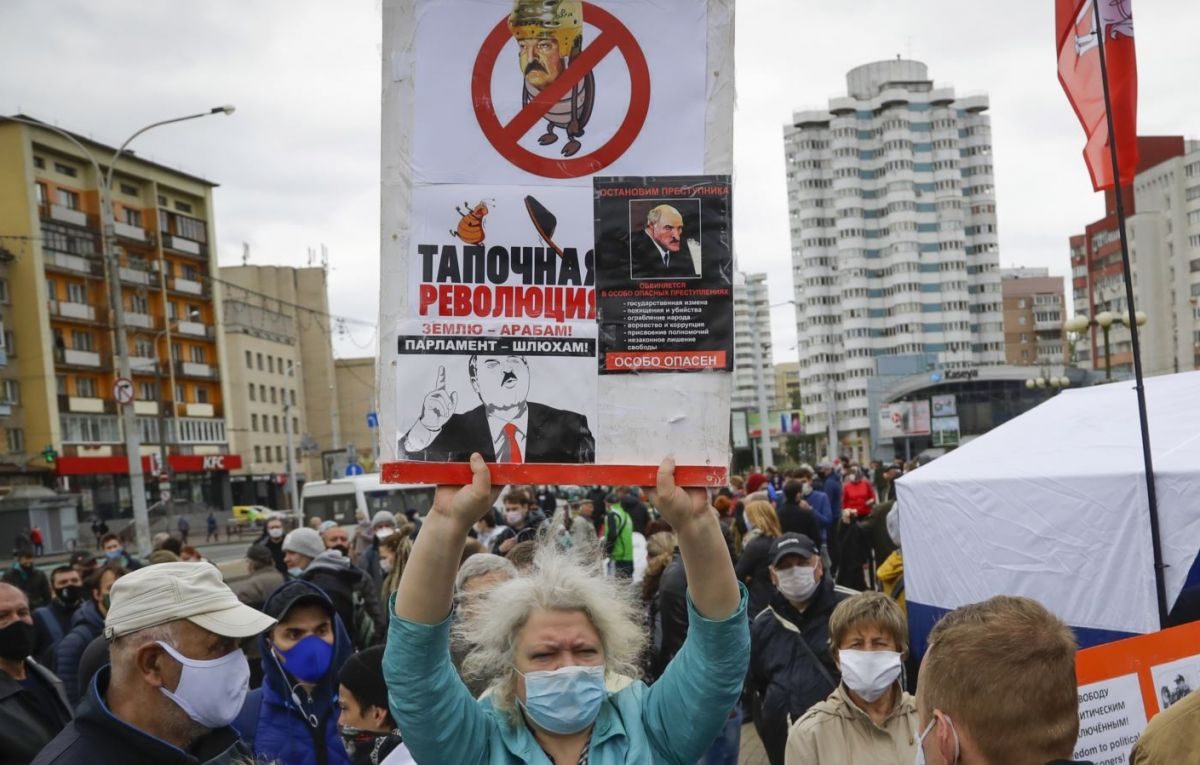
Slipper Revolution or a Sixth Term?
On August 9, presidential elections are scheduled in Belarus. The re-election of Alexander Lukashenko, who has led the country for the past 26 years, seemed like a formality. But it only seemed so — in fact, the election campaign for the leadership of this Eastern European republic is turning out to be very tense.
The first warning sign for Lukashenko came from polls by independent media outlets that dared to ask readers whom they would vote for in the upcoming election. The current head of state was ready to be supported by only 3-6% of respondents.
When protests began across the country against Lukashenko's nomination for a sixth term, and his opponents started collecting hundreds of thousands of signatures amid those kilometer-long lines, it became clear that the current leader of Belarus had indeed found himself in an unpleasant situation.
Lukashenko did not delay his response: he immediately declared that “there will be no Maidans in Belarus”, and set about clearing the political field, removing all his competitors from his path.
Who, if not Lukashenko?
The Central Election Commission must approve the final list of candidates for head of state on July 14, and right now, in addition to Lukashenko, several other potential candidates are actively collecting signatures for registration. Among them, Viktor Babariko, Svetlana Tikhanovskaya and Valery Tsepkalo stand out.
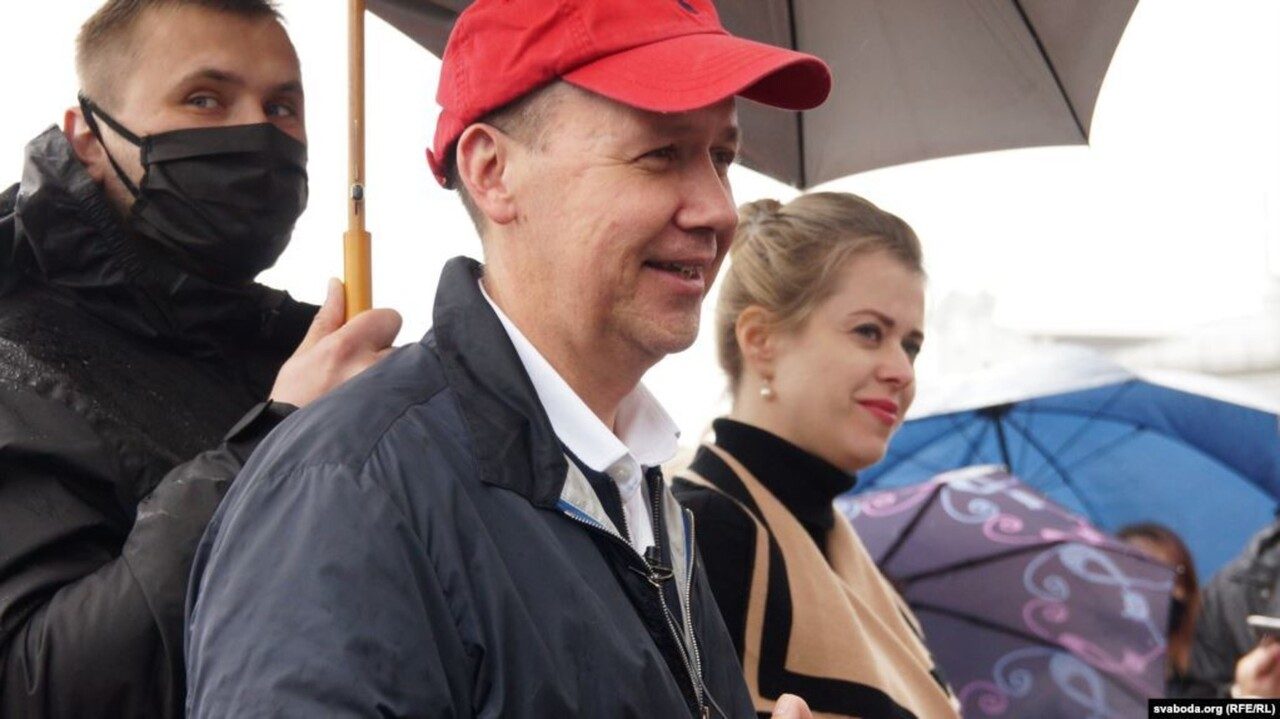
Lukashenko's main rival is considered to be Viktor Babariko — a 56-year-old banker who for a long time headed Belgazprombank (a “subsidiary” of Gazprombank) and later claimed that the bank had been subjected to a corporate raid.
Babariko is a major figure not only in Belarus's economic circles but also in its cultural life: the year before last he financed the publication of 15,000 copies of Svetlana Alexievich's five-volume collection for distribution to libraries (the Nobel laureate has already endorsed his candidacy). He also created the OK16 cultural hub, which features “the most promising independent cultural and social projects in the fields of art, music, education and network technologies.”

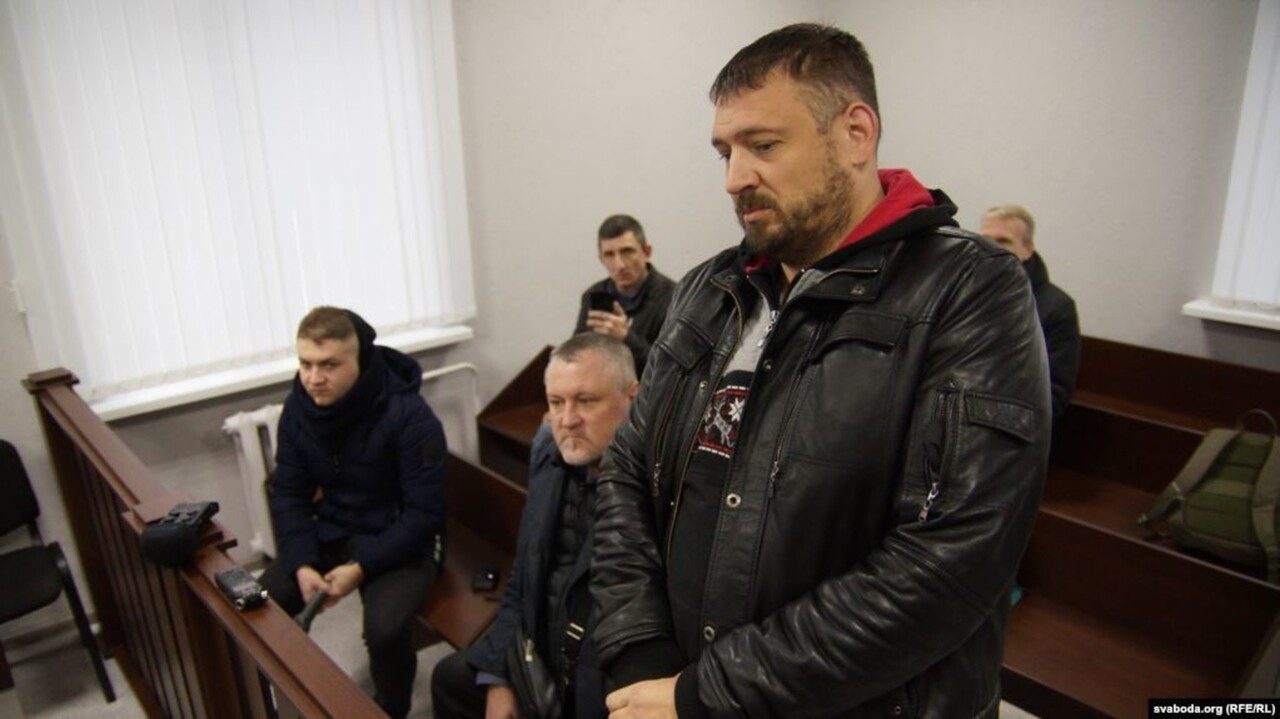
Svetlana Tikhanovskaya, who claims she has already collected the 100,000 signatures needed for registration, is in essence representing her husband, blogger Sergei Tikhanovsky, in the election. After the CEC refused to register the initiative group of the author of the YouTube project “Country for Life” (238,000 subscribers), and Tikhanovsky himself was put in pretrial detention, his wife submitted the registration documents.
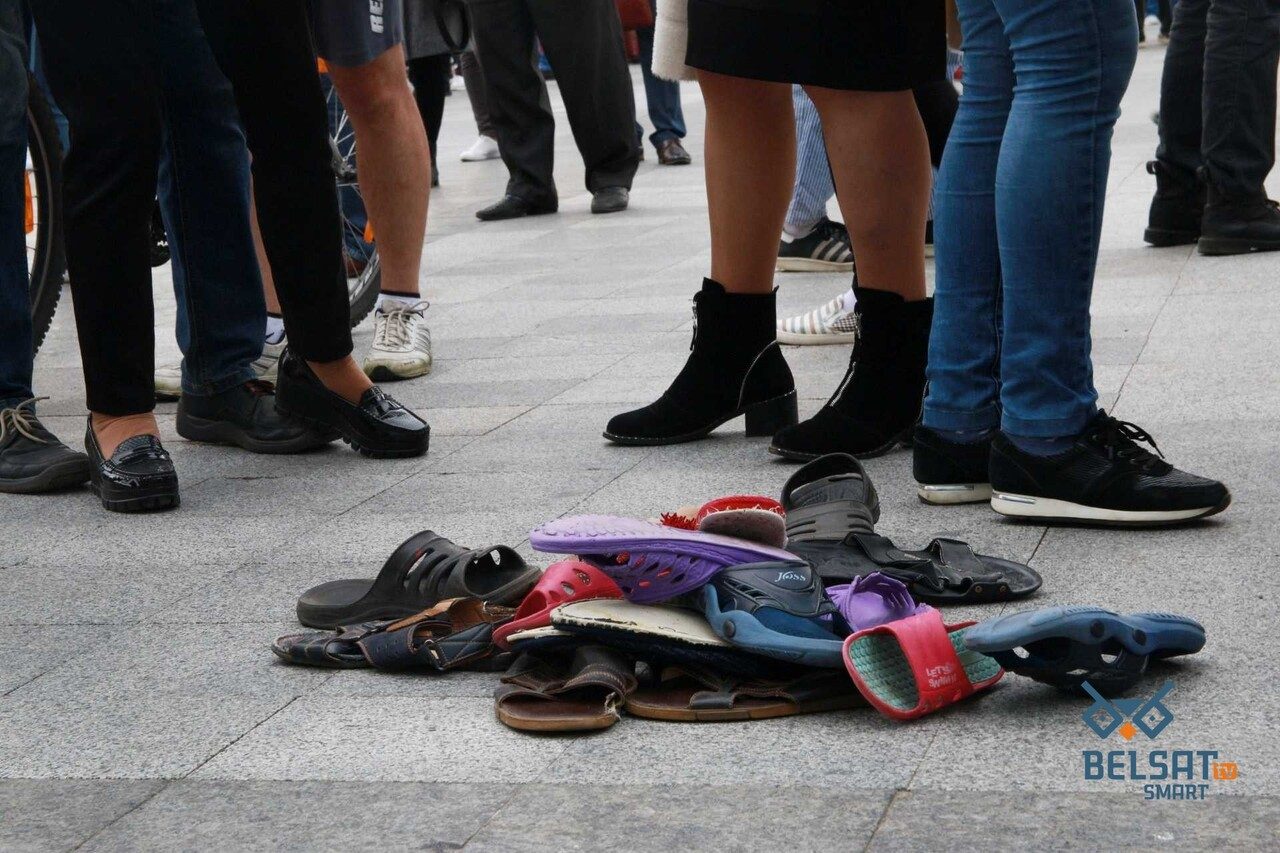
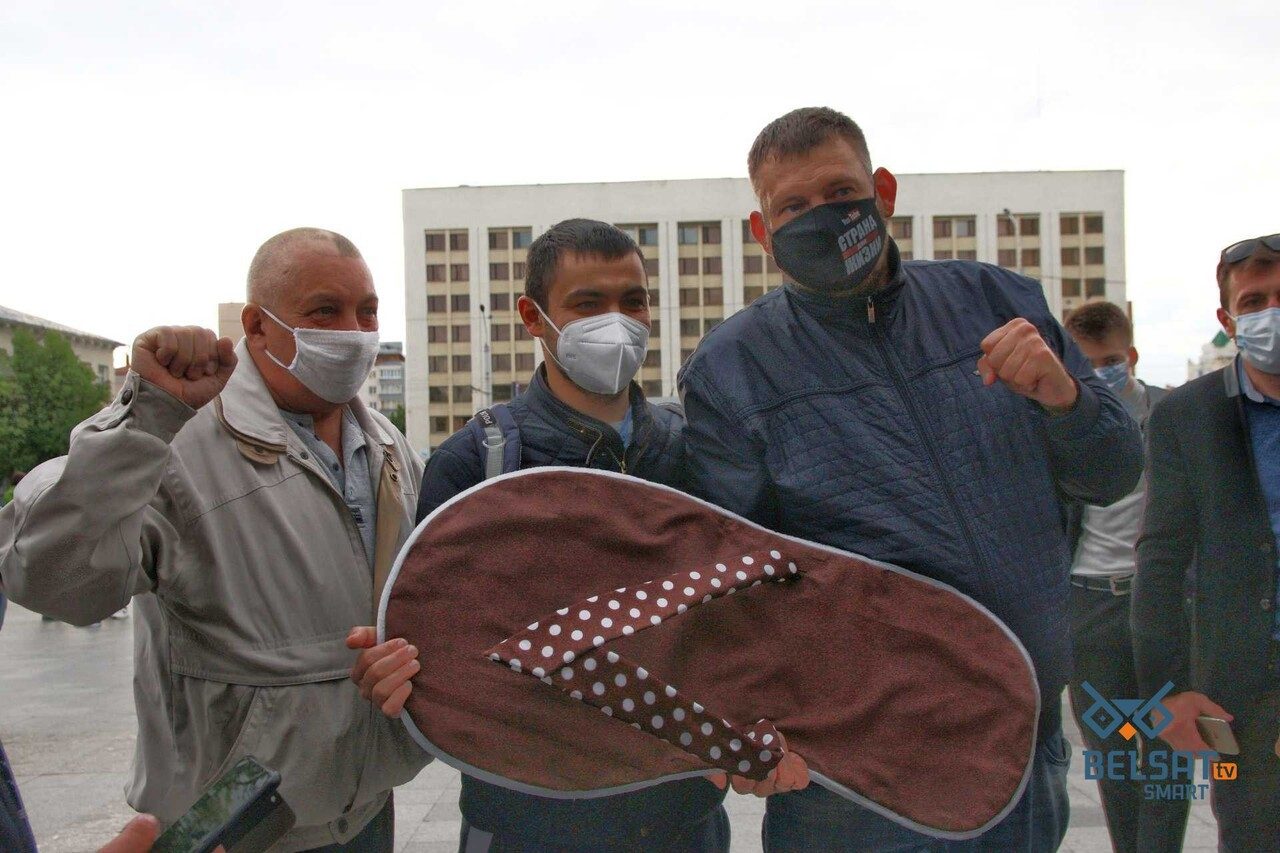
Tikhanovsky is essentially the creator of the so-called “slipper revolution” now taking place in Belarus. It was from his campaign, held under the slogan “Stop the Cockroach”, that the slipper emerged as a symbol of the fight against that very cockroach, to which Lukashenko is compared. And that is precisely why people at Belarusian pickets throw old slippers into piles.
Valery Tsepkalo — a 55-year-old diplomat and former director of the High-Tech Park. His image as a technocratic politician is built around the “Belarusian Silicon Valley”: a man who wants to change something but does not criticize the country's current leader, and one of whose campaign headquarters leaders he was in the 1994 election.
Unlike Babariko, Tsepkalo is not called a Kremlin agent, but he considers Russia a key foreign policy partner, promises to keep Russian as the state language, and assures that the country has “many other ways not to resort to what happened in Ukraine.”
How is the authorities fighting political rivals?
While Valery Tsepkalo continues to travel around Belarus quite comfortably with pickets and to collect signatures in his support, the fate of other — and main — rivals of Lukashenko is far less sunny.
Tikhanovsky, who was detained again on May 29 in Grodno for disturbing public order and assaulting law enforcement officers, was charged in a new criminal case the day before: formally under Article 191 of the Belarusian Criminal Code (obstructing the exercise of electoral rights), but in reality simply for going into the election to change the government. The head of the Belarusian CEC, Lidia Yermoshina, openly says so.
“I was also the initiator of one of the statements against Tikhanovsky, — Yermoshina is quoted by Komsomolskaya Pravda. — This is because this group behaved outrageously. We have always had this period — collecting signatures — take place in a cultured and proper way. Even in 2010, when there were the most high-profile elections.”
Lidia Yermoshina
Tikhanovsky's group sought to destabilize the situation, used the signature collection, and directed it toward changing the government.
Along with Tikhanovsky, seven of his associates are also now in custody. And his wife is already openly hinting that she is ready to withdraw from the election because of the threats she is receiving.
“I am in Gomel. I came here to begin submitting the signatures collected in my support, and on the doorstep of one of the administrations I received a phone call with threats against me and my children, on the condition that I not continue this trip, — Tikhanovskaya said the day before in a video message sent to the editorial office of TUT.BY.
Svetlana Tikhanovskaya
I face a choice — children or further struggle. I think my choice will be obvious. I ask you to treat any decision of mine with understanding. I want to say that if Sergei were free, he would tell you not to give up.
After the Tikhanovskys, the authorities also cracked down hard on Babariko. The approach is similar: a couple dozen arrests of his initiative group, criminal cases, charges of tax evasion and money laundering, searches of his former bank, blocking of the election fund and so on.
On June 18, the blow fell directly on Babariko himself: searches were carried out at his home, and the favorite in the presidential race was detained together with his son Eduard and taken for questioning without his lawyers present.
What to expect at the election?
The current authorities are ready to stop the so-called “Maidanutye” by any means, up to establishing strict control over the internet, as the country's Minister of Information Igor Lutsky has already openly said (“one of the tasks is to shield the population from information that harms the state”). Blows will also be struck against the main independent media outlets popular on YouTube and Telegram, and against crowdfunding platforms such as MolaMola, which was shut down the day before.
Despite the fact that polls by media outside state control show Alexander Lukashenko significantly trailing all three of his main rivals in the upcoming election, even Belarus's liberal-democratic circles do not believe in normal presidential elections — ones with candidates capable of competing with the current head of the republic admitted, and with an honest vote count.
Vasily Obaraz, TK Media

Russian Attacks in Dnipropetrovsk Region: Two Killed, Seven Injured

Defense Forces Strike Four Russian Drone Control Points in Past Day, Including in Berdiansk

Britain Threatens Sanctions on Kremlin-Linked People; Poland Ready to Hand Ukraine Ammunition

Russia says it has completed "planned exercises" in the Black Sea

MVD: Fake Riots With Prop Blood Were Being Prepared Near Presidential Office

Law Enforcers Name Another Klitschko Deputy as Suspect

Berlin Holds Protest Against War in Ukraine; EU Prepares for Possible Russian Halt of Gas Supplies
North Korea Fires Ballistic Missile Over Record Distance in Five Years
Irish Fishermen Force Russia to Postpone Naval Drills

US sanctions in case of invasion of Ukraine could completely destroy Russia's economy, NYT reports
