
US Intelligence Report: Who Could Fight Over Climate Change
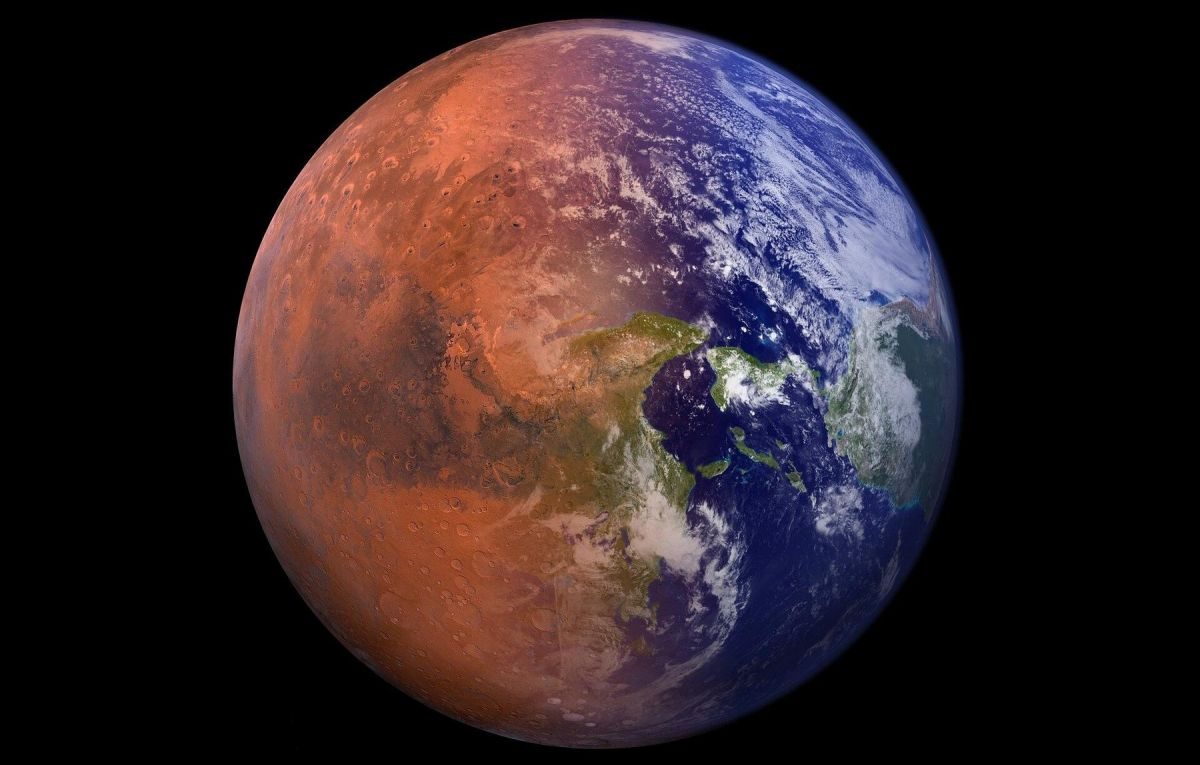
How the climate crisis could affect security by 2040.
Climate change will increase tensions on the international stage. This is stated in a report prepared by several US security agencies, BBC Ukrainian writes.
This report is the first assessment of how the climate crisis could affect national security by 2040. Here are the main points of the report.
What US Agencies Think
Various US agencies believe that countries will argue over how to overcome the climate crisis, and the poorest states will suffer the most, as they have fewer opportunities to adapt to climate change.
The report warns of the danger of geoengineering technologies that some countries are developing and will implement on their own. The 27-page report reflects the position of 18 US agencies concerned about the country’s security.
It is worth noting that the report paints a rather pessimistic picture of the world failing to work together to solve this problem, which could lead to fierce competition between countries and instability.
The report was released ahead of US President Joe Biden’s trip to Glasgow, where he will take part in the COP26 international conference on climate change.
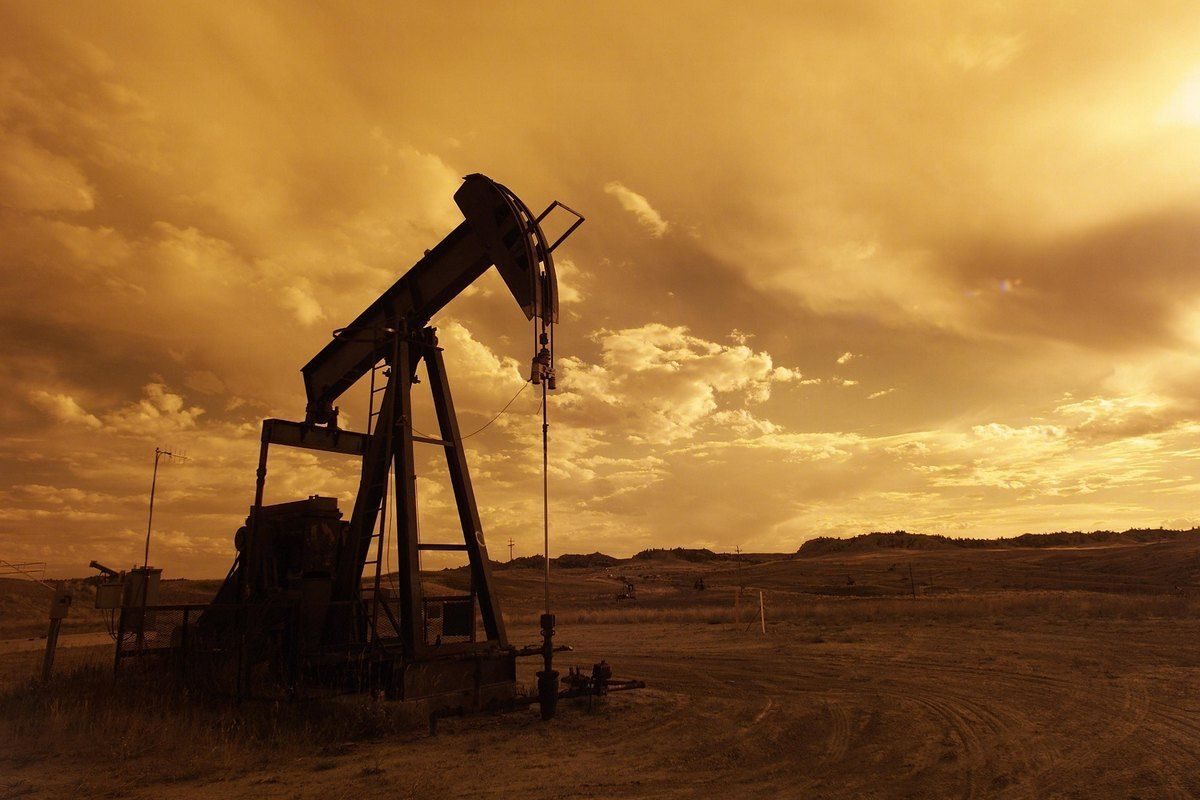
The agencies believe that countries will try to protect their economies on their own by developing new technologies. Some will avoid joint efforts to fight global warming, since about 20 countries earn more than half of their export revenue from goods made with fossil fuels.
“Reduced revenue from fossil fuel sales will exacerbate the situation in Middle Eastern countries. And they will also face the sharpest climate changes,” the report says. It also warns that the effects of climate change will soon be felt around the world.
The Weak Link
US intelligence identifies 11 countries and two regions where particular risks will arise in relation to fuel, food, water and medicine. They are the poorest, so it is hardest for them to adapt to change. It is in these countries that pockets of instability and internal conflicts will emerge.
In addition, heat waves and droughts pose threats to critical infrastructure, for example, the electricity supply system. Five of these countries are in South and East Asia: Afghanistan, Burma, India, Pakistan and North Korea.
Four more countries from the Central America and Caribbean region are Guatemala, Haiti, Honduras and Nicaragua. Colombia and Iraq, a number of countries in Central Africa, and island states in the Pacific Ocean are also at risk.
Instability in these countries, along with migrant flows, will spread across the world, creating new humanitarian challenges.
A ‘Hot’ Spot
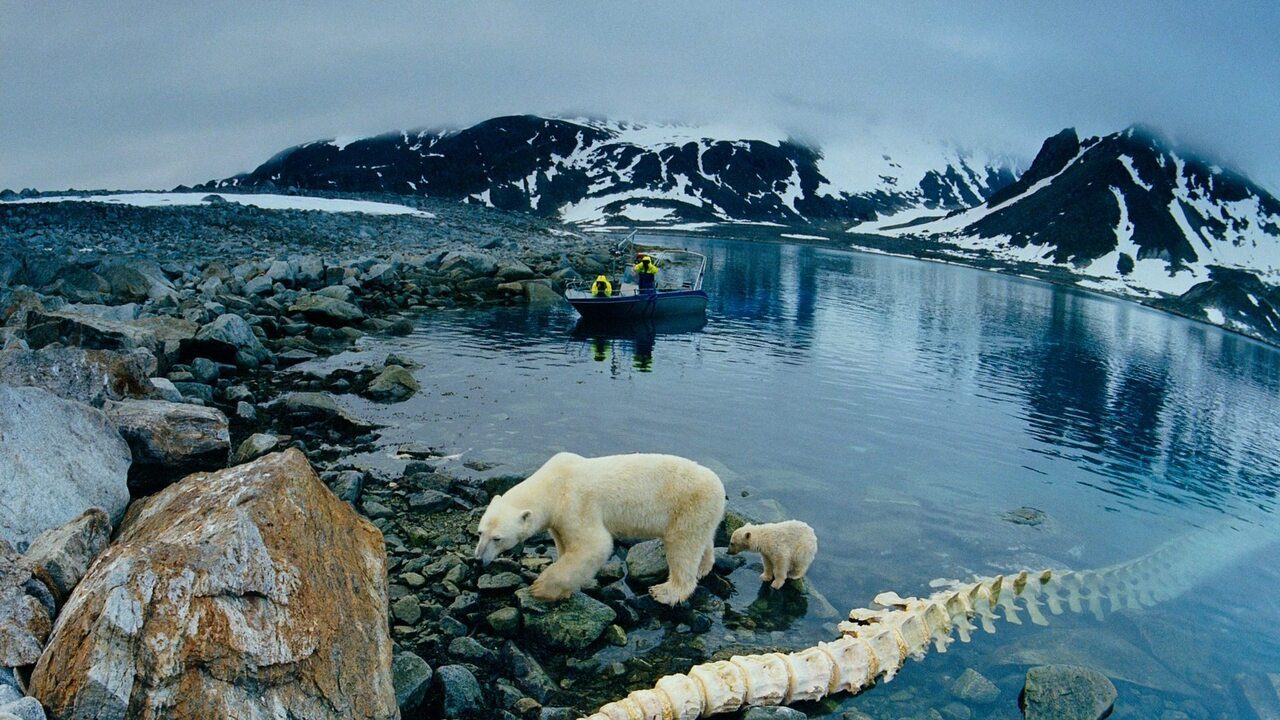
The cold Arctic could become one of the ‘hot’ spots, as warming causes the ice there to melt and the region becomes more accessible. This will open access to new trade routes, fish stocks and more. However, it will also lead to a greater military presence in the region.
Access to water could be another source of problems. In the Middle East and North Africa, most water resources (more than 60%) are located in the territory of several states, and rivers cross borders.
As a result, Pakistan and India are already engaged in a prolonged conflict. The waters of the Mekong River could cause problems between China, Cambodia and Vietnam.
Geoengineering
Another source of risk may be that some countries decide to use geoengineering to combat climate change.
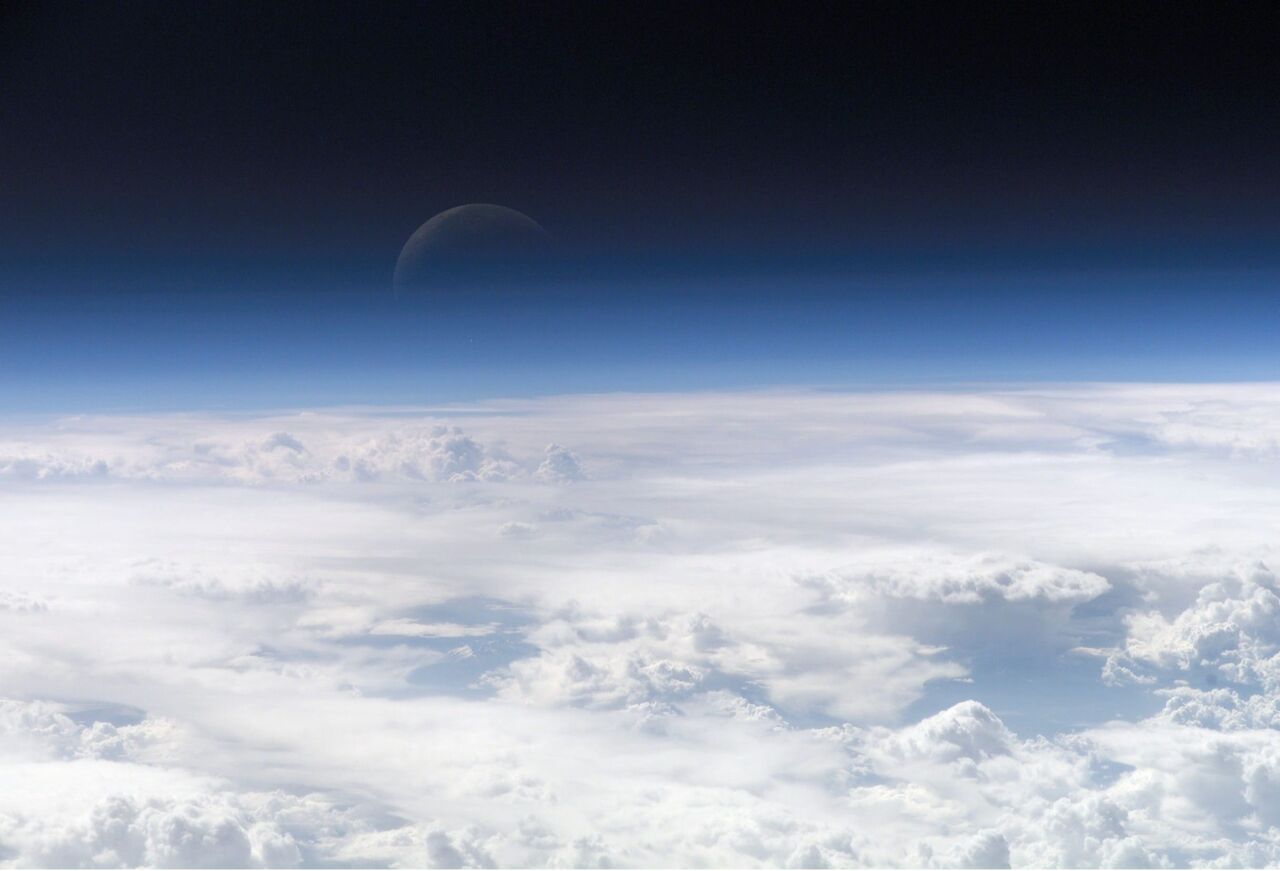
This refers to future technologies such as sunlight management, spraying aerosols into the stratosphere that would cool air in the lower layers of the atmosphere (as happens, for example, during volcanic eruptions), and local increases in soil biomass.
If one country begins using such technologies without agreement with others, climate problems may simply “shift” to another region. For some countries, this could mean even more negative consequences of climate change than they already face.
Today, these technologies are being researched in the US, a number of EU countries, the UK, Russia, China and Australia. So far, there are few regulations or rules on their use.
Cooperation
The report’s authors believe that there are still ways to avoid such a course of events. However, these are paradoxical.
For example, geoengineering may be a problem in the hands of a single country, but if countries act together, thoughtfully and according to rules, it could help in the fight against climate change.
An environmental catastrophe could also occur that pushes countries to cooperate if they have so far acted selfishly. The appearance of such a report suggests that climate change is moving onto the agenda of security institutions.
The director of the British Centre for Climate and Security said: “Governments increasingly recognise that climate change is shaping national security as never before.”

Russian Attacks in Dnipropetrovsk Region: Two Killed, Seven Injured

Defense Forces Strike Four Russian Drone Control Points in Past Day, Including in Berdiansk

Britain Threatens Sanctions on Kremlin-Linked People; Poland Ready to Hand Ukraine Ammunition

Russia says it has completed "planned exercises" in the Black Sea

MVD: Fake Riots With Prop Blood Were Being Prepared Near Presidential Office

Law Enforcers Name Another Klitschko Deputy as Suspect

Berlin Holds Protest Against War in Ukraine; EU Prepares for Possible Russian Halt of Gas Supplies
North Korea Fires Ballistic Missile Over Record Distance in Five Years
Irish Fishermen Force Russia to Postpone Naval Drills

US sanctions in case of invasion of Ukraine could completely destroy Russia's economy, NYT reports
