
ECHR may recognize April 30, 2014 as start date of Russia's occupation of part of Donbas, — EP
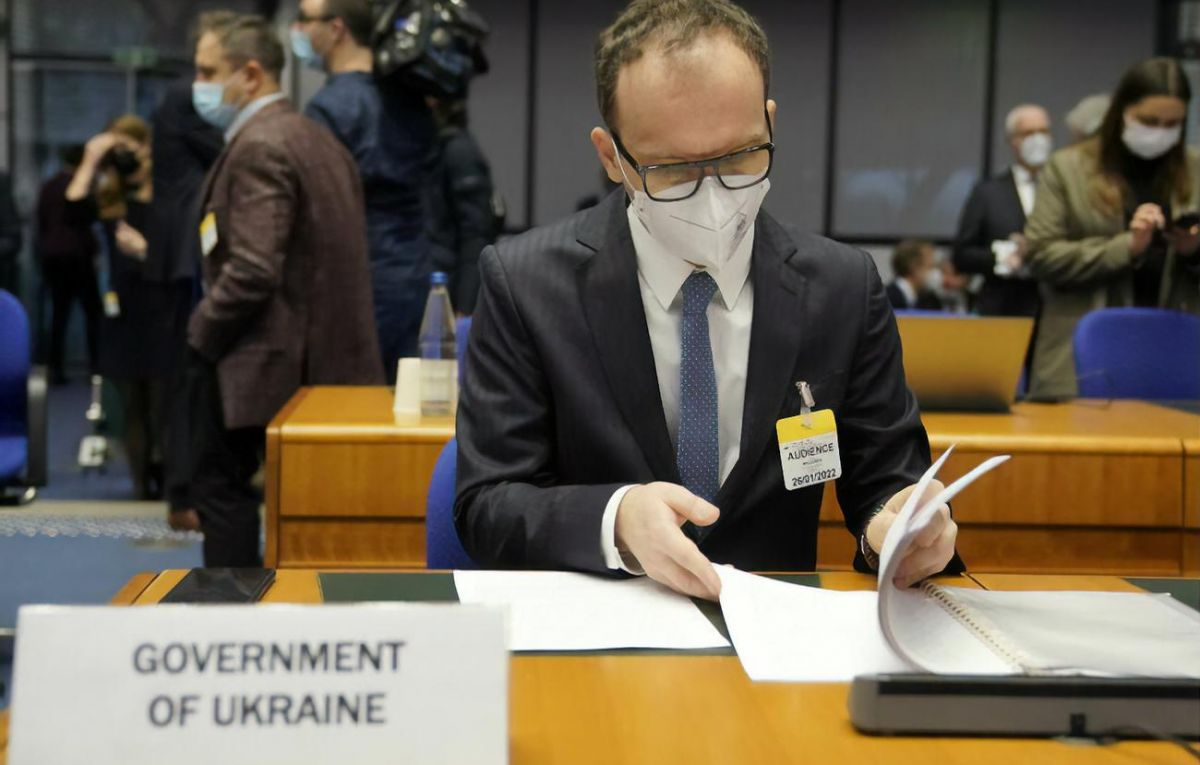
ECHR Grand Chamber has begun considering the inter-state case Ukraine and the Netherlands v. Russia.
This week in Strasbourg, an important, even landmark event for Ukraine took place: the Grand Chamber of the European Court of Human Rights (ECHR) began considering the inter-state case Ukraine and the Netherlands v. Russia and held public hearings on the matter, "questioning" Russian, Ukrainian and Dutch representatives alike. This is reported by Yevropeyska Pravda.
The start of consideration of this inter-state case suggests that the court will establish April 30, 2014 as the start date of Russia's occupation in Donbas.
As noted, at the hearing Russia demonstrated both a lack of substantive objections and obvious problems with professionalism in Russia's representation at the ECHR.
"This means one can be confident that a significant part of Ukraine's complaint will be upheld, at least at the intermediate stage, that is, regarding admissibility. And this stage is key for us," the article says.
In particular, at this stage the court may define the temporal and territorial framework of Russia's "effective control" in Donbas; this was the focus of most of the remarks by the British lawyer working on the Ukrainian government team, Ben Emmerson, as well as his comments following the judges' questions.
Ukraine, according to Emmerson, identified two key dates. The first is April 14, 2014, three days after Russian special services seized Sloviansk. At that time Ukraine's ultimatum to these militants expired and control of the city was lost.
"The second date is April 30, when acting President Turchynov acknowledged that Ukraine had lost control (over part of Donbas) and the Armed Forces of Ukraine would not be able to restore it," — said the British lawyer.
As noted, April 30 is precisely the key date, after which one can speak of a period of unconditional control.
"It is realistic to expect that the court will legally recognize precisely this date as the start of Russia's occupation of Donbas. After that, a considerable territory of the so-called DPR and LPR, including regional centers, never returned under Kyiv's control" — the article says.
The main question the court must answer: does Russia bear direct responsibility for the deaths of people in the crash of Malaysia Airlines flight MH17, as well as for other human rights violations in eastern Ukraine in 2014.
The Ukrainian team hopes that at least some of Russia's crimes will be taken up by the ECHR.
Zelensky: Russia Used 115 Missiles, Nearly 1,900 Guided Bombs and Over 3,000 Drones in a Week
Attack on Major DTEK Energy Facility in Northern Odesa Region Leaves Some Families Without Power

Britain Threatens Sanctions on Kremlin-Linked People; Poland Ready to Hand Ukraine Ammunition

Russia says it has completed "planned exercises" in the Black Sea

MVD: Fake Riots With Prop Blood Were Being Prepared Near Presidential Office

Law Enforcers Name Another Klitschko Deputy as Suspect

Berlin Holds Protest Against War in Ukraine; EU Prepares for Possible Russian Halt of Gas Supplies
North Korea Fires Ballistic Missile Over Record Distance in Five Years
Irish Fishermen Force Russia to Postpone Naval Drills

US sanctions in case of invasion of Ukraine could completely destroy Russia's economy, NYT reports
