
In Australia, an Artificial 'Brain' Was Created: It Quickly Learned to Play Pong and 'Considers Itself a Racket' in 'The Matrix'
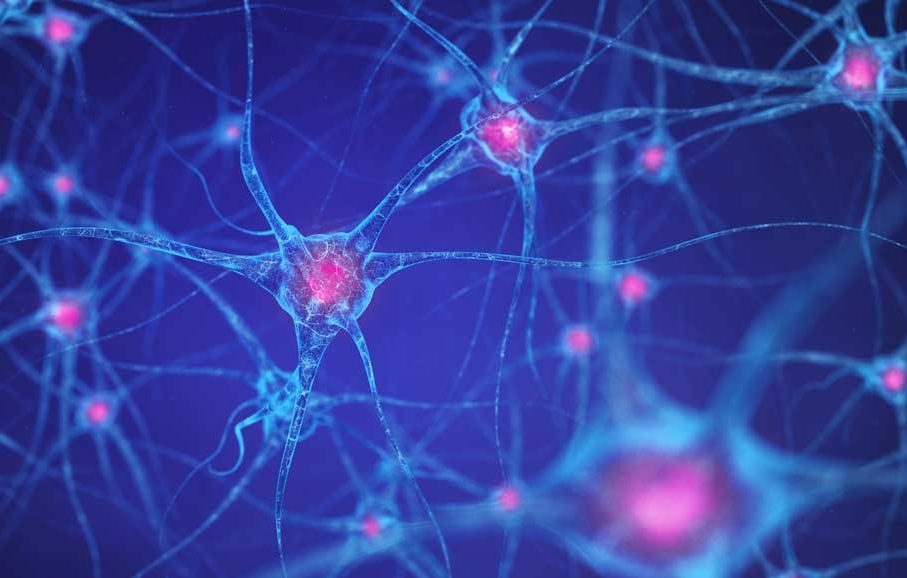
A tiny organoid sits in a Petri dish. Researchers already predict a path to creating 'synthetic intelligence.'
In a private laboratory, Cortical Labs in Australia created a tiny brain from a layer of neurons in a Petri dish, which learned to play Pong after 10-15 stimulation sessions. This is reported by New Scientist
Learning the game requires existing 'artificial intelligence' about 500 times more attempts: around 1.5 hours versus five minutes for the layer of cells.
The creators of the Dishbrain system placed about 1 million live human brain cells on a microelectrode array to stimulate them and record their cellular activity.
As the researchers explained, they embedded the neurons in a simulated game world of an arcade tennis video game for one player.
To teach the mini-brain the game, electrical pulses were sent to one part or the other of the sensor, 'pointing out' to the neurons where the ball was. After a certain number of attempts, the neurons in the system supposedly 'understood' and began moving the paddle-racket.
In a comment to the publication, Cortical Labs chief scientist Brett Kagan said their system could be called a 'cyborg brain' that 'lives in the world of the Matrix'. In the game, the neurons 'consider themselves' a racket.
It is reported that the learning 'was evident within five minutes of real-time processing and had statistically robust differences from the control'.
Even without significant filtering of cellular activity, the neurons showed the ability to self-organize in response to minimal sensory data about the consequences of their actions.
The authors note that although DishBrain requires hardware and software, they demonstrated the computational power of neurons for adaptive learning through active exchange with the sensor.
'A layer of neurons in vitro can self-organize and demonstrate intelligent behavior in a reproducible game world. This is the biggest step to date toward achieving synthetic intelligence capable of true generalized intelligence,' the study authors write.
Meanwhile, when it comes to competing in video games, organoids would currently lose to an artificial neural network of the DeepMind type.

Russian Attacks in Dnipropetrovsk Region: Two Killed, Seven Injured

Defense Forces Strike Four Russian Drone Control Points in Past Day, Including in Berdiansk

Britain Threatens Sanctions on Kremlin-Linked People; Poland Ready to Hand Ukraine Ammunition

Russia says it has completed "planned exercises" in the Black Sea

MVD: Fake Riots With Prop Blood Were Being Prepared Near Presidential Office

Law Enforcers Name Another Klitschko Deputy as Suspect

Berlin Holds Protest Against War in Ukraine; EU Prepares for Possible Russian Halt of Gas Supplies
North Korea Fires Ballistic Missile Over Record Distance in Five Years
Irish Fishermen Force Russia to Postpone Naval Drills

US sanctions in case of invasion of Ukraine could completely destroy Russia's economy, NYT reports
