
China Scraps Fines for Third Child: What Its Child Policy Used to Be and Why
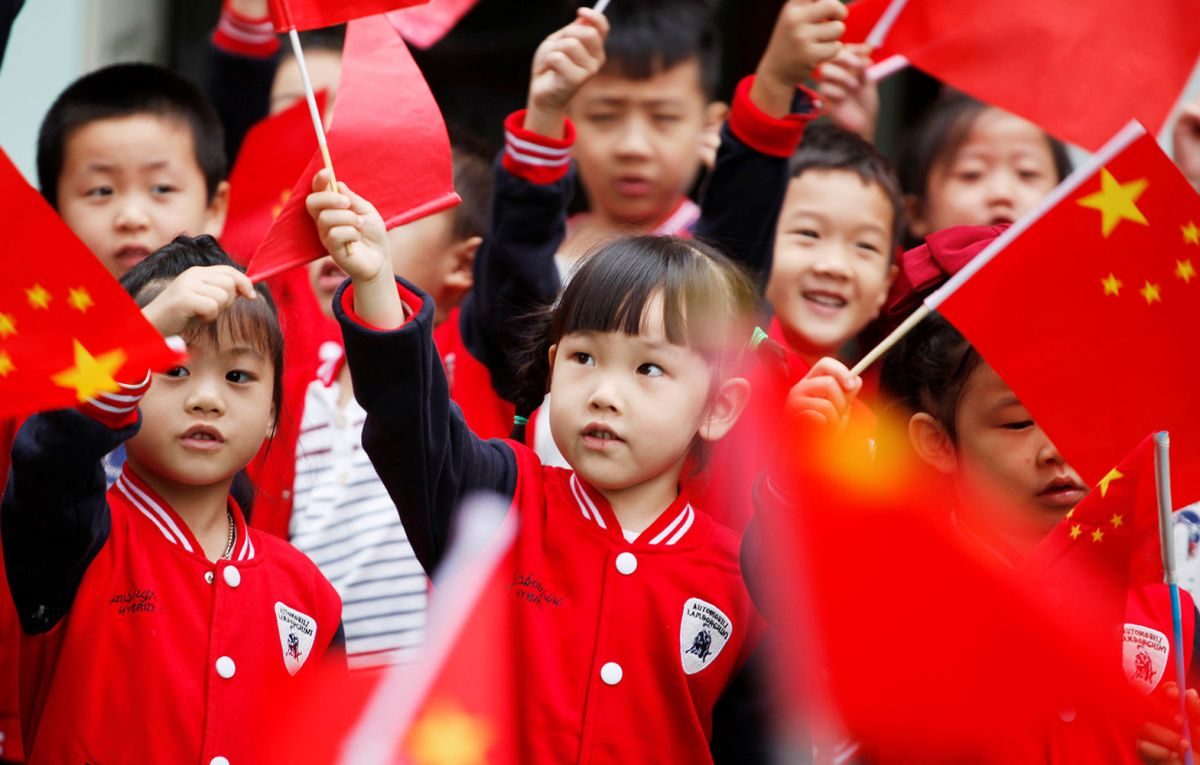
Concern is growing in the country over falling birth rates and the early aging of the population.
China has officially allowed couples to have three children, as concern grows in the country over low birth rates. Here is what China's child policy used to be and why.
"One-Child Policy"
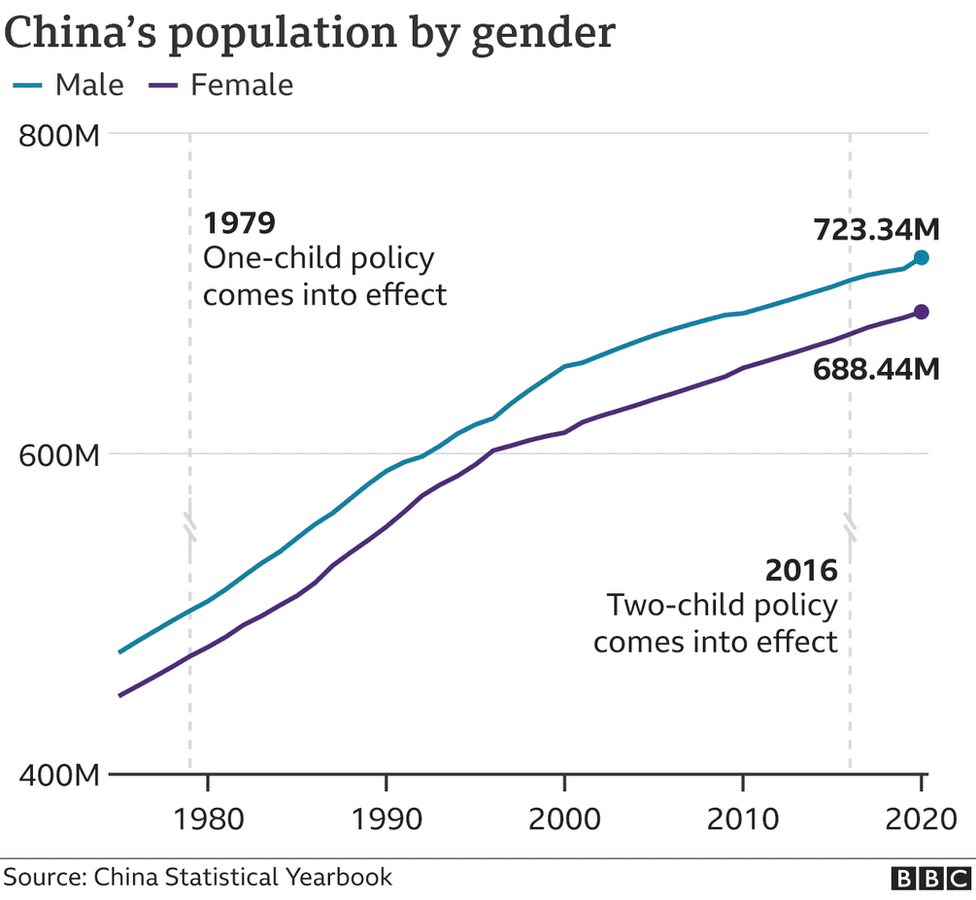
In 1979, China introduced the one-child policy: couples faced fines, job loss and forced abortions if they had more than one child. Initially, the decision was welcomed as a success by Chinese authorities.
Officials claimed the policy prevented 400 million additional births in the world's most populous country, saving resources and accelerating economic growth.
However, it led to a massive gender imbalance, as pregnancies with girls were terminated due to the preference for sons.
Two Children per Family
In 2016, Chinese authorities changed the law and allowed two children per family, as the dangers of an aging population became more apparent.
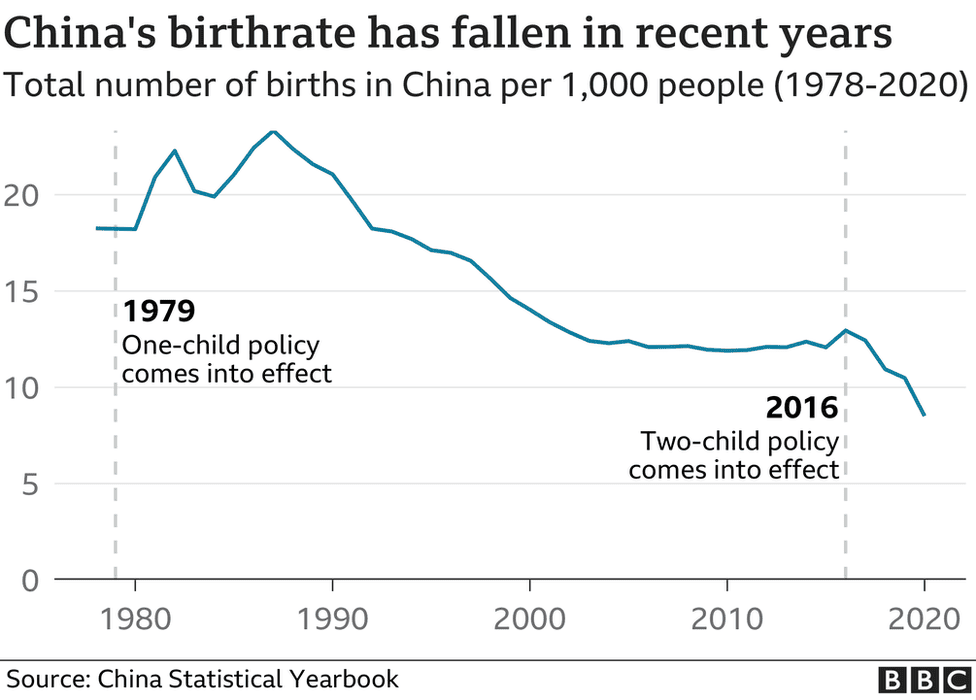
The number of people of working age in China has shrunk, and population growth remained low: in 2020, 12 million babies were born. This is a significant drop compared with 18 million in 2016.
The working-age population fell from 70.1% to 63.3% over the past 10 years, while the share of Chinese people over 60 rose to 18.7% in the period from 2010 to 2020.
The end of the one-child policy initially boosted the birth rate, but this increase soon disappeared.
Permission for Three Children
The National People's Congress amended the Law on Population and Family Planning. The Standing Committee of the National People's Congress said fines would no longer be imposed for violating the previous two-child limit.
The committee also called for new measures in finance, taxation, school education, housing and employment to "ease the burden on families".
Experts say China could completely lift restrictions on birth rates. However, such a step could potentially lead to other problems, including inequality between urban and rural residents.
Women living in major cities (such as Beijing and Shanghai) may wish to postpone or avoid childbirth, while rural residents will follow traditions and have large families.
China is not the only country facing the consequences of an aging population and falling birth rates. Other countries in Asia and Europe face the same problem.
High-income countries such as Japan and Germany can use investments and foreign assets, while China relies on labor-intensive sectors: agriculture and manufacturing.

Russian Attacks in Dnipropetrovsk Region: Two Killed, Seven Injured

Defense Forces Strike Four Russian Drone Control Points in Past Day, Including in Berdiansk

Britain Threatens Sanctions on Kremlin-Linked People; Poland Ready to Hand Ukraine Ammunition

Russia says it has completed "planned exercises" in the Black Sea

MVD: Fake Riots With Prop Blood Were Being Prepared Near Presidential Office

Law Enforcers Name Another Klitschko Deputy as Suspect

Berlin Holds Protest Against War in Ukraine; EU Prepares for Possible Russian Halt of Gas Supplies
North Korea Fires Ballistic Missile Over Record Distance in Five Years
Irish Fishermen Force Russia to Postpone Naval Drills

US sanctions in case of invasion of Ukraine could completely destroy Russia's economy, NYT reports
