
Chip Shortage: Carmakers Cut Production as Crisis May Last Another Year
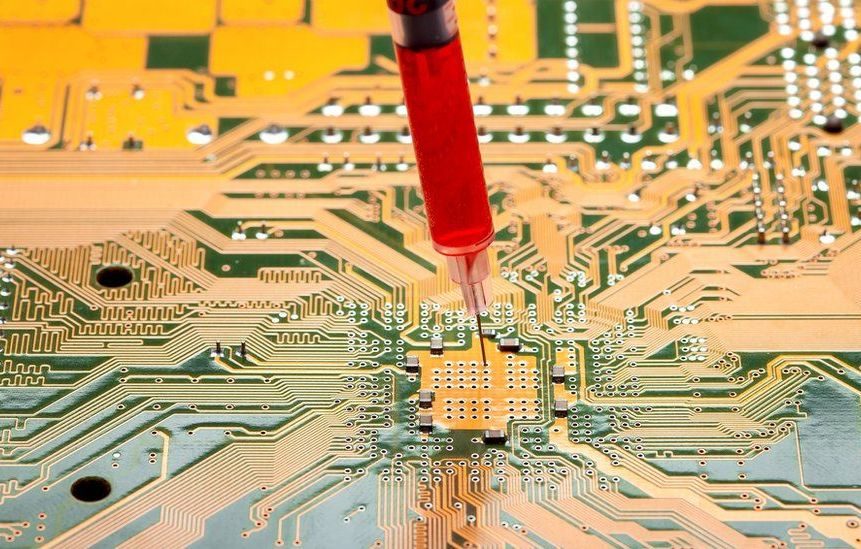
How it all began, what the threat is and how long the chip crisis will last — we have put it all together in one article.
Since the coronavirus pandemic and the lockdowns that followed, demand for smartphones, laptops, game consoles and televisions has been rising worldwide.
However, chipmakers were unable to adequately meet such high demand, which triggered a chain of production disruptions not only for gadgets but also in the automotive sector.
We look at what is behind the new crisis, how long it will last and where it could ultimately lead.
Causes of the Semiconductor Shortage
2020 changed the established way of life almost everywhere in the world: lockdowns across the globe not only caused a surge in the digital entertainment industry, such as streaming services, but also moved millions of people from their usual offices to remote work.
As a result, the growth in sales of laptops, televisions, consoles and other devices broke all records.
In turn, this led to a shortage in the production of the main electronic components of all gadgets — semiconductor chips. The two largest chipmakers, TSMC and Samsung, faced maximum workloads at their plants, but still failed to supply the market with the necessary amount of products.
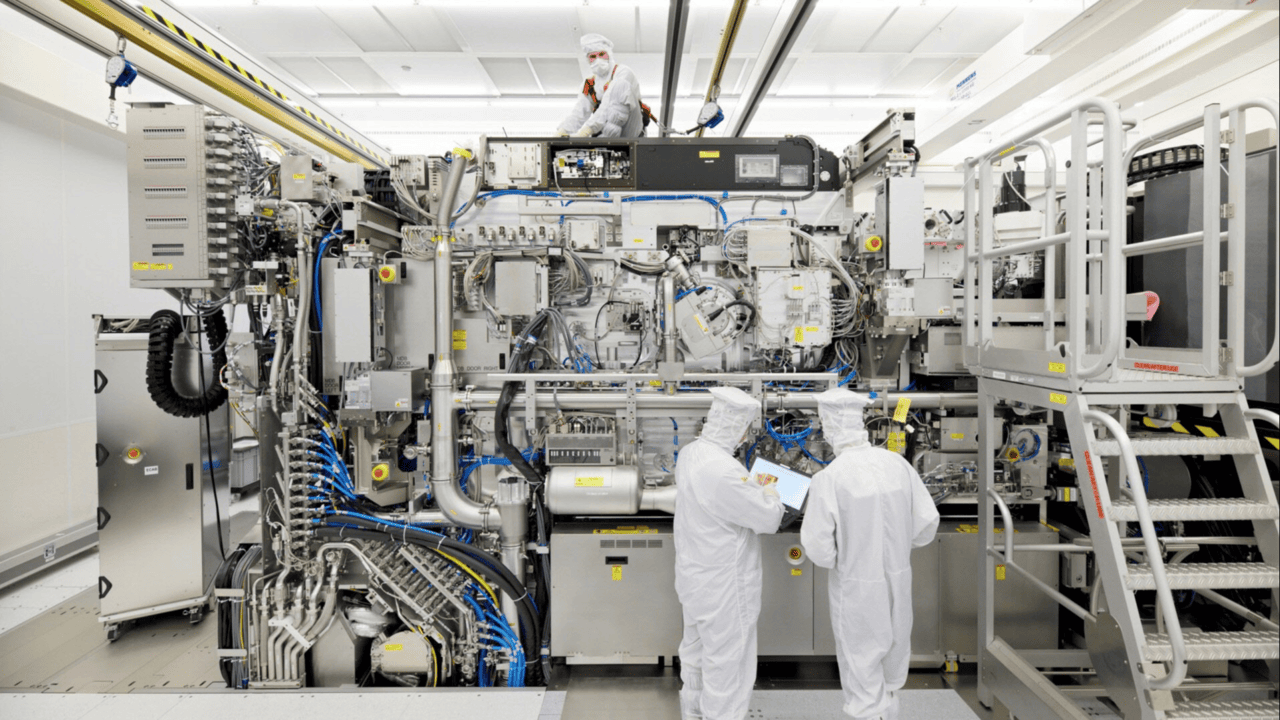
However, the coronavirus was not the only factor. The "trade wars" between the United States and China also played a role, along with a number of technogenic factors.
For example, US sanctions against Chinese technology companies prompted Huawei Technologies, one of China's largest electronics manufacturers, to start stockpiling semiconductors in advance to soften the impact of the sanctions, which led to the same response from other local manufacturers.
In Taiwan, home to TSMC, the world's largest semiconductor manufacturer, 2020 saw the worst drought in half a century. As a result, the plant was left almost without water.
In Texas, where many American chip plants are located, unusual snow and frost this March led to rolling blackouts, and consequently to plant shutdowns, which caused disruptions throughout the production chain.
Where Things Stand Now
Currently, chip delivery delays for major electronics manufacturers range from three months, while smaller companies may have to wait up to a year — many tech startups have been forced to shelve their projects.
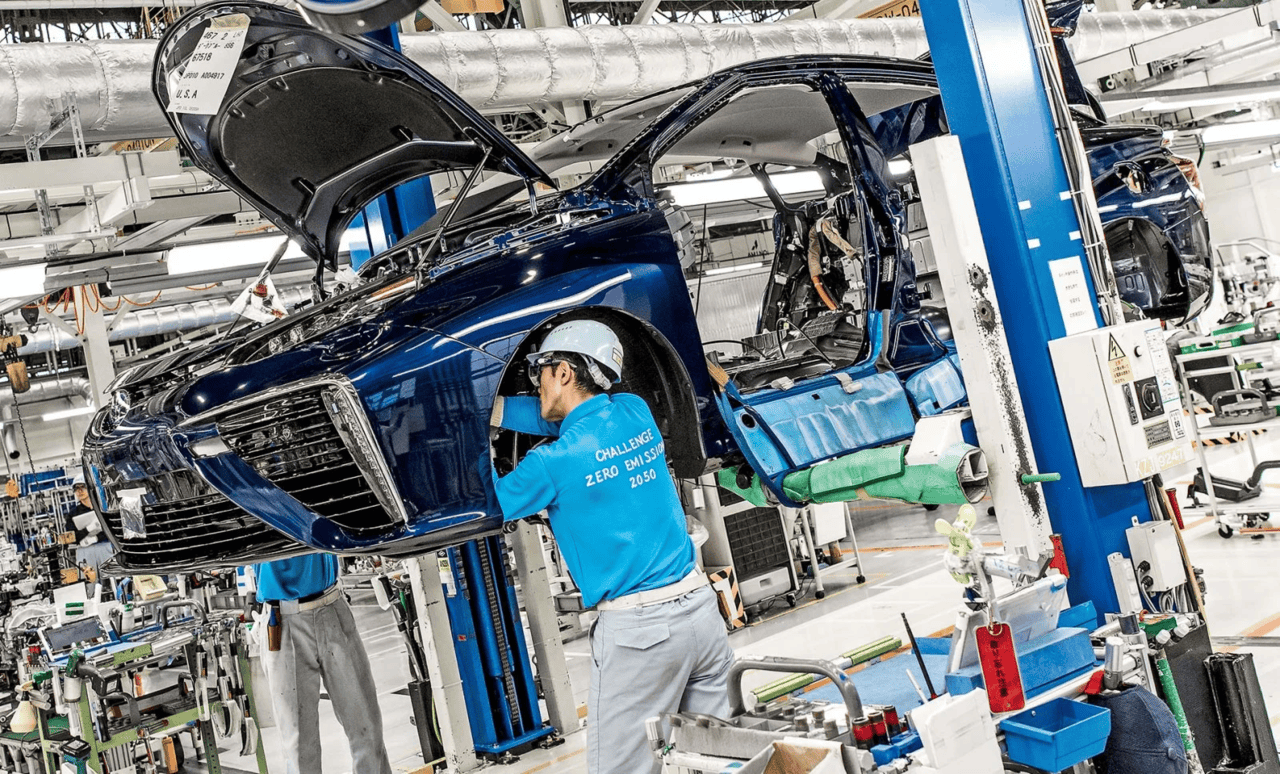
The automotive sector has also been hit: according to the latest data, Toyota will cut car production by 40% starting in September. Throughout this period, difficulties, disruptions or downtime have been observed at factories of Ford, General Motors, Hyundai, Toyota and Volkswagen. In the US, auto production lines may sit idle for weeks, and job cuts have also begun.
Due to the enormous demand, chipmakers raised prices on their products by an average of 30%. As a result, prices of laptops and smartphones went up.
When the Crisis May End
According to various forecasts, the semiconductor shortage will last until mid-2022 or until early 2023.
TSMC itself is confident that the shortage will persist into 2022, and that reaching stable performance requires raising spending, launching new production lines and adjusting the company's future plans.

Russian Attacks in Dnipropetrovsk Region: Two Killed, Seven Injured

Defense Forces Strike Four Russian Drone Control Points in Past Day, Including in Berdiansk

Britain Threatens Sanctions on Kremlin-Linked People; Poland Ready to Hand Ukraine Ammunition

Russia says it has completed "planned exercises" in the Black Sea

MVD: Fake Riots With Prop Blood Were Being Prepared Near Presidential Office

Law Enforcers Name Another Klitschko Deputy as Suspect

Berlin Holds Protest Against War in Ukraine; EU Prepares for Possible Russian Halt of Gas Supplies
North Korea Fires Ballistic Missile Over Record Distance in Five Years
Irish Fishermen Force Russia to Postpone Naval Drills

US sanctions in case of invasion of Ukraine could completely destroy Russia's economy, NYT reports
