
COP26: Why the Glasgow Climate Summit Matters to the Whole World
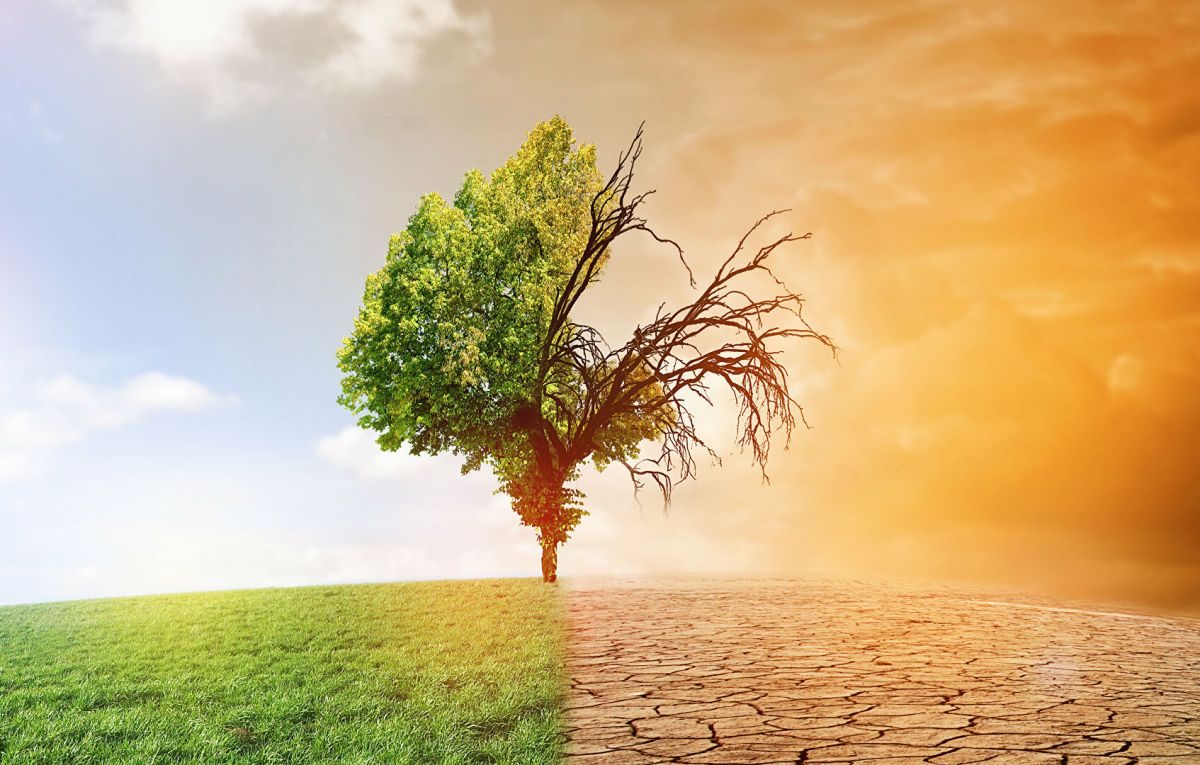
The conference will be attended by 20,000 people from more than 200 countries around the world.
COP26 is the largest international conference on climate change since the Paris summit. Two very different people have voiced two statements describing expectations for the summit:
- “We can have as many climate summits as we want, but no real change will follow them,” said 18-year-old Swedish activist Greta Thunberg.
- “It really is annoying when they talk but do nothing,” said 95-year-old Queen Elizabeth II (she was supposed to attend the summit in Glasgow, but at the last moment was forced to withdraw on medical advice).
Here is what to expect from the meeting, which will be attended by 20,000 people from more than 200 countries around the world.
What COP26 is
The Earth is warming. Because of the way people get light and heat, produce food and travel, large amounts of harmful emissions enter the air, creating a "film" effect over the Earth (which is why they are called "greenhouse" gases).
The last decade was the hottest on record. Prolonged drought and heat, floods, dust storms and forest fires are no longer just news "from other corners of the world" for many countries, but lived experience.
In 2015, world leaders agreed on a system of measures to prevent a global climate catastrophe and keep warming within certain limits. The Paris Agreement stipulates that warming should not exceed two degrees, and ideally one and a half degrees.
To achieve this goal, the Paris agreement called for reducing harmful atmospheric emissions and bringing them to "zero" by 2050. The parties are to meet every five years. A meeting was due to take place in November 2020, but the coronavirus pandemic disrupted these plans.
Striving for clean energy
One of the main points of the Paris Agreements is the gradual phase-out of energy sources that pollute the air. This refers to fossil fuels, especially coal and oil. Many countries have indeed actively begun shifting to renewable energy sources and developing green energy.
Even for China, building new "green" capacity is not a quick process. The country began restricting power supply and then cut electricity altogether. A large demand for relatively clean gas then formed. Its price rose, so gradually even Europe began returning to coal.
In September, electricity generation at coal-fired thermal power plants in Germany, Spain, Britain and France had already exceeded the 2020 figure by a third.
Poorer countries quickly began returning to cheaper and dirtier energy sources, namely oil and coal. Prices of fossil fuels also rose.
Emissions are falling
Due to the contraction of economies during the pandemic, emissions also fell for a time. It seemed that even breathing would become easier.
However, ahead of the summit, the UN World Meteorological Organization said that in 2020, despite the pandemic, the concentration of carbon dioxide, methane and nitrous oxide in the atmosphere rose to a record level and exceeded average figures for the past decade.
One year is too short a period for previous emissions to disappear. Moreover, new emissions remain enormous.
Petteri Taalas
Secretary-General of the World Meteorological OrganizationAt today's concentrations of greenhouse gases, the temperature increase by the end of this century will be far greater than the 1.5–2 degrees above pre-industrial levels envisaged by the Paris Agreements. And this is not just another number on a chart; it will have serious negative consequences for our daily lives and well-being, as well as for the future of our children and grandchildren.
Document leak
Another surprise occurred ahead of the summit: a leak of documents suggesting that some countries are trying to influence the UN group of scientists studying issues related to climate change.
More than 32,000 documents from governments, companies and other stakeholders were submitted to the UN Intergovernmental Panel on Climate Change, which was to provide its assessments of how various factors affect global warming.
The aim of the pressure was to reduce the importance of phasing out fossil fuels. Saudi Arabia, Australia and India are suspected of such actions.
The documents also showed that some wealthy countries are questioning the need to help poorer countries switch to renewable energy sources.
What will be discussed at COP26
During the 26th UN international climate conference, countries must "synchronize their watches" by assessing how well the goals of the Paris Protocol are being met and deciding what to do next.
Besides assessments of what has and has not been achieved since 2015, we are also expected to hear a number of news items that will affect everyday life. For example, Glasgow may agree on new requirements for gasoline-powered cars or a faster transition to electric vehicles.
The conference may also address a faster phase-out of coal as a fuel. This topic could prove very contentious, since many countries around the world (including Ukraine) have their own interests regarding coal.
Another difficult topic is money. At the 2009 climate conference in Copenhagen, wealthy countries agreed that until 2020 they would be able to allocate up to $100 billion a year to poorer countries for changes needed to combat global warming.
However, ahead of the summit it became clear that this goal had not been achieved. These figures will not be reached before 2023. This gives poorer countries grounds to ask why they should stop using cheaper energy sources and start building expensive "green" infrastructure.
Boris Johnson
Prime Minister of the United KingdomEverything could go wrong and we may not reach the agreements we need. Everything hangs by a thread, everything is very complicated, but I think change is possible.

Russian Attacks in Dnipropetrovsk Region: Two Killed, Seven Injured

Defense Forces Strike Four Russian Drone Control Points in Past Day, Including in Berdiansk

Britain Threatens Sanctions on Kremlin-Linked People; Poland Ready to Hand Ukraine Ammunition

Russia says it has completed "planned exercises" in the Black Sea

MVD: Fake Riots With Prop Blood Were Being Prepared Near Presidential Office

Law Enforcers Name Another Klitschko Deputy as Suspect

Berlin Holds Protest Against War in Ukraine; EU Prepares for Possible Russian Halt of Gas Supplies
North Korea Fires Ballistic Missile Over Record Distance in Five Years
Irish Fishermen Force Russia to Postpone Naval Drills

US sanctions in case of invasion of Ukraine could completely destroy Russia's economy, NYT reports
