
Elon Musk's New Breakthrough: Neuralink Interface to Connect the Brain to a Computer via a Skull Chip
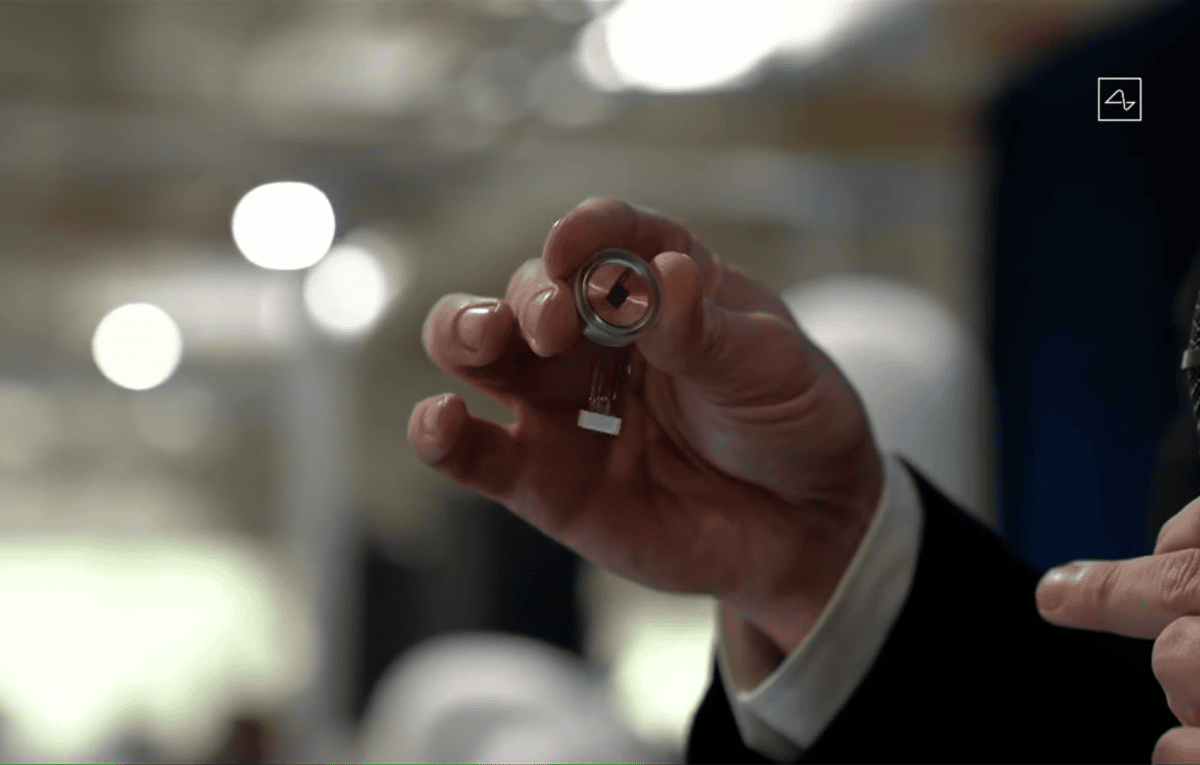
Everything you need to know about Elon Musk's new “chipping” project.
A few days ago Elon Musk demonstrated the Neuralink neural interface technology, which the company plans to implant in the brain with a chip to connect with computers, track brain activity and treat some complex diseases. But let's start from the beginning.
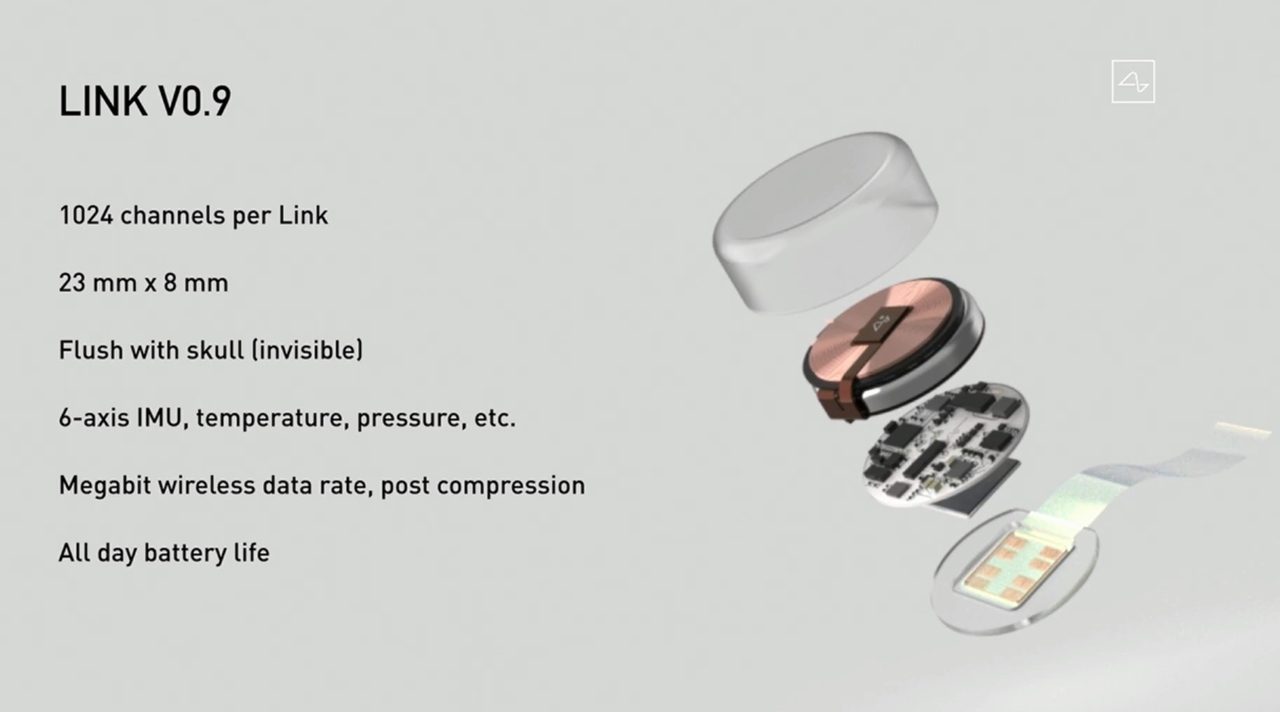
The company showed the Link chip, which is the size of a coin and can be implanted into the brain without leaving any external traces of the procedure. Musk compares Link to sports accessories, “only in your skull.”
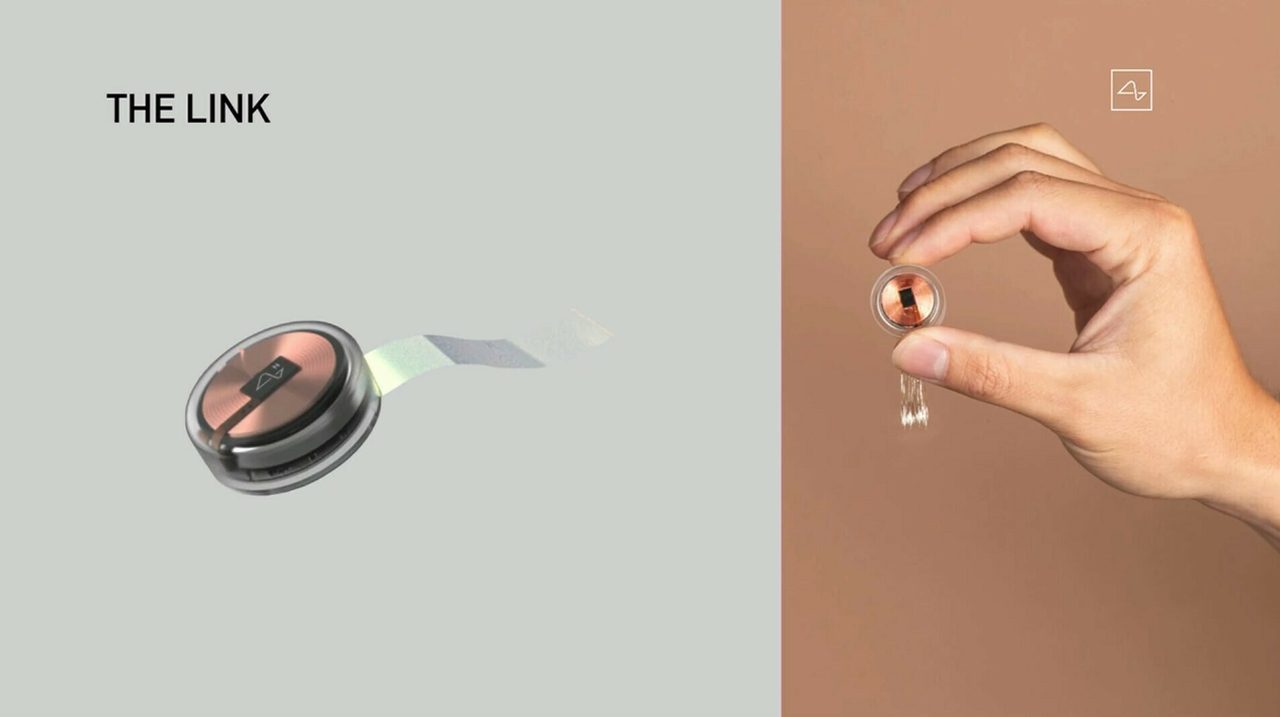
The demonstration was conducted on two pigs that had been implanted with chips several months earlier; both had accepted them. The implantation takes about an hour: a special robot cuts a small hole in the skull and connects the chip's threads to the surface of the brain.
According to Musk, the operation is performed without anesthesia, and the person can leave the clinic the same day. The inventor also joked that the chip is so inconspicuous that he himself could wear it and no one would know.
Musk said the chip could be easily removed without affecting the nervous system. The first pig was left with the chip and its brain activity was monitored, while the chip was removed from the second pig, which then went on to live a healthy life.
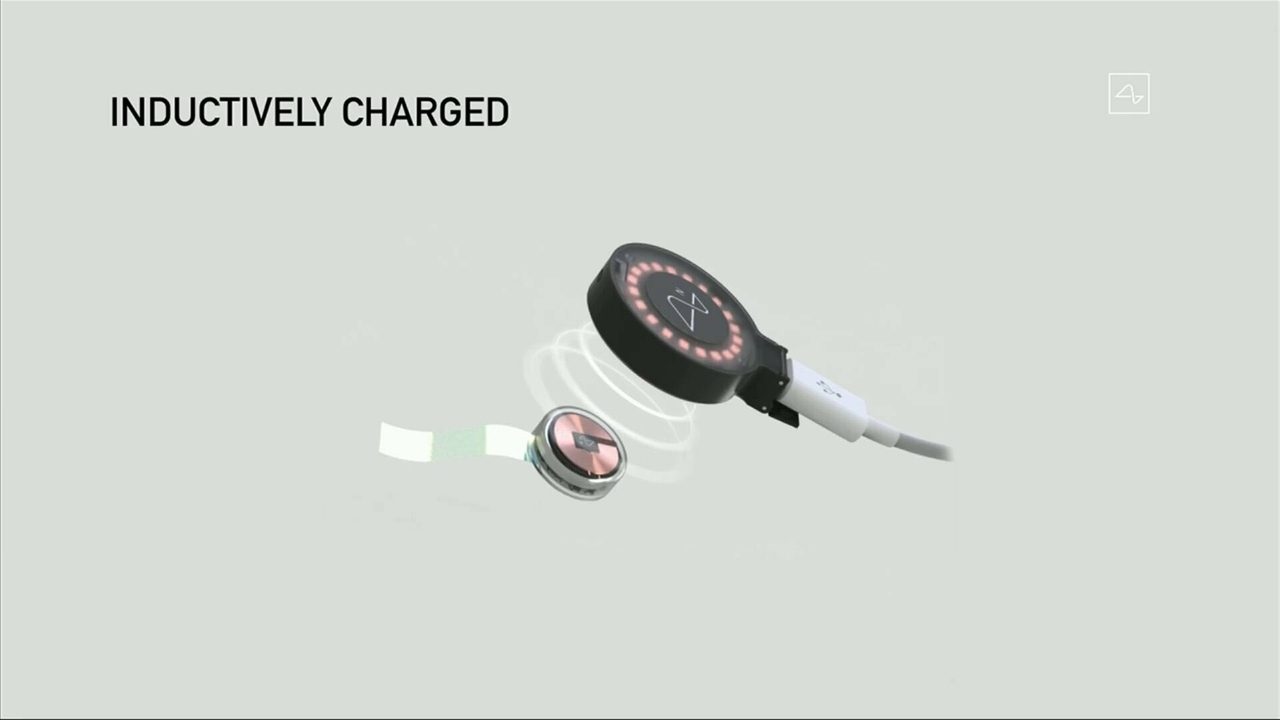
Link needs to be charged wirelessly with magnetic charging, like the Apple Watch. A charge lasts only one day, and charging to 100% takes all night. Musk did not explain how a person is supposed to sleep with a charger on their head.
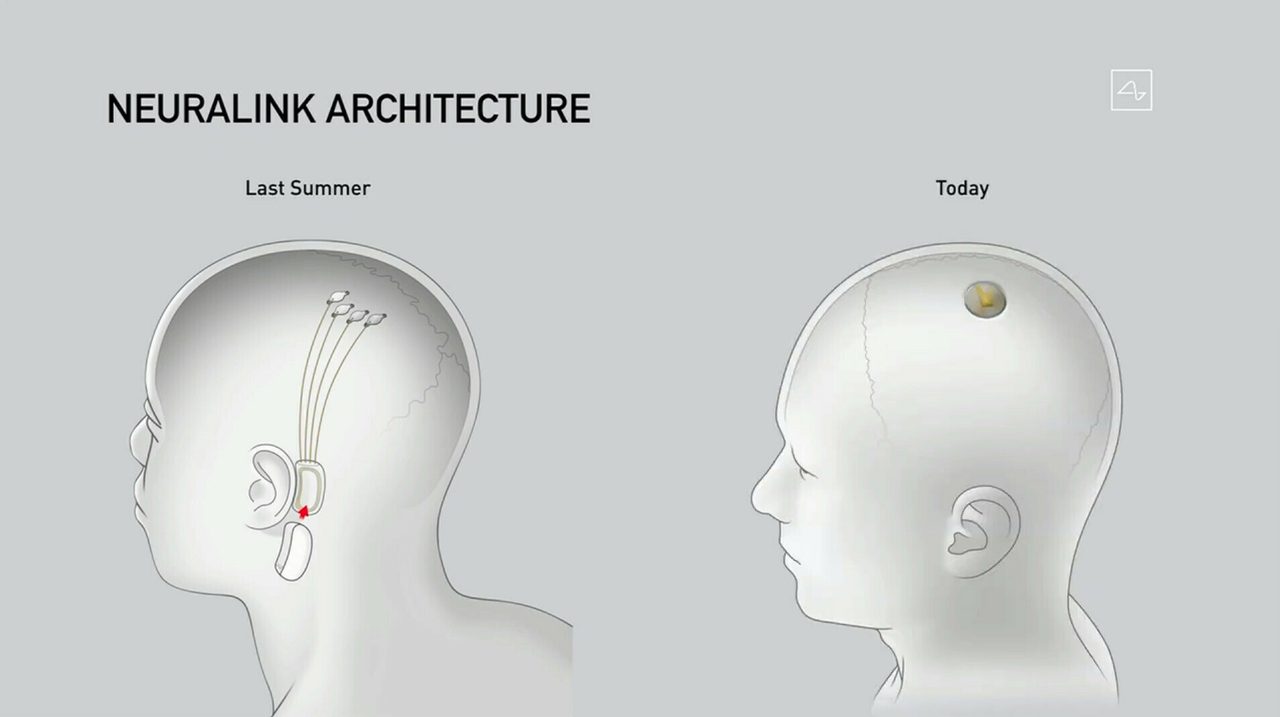
The Link chip is the second iteration of Neuralink's technology. Earlier, engineers planned to implant a separate chip into the brain with rigid electrodes and a transmitter behind the ear. But that is a dangerous and short-lived option, so now the chip itself will process data right inside the skull.
The chip will be controlled via Bluetooth and a special smartphone app. Capabilities already announced include streaming music directly to the brain, summoning a Tesla electric car “by thought alone,” and controlling games. The chip also includes a gyroscope, a pressure sensor, a temperature sensor and other sensors.
Elon Musk
inventor and head of NeuralinkI think that in the future you will be able to save and replay memories. This sounds, of course, like an episode of “Black Mirror,” but they predict the [future] quite well. You will be able to save, upload and back up memories. Ultimately, you will be able to load them into a new body or a robot body. The future will be strange.
Neuralink's main achievement lies not in inventing the technology (it has been known for more than 10 years), but in creating flexible threads that safely attach to the brain and read data. Other experiments used rigid electrodes that could harm people.
Musk believes the technology will be able to not only process data from the brain but also load data into it. This will make it possible to address many health problems: paralysis, Alzheimer's disease, strokes, addictions and even memory loss in old age.
Musk plans to begin human trials in 2020. The US Food and Drug Administration (FDA) has already called the device “breakthrough,” and safety tests of the Link chip showed the highest scores.
Initially, the Neuralink chip will be “quite expensive,” but its price will decrease over time. Musk said he wants to reduce the price to several thousand dollars, including the cost of the implantation procedure. No sales start date has been announced yet.
The presentation also revealed that the Neuralink team is actively looking for new specialists. The presentation was aimed at attracting personnel rather than investment.

Russian Attacks in Dnipropetrovsk Region: Two Killed, Seven Injured

Defense Forces Strike Four Russian Drone Control Points in Past Day, Including in Berdiansk

Britain Threatens Sanctions on Kremlin-Linked People; Poland Ready to Hand Ukraine Ammunition

Russia says it has completed "planned exercises" in the Black Sea

MVD: Fake Riots With Prop Blood Were Being Prepared Near Presidential Office

Law Enforcers Name Another Klitschko Deputy as Suspect

Berlin Holds Protest Against War in Ukraine; EU Prepares for Possible Russian Halt of Gas Supplies
North Korea Fires Ballistic Missile Over Record Distance in Five Years
Irish Fishermen Force Russia to Postpone Naval Drills

US sanctions in case of invasion of Ukraine could completely destroy Russia's economy, NYT reports
