
Plague, Fascism, Dragons: How Comics, Books and Films Depicted 2020
If you compare reality with fiction, things are not so bad right now.
One continent is engulfed in wildfires, the internet is seriously discussing the prospect of World War III, and the new year in general inspires apocalyptic forebodings. As usual, in such times fiction comes to humanity's rescue. And it's not even that science fiction and dystopias are supposed to show us how to avoid extermination. The point is that in them everything is far, far worse, and this inspires some hope that we do not live in the most nightmarish of all possible worlds.
US at war with Iran: 'The War of 2020' by Ralph Peters (1991)

Ralph Peters is a former US Army lieutenant colonel and current TV military affairs expert. Between these pursuits, he managed to build a career as a prolific writer. In the 1980s, Peters churned out several Cold War thrillers typical of the 'Red Threat' genre. But in the novel The War of 2020, the US is not fighting the USSR (yes, the USSR still exists in 2020), but defending it from an alliance of Islamists, Japan and South Africa. The Japanese carry out a genocide of Russians and drop a bomb on the Union that attacks the victims' nervous systems. American military personnel become infected with a smallpox-like disease and trigger an epidemic first in the US, then all over the world. By the way, in his current role as a TV commentator, the author has actively criticized Trump, but praised him for the killing of Qasem Soleimani, calling the decision an 'outstanding achievement.'
Plague and Poverty: 'Visions of 2020' by Jamie Delano (1997)
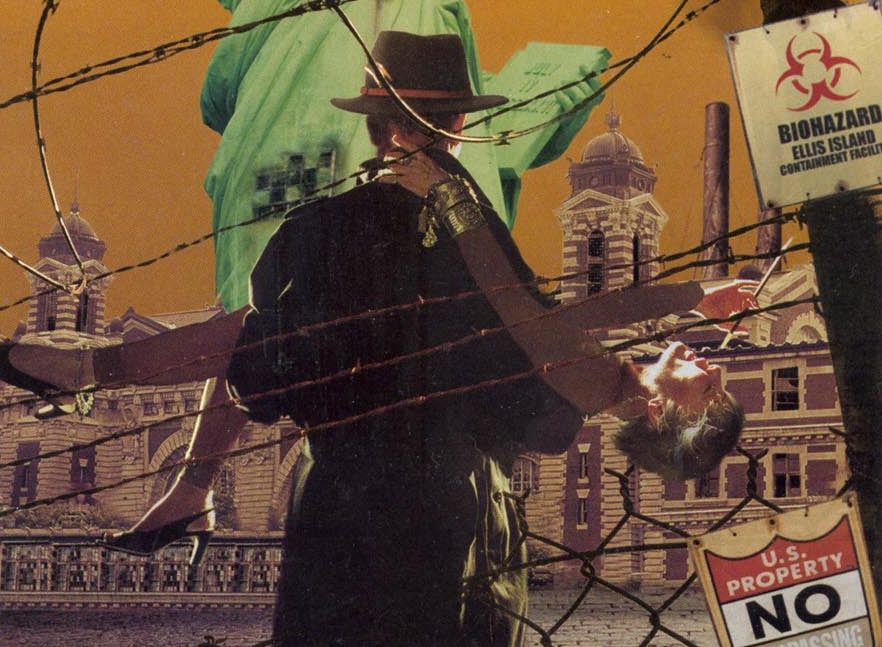
This grotesque comic from Vertigo presented the future as bleak, but not so far removed from our own reality. Judge for yourselves: American cities are divided into districts of the rich and the poor, so the latter have not even the slightest access to medicine, a sad state of affairs given that a plague is raging in Manhattan. True, Delano does not blame Republicans: in his version of events, the two-party system in the US has collapsed, and the Feminist Dynasty has come to power. The politically correct administration's first move was to shut down all pornographic publishers, leaving the protagonist of the first issue of Visions without a job. Against this backdrop, he doesn't even particularly care that Florida recently seceded from the US and annexed Cuba.
Robots evolve on the Moon: 'Software' by Rudy Rucker (1982)
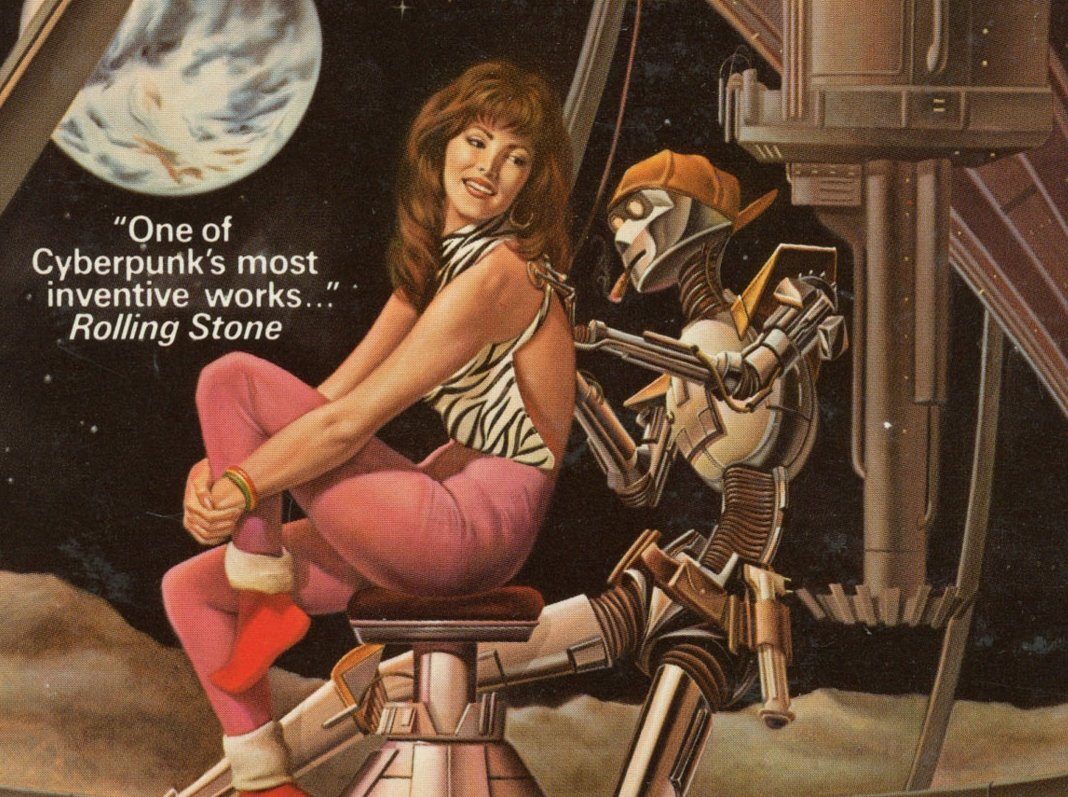
In this early cyberpunk novel, the generation we call baby boomers is known as 'fleshers': by 2020, its elderly members live in special reservations and depend entirely on state handouts. Meanwhile, the robots ('boppers') in the world of Software already possess not only intelligence but also free will. While their 70-year-old flesher creator waits for another humanitarian aid package, the robots decide to take him to their colony on the Moon and digitize his brain. The most interesting thing about the future, according to Rucker, is that the revolutionary technology is kept under wraps to avoid trouble, rather than sparking a global corporate bloodbath over it. But overall, one feels like apologizing to the author for the fact that we have not yet reached technological singularity: recent inventions like the Samsung robotic ball and the robotic cat that poops in a litter tray do not yet look like the peak of technological evolution.
Space mummies attack: 'Terrahawks' by Gerry Anderson (1983)
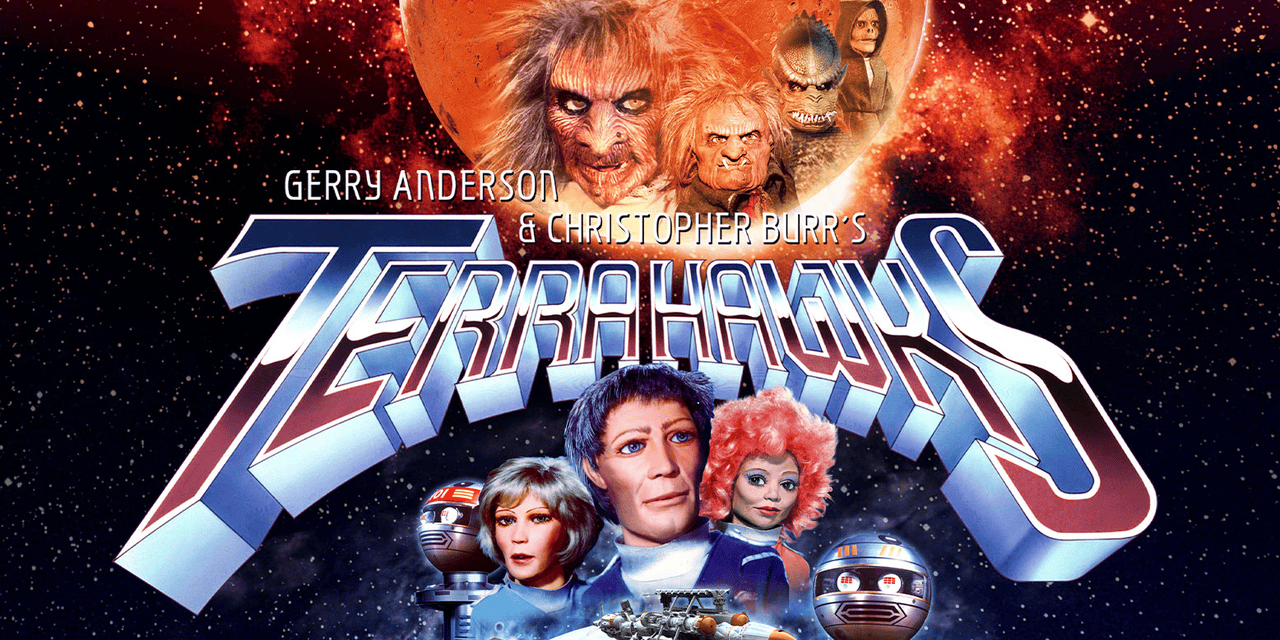
Good news: in 2020, NASA has a base on Mars. Bad news: the damn aliens have just attacked it. A special unit of the Terrahawks, based in a 'nest' in South America, develops weapons to counter extraterrestrial threats. This is how the puppet series on LWT begins, mixing science fiction with rowdy humor, and capable of giving a child nightmares for the rest of their life (the thing is, the design of the good characters and the villains alike inspires horror: the Terrahawks look like guests from the 'uncanny valley,' the aliens like mummies in wigs). By the way, cloning is widely used in the world of the Hawks: their captain has as many as nine spare versions of himself. Nobody, of course, expected a children's show to accurately predict the future, but in some ways it turned out right: it seems humanity will indeed need an alien threat to forget about earthly conflicts.
Fascism and the fall of the monarchy: 'Knights of the Lord' by Richard Cooper (1987)
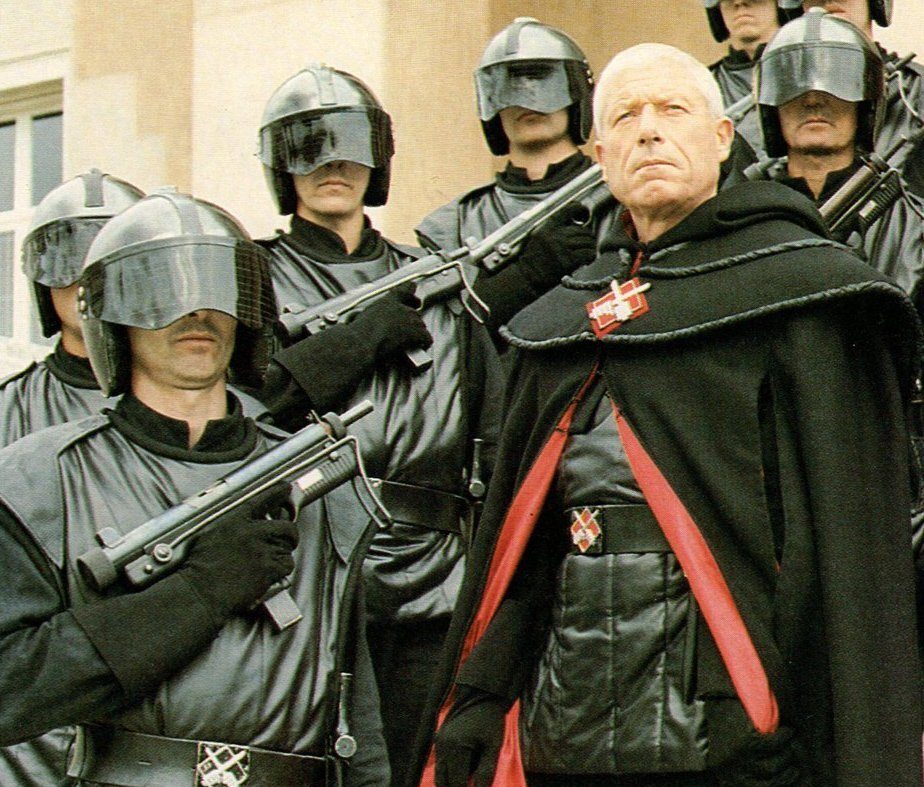
Liberal-minded Britons are horrified by Brexit and the Labour Party's failure in the recent elections, but the 13-part dystopia from ITV may offer them an even scarier vision of 2020. In the series, Britain is ruled by a totalitarian religious organization. London is destroyed by civil war, opponents of the regime are declared terrorists, and most residents of Wales are thrown into concentration camps because of rebellious sentiments. And while in real 2020 Harry and Meghan are giving up royal duties, in the alternative version of the present, the entire British royal family has been executed.
Volcanic winter: 'Supervolcano' by Tony Mitchell (2005)
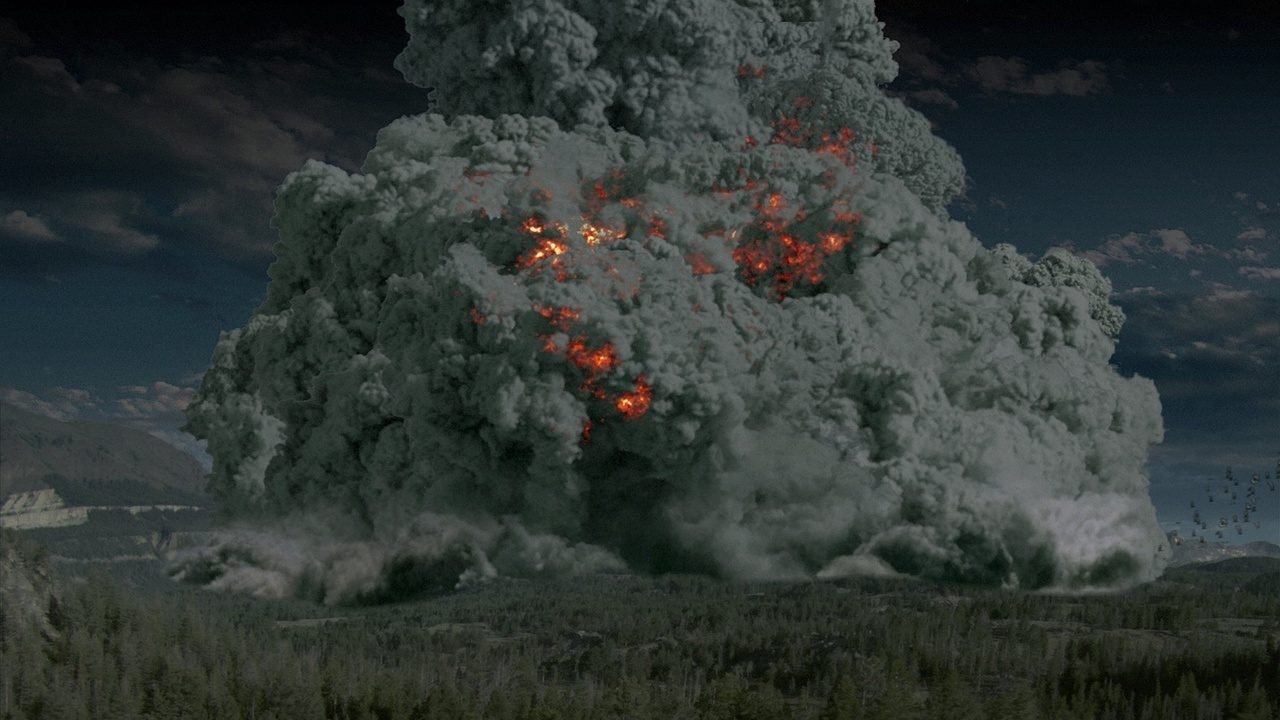
This TV disaster film from the BBC is based not on the wild fantasy of screenwriters, but on an objective possibility: it tells the story of an eruption of the Yellowstone caldera ('supervolcano') in 2020. Due to volcanic ash falling across US territory, 25 million people were affected; airspace is closed, so there is no way to evacuate them by air. Under the weight of the ash, house roofs collapse. The catastrophe brings a global volcanic winter, the US turns into an uninhabitable country, and only 7 million people who set off on foot through the ash cloud survive. Thanks, BBC, life has become much calmer.
Famine, drought, mutants: 'Saber' by Don McGregor (1978)
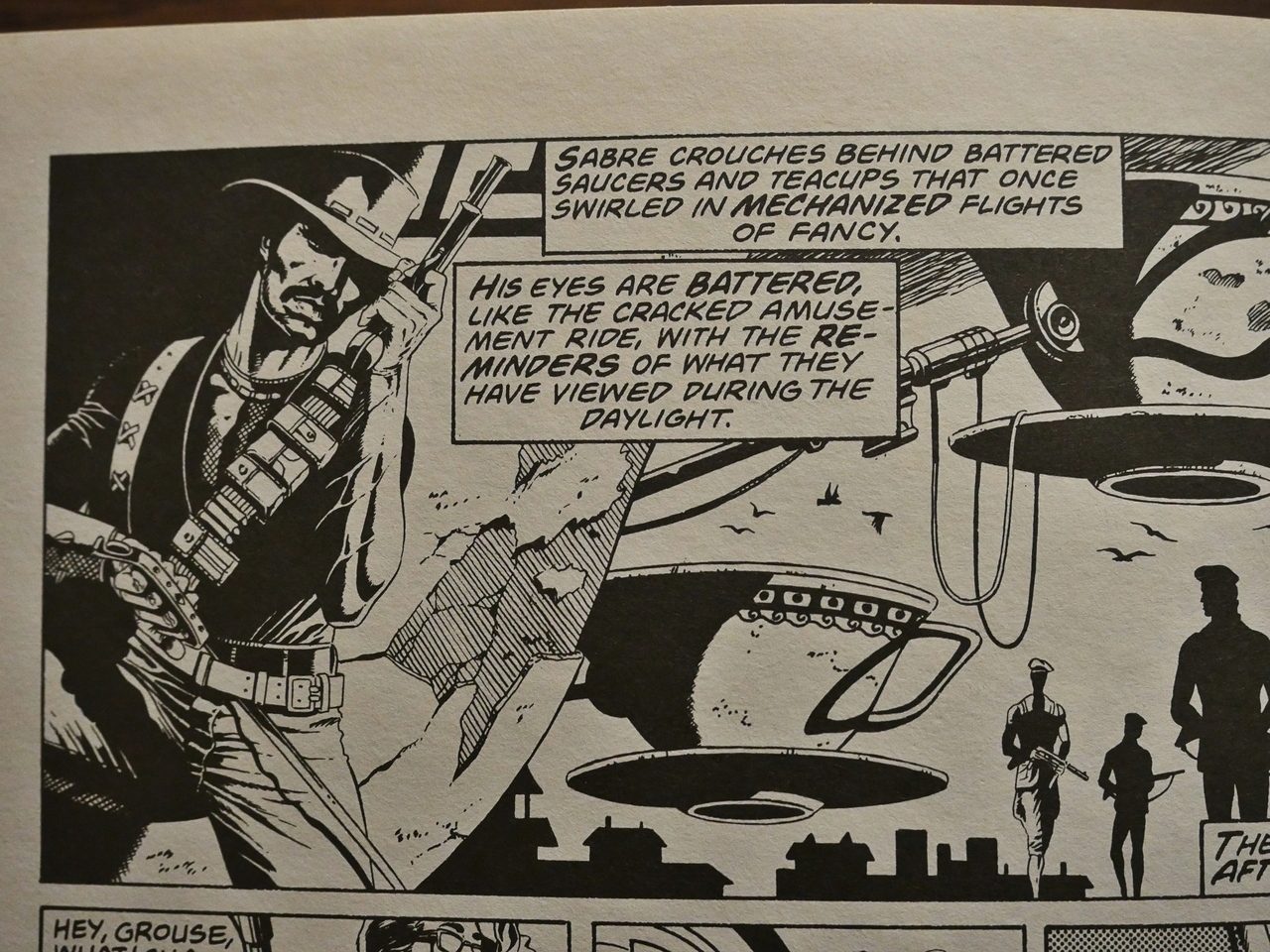
In the world of this black-and-white comic, by 2020 the Earth has managed to go through an energy crisis, global famine, a ten-year drought and a plague triggered by a leak of American biological weapons. The main character, nicknamed Saber, sneaks into an abandoned amusement park to free the rebel comrades held captive there. Alas, his path is blocked not only by bandits of flesh and blood, but also by biological hybrids (including a half-man, half-cat), sentient skeletons and robots. In short, a full-on 'Westworld.' By the way, Don McGregor was one of the authors of comics about the Black Panther. Saber is also a Black character, so McGregor is remembered as a pioneer of mass entertainment literature about minorities. Moreover, the comic Saber is one of the first graphic novels in the modern sense of the term. It correctly predicted the terrorist threats the US would face in the 21st century, but underestimated their scale: the most terrible thing the militants in Saber do is poison the drinking water in Manhattan.
Dragons destroy humanity: 'Reign of Fire' by Rob Bowman (2002)
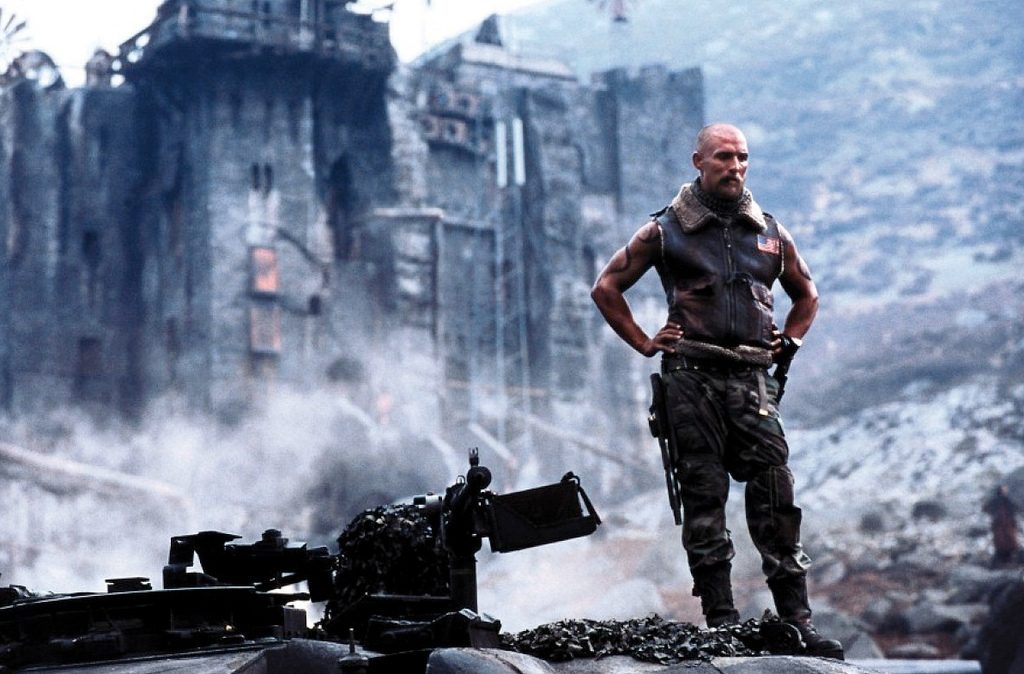
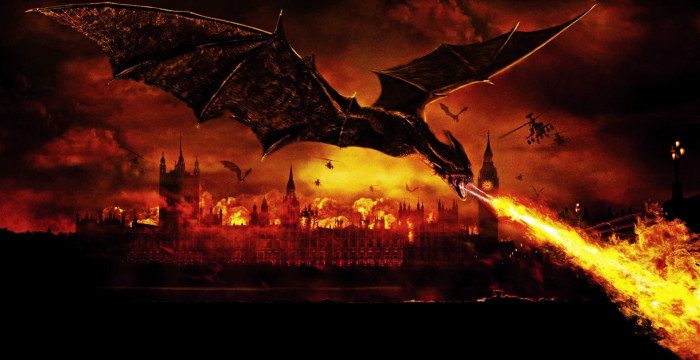
Matthew McConaughey is known for occasionally starring in appallingly bad films, and here he is joined by the usually more discerning Christian Bale. Reign of Fire is post-apocalyptic science fiction... with dragons. The latter emerged from the depths of the earth during the drilling of the London Underground and within a few years pushed humans out of the position of dominant species. Bad news: nuclear weapons are powerless against these flying flamethrowers, because they only accelerate the destruction of humanity, whereas the dragons have managed to survive even the dinosaurs. Good news: an old-fashioned crossbow works against them. All in all, 2020 according to Reign of Fire is a bit like Mad Max, a bit like the Middle Ages and a bit like Game of Thrones: apart from the last, the film is not so far from the truth.
Marina Moynihan, TK Media

Russian Attacks in Dnipropetrovsk Region: Two Killed, Seven Injured

Defense Forces Strike Four Russian Drone Control Points in Past Day, Including in Berdiansk

Britain Threatens Sanctions on Kremlin-Linked People; Poland Ready to Hand Ukraine Ammunition

Russia says it has completed "planned exercises" in the Black Sea

MVD: Fake Riots With Prop Blood Were Being Prepared Near Presidential Office

Law Enforcers Name Another Klitschko Deputy as Suspect

Berlin Holds Protest Against War in Ukraine; EU Prepares for Possible Russian Halt of Gas Supplies
North Korea Fires Ballistic Missile Over Record Distance in Five Years
Irish Fishermen Force Russia to Postpone Naval Drills

US sanctions in case of invasion of Ukraine could completely destroy Russia's economy, NYT reports
