
This Is Shakhtar's Weakest Side in Years. Blame Lies Not Only With Castro, but With Management
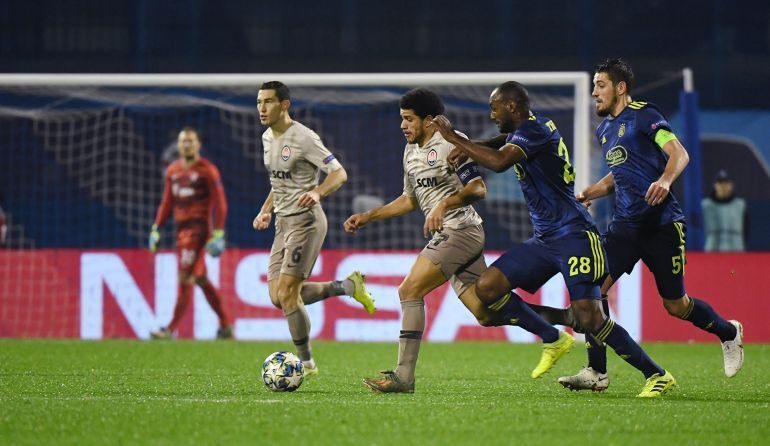
Without Mircea Lucescu, Shakhtar is starting to look like Dynamo.
On Wednesday evening, in the closing minutes of Shakhtar's match with Zagreb's Dinamo, the commentator of the channel friendly to the Ukrainian club once again strained his voice, openly delighted when Luís Castro's team pulled away from defeat thanks to two goals scored in stoppage time. A comeback? A comeback. But a draw. Against Zagreb. The second draw against Zagreb.
Shakhtar seems to be leading the league and sits second in its Champions League group, but it is obvious that the team has problems with its play, and if Shakhtar manages to reach the playoffs, nothing good awaits them there. Simply because they are too weak: not ready to compete with top clubs, and unable to dominate even mediocre sides like this Zagreb.
Shakhtar still has the best players in the country, yet the absence of the systematic approach that was characteristic of the club in Mircea Lucescu's time is felt now more than ever. In a recent interview with Viktor Vatsko, the Romanian coach, of course, came out with a few gems unique to him, lashing out at Paulo Fonseca for having «never once thanked Lucescu», but some interesting things were also said.
«The last players who were signed with my involvement — are Douglas Costa and Teixeira», — said Lucescu, and in passing reminded that since then, of the successful deals in which a player bought for decent money was sold successfully, there has been only Fred.
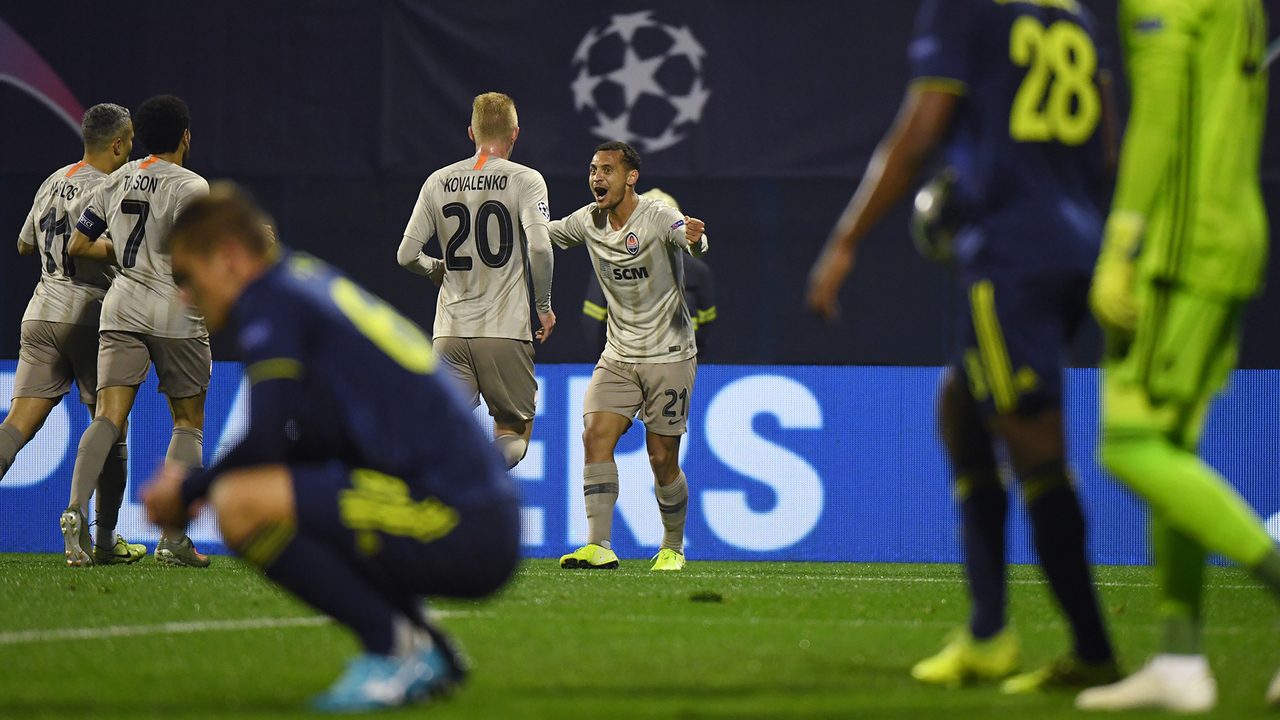
Mircea did not hesitate to name the millions that replenished Shakhtar's coffers during his time at the club, forgetting a considerable number of unsuccessful deals, but the main point is not even that. Under Lucescu, Shakhtar was a team of the future — a team whose players develop and reach a new level. The same cannot be said of the current Shakhtar.
In that same interview, Lucescu criticized Fonseca for not leaving a legacy; by the same logic, the same can now be said of Luís Castro. But in fact the question should be addressed not only to them — for them the truly main task should be results, and they did deliver them (Fonseca's championship doubles) and are delivering them (the lead in the league and second place in the CL group, ahead of Dinamo Zagreb on head-to-head).
The big problem with the current Shakhtar is that this team still runs on the legacy of Lucescu. The structure of the game has changed in some ways under both Fonseca and Castro, but the defining figures in this team are still the same. And they play the same football that has long been familiar to everyone in Europe — formations, lineups and specific tasks may change, but the interaction between players often still follows certain patterns.
Arsène Wenger, in one of his recent interviews, called the age from 27 to 32 the peak phase of a footballer's career. Let's look: Taison and Marlos — 31, Taras Stepanenko — 30, Andriy Pyatov — 35, Júnior Moraes, who did not play under Lucescu but whom Lucescu wanted to bring to Shakhtar, — 32. All of them are still capable of showing a decent level, but at this stage of their careers, questions of motivation can already arise.
Taison, who was not allowed to leave in the summer, whether to Roma or Milan, openly spoke of the «end of a dream», because he understood that hopes for a good offer from Europe were shrinking with every transfer window. And this is the captain and one of the defining players in attack.
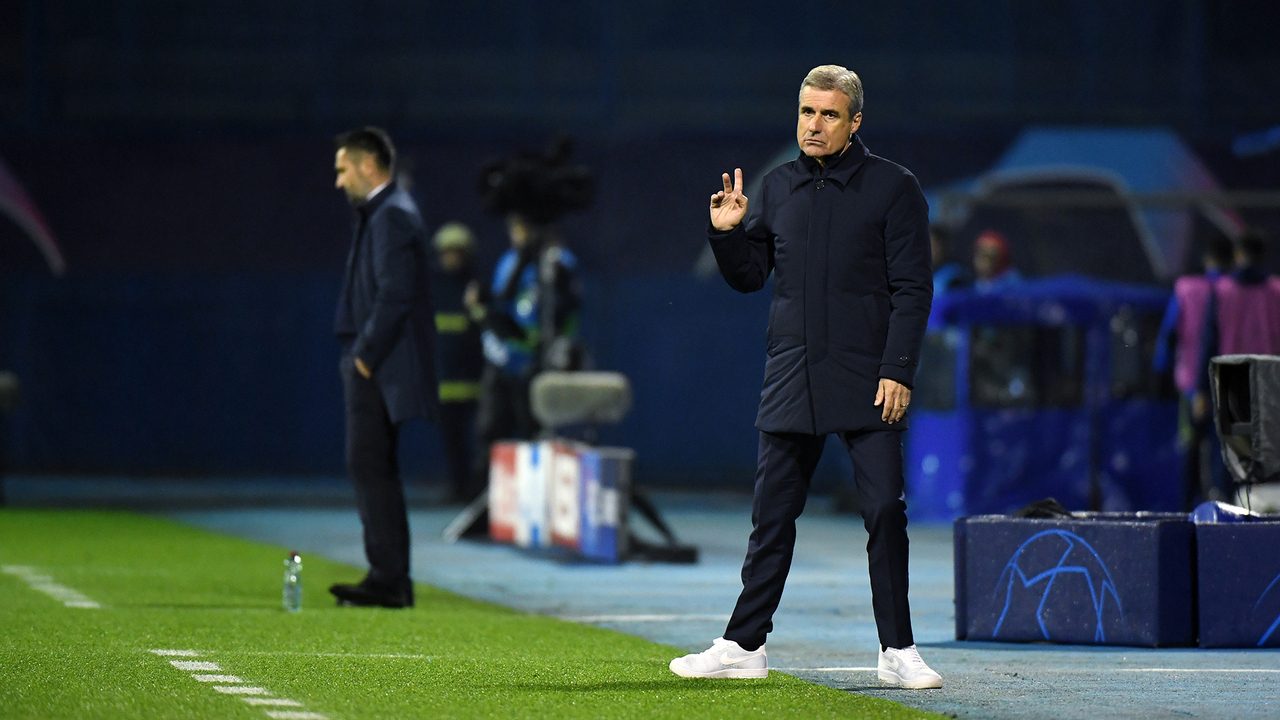
Almost the same, only without much bitterness in his words, resigned, the vice-captain said a few months earlier. «There is always a dream, and you have to strive for it, — said Taras Stepanenko. — I strove and still strive, but I understand that this year I am 30».
Lucescu was ready to part with players when they reached their ceiling of development in Ukrainian football, but after his departure problems began to arise. Fonseca and Castro were content to work with top players without giving much thought to what would come next, and the club's management succeeded in negotiations only in the case of Fred — when an offer came that really could not be refused.
There is a lot of talented youth in the club, and in terms of finding young stars Shakhtar is still good — in potential, Tete, Manor Solomon, and Marcos Antônio with Marquinhos Cipriano can well grow into very good players. But they still almost constantly remain behind more experienced partners in truly important matches. And in the case of the wingers, they additionally get a new rival in the person of Yevhen Konoplyanka, whose career ambitions have also run out of steam.
Instead of a gradual integration of new players who, through the youthful enthusiasm inherent in young people, could bring a spark to the team's game, Shakhtar chose the path of satisfaction with what it has now, and has even begun to resemble Dynamo somewhat. Over recent years, a huge number of players have overstayed their time in the Kyiv side, and many could well have taken a step forward themselves by leaving the club in good time, which would have allowed the team to develop harmoniously rather than stand still behind Shakhtar and in the Europa League.
Regardless of the results with which Shakhtar finishes the first half of the season, the team must make radical changes during the winter break. Selling the current leaders profitably is unlikely now, but it is time to think about whether those who were bought to replace them can be sold profitably.

Russian Attacks in Dnipropetrovsk Region: Two Killed, Seven Injured

Defense Forces Strike Four Russian Drone Control Points in Past Day, Including in Berdiansk

Britain Threatens Sanctions on Kremlin-Linked People; Poland Ready to Hand Ukraine Ammunition

Russia says it has completed "planned exercises" in the Black Sea

MVD: Fake Riots With Prop Blood Were Being Prepared Near Presidential Office

Law Enforcers Name Another Klitschko Deputy as Suspect

Berlin Holds Protest Against War in Ukraine; EU Prepares for Possible Russian Halt of Gas Supplies
North Korea Fires Ballistic Missile Over Record Distance in Five Years
Irish Fishermen Force Russia to Postpone Naval Drills

US sanctions in case of invasion of Ukraine could completely destroy Russia's economy, NYT reports
