
Abortion Almost Fully Banned in Texas: Biden's Reaction and Situation in Other States
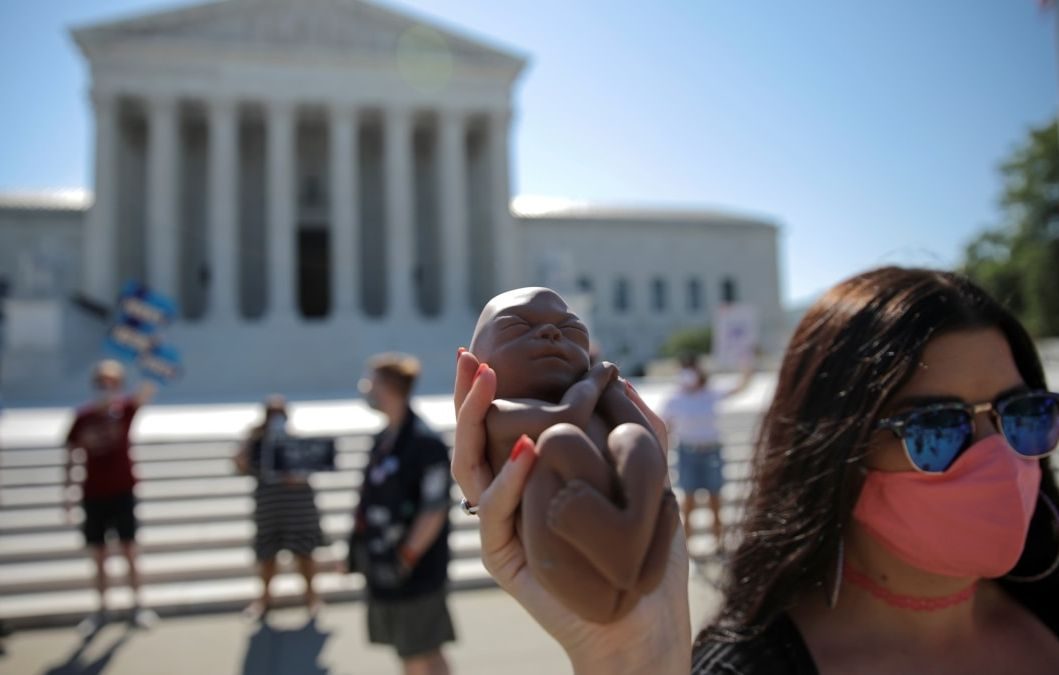
The Heartbeat Act makes no exceptions for victims of rape or incest.
In Texas (the second most populous US state), one of the strictest abortion laws has taken effect — the Heartbeat Act, which bans terminating a pregnancy after a fetal heartbeat is detected, which happens at roughly the sixth week.
At this stage, many women do not yet know they are pregnant. Doctors and activists tried to block the law through the courts, but its authors drafted the document in a way that makes this difficult. Here is what you need to know about the law and public reaction to it.
Who passed the law and when
In May 2021, the Texas abortion law was approved by the state parliament and Governor Greg Abbott. Two months later, abortion rights advocates and representatives of clinics that perform the procedure tried to challenge it.
However, the appeals court suspended the proceedings and refused to block the law from taking effect. Rights advocates appealed to the US Supreme Court, where conservatives have held a majority since autumn 2020.
On September 1 (the day the law took effect), the highest court also declined to block the Heartbeat Act. Five of the nine Supreme Court justices voted in favor of this decision.
Justice Sonia Sotomayor, one of those who wanted to block the law, said that most of her colleagues had "buried their heads in the sand" and called the decision stunning.
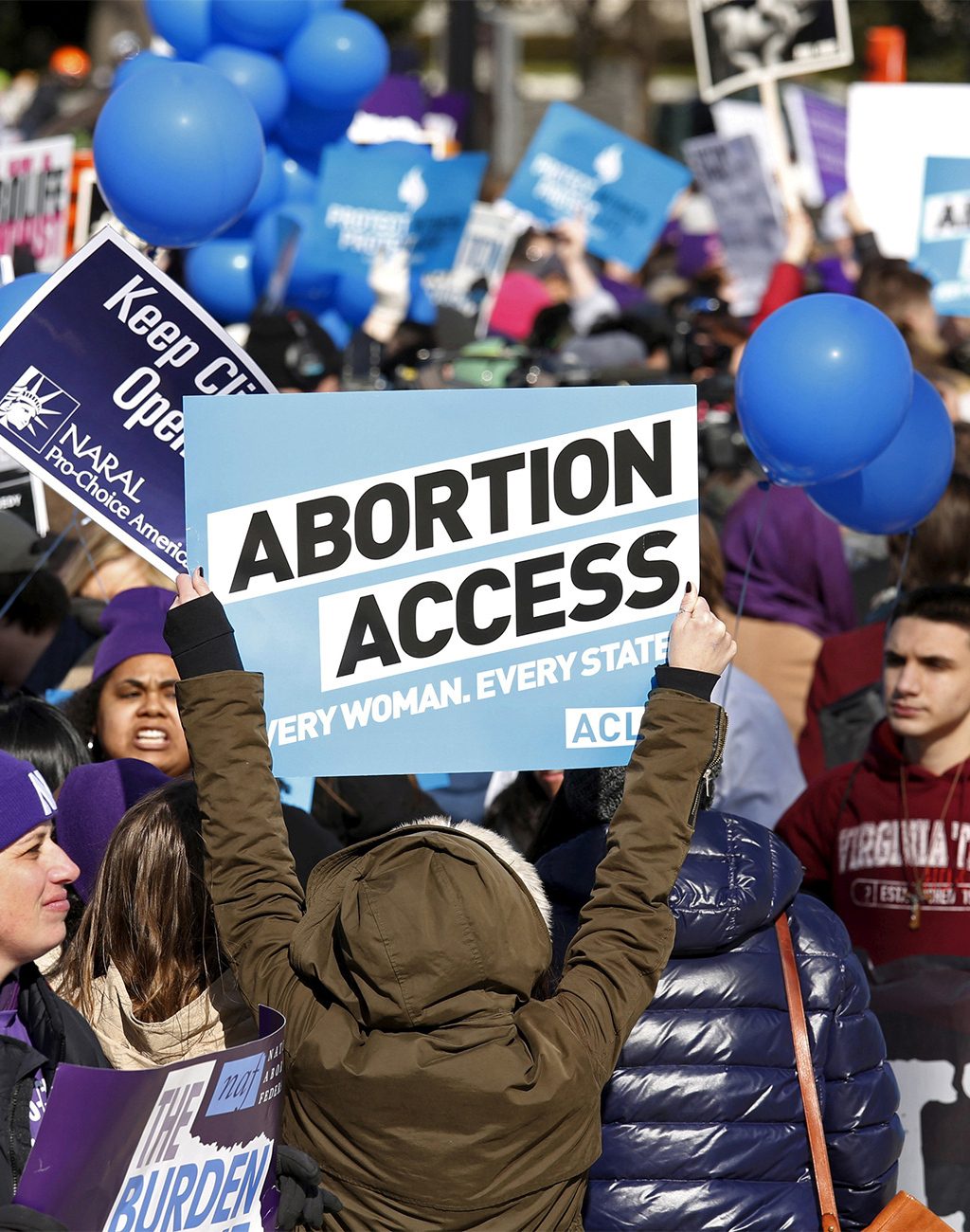
The law almost completely bans abortion
From now on, abortion cannot be performed in Texas after a fetal heartbeat has been detected. According to data from rights organizations, 85-90% of abortions are performed after the sixth week of pregnancy, since many women may not yet know they are pregnant at an earlier stage.
The law permits abortion only when the pregnancy threatens the mother's life or poses a serious risk to her health. The list of exceptions is very short and does not cover all cases in which a woman's life may be at risk.
The Heartbeat Act makes no exceptions for victims of rape or incest. Around 7 million women of reproductive age in Texas could be affected by the new law. It will create practically insurmountable obstacles for teenagers.
Minors need permission from a parent or guardian to obtain an abortion. Sometimes they have to go to court, which delays the process and increases the length of the pregnancy.
"Hacking" the legal system
The Texas law is the strictest in the US since the 1973 Supreme Court decision in Roe v. Wade, when the court ruled that a woman has the right to terminate a pregnancy at her discretion until the fetus can survive outside the mother's body (22-24 weeks of pregnancy).
The state law fits into a large-scale Republican campaign to introduce new restrictions on abortion. Several other states, in particular Georgia, Mississippi, Kentucky and Ohio, have passed similar Heartbeat Acts, but they were blocked by rights advocates through the courts.
Under the law, any US citizen can sue anyone who performs an abortion or assists in the procedure. If the defendant's guilt is proven, the plaintiff will receive $10,000 and reimbursement of court costs. Doctors, clinic staff and even taxi drivers who drive a woman to the hospital could become potential defendants.
In other states where the document's legality was challenged, officials acted as defendants. However, in the case of Texas it is difficult to challenge the law, since until the first civil lawsuit it is unclear whom to direct claims to.
Biden's promise
Activist and founder of the anti-abortion organization Lila Rose called the day the law took effect stunning: "Every child whose heartbeat has been detected is now legally protected from being killed by abortion."
US President Joe Biden said he would defend women's right to abortion. He called the Texas Heartbeat Act a flagrant violation of constitutional rights.

Russian Attacks in Dnipropetrovsk Region: Two Killed, Seven Injured

Defense Forces Strike Four Russian Drone Control Points in Past Day, Including in Berdiansk

Britain Threatens Sanctions on Kremlin-Linked People; Poland Ready to Hand Ukraine Ammunition

Russia says it has completed "planned exercises" in the Black Sea

MVD: Fake Riots With Prop Blood Were Being Prepared Near Presidential Office

Law Enforcers Name Another Klitschko Deputy as Suspect

Berlin Holds Protest Against War in Ukraine; EU Prepares for Possible Russian Halt of Gas Supplies
North Korea Fires Ballistic Missile Over Record Distance in Five Years
Irish Fishermen Force Russia to Postpone Naval Drills

US sanctions in case of invasion of Ukraine could completely destroy Russia's economy, NYT reports
