
For the First Time in 15 Years, WHO Tightens Air Quality Recommendations
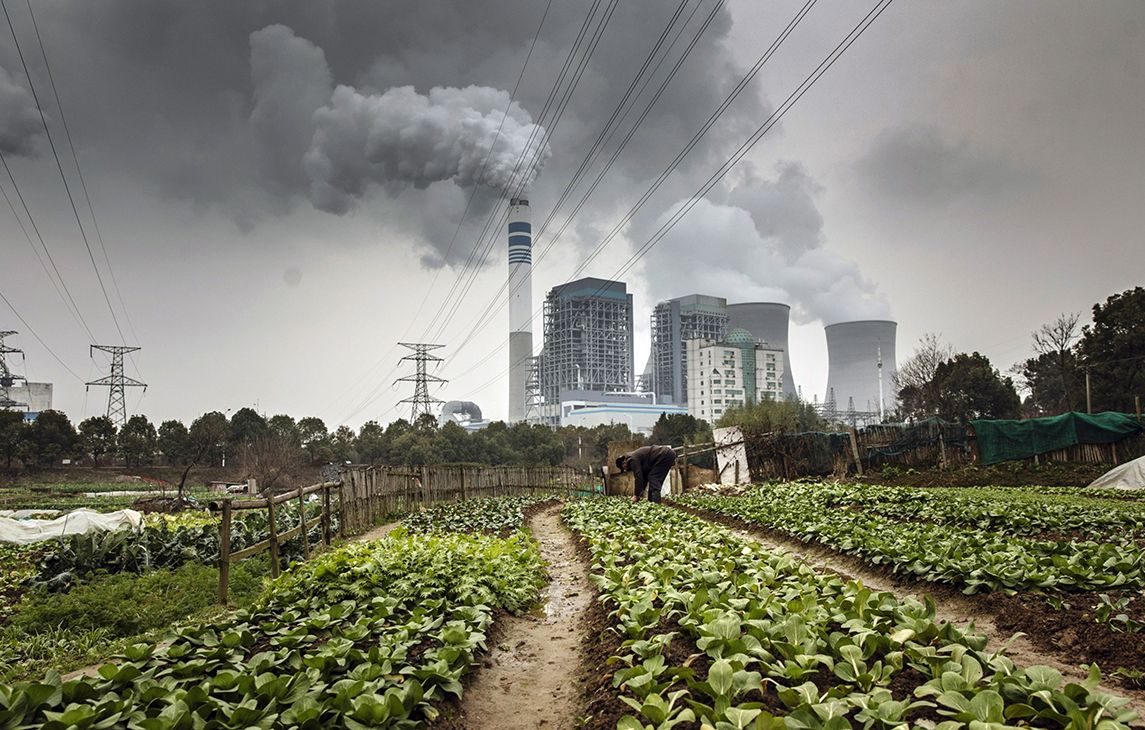
Air pollution kills 7 million people a year.
The World Health Organization published new "Air Quality Guidelines", which assess the maximum concentrations of pollutants hazardous to human health. The document has not been updated since 2005.
During the development of these recommendations, more than 500 scientific publications on the impact of air pollution on human health were studied. The main conclusion is that harm occurs at lower concentrations of pollutants than previously thought.
Following its review, the WHO has proposed new air quality targets. The organization has adjusted almost all limit values for the main pollutants.
First and foremost, this concerns particulate matter: fine particles (PM2.5, diameter less than 2.5 micrometers) and coarse particles (PM10, diameter less than 10 micrometers). For comparison, the diameter of a human hair is about 50-100 micrometers. These particles are tiny dust produced at construction sites, on highways and at industrial plants, and when coal is burned. Their composition can vary greatly.
The WHO has halved the recommended safe annual average concentration of PM2.5 particles in the air and reduced the level for PM10 by a quarter. It has also cut the permissible level of nitrogen dioxide, which diesel engines, for example, release into the atmosphere, by a factor of four.
Millions of people die every year
According to the organization's estimates, air pollution causes more than 7 million premature deaths worldwide each year, comparable to the number of deaths from smoking. WHO Director-General Tedros Adhanom Ghebreyesus said that pollution threatens human health everywhere, but people in low- and middle-income countries suffer the most.
In children, air pollution can cause impaired lung development and function, respiratory infections, and worsened asthma. Ischemic heart disease and stroke are among the most common causes of death from air pollution among adults.
The smallest solid particles can penetrate deep into the lungs and blood, causing respiratory and cardiovascular diseases. In 2019, more than 90% of the world's population lived in areas where the concentration of these particles exceeded the recommended values.
WHO experts conducted a rapid analysis of possible scenarios, according to which almost 80% of deaths linked to PM2.5 particles could be prevented worldwide by reducing current pollution levels to the recommended ones.
The organization also highlights the economic consequences of air pollution, from healthcare costs to losses caused by damage to agriculture and infrastructure. For example, in 2013, 5.5 million deaths from diseases linked to air pollution cost the global economy about $225 billion in lost labor income.
Legal force of the recommendations
Hans Kluge
Director of the WHO Regional Office for EuropeThe "Air Quality Guidelines" do not require governments around the world to take any measures. They are current reference information that can be used to assess the harmful impact of polluted air. The next step for politicians worldwide is to use these guidelines to develop programs aimed at reducing unacceptable harm to people's health.
The organization cites examples of successful measures to improve air quality: support for cleaner transport and industrial technologies, construction of energy-efficient housing, use of low-emission fuels and renewable energy sources, reduction of waste, and development of disposal methods.
Experts say the problem of air pollution is closely linked to global warming. The same sources that cause climate change also pollute the air to a large extent. For the most part, this concerns burning fossil fuels.
Dorota Jarosinska
Technical Lead for the development of WHO guidelinesEfforts to improve air quality will help mitigate climate change. And conversely, efforts to mitigate climate change will lead to better air quality.

Russian Attacks in Dnipropetrovsk Region: Two Killed, Seven Injured

Defense Forces Strike Four Russian Drone Control Points in Past Day, Including in Berdiansk

Britain Threatens Sanctions on Kremlin-Linked People; Poland Ready to Hand Ukraine Ammunition

Russia says it has completed "planned exercises" in the Black Sea

MVD: Fake Riots With Prop Blood Were Being Prepared Near Presidential Office

Law Enforcers Name Another Klitschko Deputy as Suspect

Berlin Holds Protest Against War in Ukraine; EU Prepares for Possible Russian Halt of Gas Supplies
North Korea Fires Ballistic Missile Over Record Distance in Five Years
Irish Fishermen Force Russia to Postpone Naval Drills

US sanctions in case of invasion of Ukraine could completely destroy Russia's economy, NYT reports
