
Astronomers Identify 24 “Superhabitable” Planets Beyond the Solar System
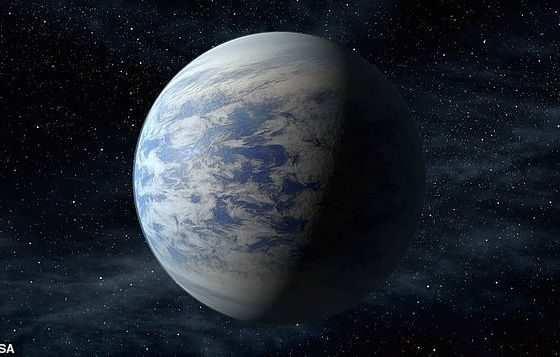
Researchers compiled a list of criteria and selected two dozen top candidates from 4,500 planets.
A team of astronomers led by the University of Washington has found 24 exoplanets that meet habitability criteria even better than Earth. The scientists have called them “superhabitable,” reports Daily Mail.
For a planet to be considered habitable, it must meet several criteria, such as: a size equal to or greater than Earth's (such planets have a magnetic field), a source of light and heat, distance from its star, an atmosphere, weight and much more. Scientists were aware of 4,500 exoplanets far from us, but only a few of them met all the criteria.
Now, scientists have selected 24 potentially “superhabitable” worlds based on several criteria: they are older, larger, wetter and warmer than Earth. These factors, combined with a slightly cooler and longer-lived star, create better conditions for the development of complex life.
Although we will not be able to visit them (the worlds are more than 100 light-years away), this discovery may help in the search for life in other parts of the Universe. Some scientists are less optimistic: with current technology, we still know nothing about their atmospheres. But this will change in the near future.
Dirk Schulze-Makuch
Lead author of the studyWith the advent of the next space telescopes, we will get more information, so it is important to choose some targets. We should focus on certain planets where the conditions for complex life are most promising. However, we must be careful not to get stuck in the search for a second Earth, because there may be planets that are more suitable for life than ours.
The researchers selected systems with probable planets orbiting within the “liquid water” zone. The scientists also focused on planets whose stars are similar to our Sun or less cold, bright and massive.
Previously, a group of lakes with liquid water was discovered on Mars. This discovery may indicate that there is water and life on Mars.

Zelensky: Russia Used 115 Missiles, Nearly 1,900 Guided Bombs and Over 3,000 Drones in a Week
Attack on Major DTEK Energy Facility in Northern Odesa Region Leaves Some Families Without Power

Britain Threatens Sanctions on Kremlin-Linked People; Poland Ready to Hand Ukraine Ammunition

Russia says it has completed "planned exercises" in the Black Sea

MVD: Fake Riots With Prop Blood Were Being Prepared Near Presidential Office

Law Enforcers Name Another Klitschko Deputy as Suspect

Berlin Holds Protest Against War in Ukraine; EU Prepares for Possible Russian Halt of Gas Supplies
North Korea Fires Ballistic Missile Over Record Distance in Five Years
Irish Fishermen Force Russia to Postpone Naval Drills

US sanctions in case of invasion of Ukraine could completely destroy Russia's economy, NYT reports
