
7 Shows for Those Who Were Infuriated by Netflix's The Witcher
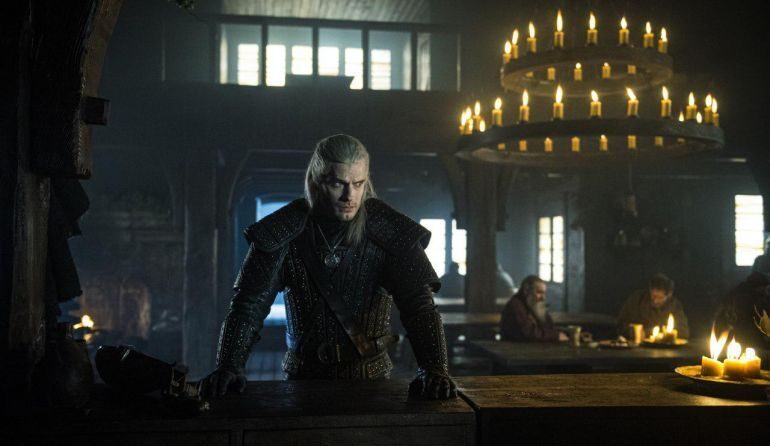
How to Regain Faith in TV Fantasy.
If after the first season of the fantasy series with Henry Cavill you feel like paying the witcher with minted coins just so he can deal with the show’s writers – these heartless monsters – then you are not alone. On Rotten Tomatoes The Witcher has a rotten rating of 56%, and it will get a chance to redeem itself only in 2020 with the second season, when Geralt will already have Amazon’s The Lord of the Rings and the Game of Thrones prequels breathing down his neck. But there is no need to wait for this epic battle to make up for the lack of quality fantasy: here are seven series from different years that will do this job perfectly.
Robin of Sherwood (1984-1986)
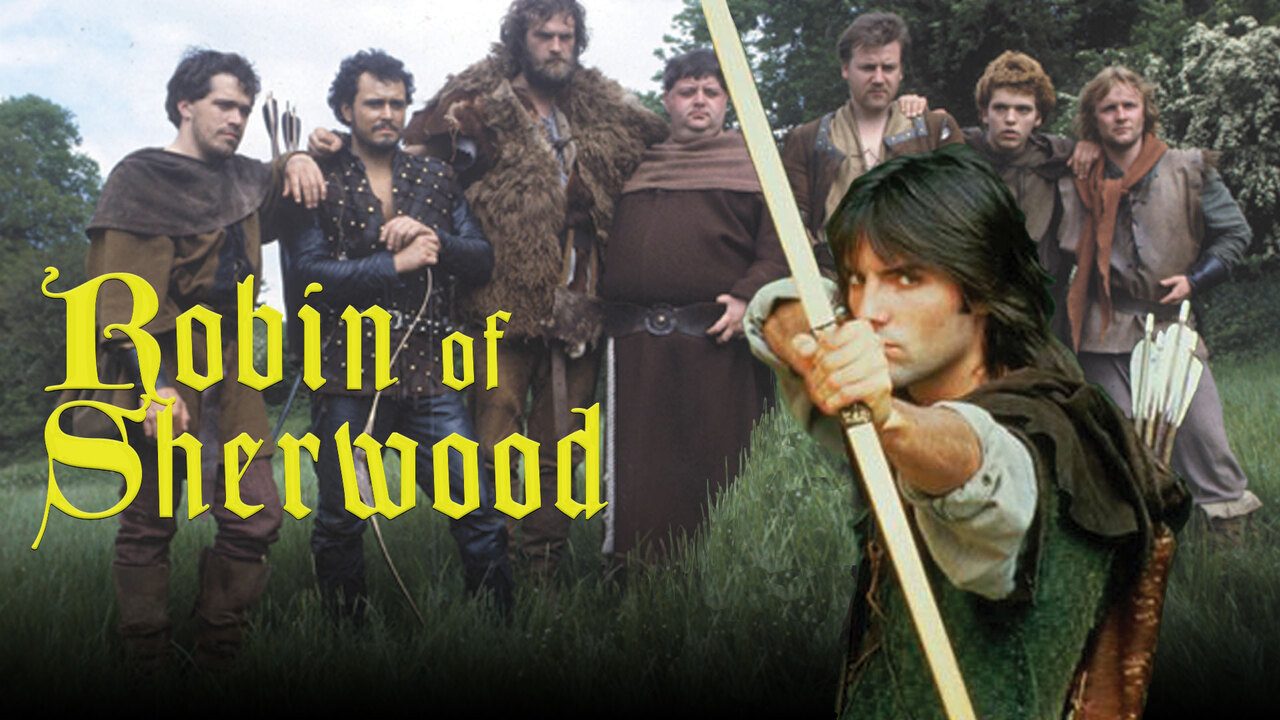
The best masterclass in “How to refresh but not ruin a much-repeated legend” was shown on Britain’s ITV back in the 80s – Sapkowski had only just started writing the Witcher saga then. Robin of Sherwood had no Hollywood cast, and its special effects relied on the notorious “suspension of disbelief”, but the grim story of Robin Hood fighting necromancers touched the hearts of lovers of heroic fantasy. If forums are to be believed, the antlered Herne the Hunter, emerging from the mist against the backdrop of Stonehenge, still haunts viewers of Robin in their nightmares. It is unlikely the episodic kikimora from The Witcher (whom the characters for some reason call “kikimora”) will manage to pull off such a trick, although the striga with an umbilical cord trailing across the floor did turn out truly impressive.
Hercules: The Legendary Journeys (1995-1999)
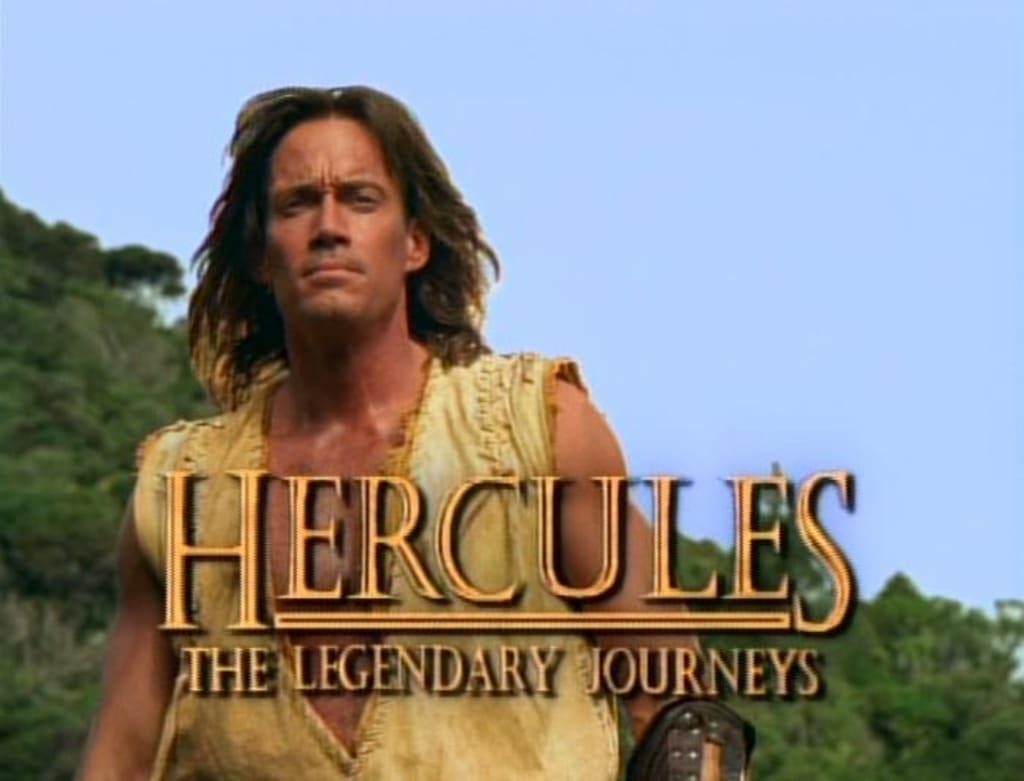
The new The Witcher has already been unflatteringly compared with all sorts of TV products. For example, with the Polish series of the same name that broke new ground, with The Mandalorian from Disney+ (both are about lonely mercenaries protecting a child, only The Mandalorian for some reason everyone likes), and even with Christmas shows on the central channels – you know, the ones where moth-eaten pop stars play Gogol’s characters and sing something catchy. But closest to the truth were those who said: wait, all of this has already been in Xena and Hercules! The 90s series really had everything: pompous to the point of comedy costumes (eat your hearts out, Nilfgaardians), deconstruction of myths, zany humor and female warriors. There was even what Netflix could only dream of – for example, a full David Lynch episode, “Stranger in a Strange Land”, where Hercules ends up in an alternate universe in which Xena is a flirtatious bob-haired socialite and Gabrielle is a court executioner. In short, when it comes to guilty pleasures, Hercules:Geralt — 1:0.
Da Vinci’s Demons (2013-2015)
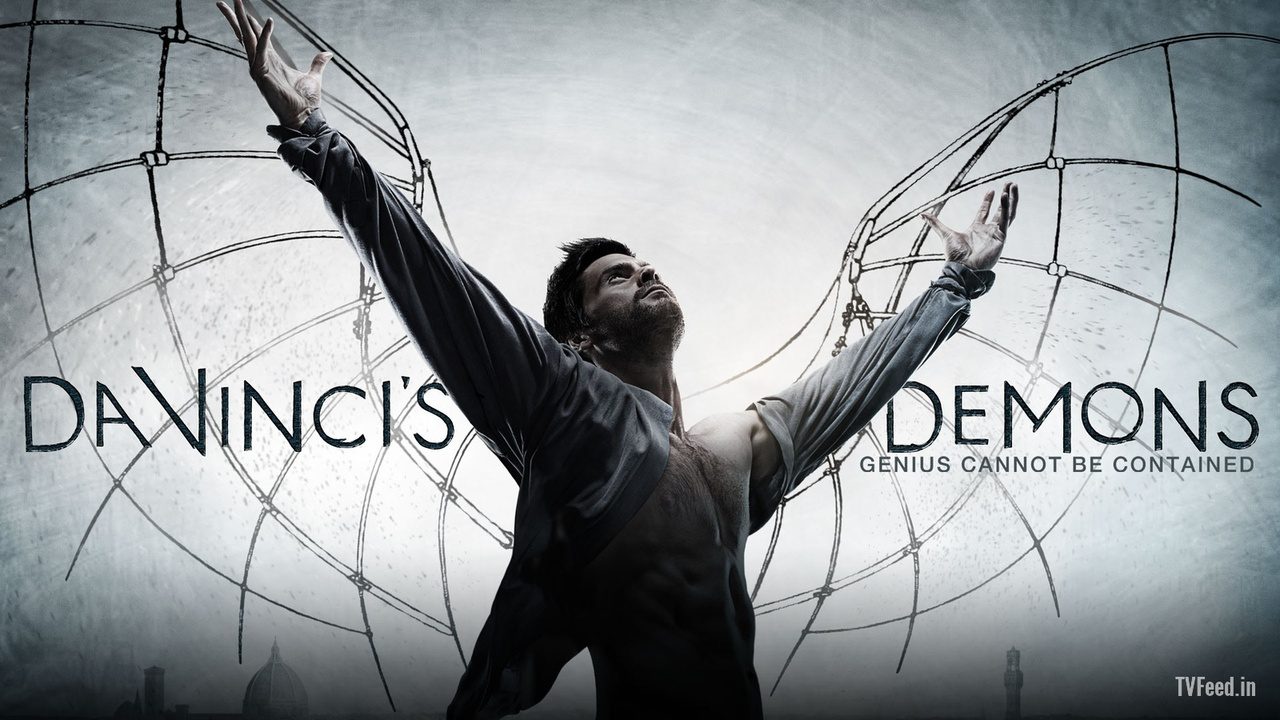
The Starz series was not revolutionary, but it reminded us of two important things. First: historical fantasy is not only “a fly-in-the-past hero kills Hitler” or “crusades, but with fireballs”. Second: the showrunner is the key to success, and it is good if he has thoroughly tested his own ambitions on other people’s stories. The creator of Da Vinci’s Demons, David S. Goyer, is exactly that: he became famous for his unique vision of already well-known heroes – Blade from Marvel comics, Batman from DC comics (“The Dark Knight”) and… Leonardo da Vinci. The creator of the Mona Lisa turns into a sword-wielding rogue in the series – this, of course, is not as bold as turning poet Emily Dickinson into a millennial (see “Dickinson” on Apple TV+), but the visual aspect of Da Vinci’s Demons hit hard. Remember the priestess in an armored bra and with a headdress in the form of… a golden octopus? And Leo himself in the image of a rock star? “The series Da Vinci’s Demons dresses the Renaissance in Versace and Balenciaga”, wrote The Hollywood Reporter. And what about Yennefer’s rope dress in The Witcher? Well, on Reddit are discussing what color it is – blue-black or white-gold.
Vikings (2013-)
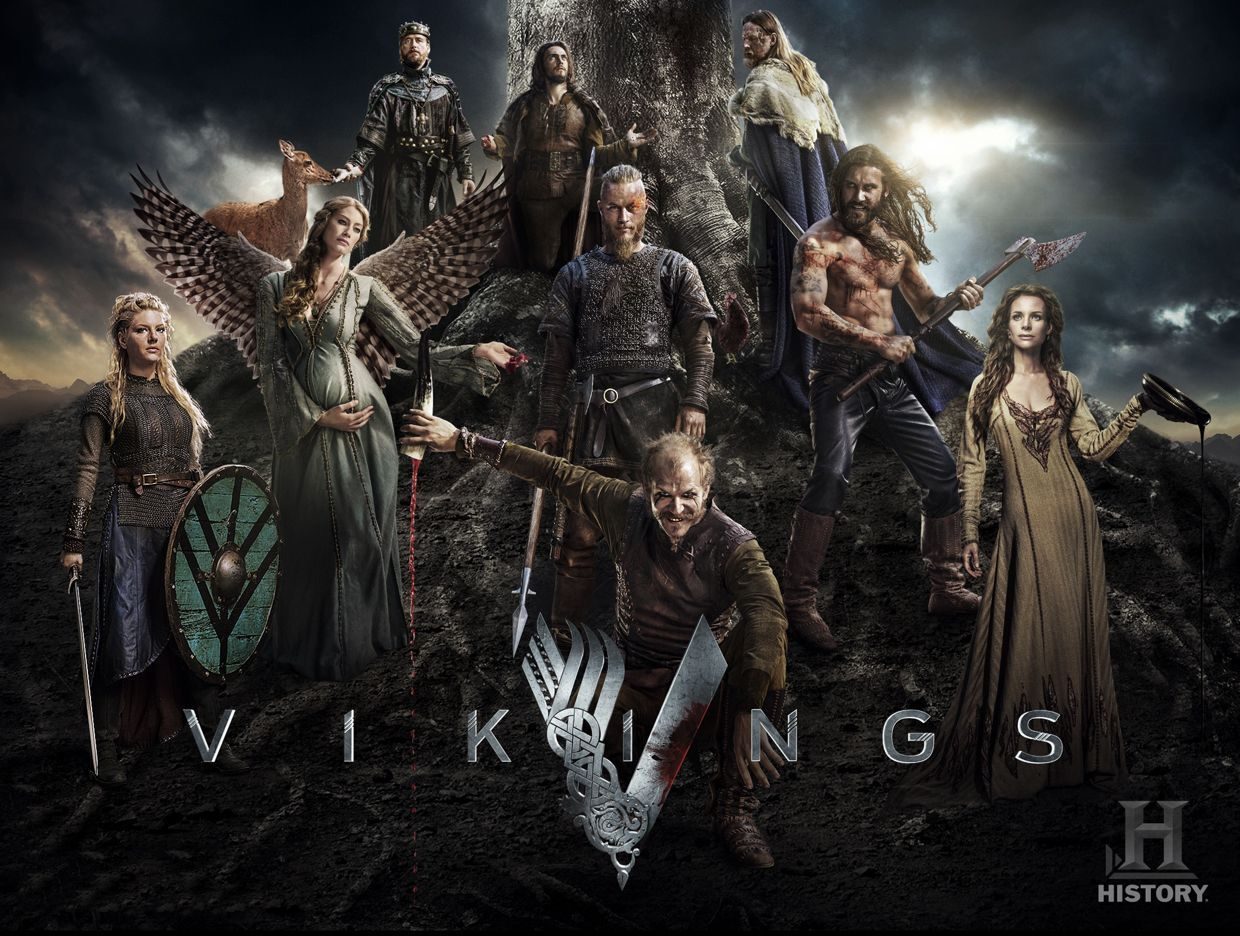
Some will notice that Vikings is not fantasy. But it is hard to call the epic creation of Michael Hirst historically accurate or even plausible: watch the last season, where Ivar the Boneless flies over Kyiv in a hot-air balloon together with Prince Oleg (Danila Kozlovsky). The series took a distinct tilt toward historical fantasy – perhaps the crazy popularity of Game of Thrones is to blame, but Hirst says that was the original intention: to show the ancient North through the eyes of its inhabitants, for whom prophets, valkyries and Odin himself were quite real. But perhaps the main fantasy element of the series was and remains its timeline, in which historical events centuries apart are “collapsed” so that one person could witness them within a lifetime. However, no matter how much Vikings puzzled us by showing that a Norse warrior could witness both life before the expansion and the siege of Paris, the series always clearly stated locations and took time for us to get to know the characters better. The Witcher does not always find time even to name them – not to mention timelines that, until the end of the season, drove mad those who were unfamiliar with the books and games.
Britannia (2018-)
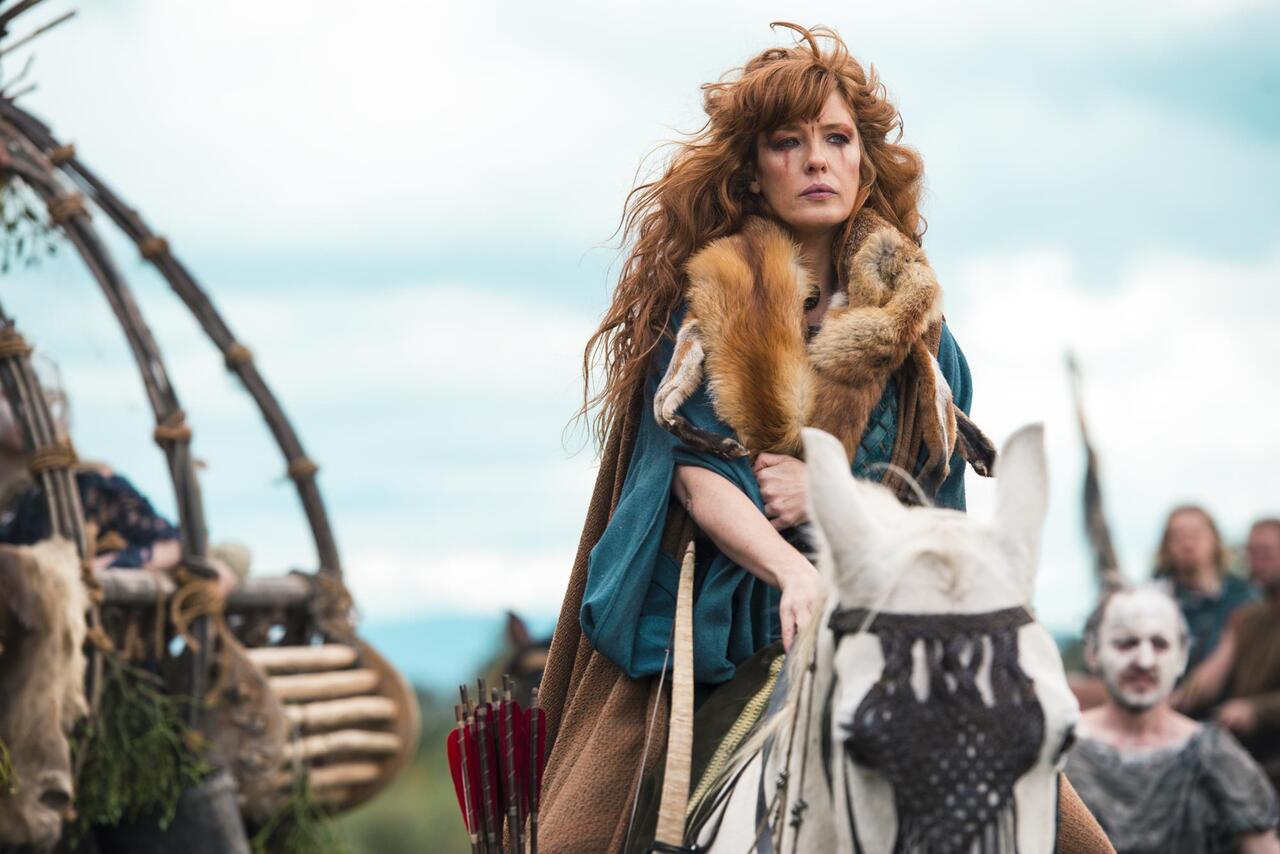
In Britannia from Sky Atlantic the fantasy element is more pronounced than in Vikings, and notes of folk horror make it even more unique. Druids cast spells, women fight (the action takes place in the first century AD, at the dawn of the Roman conquest of Britain), the music does not even pretend to be authentic, mushroom trips turn out to be the sanest part of the plot, envoys discuss the advantages of their gods in the format of Jeopardy-style jokes – “ours has eight arms and six members” – but the show’s sheer audacity and postmodern zeal alone were enough to build a loyal fan base over two seasons. The Witcher could learn not only jokes delivered with a straight face from it, but also stylish production design (it turns out you don’t have to CGI every other location). Oh, and its own Kelly Reilly wouldn’t hurt any series – here she plays a Celtic warrior, but what a Triss Merigold she could have been! Dreams, dreams.
The Dark Crystal: Age of Resistance (2019-)
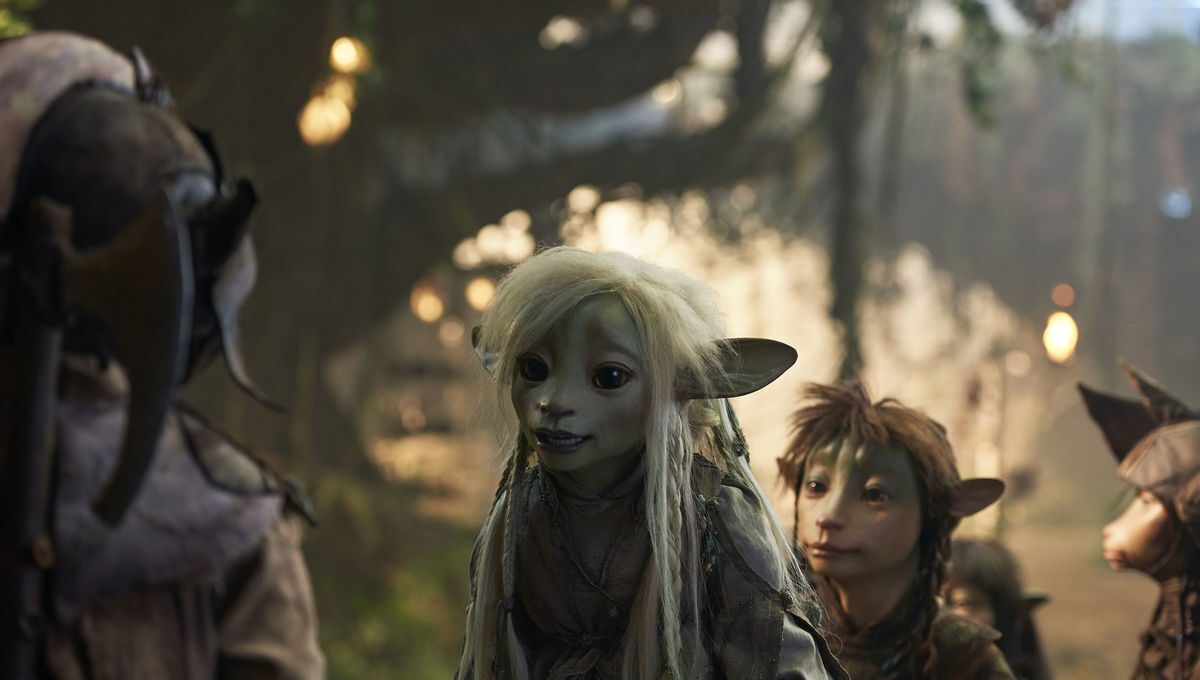
Don’t rush to unsubscribe from Netflix if The Witcher has brought you nothing but pain and disappointment. The service is home to an exemplary dark fantasy with a flawless cast (even if the actors gave it only their voices) – Age of Resistance, voiced by Sigourney Weaver, Taron Egerton, Anya Taylor-Joy, Simon Pegg and other A-list stars. The appearance of a prequel to the 1982 cult cartoon The Dark Crystal caused a fair amount of skepticism among people who think that only Wes Anderson owns the art of puppet animation in 2019. And they were wrong: the series turned out to be not just a desperately expensive puppet show, but also a powerful adventure story that under the wrapping of children’s design hid many bloody surprises – the creators openly admitted they were inspired by Game of Thrones (let’s not point fingers at a series that also wanted to be the new Game of Thrones but became “Superman – Monster Slayer”).
Kingdom (2019-)
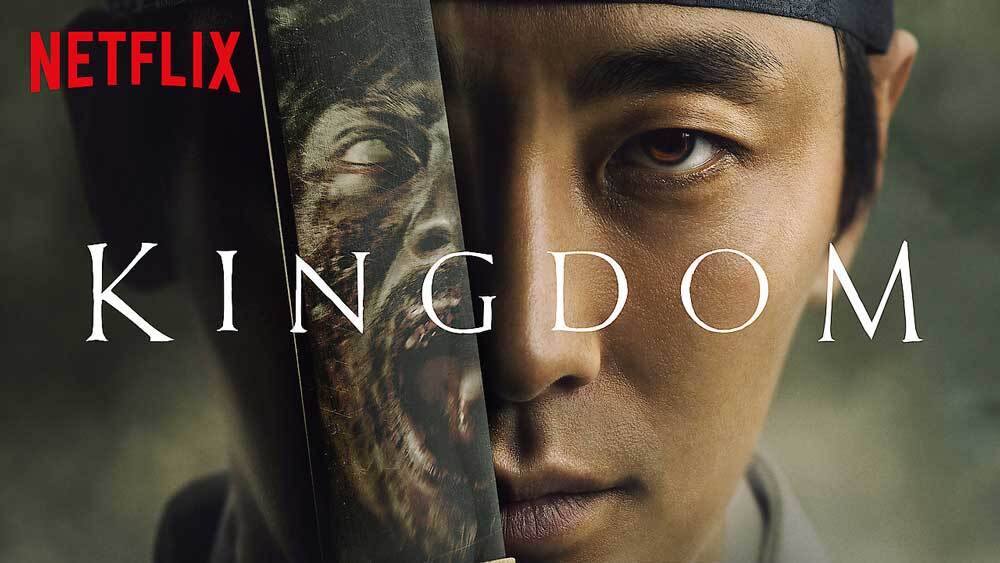
Another recent Netflix hit comes from South Korea. Kingdom pretended to be a zombie action series set in 16th-century Korea, but turned out to be a lavish palace drama with the right fantasy pathos. As The Hero with a Thousand Faces dictates, the main adventure turns out to be the journey of the protagonist, crown prince Lee Chan, in search of his own destiny. And the fact that a mysterious contagion is raging in the kingdom meanwhile is just a side quest (the word “infection” should be read in the voice of Vsevolod Kuznetsov). The other day Netflix released a series of teasers for the second season, and from them it is clear that in March 2020 the series will once again put American shows to shame in terms of editing, work with light, color and sound. However, this has its price. The film crew lost two workers over two years: one was in a car accident while driving up to the set, and another, if you believe the Korean press, died of overwork at the age of 33. So let Lauren Schmidt Hissrich and the whole The Witcher team take a good rest – and then give us a show that won’t need to find a replacement.

Russian Attacks in Dnipropetrovsk Region: Two Killed, Seven Injured

Defense Forces Strike Four Russian Drone Control Points in Past Day, Including in Berdiansk

Britain Threatens Sanctions on Kremlin-Linked People; Poland Ready to Hand Ukraine Ammunition

Russia says it has completed "planned exercises" in the Black Sea

MVD: Fake Riots With Prop Blood Were Being Prepared Near Presidential Office

Law Enforcers Name Another Klitschko Deputy as Suspect

Berlin Holds Protest Against War in Ukraine; EU Prepares for Possible Russian Halt of Gas Supplies
North Korea Fires Ballistic Missile Over Record Distance in Five Years
Irish Fishermen Force Russia to Postpone Naval Drills

US sanctions in case of invasion of Ukraine could completely destroy Russia's economy, NYT reports
