
Chernovetskyi's Company Signs FIFA Player. How Is This Area Doing in Ukraine?
Spoiler: it's developing.
Esports used to exist only within gaming clubs or on PCs, but now it has turned into a huge industry generating multimillion-dollar revenues. Last week in Shanghai the ninth The International (put simply: the world championship) in Dota 2 concluded, and the winning team, OG, received more than $15 million.
Per player, that came to $3.1 million — more than Novak Djokovic earned, who won Wimbledon this year ($2.9 million). Dota 2 is not the only example, because the winner of a similar tournament in Fortnite, Kyle Giersdorf, received $3 million — also more than the Serb. Esports is growing faster than tennis, so the gap will only widen.
These are not yet comparable figures with the most commercially successful tournaments in classic sports — football, basketball, American football — but everyone sees the prospects. Only watching football is more popular among the younger generation than esports disciplines, whereas basketball, boxing, tennis and others are already lagging behind.
70% of sports clubs have already started operating in esports. For example, PSG invested in the Chinese LGD, and now one of the most prominent Dota 2 teams competes under the Paris brand.
But investments by classic sports clubs in the disciplines of their electronic counterparts are even more widespread: football clubs invest in FIFA (PES is still far behind), basketball clubs in NBA 2K, and so on. 21 of the 30 NBA clubs work closely with 2K's product. Manchester City, Schalke, Ajax and others are betting on the football simulator.
They see not only an opportunity to popularize their brand but also, in the long run, to earn directly from video games.
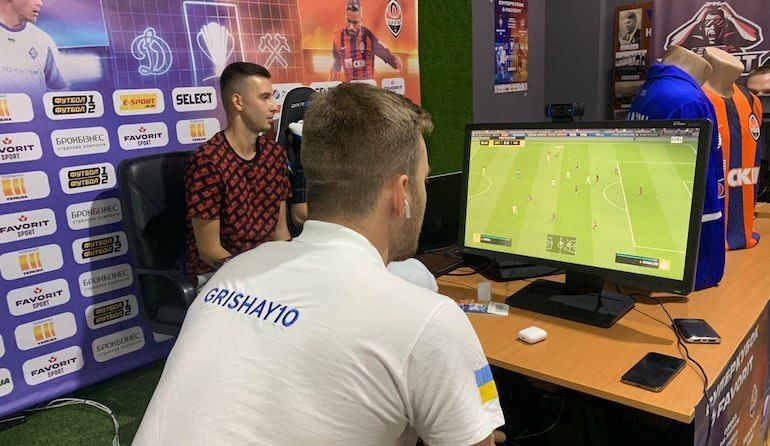
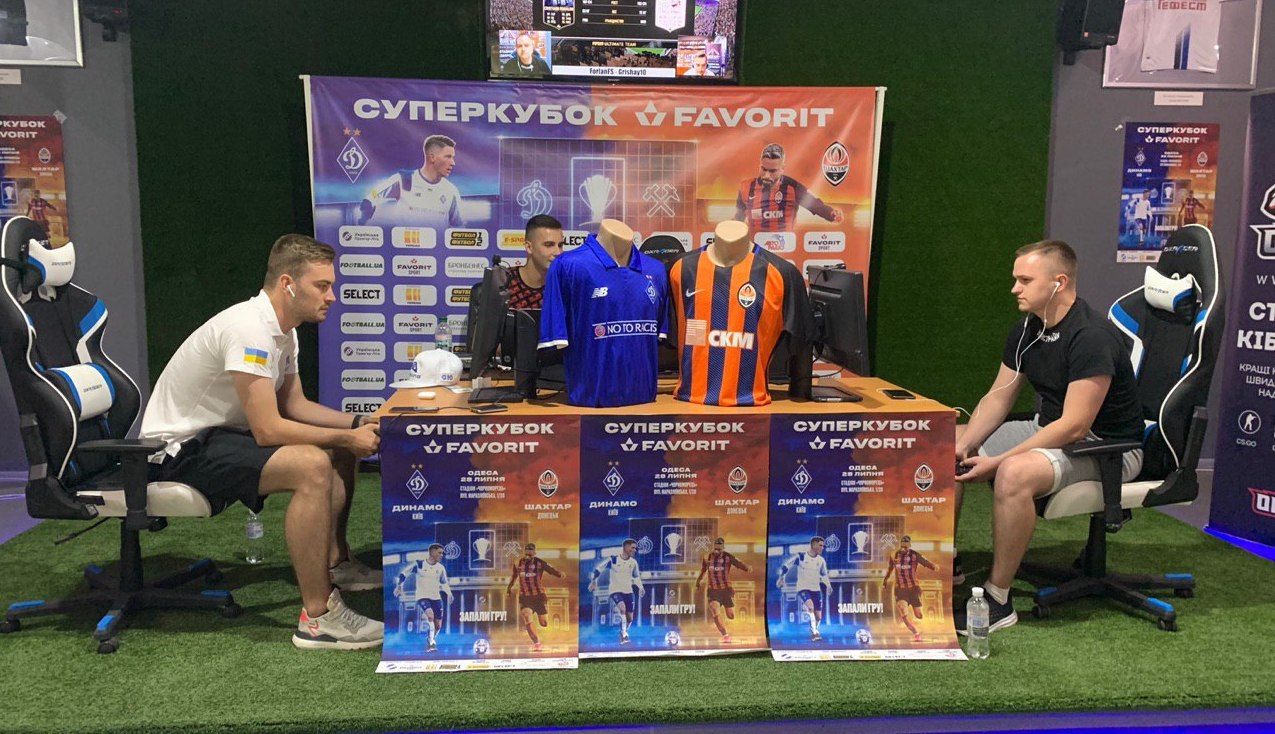
The trend has reached Ukraine too: Dynamo has an esports division for FIFA. And recently the investment company of Stepan Chernovetskyi (son of the former Kyiv mayor), Chernovetskyi Investment Group (CIG), signed a contract with FIFA player Oleksandr Hryshai and created the CIG Gaming esports division.
How much Ukrainian football esports athletes earn from prizes, whether it pays to cooperate with organizations, and why FIFA is not yet as popular as Dota 2: TK Media is told by top Ukrainian FIFA players Oleksandr Hryshai and Oleksii Merser.
What are the prospects for FIFA
The FIFA World Championship from EA Sports, held in early August, had a prize pool of only $500,000, half of which went to the winner, Mohamed Harkous from Germany.
$250,000 is by no means little, but the more than 60-fold gap in prize pools ($500,000 at the FIFA World Championship versus $33 million in Dota) shows the colossal difference in audience interest, which is what generates money.
Oleksandr Hryshai
player of the CIG Gaming FIFA teamFIFA is underrated only because of EA's inactivity in promoting tournaments, but now things have gotten much better. Everything we see is the result of EA's work in the esports market literally over the last five years. Disciplines like CS and Dota have been working in this mode and tempo for about 15-20 years. I think FIFA as esports grows every year, and the game itself has enormous potential.
Everything is really developing. Besides the world championship, there are smaller tournaments, not counting online tournaments, which do not require being in one place. The geography is wide.
Oleksii Merser: “There are usually about ten countries hosting competitions per season, including European ones, America, and even Asian countries. Personally, this season I've been to Russia, Germany, and twice to Great Britain.”
How much do top Ukrainian players earn?
Esports has long been more than just children's games; it has reached a professional level and requires training and discipline. Big money is not easy to earn either.
“Prizes are a very delicate matter: you can win and recoup the season tenfold, or you can win nothing at all over a season and end up in the red. (When comparing season expenses and tournament profits, this is what is meant),” says Merser.
Prizes vary depending on the specific tournament and sponsors. Tournaments organized by the official developer EA Sports have prizes ranging from $30,000 to $40,000, and the world championship has a $500,000 prize pool.
At amateur tournaments, prizes rarely exceed $400–500, but if there are sponsors, the sum can of course be $1,000–2,000, plus the sponsor often provides its products as prizes.
Personally, this season I won about $4,000–5,000, honestly, I didn't count down to the last cent, but there were quite a lot of tournaments. Unfortunately, I failed to take high places and collect large sums at the most “prize-heavy” tournaments, but that's not the most important thing. The most important thing is the experience, which will help me avoid the mistakes made this time.”
But prizes are not the only source of income for players, even in Ukraine.
“For a professional player, of course, tournaments are the most important thing, where he must show himself at his best and take prize places, continues Oleksii Merser. But this income can also be supplemented by salaries from the organization (if there is a contract with it) and, of course, income from social media (if the player has accounts).”
For example, the most successful Ukrainian FIFA player, Yevgen “Yozhyk” Mostovyk, earned only $35,000 in prizes over the 8 years he cooperated with Na’Vi. His YouTube channel, which now has 340,000 subscribers, certainly earns much more.
Is it profitable for players to cooperate with organizations?
If Dota 2 and CS are team games and in any case one has to work within organizations, FIFA players can, if they wish, remain individualists.
If they choose cooperation, there are several options: for example, football clubs sign contracts with esports athletes, and esports organizations (such as Na’Vi and others) can also cooperate with individual players.
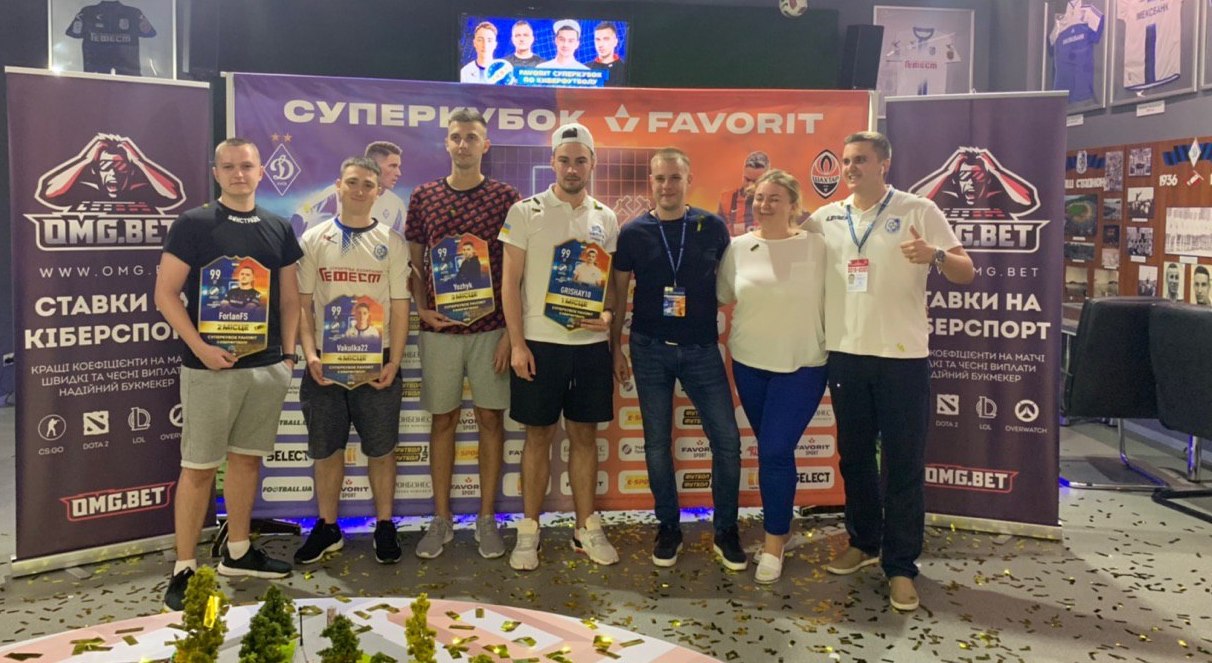
In Ukraine, few football esports athletes cooperate with organizations so far, but there are some: Vitaliy Mukha works with Dynamo eSport, and Oleksii Merser with Winstrike Team. Oleksandr Hryshai signed an agreement with CIG Gaming this summer.
Oleksandr Hryshai
player of the CIG Gaming FIFA teamIn Ukraine, the trend of forming professional teams is only just developing. This is the beginning of a new story not only for me, but for Ukrainian esports as a whole. CIG Gaming is a new ambitious project, and I want to be part of it. And, of course, it's great that they provide me with a training base with all the necessary equipment, support participation in international tournaments, and give me the opportunity to play with the best players in the world. Now I can focus on the game and developing my skills without thinking about other issues. That's really what a professional player needs.
Merser: “The organization often helps from a financial point of view, and the personal manager also tries to keep the moral side in good shape. They provide everything needed on the technical side. Honestly, in our circumstances there are very few downsides to cooperating with an organization, and for me, perhaps, there are none at all, because they help in every possible way.”
But in some situations it is better for players and clubs to part ways. Organizations have obligations to sponsors and, naturally, pass them on to players. Those who become popular may receive offers from other advertisers. Then it is mutually beneficial to end the cooperation and work for oneself, as Yozhyk did when he left Na’Vi.
TK Media

Russian Attacks in Dnipropetrovsk Region: Two Killed, Seven Injured

Defense Forces Strike Four Russian Drone Control Points in Past Day, Including in Berdiansk

Britain Threatens Sanctions on Kremlin-Linked People; Poland Ready to Hand Ukraine Ammunition

Russia says it has completed "planned exercises" in the Black Sea

MVD: Fake Riots With Prop Blood Were Being Prepared Near Presidential Office

Law Enforcers Name Another Klitschko Deputy as Suspect

Berlin Holds Protest Against War in Ukraine; EU Prepares for Possible Russian Halt of Gas Supplies
North Korea Fires Ballistic Missile Over Record Distance in Five Years
Irish Fishermen Force Russia to Postpone Naval Drills

US sanctions in case of invasion of Ukraine could completely destroy Russia's economy, NYT reports
