
Media Report China Tested Hypersonic Missile: What It Is and Which Other Countries Are Developing Such Technologies
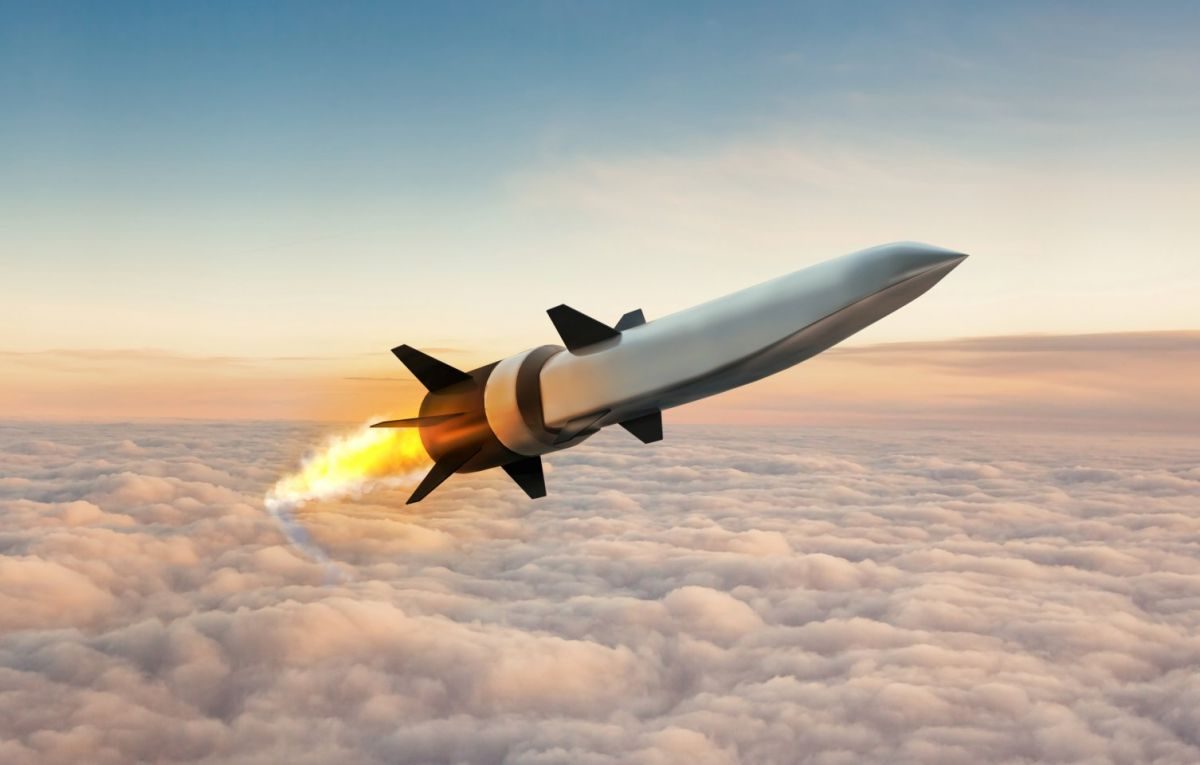
US concerned about China's military capabilities.
In August, China tested a hypersonic missile capable of carrying nuclear weapons. This was reported by sources Financial Times, who are familiar with the tests, and Al Jazeera.
China's Tests
Sources said the hypersonic missile orbited the Earth in low orbit and was then directed at a target, “demonstrating advanced space capabilities that caught US intelligence by surprise.”
Three people briefed on the intelligence said the missile missed its target by more than 32 km. However, two said that “the tests showed that China has made impressive progress in hypersonic weapons and was far more advanced than US officials had assumed.”
The FT writes that the hypersonic vehicle was carried by a Long March rocket, whose launches China usually announces, but the August tests were kept secret.
Pentagon spokesman John Kirby said he would not comment on the details of the report, but noted that “we have made it clear that we are concerned about the military capabilities that China continues to develop, capabilities that only increase tensions in the region and beyond.”
What Kind of Missile This Is
Hypersonic missiles, like traditional ballistic missiles, are capable of delivering nuclear weapons. They can fly at speeds more than five times the speed of sound. However, ballistic missiles travel high into space along an arc to reach their target, while hypersonic missiles fly along a trajectory low in the atmosphere, potentially reaching their target faster.
In addition, hypersonic missiles are maneuverable, which makes them difficult to track and defend against. They are able to maneuver using aerodynamic forces.
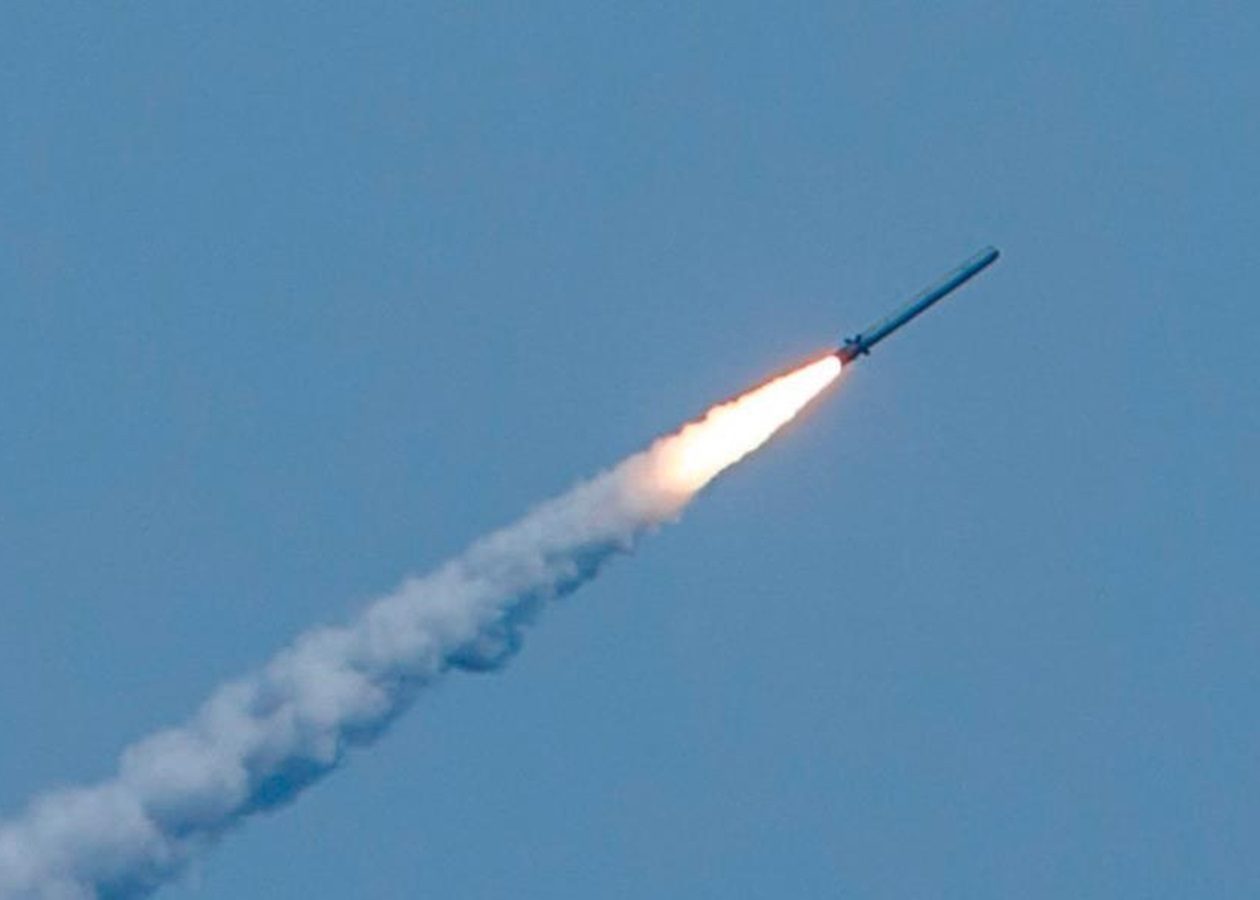
Missile weapons are, by their nature, long-range weapons in which the means of destruction are delivered to the target by missiles—unmanned aerial vehicles equipped with jet engines. Such weapons have an extremely wide range of functional uses and broad design features.
Key characteristics include: launch range, size and type of warhead, accuracy of hitting the target, type of guidance system, type of engine, flight speed, mass, overall dimensions and class.
Which Other Countries Are Developing Such Weapons
Along with China, the US, Russia and at least five other countries are working on hypersonic technologies. While countries such as the US have developed systems designed to defend against cruise and ballistic missiles, the ability to track and destroy hypersonic missiles remains in question.
In September 2021, North Korea announced the successful test of a hypersonic missile, although the country had no such weapon before.
The US has been developing hypersonic weapons since the late 1980s, but work on creating them was significantly accelerated after President of Russia Vladimir Putin announced in March 2018 the creation and successful testing of the Avangard hypersonic glide vehicle.
Admiral Charles Richard, head of the US Strategic Command, called 2020 a “turning point” in the development and deployment of a new type of weapon. For 2020, the Pentagon requested $2.6 billion from Congress for research and development of land-, sea- and air-based hypersonic weapons.
On August 25, 2021, analysts at the US Congressional Research Service published an updated report, “Hypersonic Weapons: Background and Issues for Congress.” They acknowledged that the US was lagging in the development of hypersonic weapons.
According to the report, the US Air Force will be the first to receive hypersonic weapons: AGM-183 ARRW missiles are to be deployed in fiscal year 2022. The Army may receive a prototype of the Long-Range Hypersonic Weapon system in fiscal year 2023.
The US Navy will receive the first examples of the Conventional Prompt Strike hypersonic system on Ohio-class submarines in fiscal year 2025, and by 2028 the system will be fitted to Virginia-class nuclear submarines.
As for China's developments, in January 2014 it became known that the country had tested the WU-14 hypersonic warhead, with a speed of up to Mach 10. The following year, China conducted four tests of an aircraft moving at more than 11,000 km/h.
In 2019, China tested a hypersonic cruise missile with a ramjet engine, which fits in size into the vertical launch cells of Chinese Navy Type 055 and 052D destroyers.

Russian Attacks in Dnipropetrovsk Region: Two Killed, Seven Injured

Defense Forces Strike Four Russian Drone Control Points in Past Day, Including in Berdiansk

Britain Threatens Sanctions on Kremlin-Linked People; Poland Ready to Hand Ukraine Ammunition

Russia says it has completed "planned exercises" in the Black Sea

MVD: Fake Riots With Prop Blood Were Being Prepared Near Presidential Office

Law Enforcers Name Another Klitschko Deputy as Suspect

Berlin Holds Protest Against War in Ukraine; EU Prepares for Possible Russian Halt of Gas Supplies
North Korea Fires Ballistic Missile Over Record Distance in Five Years
Irish Fishermen Force Russia to Postpone Naval Drills

US sanctions in case of invasion of Ukraine could completely destroy Russia's economy, NYT reports
