
Either the State Stops the Constitutional Court, or the Constitutional Court Stops the State
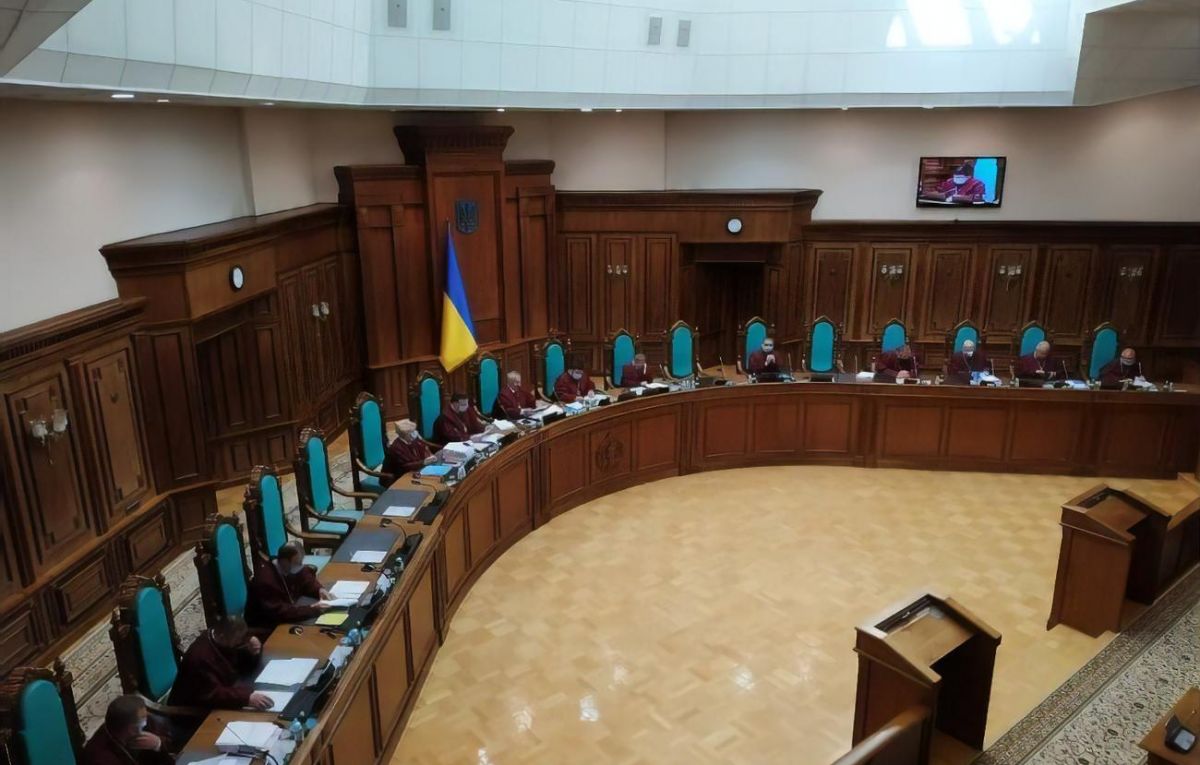
Let me tell you one personal story.
For a long time I was investigating the corruption of a senior police officer, deputy head of the investigative department of the National Police, Shevtsov, whose family suddenly acquired ownership of 600 square meters of elite commercial real estate on Shota Rustaveli Street in the center of the capital. I established that this property was involved in a criminal case investigated by Shevtsov's department, and the fact that he concealed this property from declaration was superfluous evidence of intent.
My work attracted the attention of the NABU, which opened a criminal case against Shevtsov for submitting false declaration information. But recently, instead of announcing a suspicion, NABU detectives were forced to close the case, because our Constitutional Court, saving itself from criminal liability, killed asset declaration as a key component of the state's anti-corruption policy. Together with themselves, the judges of the Constitutional Court saved from responsibility a multitude of corrupt officials, including the above-mentioned Shevtsov, and now I am forced to catch up with him almost from zero.
Such situations are hundreds, and most importantly, there is no guarantee against another anti-corruption move by the Constitutional Court in the future. Therefore, restoring declarations is just the tip of the iceberg, which means the problem must be solved comprehensively.
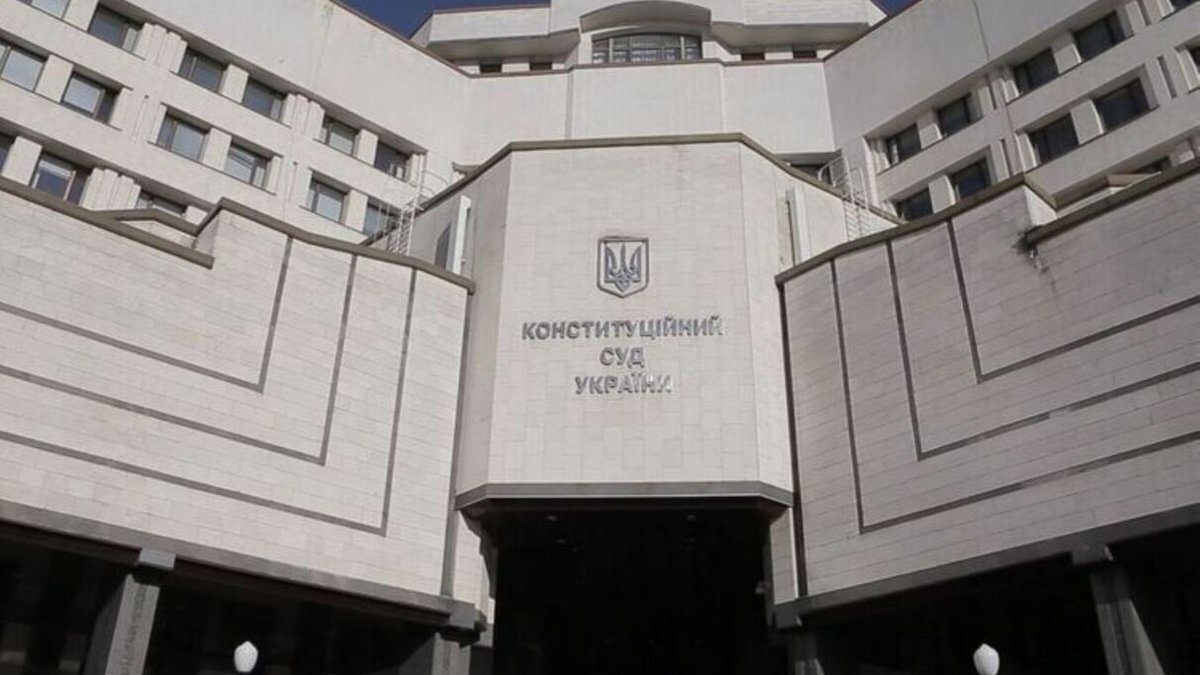
Simply restoring criminal liability for the "Shevtsovs" who were subject to it before the Constitutional Court's decision is no longer possible, since the court annulled it by declaring it unconstitutional. And despite the fact that even the Venice Commission found that the Constitutional Court judges made an unjustified decision with procedural violations and under conflict of interest conditions, this decision cannot be annulled, since it is final and not subject to appeal.
In an ideal state, such judges would have long ago retired voluntarily, but that is in an ideal world. Our judges are prevented from giving up their robes both by the absence of conscience and by the politico-business conglomerates they work for.
Obviously, parliament will restore liability for false declarations, but, again, everyone who committed a crime before the Constitutional Court's decision will avoid it. But this decision by parliament does not solve the problem of judges who, protecting their property, destroyed the nationwide system and do not protect us from their arbitrariness in the future.
Put more simply, either the state stops this composition of the Constitutional Court, or it stops the state.

Russian Attacks in Dnipropetrovsk Region: Two Killed, Seven Injured

Defense Forces Strike Four Russian Drone Control Points in Past Day, Including in Berdiansk

Britain Threatens Sanctions on Kremlin-Linked People; Poland Ready to Hand Ukraine Ammunition

Russia says it has completed "planned exercises" in the Black Sea

MVD: Fake Riots With Prop Blood Were Being Prepared Near Presidential Office

Law Enforcers Name Another Klitschko Deputy as Suspect

Berlin Holds Protest Against War in Ukraine; EU Prepares for Possible Russian Halt of Gas Supplies
North Korea Fires Ballistic Missile Over Record Distance in Five Years
Irish Fishermen Force Russia to Postpone Naval Drills

US sanctions in case of invasion of Ukraine could completely destroy Russia's economy, NYT reports
