
El Salvador Becomes First Country to Make Bitcoin Official Currency as Rate Plunges and Residents Protest
Most citizens do not know how to use cryptocurrency.
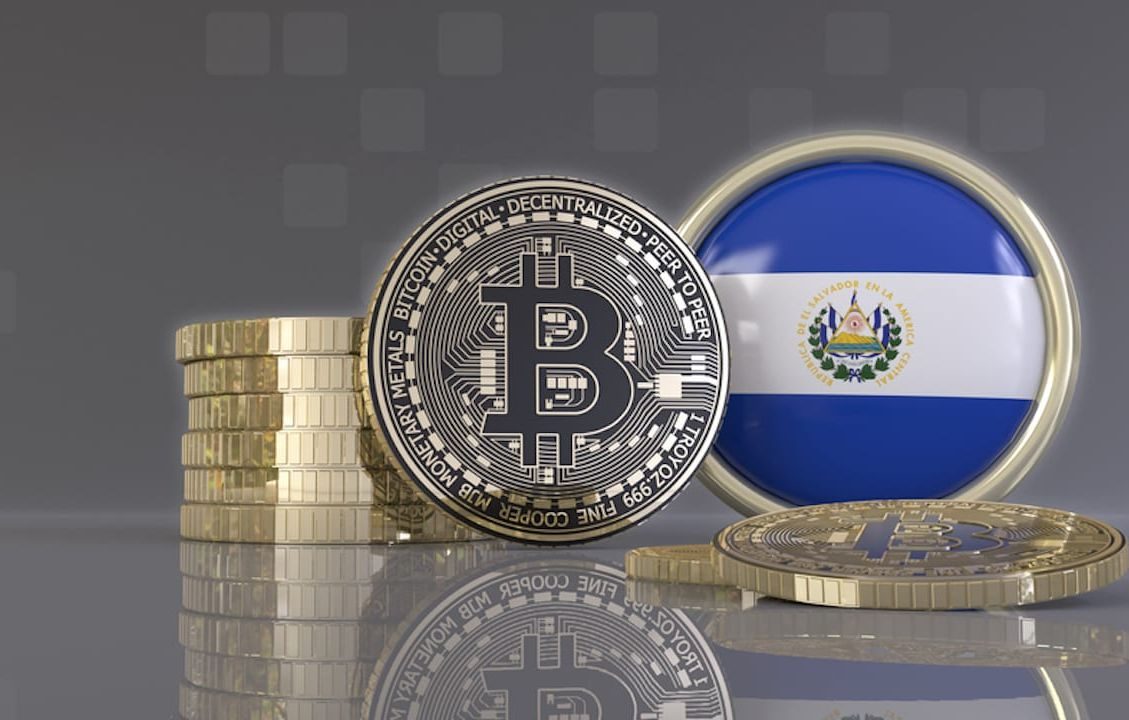
El Salvador has become the first country in the world to recognize bitcoin as an official means of payment alongside the US dollar. A corresponding law, which was passed in June at the initiative of President Nayib Bukele, has already come into effect. Here is what is happening after these changes.
Why the law was adopted
The 40-year-old president of El Salvador believes that official use of bitcoin will help the country's economy grow, provide access to financial services for citizens who do not have bank accounts (up to 70% of the country's residents), create new jobs, and save citizens working abroad $400 million, the amount they spend every year on transfer fees to send money to their families.
According to the World Bank, in 2020 the total amount of such transfers reached $5.9 billion, which is almost a quarter of El Salvador's GDP.
Authorities point to the Bitcoin Beach project in the city of El Zonte, 50 km from San Salvador, as an example of successful bitcoin adoption. Since 2019, the city has been using cryptocurrency to pay for services and goods, particularly essential goods. Project managers said that about half of El Zonte's residents use bitcoin.
Under the adopted law, the bitcoin-to-dollar exchange rate is freely set by the market, exchange transactions are not subject to capital gains tax, and the government covers the conversion fees.
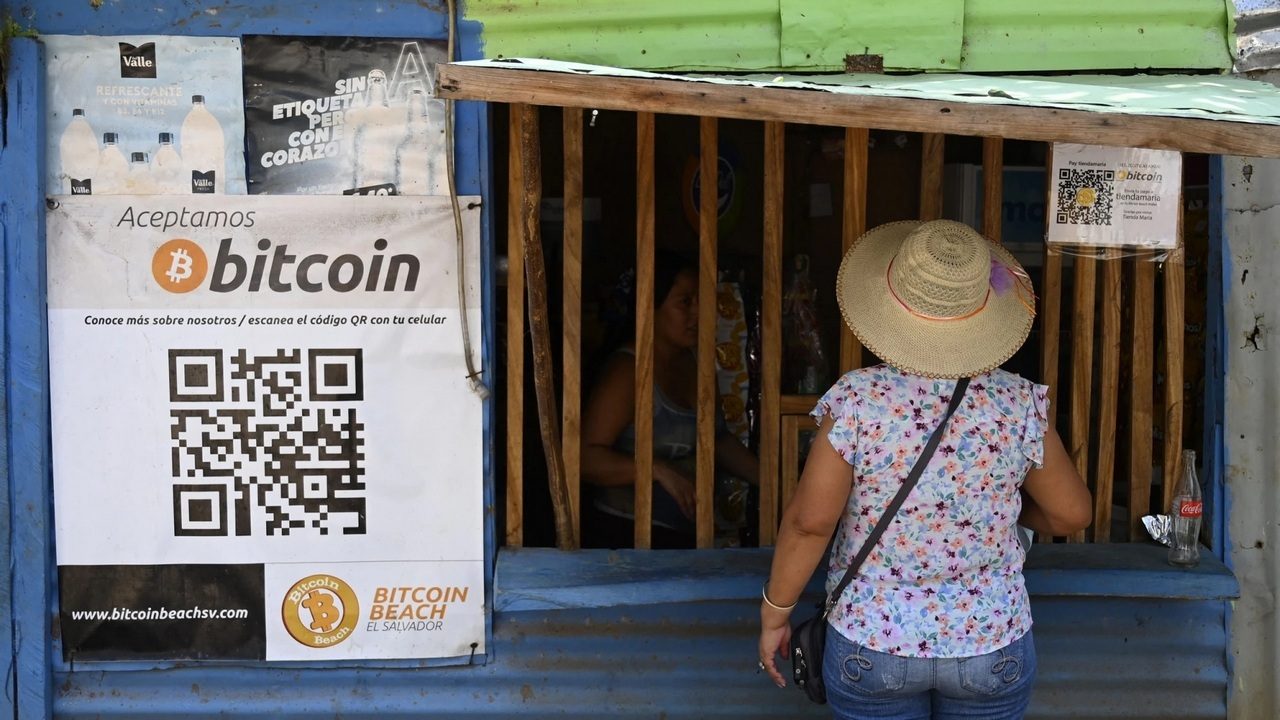
The document also means that in El Salvador it will be possible to pay for goods and services with bitcoin, and even pay taxes with it. Only those who do not have access to the necessary technology are exempt from the obligation to accept cryptocurrency. However, the country's authorities have promised to provide training and expand infrastructure.
On September 7, cryptocurrency was already being accepted at McDonald's, Pizza Hut and Starbucks. It is still unclear whether penalties are provided for failing to comply with the established rules. The law says nothing about this. According to the president, using bitcoin is not mandatory.
Bitcoin rate plunged
For several months, the authorities of El Salvador prepared for the legalization of bitcoin:
- allocated $150 million to support the reform
- began installing 200 ATMs for converting cryptocurrency into dollars
- announced the launch of the Chivo bitcoin wallet, each user of which was promised a bonus of $30 in bitcoin
It is worth noting that 34% of the country's residents do not use the internet. On the eve of the law taking effect, the president announced that the country had purchased its first 400 bitcoins, which cost El Salvador about $20.9 million.
After Bukele's statements, the bitcoin rate exceeded the $52,000 mark for the first time since mid-May 2021. However, on the same day it sharply dropped to $43,000 and below. The president and his supporters blamed the International Monetary Fund for the decline. After the rate fell, the country bought another 150 bitcoins.
Protests
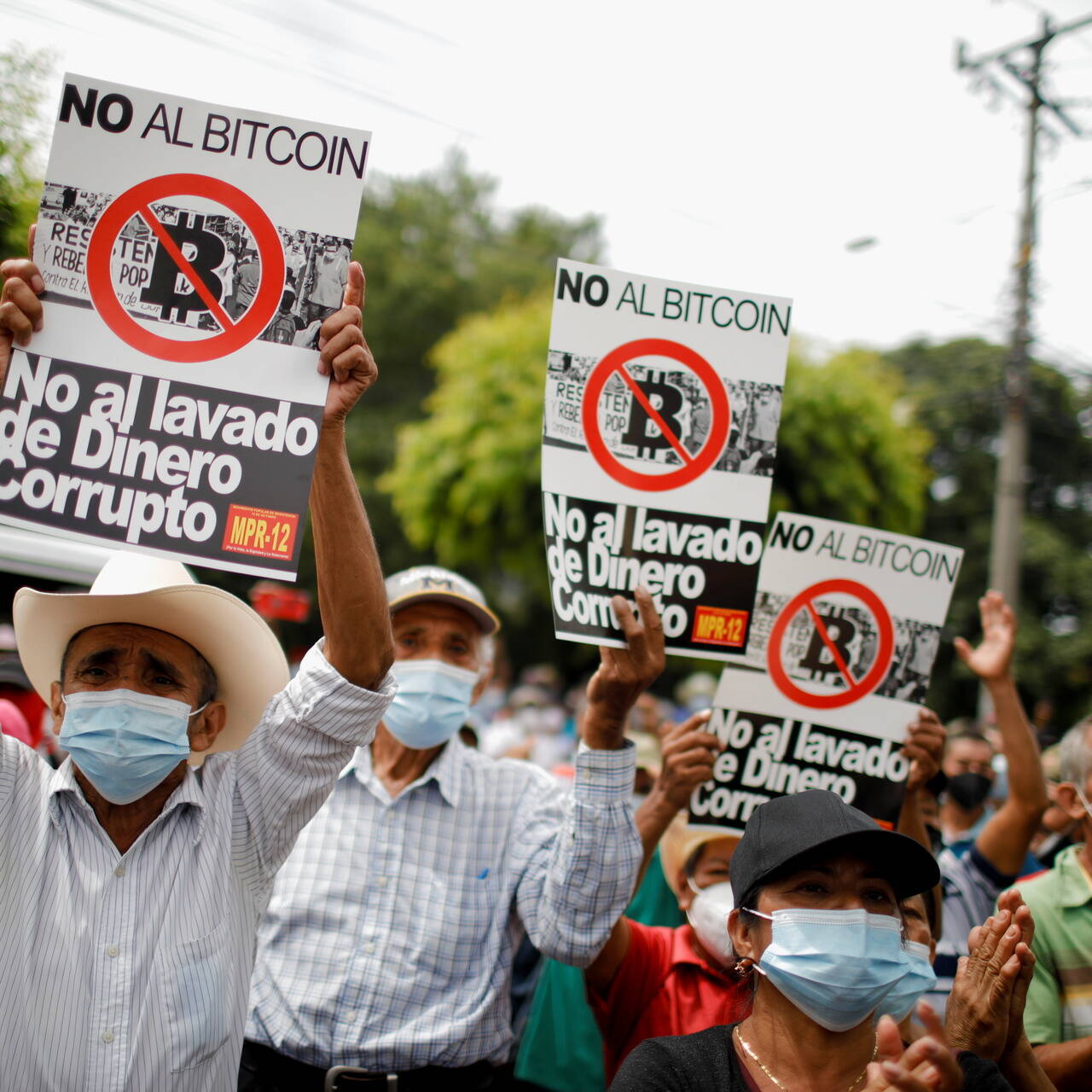
Although the president's approval rating reaches 85%, residents of El Salvador have met his initiative with protests and distrust. According to poll results, most citizens do not support the legalization of bitcoin, because they do not know how to use it, and also believe that the main beneficiaries of this reform will be officials, foreign investors and wealthy people.
Sharp fluctuations in the cryptocurrency rate are also causing concern: in September 2020 bitcoin cost about $10,000, in April 2021 it was $60,000, and in June 2021 it was $30,000.
Experts believe that holders of large wallets can influence the rate. By the end of 2020 alone, there were about 2,000 wallets, each containing at least 1,000 bitcoins. It is unknown who controls them, but if their owners decide to sell their assets, the cryptocurrency rate could plunge.
Some experts criticized the speed at which the law was adopted. On June 5, Bukele first announced that he was preparing his initiative, and three days later the law had already been passed without public debate or technical studies.
The IMF, which provided El Salvador with a loan in 2020, fears that crypto assets could be used for money laundering, terrorist financing and tax evasion. The World Bank also noted, among the potential adverse effects of the reform, the harm to the environment.
The Central American Bank for Economic Integration supported the country's initiative and even helped with the work on introducing cryptocurrency. Supporters of the reform said that the adopted law is an indicator of "growing approval of cryptocurrency." They expect other countries to follow this example.

Russian Attacks in Dnipropetrovsk Region: Two Killed, Seven Injured

Defense Forces Strike Four Russian Drone Control Points in Past Day, Including in Berdiansk

Britain Threatens Sanctions on Kremlin-Linked People; Poland Ready to Hand Ukraine Ammunition

Russia says it has completed "planned exercises" in the Black Sea

MVD: Fake Riots With Prop Blood Were Being Prepared Near Presidential Office

Law Enforcers Name Another Klitschko Deputy as Suspect

Berlin Holds Protest Against War in Ukraine; EU Prepares for Possible Russian Halt of Gas Supplies
North Korea Fires Ballistic Missile Over Record Distance in Five Years
Irish Fishermen Force Russia to Postpone Naval Drills

US sanctions in case of invasion of Ukraine could completely destroy Russia's economy, NYT reports
