
The End of the 'Toxic Era' of Leaded Gasoline: What It Was and Why It Was Phased Out
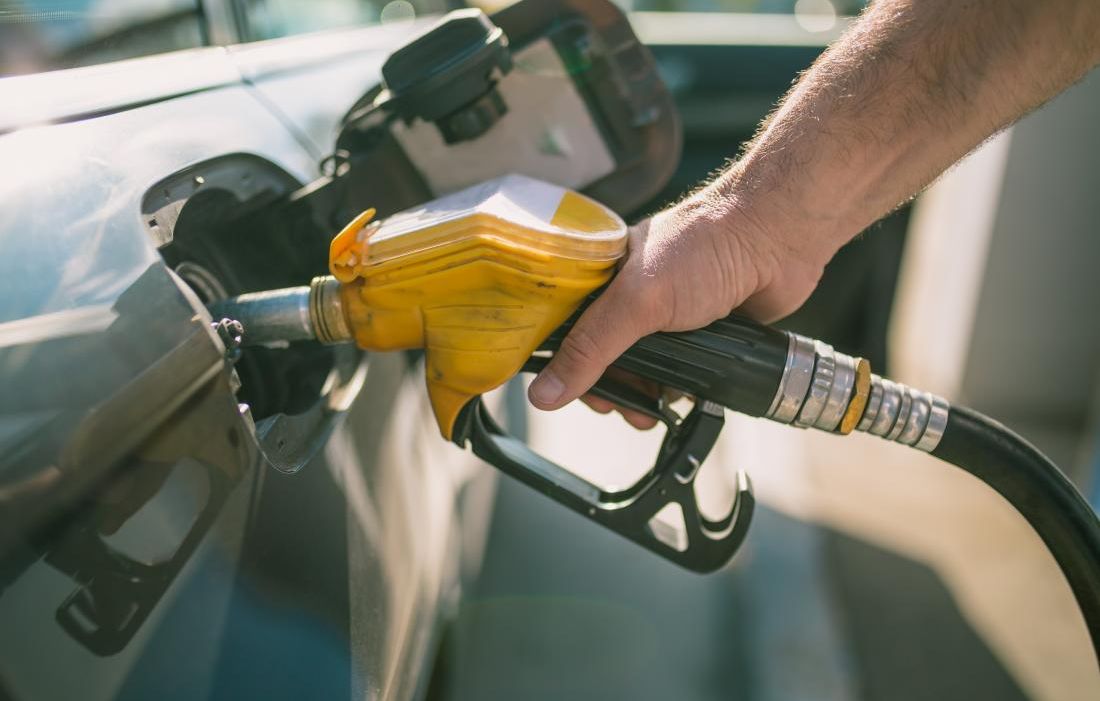
There is no longer a single country that uses the fuel for cars.
The 'toxic era' of leaded gasoline is over — there is no longer a single country that uses it for cars. This was announced by the UN environmental programme.
Most wealthy countries banned the fuel back in the 1980s, but only in July 2021 did Algeria — the last country still using leaded gasoline — use up its remaining stocks of the fuel.
UN Secretary-General António Guterres called the phasing out of leaded gasoline an 'international success story'.
António Guterres
UN Secretary-GeneralAbandoning leaded gasoline could prevent 1 million premature deaths from heart disease, strokes and cancer. It would also protect children whose brain development has been harmed by lead.
Origins of use
Lead began to be added to fuel in the early 1920s as an 'additive' to improve its performance. The word 'ethyl' was deliberately used so as not to frighten users with the word lead.
The effects of TEL (tetraethyl lead) were first discovered in 1921 at General Motors in the US. In 1923, three of the largest American corporations created a joint venture called the Ethyl Gasoline Corporation. The inventor, Thomas Midgley, was well aware of the dangers of lead poisoning and warned his superiors, but money was more important.
In 1924 the first alarm bell sounded at the American oil giant Standard Oil, where five workers died and dozens more were hospitalized. Despite this, lead continued to be added to gasoline around the world until the 1970s.
After this, wealthy countries gradually began to abandon the harmful fuel, although as late as the early 2000s there were 86 countries where cars were still being fuelled with it.
In North Korea, Myanmar and Afghanistan, its sale was halted by 2016. After that, leaded fuel was used only in Iraq, Yemen and Algeria — until recently.
The fight against the fuel
The UN environmental programme worked with governments, companies and the public to end the use of this fuel starting in 2002. The programme's executive director said: 'In the story of leaded gasoline, all of humanity's mistakes are imprinted in miniature at every level of society.'
At the same time, abandoning leaded fuel shows that 'humanity can learn from its mistakes and fix what it has done'. Greenpeace welcomed what it called the 'end of the toxic era'.
Tatiana Chinyavanu
Greenpeace representativeThis shows that if we can abandon one of the most dangerous and dirty fuels of the 20th century, we can ultimately abandon fossil fuels altogether.
TEL poisoning
Tetraethyl lead is a volatile poisonous liquid that, at a temperature of 0 degrees Celsius, turns into vapour and enters the body through the upper respiratory tract. TEL can also enter the body through intact skin.
The substance is a powerful poison that selectively affects the nervous system, causing acute, subacute and chronic poisoning. The latter is caused by functional accumulation, which is characteristic of this toxic substance.
Extremely toxic fuel containing lead polluted air, soil and water for almost 100 years. It caused heart disease, cancer and strokes. Such gasoline was also linked to problems with children's brain development.

Russian Attacks in Dnipropetrovsk Region: Two Killed, Seven Injured

Defense Forces Strike Four Russian Drone Control Points in Past Day, Including in Berdiansk

Britain Threatens Sanctions on Kremlin-Linked People; Poland Ready to Hand Ukraine Ammunition

Russia says it has completed "planned exercises" in the Black Sea

MVD: Fake Riots With Prop Blood Were Being Prepared Near Presidential Office

Law Enforcers Name Another Klitschko Deputy as Suspect

Berlin Holds Protest Against War in Ukraine; EU Prepares for Possible Russian Halt of Gas Supplies
North Korea Fires Ballistic Missile Over Record Distance in Five Years
Irish Fishermen Force Russia to Postpone Naval Drills

US sanctions in case of invasion of Ukraine could completely destroy Russia's economy, NYT reports
