
Media: EU Concerned About Abuse of Visa-Free Travel by Ukraine and Other Countries

EU member states will discuss the issue on October 13.
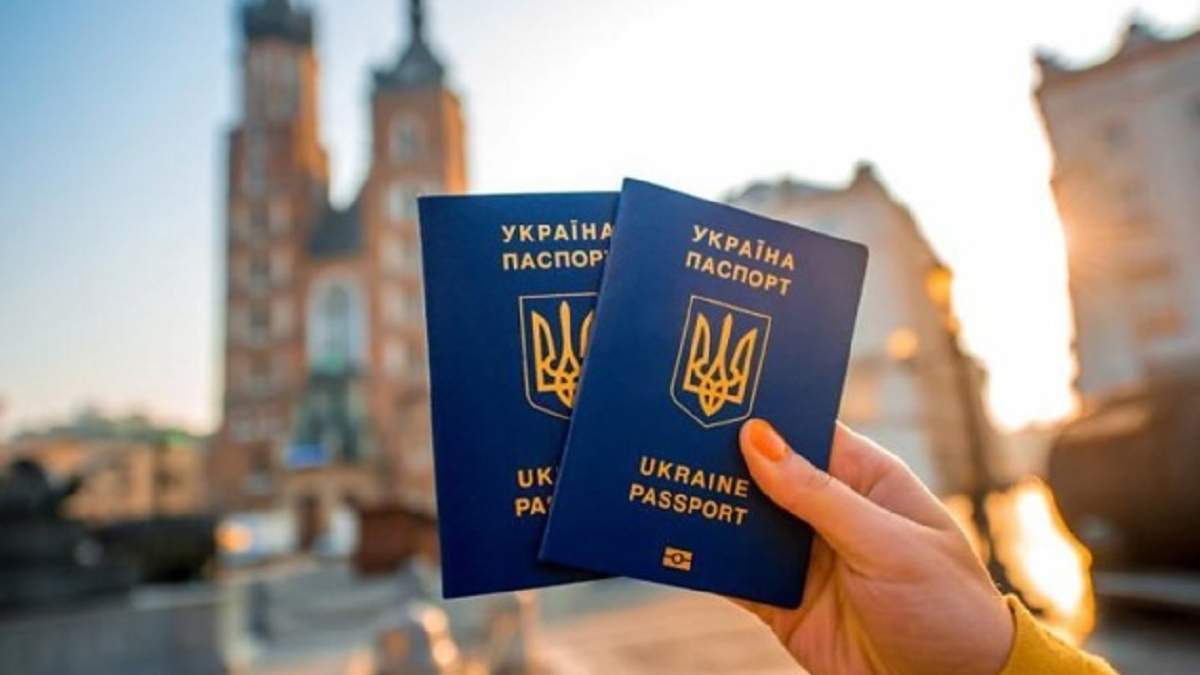
Some European Union countries have raised the question of possibly ending the visa-free regime with the Western Balkan countries, Ukraine, Georgia and Moldova, due to a series of abuses by citizens of these states. This is reported by Euobserver and RFERL, which have reviewed an internal EU document.
The document is dated September 27. It became known on the eve of European Commission head Ursula von der Leyen's trip to the Western Balkans. EU member states are expected to discuss the issue on October 13.
The abuses that have irritated EU states include illegal residence by citizens of visa-free countries and unfounded asylum applications. Germany, France and Italy have recently grown increasingly frustrated over visa-free travel abuse.
The document refers to an increase in "offenses related to unauthorized residence" by citizens of Albania, Moldova, Ukraine and Serbia, as well as a more than 50% increase over the past three months in asylum applications from Georgian citizens compared with the same period in 2019, before the coronavirus pandemic.
The visa-free suspension mechanism provides that an increase of more than 50% in cases of illegal stay or asylum requests with a low approval rate may lead to the reintroduction of visas.
Germany's document cites Moldova as a particularly serious case, with a 429% increase when comparing the periods from June to August 2019 and from June to August 2021. Italy also expressed doubts about Moldova. It is noted that human trafficking networks operating through "neighboring countries" are abusing visa-free travel and increasing the possibility of Moldova losing visa-free status "in case of insufficient progress."
France cites problems caused by citizens of Albania, Georgia and Serbia. Belgium reported a problem caused by a "worrying increase" in asylum applications from Moldova in 2021. The Czech Republic said there has been a rise in unfounded asylum applications from citizens of Georgia, Moldova and Ukraine.
The Netherlands is the only EU member that called for suspending the visa-free regime with Albania in 2019, but the European Commission rejected the request.
The EU visa regime was lifted for Montenegro, Serbia and North Macedonia in December 2009, for Albania and Bosnia in 2010, for Moldova in 2014, and for Georgia and Ukraine in 2017.
In August, the European Commission published a report under the visa suspension mechanism, which stated that Ukraine as a whole continues to meet the conditions for visa liberalization. However, it emphasized the need for greater action in the areas of anti-corruption, countering money laundering and fighting organized crime.
In February 2017, the EU Council approved a mechanism for suspending visa-free regimes with third countries. The document sets out five reasons why visa-free travel may be suspended. Four of the reasons concern migration: the EU reserves the right to reinstate visas for any country that becomes a source of migration threat. The fifth reason is a backslide in reforms.
Ukraine's Foreign Ministry commented on media reports about the possibility of ending the visa-free regime. Foreign Ministry spokesperson told NV that the Ukrainian side has not received official signals from the European Commission about a threat to end the visa-free regime with the EU. According to him, there are no reasons for such a decision, and there cannot be any.
Oleg Nikolenko
Foreign Ministry spokesperson of UkraineUkraine's Foreign Ministry has already proposed that certain EU member states and the European Commission hold consultations to clarify certain provisions of Ukrainian legislation. We expect such expert consultations to take place in the near future. At the same time, Ukraine is finalizing a national report on the implementation of visa liberalization conditions with the EU, in which we will inform European partners about work on the European Commission's recommendations.
He stated that Ukraine is not a country with a high migration risk, and that "cooperation with the EU in the field of readmission, as one of the key factors for the proper functioning of visa-free travel, is taking place at an appropriate level."

Russian Attacks in Dnipropetrovsk Region: Two Killed, Seven Injured

Defense Forces Strike Four Russian Drone Control Points in Past Day, Including in Berdiansk

Britain Threatens Sanctions on Kremlin-Linked People; Poland Ready to Hand Ukraine Ammunition

Russia says it has completed "planned exercises" in the Black Sea

MVD: Fake Riots With Prop Blood Were Being Prepared Near Presidential Office

Law Enforcers Name Another Klitschko Deputy as Suspect

Berlin Holds Protest Against War in Ukraine; EU Prepares for Possible Russian Halt of Gas Supplies
North Korea Fires Ballistic Missile Over Record Distance in Five Years
Irish Fishermen Force Russia to Postpone Naval Drills

US sanctions in case of invasion of Ukraine could completely destroy Russia's economy, NYT reports
