
G7 Calls Omicron Variant the Most Serious Threat to Global Health
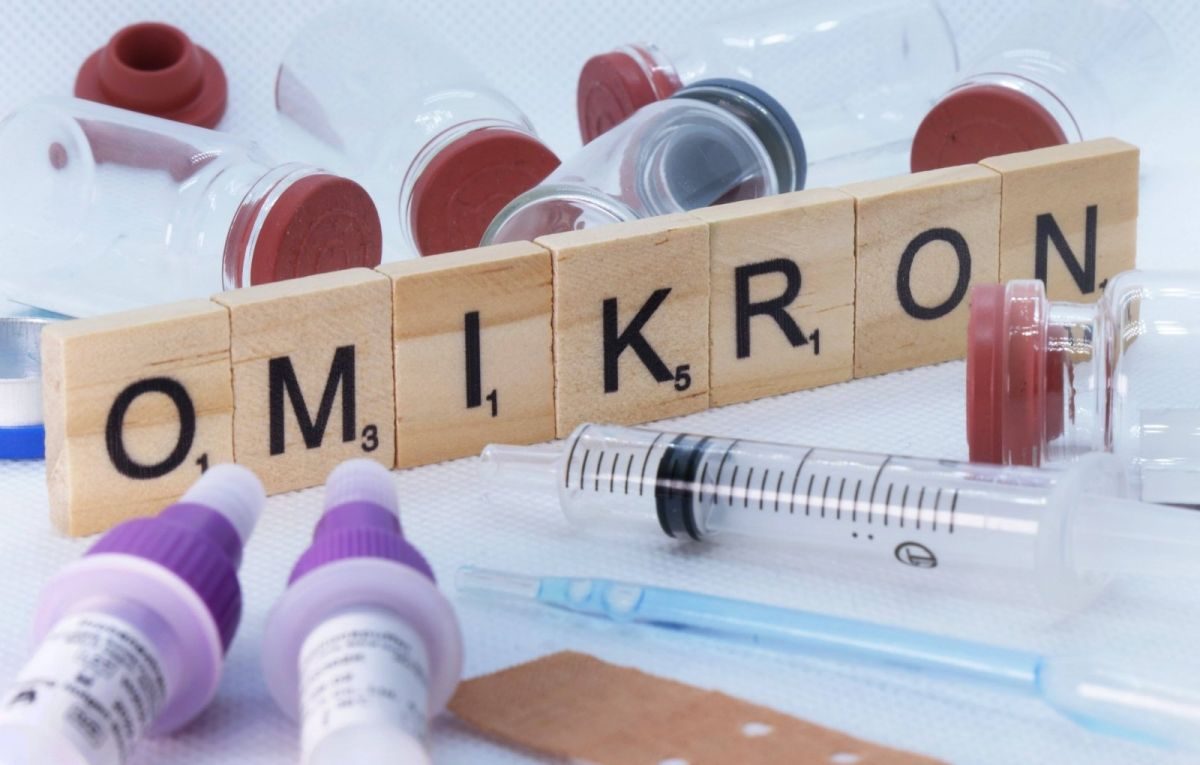
Omicron could become dominant in the EU within the first two months of 2022.
The Group of Seven (G7) has called the Omicron coronavirus variant the most serious threat to global health.
“Ministers, deeply concerned by the rising number of cases, agreed that these events (related to Omicron — ed.) should be viewed as the most serious current threat to global health. It is more important than ever to cooperate closely, monitor and share data. This will be key to addressing the rapidly evolving situation,” said the G7 health ministers’ statement.
EU Regulator Approves Pfizer Pills
The European Medicines Agency (EMA) has approved emergency use in the EU of Pfizer’s coronavirus pills, which have not yet received full authorization for use in the EU.
The EMA’s Committee for Medicinal Products for Human Use (CHMP) issued recommendations on using Paxlovid to treat coronavirus. The statement says: “Medicines not yet registered in the EU may be used to treat adults with COVID-19 who do not require supplemental oxygen and have an increased risk of progressing to severe disease.”
The EMA published this recommendation to support national authorities that may decide on possible early use of the drug before marketing authorization is granted, for example in urgent situations amid rising infection and coronavirus death rates across the EU.
Paxlovid should be taken as soon as possible after diagnosis and within five days of symptom onset. The drug’s two active substances — PF-07321332 and ritonavir — are supplied as separate tablets, which should be taken together twice a day for five days.
Ukraine to Buy Pills
Health Minister Viktor Liashko said Ukraine has signed an agreement with Pfizer on the main terms for purchasing drugs to treat coronavirus patients.
According to him, 300,000 courses of the innovative drug Paxlovid have been contracted for purchase. Using these drugs helps prevent complications, hospitalizations and deaths among high-risk coronavirus patients.
Viktor Liashko
Health Minister of UkraineIn November 2021, the drug’s manufacturer, Pfizer, announced clinical trial results. When Paxlovid is prescribed within three days of the onset of coronavirus symptoms, hospitalizations or deaths are reduced by 89%, and by 85% if treatment starts within the first five days.
Omicron Will Soon Dominate
The European Centre for Disease Prevention and Control believes the Omicron variant could become dominant in the EU within the first two months of 2022, so contact restrictions must continue.
It is noted that the Delta variant still predominates in EU countries, but Omicron is increasingly spreading domestically rather than through travelers. A further rapid rise in Omicron infections is expected over the next two months.
Experts are concerned by reports of faster transmission and stronger “immune escape” compared with the Delta variant. Currently there is little data to reliably assess the severity of disease caused by the new variant in the EU population.
Experts note that even if the severity of disease is the same as or lower than with the Delta strain, increased transmission and exponential growth in cases will quickly outweigh any benefits of potentially reduced severity.
It is considered very likely that Omicron will lead to additional hospitalizations and deaths, beyond those already expected in past forecasts that considered only the risks of Delta.
Vaccine effectiveness against severe outcomes of Delta remains high, but vaccines are not as effective against Omicron based on early data. A booster dose is presumed to help, but uncertainty remains.
Available data support the safe and effective administration of a booster dose three months after completing primary vaccination. Shortening the interval to three months may require adapting national vaccine rollout plans.
The European Centre also noted that a significant and immediate reduction in contact rates is necessary to avoid a high surge in cases caused by Omicron, even with immediate acceleration of vaccine rollout.
This is necessary to avoid more deaths and a significant burden on the healthcare system.

Russian Attacks in Dnipropetrovsk Region: Two Killed, Seven Injured

Defense Forces Strike Four Russian Drone Control Points in Past Day, Including in Berdiansk

Britain Threatens Sanctions on Kremlin-Linked People; Poland Ready to Hand Ukraine Ammunition

Russia says it has completed "planned exercises" in the Black Sea

MVD: Fake Riots With Prop Blood Were Being Prepared Near Presidential Office

Law Enforcers Name Another Klitschko Deputy as Suspect

Berlin Holds Protest Against War in Ukraine; EU Prepares for Possible Russian Halt of Gas Supplies
North Korea Fires Ballistic Missile Over Record Distance in Five Years
Irish Fishermen Force Russia to Postpone Naval Drills

US sanctions in case of invasion of Ukraine could completely destroy Russia's economy, NYT reports
