
“It Chapter Two”: The Year’s Top Horror Disappoints
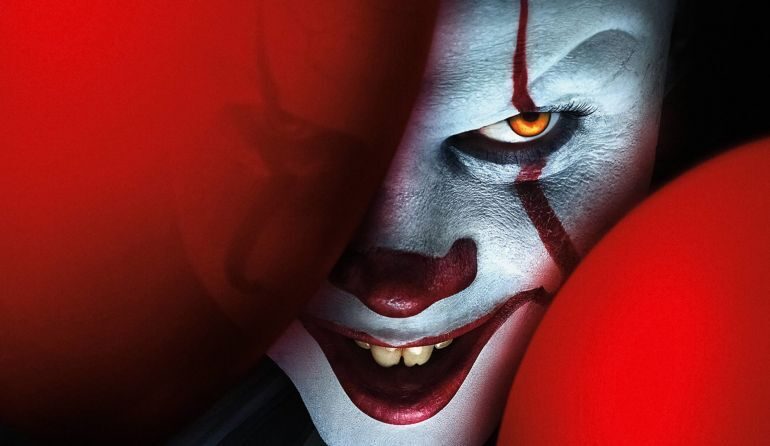
Yuri Shevchenko is unhappy with the sequel to Stephen King's most successful adaptation. What went wrong?
The horror film It, released in autumn 2017, grossed $700 million worldwide. The debut horror of director Andy Muschietti (before adapting King's novel, the Argentinian had made just one film, Mama) overtook The Sixth Sense ($672.8 million) and became the box office record holder among horror films. The sequel took two years to make, and expectations grew with every news update, while Stephen King, after watching It Chapter Two, called it magnificent.
The King of Horror, to put it mildly, exaggerated.
Once upon a time King was not afraid to criticize Stanley Kubrick's cult classic The Shining. But with age he has either become polite or decided to abide by corporate ethics. Recently the writer has praised everything that gets made from his works. He even liked The Dark Tower, although the film with Idris Elba and Matthew McConaughey was savaged by critics (16% on Rotten Tomatoes) and failed to impress wider audiences (45%).
Today King's books are popular in Hollywood, and there is no point in starting a conflict when you are being helped to make money. But after his compliments for It Chapter Two, fans of Stephen's work will feel doubly deceived – not only did the second part fail, but the beloved author also misled them.
Careful, spoilers!
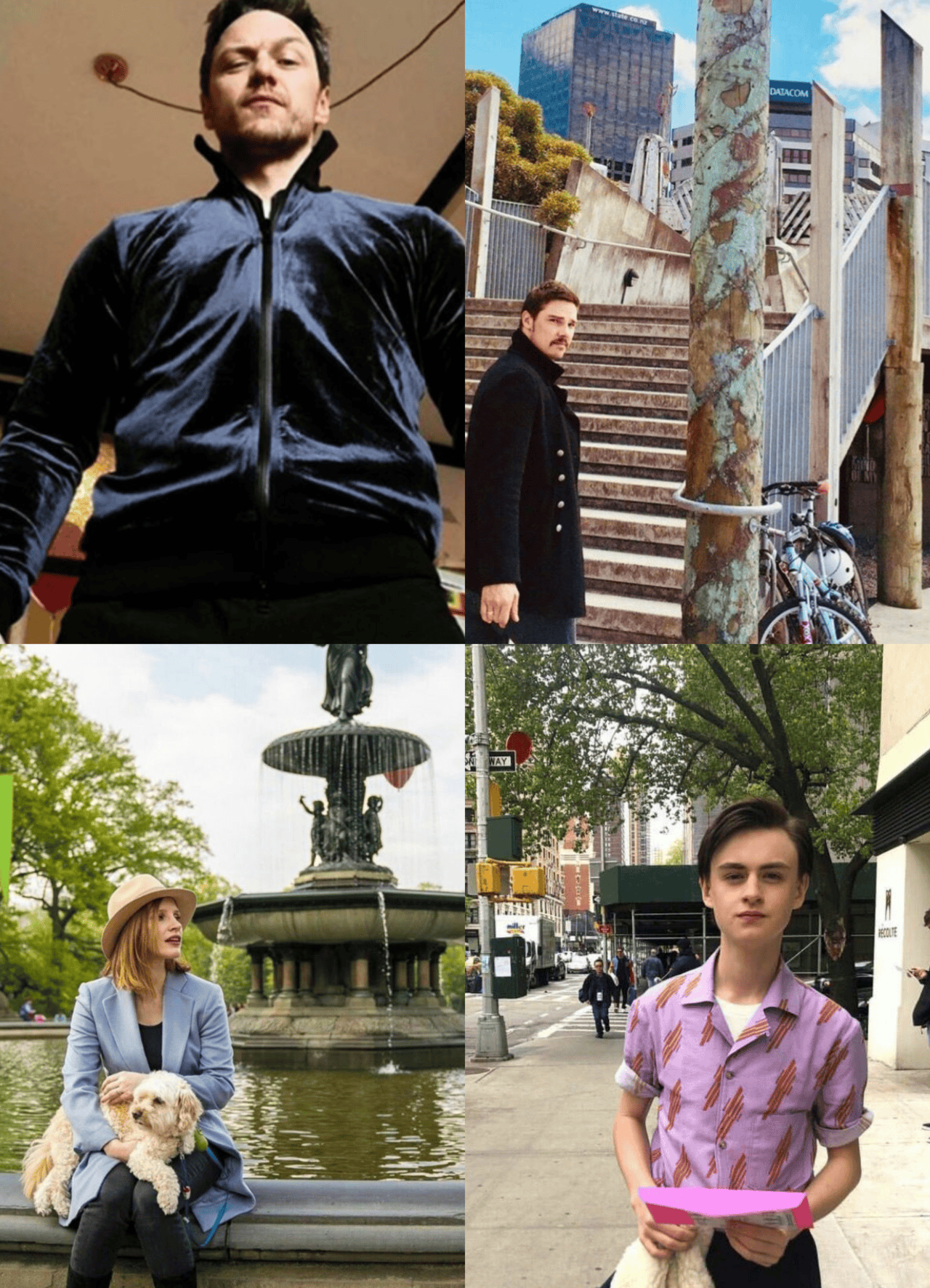
27 years after The Losers' Club clashed with the evil entity hiding behind the guise of the clown Pennywise, brutal murders begin again in the town of Derry. Mike (Isaiah Mustafa), who works at the local library, gathers his friends – as children they swore an oath to return if It ever reminded them of itself again. Bill (James McAvoy) has become a successful writer, Beverly (Jessica Chastain) has her own shoe brand and an abusive husband, the chatterbox Richie (Bill Hader) is a stand-up star, Eddie (James Ransone) is still afraid of everything, and Ben (Jay Ryan) has lost weight and made a fortune. But adult concerns recede into the background – the Losers still have to overcome their childhood fears.
King has repeatedly stressed: in his books, monsters are not the scariest thing. Stephen's heroes battle their own problems alongside the monsters, and everyday life is full of horrors even without supernatural creatures. Nearly 1,200 pages of It perfectly illustrate the writer's philosophy – it is a story about the difficulties of growing up, childhood trauma and its impact on life. In the first film Muschietti managed to preserve the idea – the brilliant young cast touchingly played out a fairy tale about friendship that keeps one from breaking in a thoroughly rotten adult world. But the sequel's star actors with their dazzling résumés, unfortunately, lacked the childlike spontaneity and sincerity needed to continue what was started.
In some ways King is right, of course – It Chapter Two has things to praise. The film has an incredible cast – the adults (almost all of them) look very much like the stars of the first part. The marketing campaign worked (Instagram photos with barely noticeable red balloons!), and you can also admire the running time. Have you seen a horror film 170 minutes long? Here it is. The thing is, It Chapter Two turned out unjustifiably drawn out – this is not a case where three hours fly by unnoticed and you want more.
The sequel is unpleasantly surprising in its schematic nature: after a very long prologue the heroes split up, and everything follows a template. Each of them confronts their own nightmare, which supposedly should help reveal the character, but in fact these scenes give the plot nothing. A naked old woman, a leper, a man vomiting to music, CGI flies crawling out of a cookie – attempts to scare the viewer turn into clowning, which is at times awkward but not scary at all. Two years ago Muschietti needed only a made-up Bill Skarsgård and a child's torn-off arm to create atmosphere. In It Chapter Two Pennywise eats children, grows in size, sprouts claws, but it looks like an amusement park attraction – derivative, grotesque, banal.
But the monster is not the main thing. Perhaps the sequel is a strong psychological drama about people with mangled childhoods? And here it misses. The idea with flashbacks is logical, but it only highlights how the chemistry between the child actors is stronger than the forced attempts of the adult performers to portray touching relationships. Moreover, the main complaints are aimed at the number one star. It seems M. Night Shyamalan ruined James McAvoy by casting him in Split and Glass: the Scot powerfully played 24 personalities, but here he somehow finds it hard to handle one character – James desperately overacts and turns potentially strong scenes into sketches from a comedy show.
Bill Hader, a SNL alumnus, handles this much better, by the way, although he admitted that, unlike McAvoy, he had not read the book. For a film with such a powerful literary basis, It Chapter Two has very little acting at all – here everyone mostly runs, screams, runs again and screams again. Muschietti promises to release a supercut of the two films running six and a half hours. It seems the extra scenes have already been shot – that would at least explain the terribly choppy editing. Snatches of dialogue, jumps between locations, and bustle kill the suspense, and the final battle turns out to be a dull formality rather than the epic showdown Pennywise supposedly prepared for over 27 years. Three hours for this? What disrespect for the audience.
Anticipating It Chapter Two turned out to be more pleasant than the film itself, and one can even find symbolism here. Adult life is often imagined in childhood as something quite different from what it actually turns out to be. But at least you can fight against that, whereas Muschietti, alas, decided everything for us.
Yuri Shevchenko

Russian Attacks in Dnipropetrovsk Region: Two Killed, Seven Injured

Defense Forces Strike Four Russian Drone Control Points in Past Day, Including in Berdiansk

Britain Threatens Sanctions on Kremlin-Linked People; Poland Ready to Hand Ukraine Ammunition

Russia says it has completed "planned exercises" in the Black Sea

MVD: Fake Riots With Prop Blood Were Being Prepared Near Presidential Office

Law Enforcers Name Another Klitschko Deputy as Suspect

Berlin Holds Protest Against War in Ukraine; EU Prepares for Possible Russian Halt of Gas Supplies
North Korea Fires Ballistic Missile Over Record Distance in Five Years
Irish Fishermen Force Russia to Postpone Naval Drills

US sanctions in case of invasion of Ukraine could completely destroy Russia's economy, NYT reports
