
Russia Publishes Letters with France and Germany: Ukraine's Reaction and Content of Correspondence
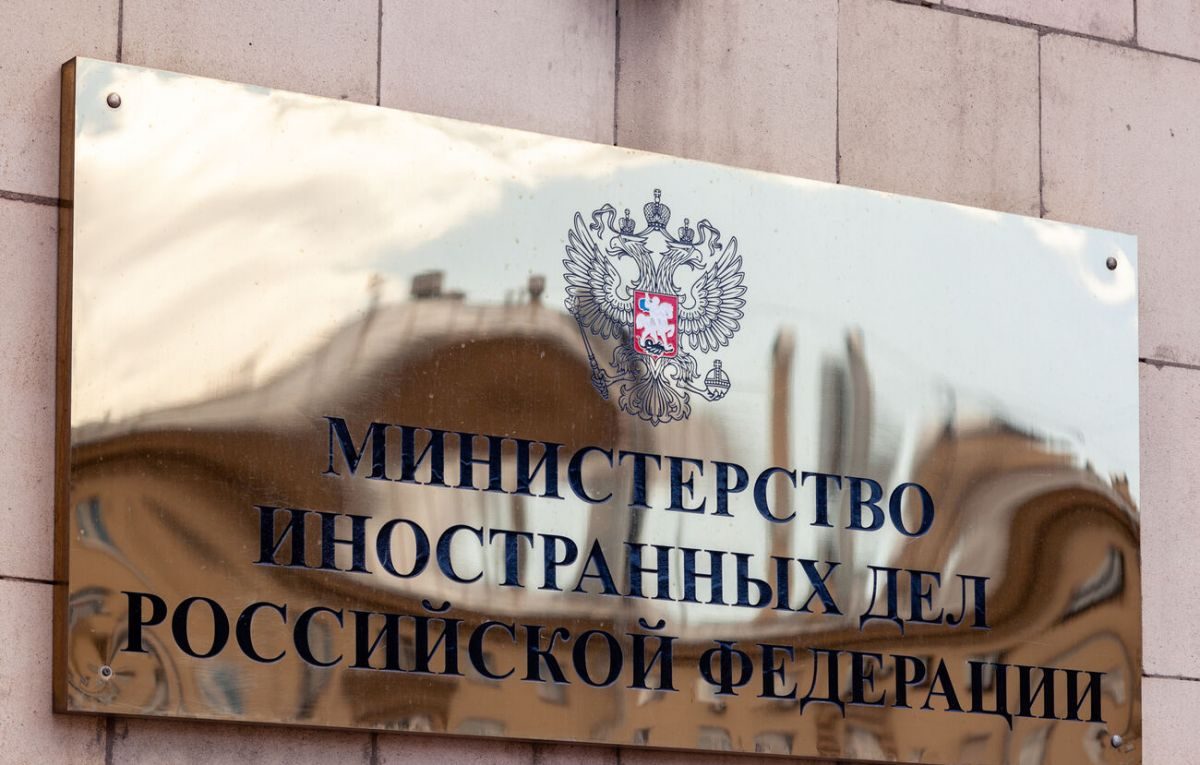
Ukraine's Foreign Ministry called such actions «finishing off the Normandy format».
The Russian Foreign Ministry published the correspondence of its head, Sergei Lavrov, with his colleagues from Germany and France on negotiations regarding the situation in Donbas, BBC Ukraine reports.
The Russian Foreign Ministry explained this step by saying Russia's position on these talks «is being distorted». Ukraine's Foreign Ministry called such actions «finishing off the Normandy format». The French and German foreign ministries have not commented on this so far.
Reaction from Ukraine
Dmytro Kuleba
Foreign Minister of UkraineThrough its actions, Russia is finishing off the Normandy format and demonstrates that it is not interested in its development. And, of course, it undermines what remains of trust in itself. I can say one thing: we have agreed with our German and French colleagues that we will not give Russia the luxury of destroying the Normandy format with other people's hands.
He noted that, together with colleagues from France and Germany, he will continue working on drawing Russia into the negotiation process, although the publication of diplomatic correspondence by the Russian side will complicate this work.
In Ukrainian society, the publication of the letters has caused wide resonance. Most experts agree that it is, in one way or another, beneficial to Ukraine itself.
Kostiantyn Yeliseyev, who was responsible for foreign policy in the administration of former president Petro Poroshenko, said that official confirmation of the authenticity of the correspondence from France and Germany should not be expected, but the content of the letters still makes it possible to draw several conclusions.
He called it good news for Ukraine that, judging by the content of the letters, Paris and Berlin hold a clear pro-Ukrainian position on Russia's role in the conflict in Donbas. According to him, the position of Berlin and Paris once again proves the value of their previous efforts and assistance, as well as the seriousness of the risks of any bilateral contacts between Kyiv and Moscow.
Yeliseyev believes that Russia, by publishing the correspondence, wanted to publicly remind everyone of its position. According to him, Russia continues to view settlement of the conflict in Donbas through the prism of preventing Ukraine's integration into both the EU and NATO, and Moscow's main goal is establishing direct dialogue between Kyiv and the self-proclaimed «LNR» and «DNR».
Kostiantyn Yeliseyev
diplomatThe step by the Russian Foreign Ministry draws a thick line under nearly three years of peacemaking efforts by President Volodymyr Zelensky. His policy of appeasing Russia predictably failed. Moscow has not changed its position one iota.
He predicts that there will be no meeting in the Normandy format before the next Ukrainian presidential election.
Sergei Sydorenko, editor-in-chief of European Pravda, said he is glad about what happened: «After today, she (Russia — ed.) will not be trusted anymore. This means that nothing can be shared with Putin or Lavrov, since they will consider themselves free of obligations at any moment and publish serious secret documents».
Sydorenko recalled that Angela Merkel is leaving the post of German chancellor, and along with her the leadership of the foreign ministry will change, after which the world will get an entirely new Germany.
Content of the correspondence
Lavrov's correspondence with the foreign ministers of Germany and France was published on November 17. It consists of several letters, the first of which is dated October 29. It was sent to the ministers of Germany and France. Representatives of Ukraine were not on the list of recipients.
In the letter, Lavrov stated that the next meeting in the Normandy format must be well prepared, including the development of a draft final statement of the parties. An example of such a statement is attached to the letter. It mentions the need to establish direct dialogue between Kyiv, Donetsk and Luhansk, and calls the conflict an intra-Ukrainian one.
The reply letter is dated November 4 and is a transcript of a joint oral statement by the French and German ministers. The foreign ministers disagree with a number of theses in the Russian draft statement, in particular on the intra-Ukrainian nature of the conflict and on establishing direct dialogue.
The German and French sides believe that such provisions «will not find support among the countries of the Normandy format». The ministers note that their assessments of some issues coincide with the Russian ones. They propose focusing on these and added the text of their own draft final statement.
On November 6, Lavrov responded with another letter, calling his colleagues' reply disappointing. The minister cited provisions of the Minsk agreements, which enshrine the requirement to coordinate certain issues with Donetsk and Luhansk. The last of the published letters is dated November 16.
In it, Lavrov writes that recently the Russian side has increasingly encountered «distortion of Russia's position» and distortion of its role in settling the conflict. He also recalled the statement by colleagues from France and Germany made after the meeting with Kuleba.
They «threatened consequences» for attempts to undermine Ukraine's territorial integrity and for refusal to meet in the Normandy format. In this regard, Lavrov warned his colleagues about plans to publish the correspondence.
On November 18, Lavrov explained the publication of the correspondence with the word «fed up». He said: «We are all people. One can say — we are fed up. But we, of course, are not falling into any despondency. It's just that my colleagues themselves do not behave very decently when every day they... make not very correct, not very ethical statements: everyone is ready, Putin has ordered, but Lavrov does not want to. Something like that».

Russian Attacks in Dnipropetrovsk Region: Two Killed, Seven Injured

Defense Forces Strike Four Russian Drone Control Points in Past Day, Including in Berdiansk

Britain Threatens Sanctions on Kremlin-Linked People; Poland Ready to Hand Ukraine Ammunition

Russia says it has completed "planned exercises" in the Black Sea

MVD: Fake Riots With Prop Blood Were Being Prepared Near Presidential Office

Law Enforcers Name Another Klitschko Deputy as Suspect

Berlin Holds Protest Against War in Ukraine; EU Prepares for Possible Russian Halt of Gas Supplies
North Korea Fires Ballistic Missile Over Record Distance in Five Years
Irish Fishermen Force Russia to Postpone Naval Drills

US sanctions in case of invasion of Ukraine could completely destroy Russia's economy, NYT reports
