
Ukraine Buys British Icebreaker James Clark Ross. It Has Entered the Black Sea and Will Soon Arrive at the Port of Odesa
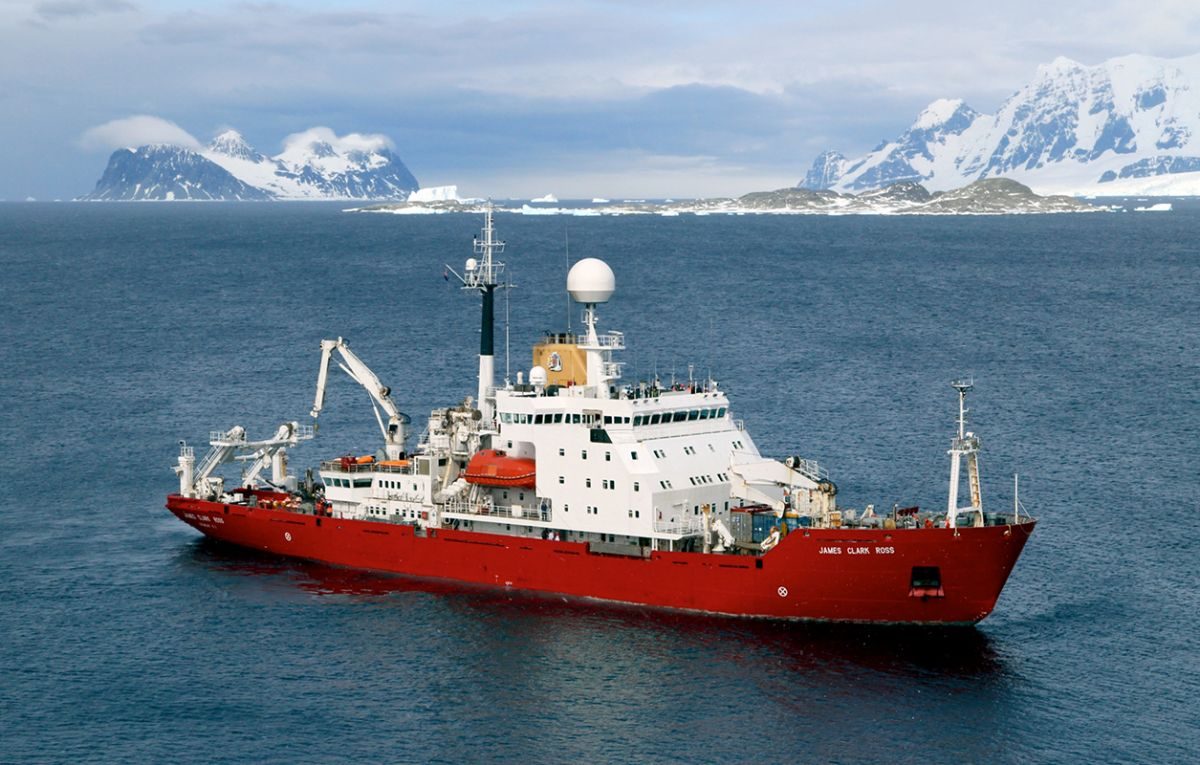
Belgium has also gifted Ukraine the research vessel Belgica.
Ukraine has purchased the icebreaker James Clark Ross from Great Britain, which has already entered the Black Sea through the Bosphorus Strait and is expected at the port of Odesa within the next two days.
More details about this purchase and more are in the article.
British icebreaker
Ukraine purchased the research icebreaker in August for a symbolic $5 million, while its actual value is estimated to be an order of magnitude higher.
It will be based in Odesa and operate as part of the National Antarctic Scientific Center. It is the first icebreaker to enter the "service" of Ukrainian polar explorers since independence.
Aboard its own icebreaker, Ukraine will be able to conduct scientific research independently in the open ocean. The vessel has eight laboratories, which can accommodate up to 50 scientists.
Its own vessel will also save millions of dollars that would otherwise be spent chartering foreign ships to deliver and pick up scientists from the Antarctic station "Akademik Vernadsky".
After arriving in Odesa and completing all necessary formalities, the ship will be officially presented and its new name will be announced.
The icebreaker is currently named after James Clark Ross, a British naval sailor and explorer who in the mid-19th century led the largest expedition to Antarctica of its time aboard the ships Terror and Erebus, and later took part in the search for the lost Franklin expedition in the Arctic.
RRS James Clark Ross (JCR) is a marine research vessel for biological, oceanographic and geophysical cruises. It is equipped with a set of laboratories and winch systems that allow scientific equipment to be deployed at the stern or amidships.
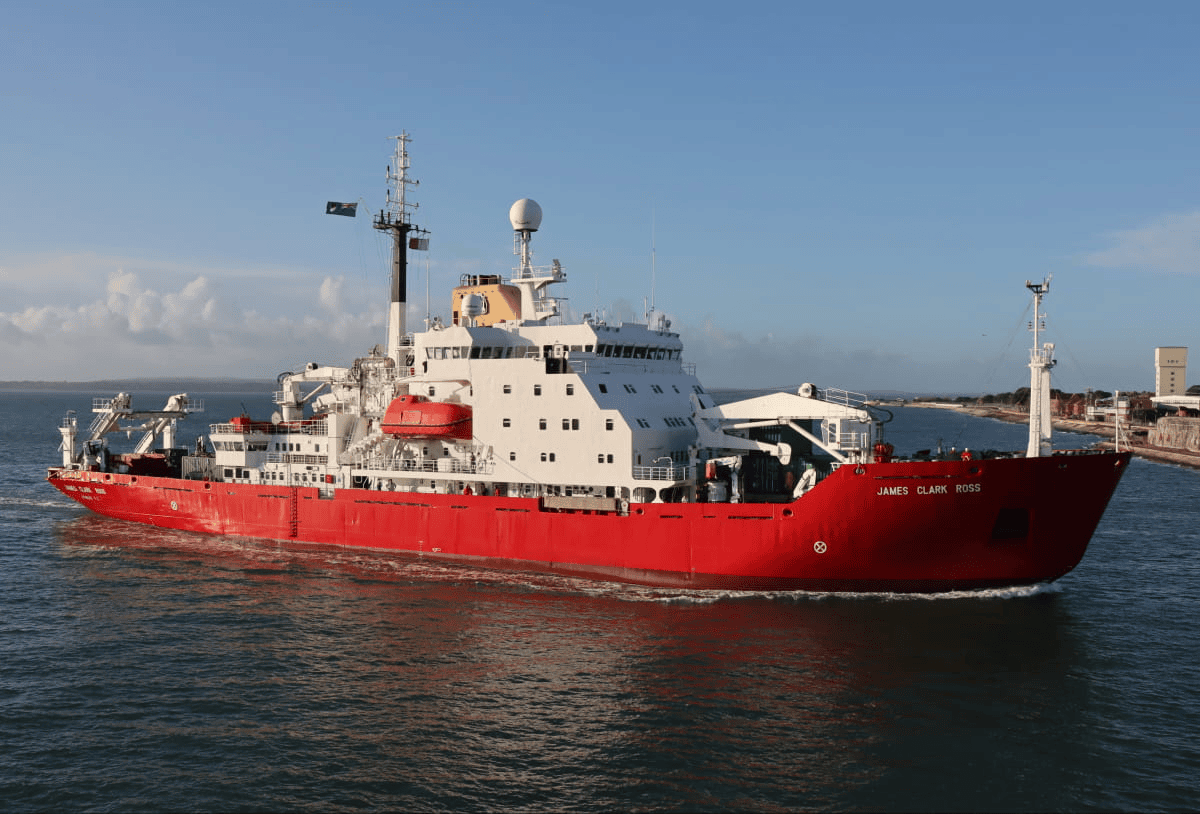
The ship used various technologies for sampling bottom sediments in locations where this had previously been impossible. In addition, research conducted on the Ross in the Arctic provided new data on the impact of climate change on this polar region, where the environment is changing faster than anywhere else on the planet.
In essence, it is a floating research institute. On board are a number of laboratories, as well as winch systems that allow scientific equipment to be placed at the stern or in the middle section of the vessel.
The Ross can travel at a speed of two nautical knots (almost 4 km per hour) through flat ice fields one meter thick, and the maximum ice obstacle on its path is 4 m.
The ship has an extremely low noise level, which allows the use of sensitive acoustic equipment. The James Clark Ross icebreaker was built by Swan Hunter Shipbuilders in Wallsend. In 1990 it was ceremoniously launched with the participation of the Queen of Great Britain.
Belgian research vessel
In mid-September, Belgium also transferred to Ukraine the legendary research vessel Belgica for environmental monitoring of the Black and Azov seas.
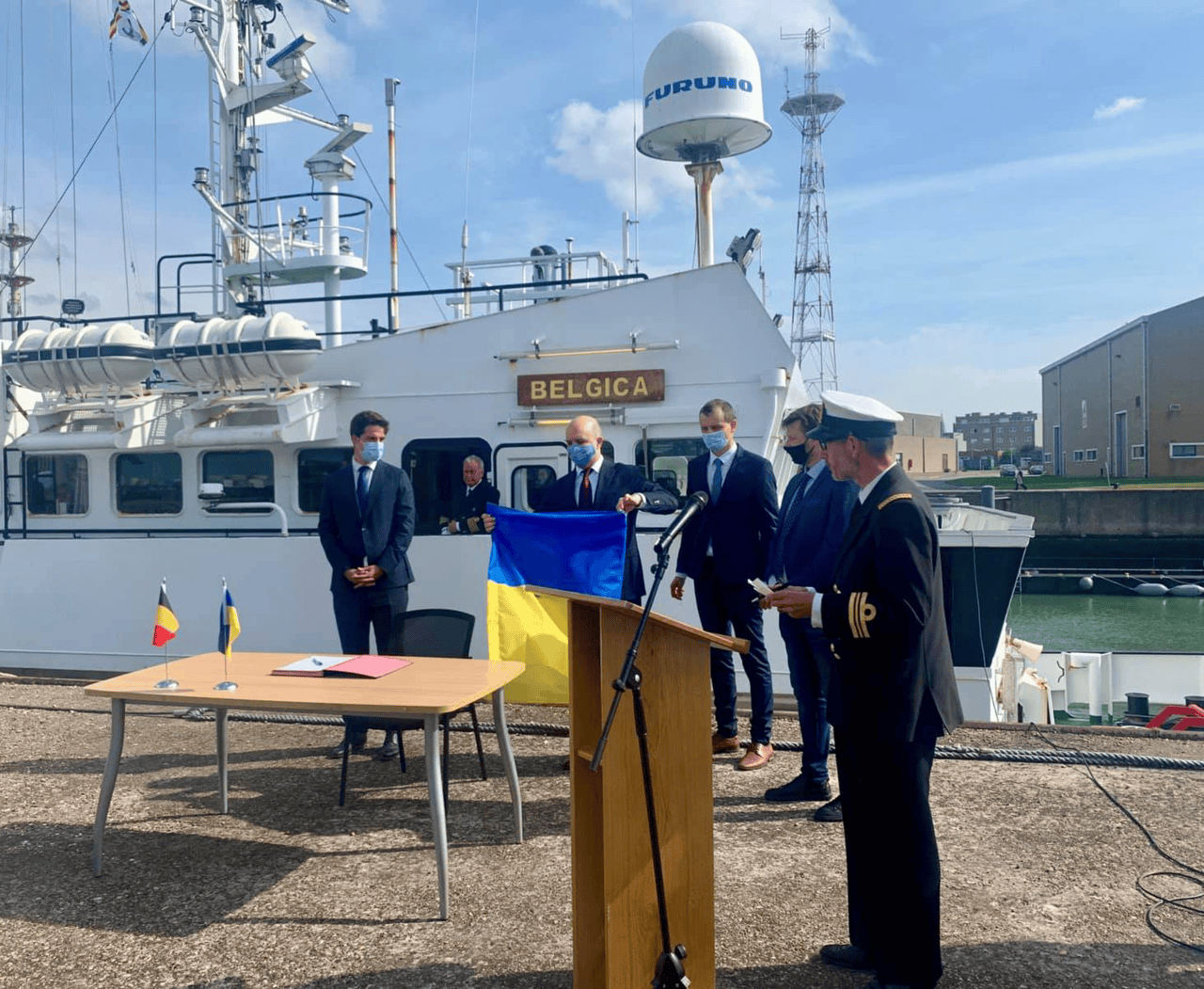
A fully functional vessel: the Government of Belgium transferred it to the Ukrainian Scientific Center for Marine Ecology of the Ministry of Environment. This will allow Ukraine to resume research and strengthen environmental monitoring of the Black and Azov seas, and will help successfully implement EU Marine Strategy Framework Directives.
Moreover, joint Ukrainian-Belgian research is planned in both the Black and North seas.
Thomas Dermine
Deputy Minister of Economy and Labour of BelgiumThe vessel has explored almost 1 million km of sea and conducted more than a thousand scientific campaigns, deepening Belgian knowledge of the sea. This ship, which is a floating laboratory, was the flagship of Belgian marine science for 37 years. Belgium is sadly saying goodbye to its research vessel Belgica. However, I am very glad that the ship will get a second life thanks to our cooperation with the Ukrainian Scientific Center for Marine Ecology.
The vessel will then set off from the port of Zeebrugge to its new home, the city of Odesa, where it is expected in October. There it will receive a new name and begin its work in the Black and Azov seas.
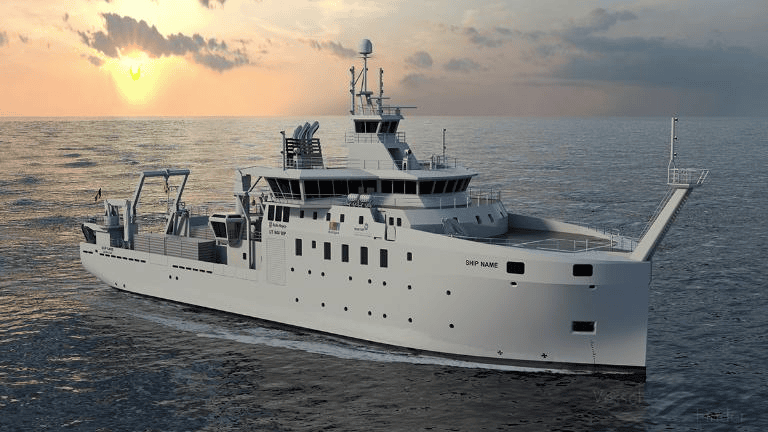
On the 8,600 km route, scientists will assess the presence of floating debris, take samples of seawater and bottom sediments for a unique screening for tens of thousands of pollutant substances and microplastics.
They will also extract environmental DNA to assess biodiversity and analyze the spread of antibiotic resistance genes in marine microorganisms.
This ambitious scientific program, called "Monitoring of Three European Seas" (the North, Mediterranean and Black seas), and the vessel transfer are organized and funded by the EU–UNDP project "European Union for Improving Environmental Monitoring of the Black Sea" (EU4EMBLAS), with scientific support from the EU Joint Research Centre and UkrSCEM.

Russian Attacks in Dnipropetrovsk Region: Two Killed, Seven Injured

Defense Forces Strike Four Russian Drone Control Points in Past Day, Including in Berdiansk

Britain Threatens Sanctions on Kremlin-Linked People; Poland Ready to Hand Ukraine Ammunition

Russia says it has completed "planned exercises" in the Black Sea

MVD: Fake Riots With Prop Blood Were Being Prepared Near Presidential Office

Law Enforcers Name Another Klitschko Deputy as Suspect

Berlin Holds Protest Against War in Ukraine; EU Prepares for Possible Russian Halt of Gas Supplies
North Korea Fires Ballistic Missile Over Record Distance in Five Years
Irish Fishermen Force Russia to Postpone Naval Drills

US sanctions in case of invasion of Ukraine could completely destroy Russia's economy, NYT reports
