
Zelensky's Victory, Prisoner Exchanges, “Chernobyl”: Top 10 Events in Ukraine
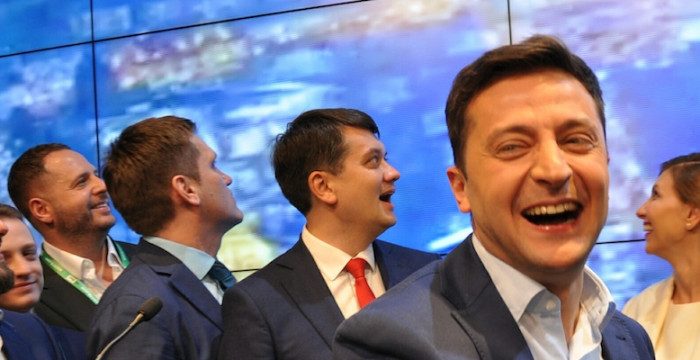
Politics dominated the lives of Ukrainians.
Elections and their aftermath made 2019 in Ukraine extremely eventful. TK Media has selected the ten most important and resonant events that took place in our country.
Zelensky's Crushing Election Victory
On New Year's Eve, Volodymyr Zelensky, then still the frontman of the comedy show “Evening Quarter,” announced his run for president of Ukraine. In the spring, he crushingly defeated incumbent president Petro Poroshenko in the second round.
Zelensky successfully turned his personal popularity, the success of the series “Servant of the People,” and the slogan “I am not like them” into political capital, convincing not only Zelensky the showman's fans but also, at least partly, voters from all political camps, including the “vata” and patriotically minded citizens. At the same time, he promised nothing concrete beyond the elastic pledges of “an end to the era of poverty,” “no cronies in power,” and new people in politics. Everything else voters filled in for themselves about Zelensky, deciding on their own how close the character from the series was to him in reality, or how close his ties were to oligarch Ihor Kolomoisky.
In the first seven months, the era of poverty was not ended. New people were indeed brought in, but often they turned out to be, if not cronies, then friends of the president. Nevertheless, nothing globally bad or good has happened so far: Ukraine has not capitulated to Russia, the IMF has not broken with Ukraine, and the hryvnia has not collapsed; on the contrary, but neither have visible grounds for a Ukrainian breakthrough appeared yet.
The “Servant of the People” Monocoalition
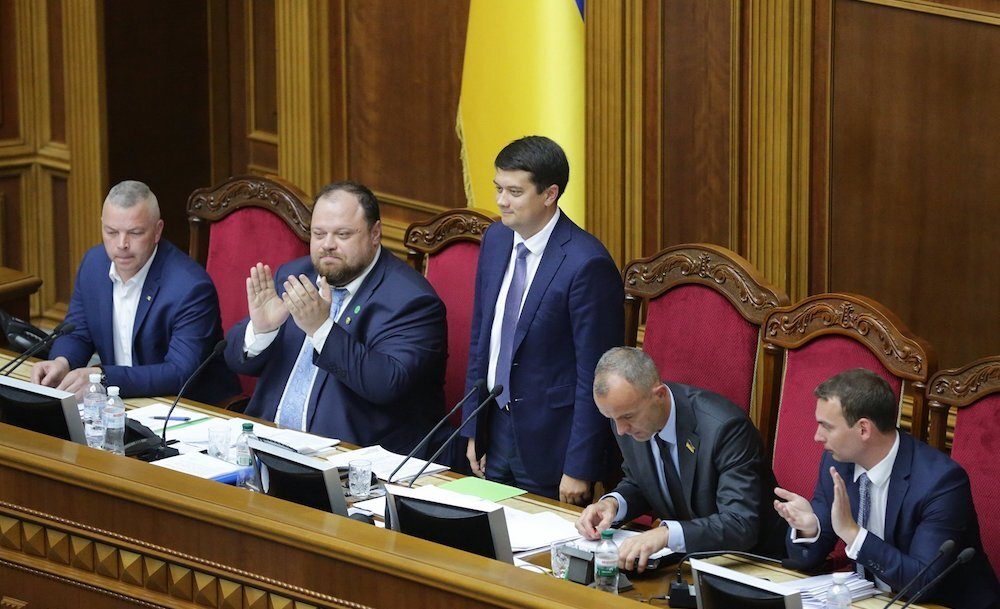
Following Zelensky, the Servant of the People party achieved a sweeping success in the parliamentary elections: under the green brand, both well-known figures and unknown photographers entered parliament, and nationwide the party won a record 43%. As a result, for the first time in the history of Ukrainian parliamentarism, a monocoalition was formed, meaning a coalition made up solely of deputies from one political faction.
The monocoalition appointed a new government headed by little-known Oleksiy Honcharuk, but kept two old ministers: Interior Minister Arsen Avakov and Finance Minister Oksana Markarova. The Verkhovna Rada announced a “turbo mode,” but soon what was easy to foresee happened: the party, which had been assembled only on the principle of excluding former and current deputies, made up of completely different people with different views and worldviews, stopped finding common ground on many important issues and held together only around Zelensky's popularity. That did not mean support for all of his initiatives, even those declared priorities.
By the end of 2019, the Verkhovna Rada had passed many laws, yet at the same time it dragged its feet on the most key ones: opening the land market and legalizing the gambling business.
The Trump–Zelensky call that led to the impeachment of the US president
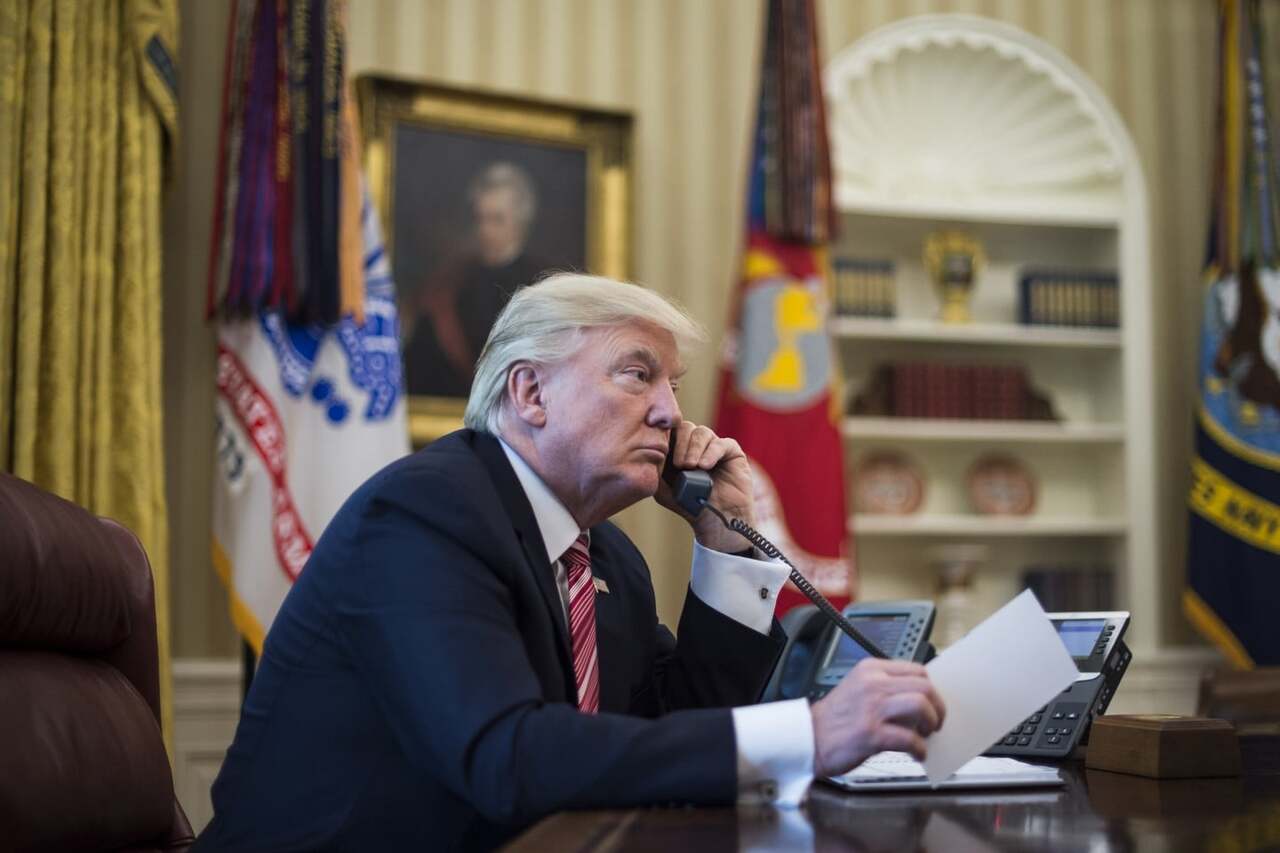
For the second half of 2019, the words “Ukraine” and “Zelensky” did not leave the front pages of all world media because of a phone call between the then newly elected president of Ukraine and US President Donald Trump. According to opponents, the American pressured the Ukrainian to reopen a criminal case involving the company Burisma, owned by Mykola Zlochevsky, where the son of Trump's likely opponent in the presidential election, Joe Biden, worked.
The Democratic Party is taking the matter to impeachment. Although for now this does not mean Trump's removal from office, much less a ban on him running for a second term (the final decision rests with the Senate, where Republicans hold the majority), Zelensky has certainly entered (in the view of others, gotten himself mixed up) in history. This is only the fourth case in US history in which a president has been impeached (and none of them ended in removal by the Senate), a powerful start for a man who only this year took the stage as a comedian.
“Chernobyl”
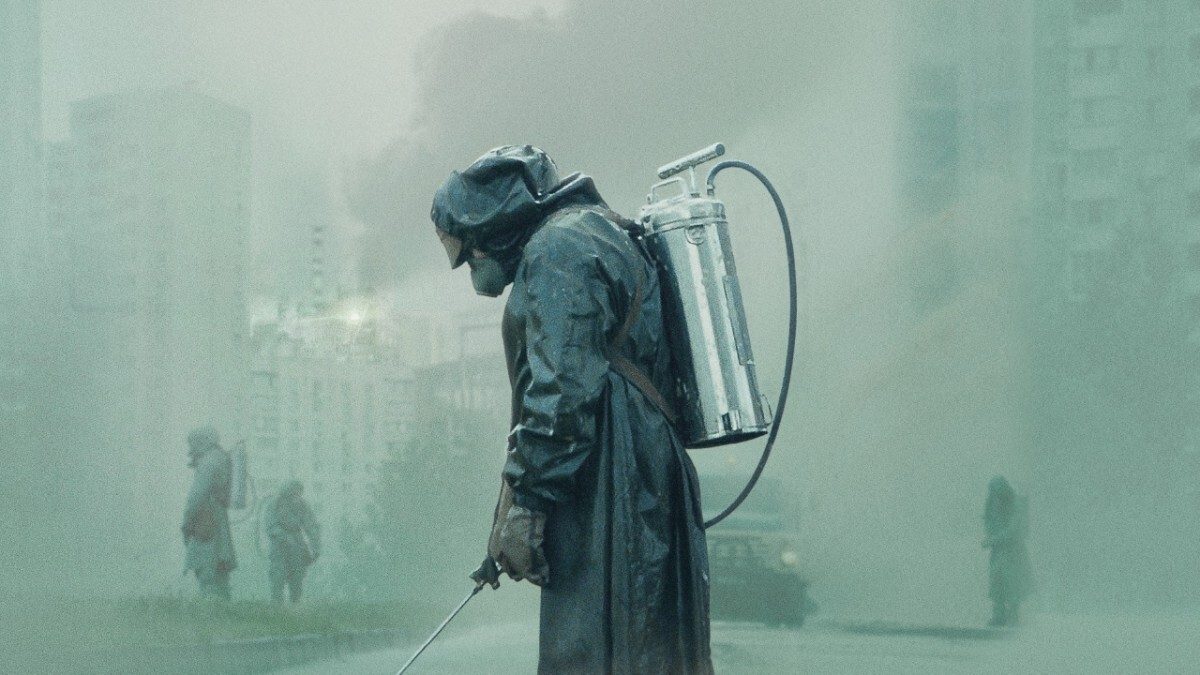
In the year when everyone expected the finale of “Game of Thrones” (and got it, but the ending did not please everyone), the same HBO released the miniseries “Chernobyl.” The topic of the Ukrainian catastrophe of 1986 became a worldwide trend for a month, and the series held the lead among all series ever on the IMDb rating for some time.
And deservedly so: although the creators allowed themselves artistic fiction, and scenes shot in Kyiv were supposedly showing Moscow (shooting in Kyiv is a separate trend this year), the series is incredibly moving and gripping. It made some people relive once again the time of humanity's greatest technological disaster and see how much their lives hung by a thread, while it helped those who are younger understand the scale of the tragedy.
The series has, at the very least, guaranteed increased demand for visits to Chernobyl for the next few years, a place where one should no longer be afraid to be. Around the same time, another American giant, Netflix, released the documentary series “Our Planet,” narrated by the legendary 92-year-old David Attenborough. Over eight episodes, epic footage shows the beautiful planet Earth on the brink of extinction, but it ends on a positive note: Chernobyl is presented as an example of how nature, even after the greatest catastrophe, can restore itself, turning into a sanctuary for animals and plants, as long as it is not disturbed.
Interior Ministry Scandals
Against the backdrop of a complete overhaul of power with Volodymyr Zelensky's arrival, the establishment of the Servant of the People's monomajority, and a scandal over the killing of a 5-year-old boy by drunk police officers in Pereiaslav-Khmelnytskyi, Arsen Avakov managed to hold on to his post as interior minister. He broke Yuriy Kravchenko's record and became the longest-serving interior minister in modern Ukrainian history, holding this post since February 2014.
Despite the president's high trust rating and Arsen Avakov's large negative rating, the former Kharkiv governor stays afloat, although he was initially declared only a “temporary minister.”
At the end of the year, a new scandal erupted involving the Interior Ministry: police named several participants of the Anti-Terrorist Operation and volunteers as suspects in the murder of journalist Pavel Sheremet. Not everyone agrees with the circumstantial evidence (at least what has been shown to the public) and with the violation of the presumption of innocence.
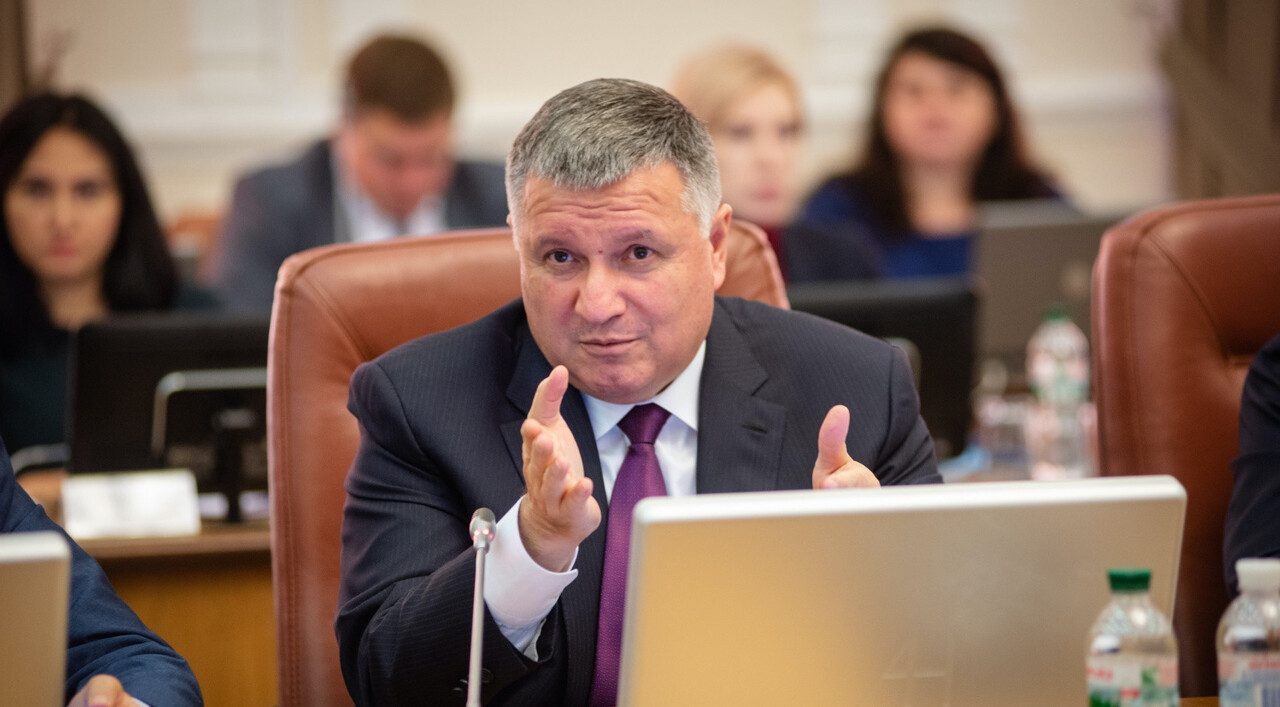
The “Normandy Four” meeting that did not bring the end of the war in Donbas any closer
Although statements from Volodymyr Zelensky's entourage like “the war goes on only because people profit from it” did circulate, the newly minted president only promised to try to reach an agreement with Russia, without specifying, however, how he intended to make it fulfill its obligations.
From the very first day, he tried to do exactly that, making certain concessions and ultimately securing a meeting in the “Normandy Four” format (Ukraine–Russia–France–Germany). Not everyone in Ukraine believed in Zelensky's strong diplomatic skills and uncompromising stance, which led to protests against an expected capitulation.
Following the meeting, no grounds for treason were publicly announced, but the sides did not come any closer to ending hostilities either. Now the more pressing question for Zelensky's opponents is not capitulation, but why he expected Russia to want to end the war at all.
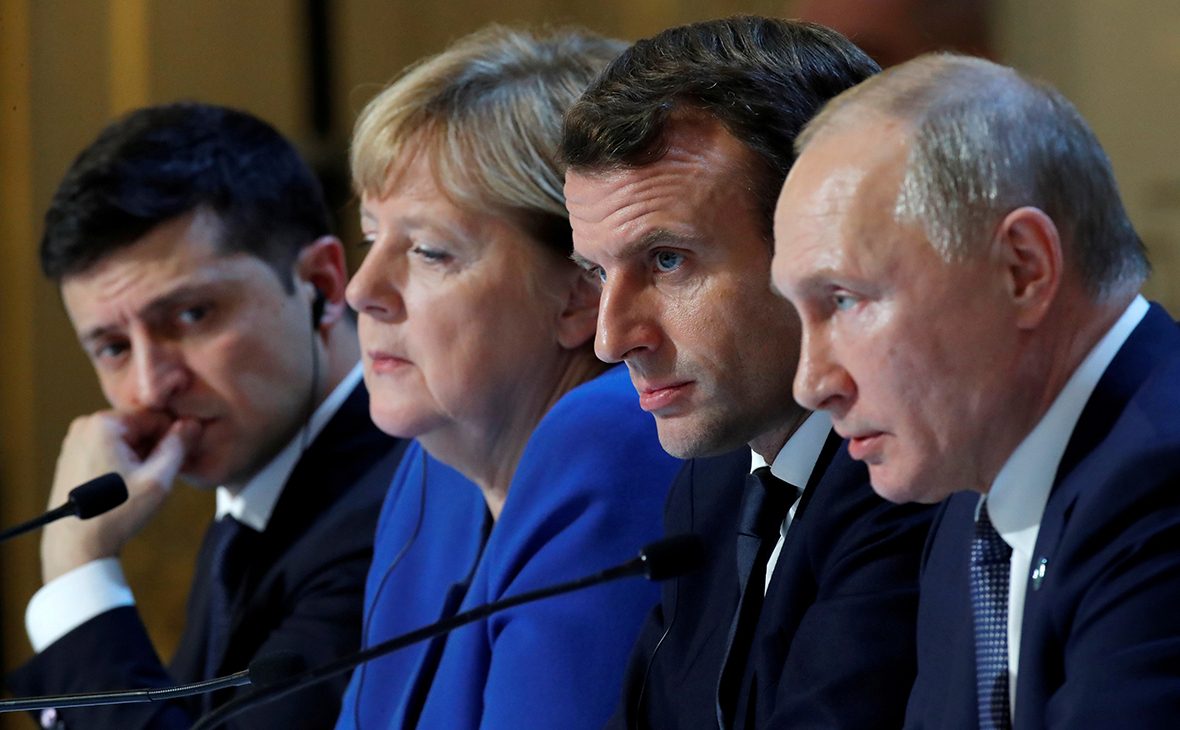
Gas negotiations between Ukraine and Russia and the approaching “Nord Stream 2”
The controversial 2009 contract for the supply and transit of Russian gas through Ukrainian territory expires in 2019. A few years ago Ukraine stopped buying Russian gas directly, and Naftogaz turned billions in debts to Gazprom into a three-billion-dollar debt owed by Gazprom itself through the Stockholm arbitration.
At the same time, Gazprom was bringing closer to realization a geopolitical project called “Nord Stream 2,” pipelines along the bottom of the Baltic Sea for direct gas supplies to Germany, which could allow Russia to abandon transit through Ukraine altogether. At the very least, this means the loss of billions in profit and GDP for Ukraine; at worst, it means a full-scale invasion by Russia, unrestrained by Ukraine's importance to Europe as a transit country.
Only toward the end of the year did significant shifts emerge. Russia, realizing it would not finish Nord Stream 2 by the end of 2019, agreed to pay off the three-billion-dollar debt, and the sides managed to agree at least on a five-year transit contract worth $7 billion.
Then the US imposed sanctions on companies that would not withdraw from the construction of Nord Stream 2, and Gazprom's contractor Allseas announced it was halting work, leaving great doubt about the project's future. Little work remains, but is there anyone left to do it? For now, it is unclear.
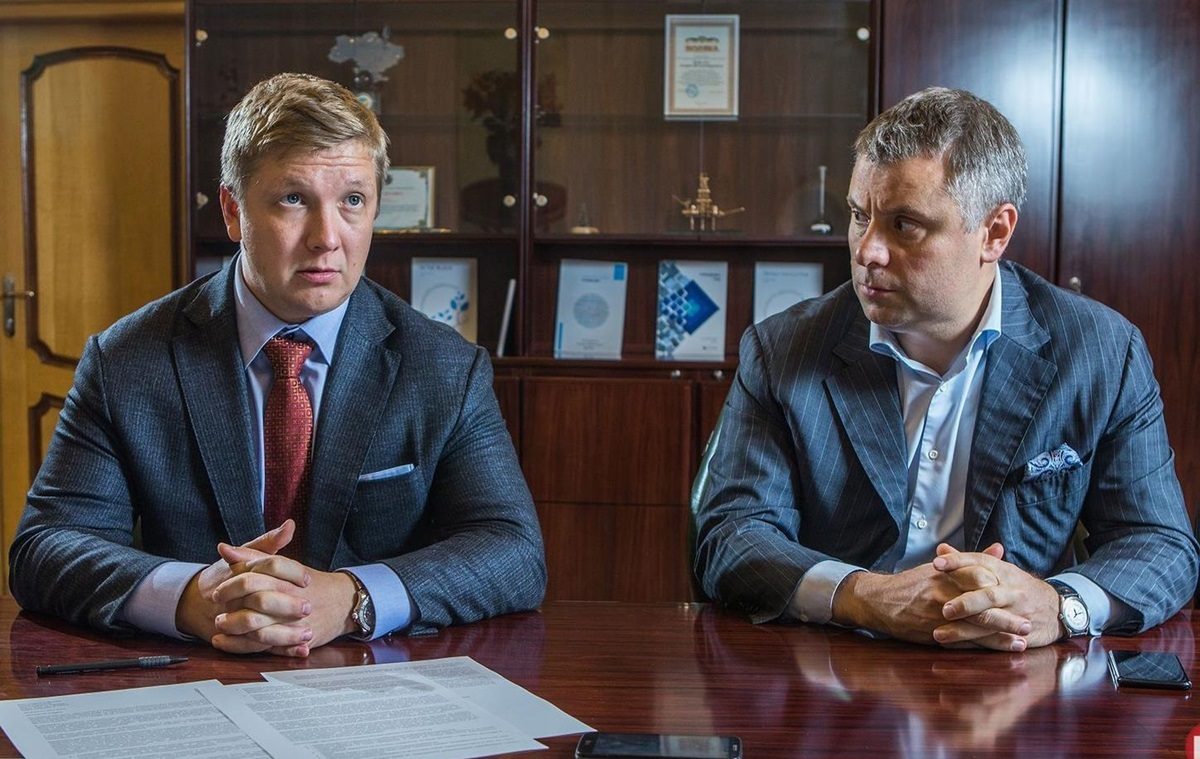
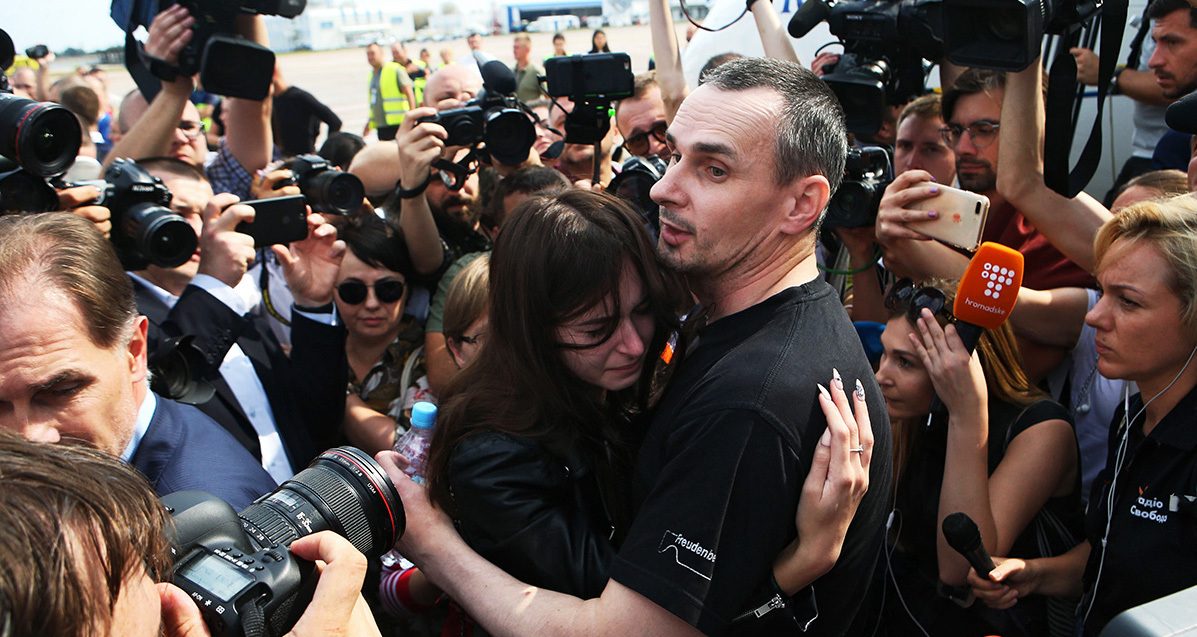
The Return of Sentsov, Sailors and Other Ukrainian Prisoners
On September 7, the most joyful and unifying event for the Ukrainian nation in 2019 took place. There were debates over whether to give up Volodymyr Tsemakh, a valuable witness in the MH17 crash, and whether it was acceptable to free people from custody through manual control of courts even for noble purposes; there was confusion over whether hidden agreements existed between Zelensky and Putin.
But all the discussions were already out of place (what's done is done) when Oleg Sentsov, Oleksandr Kolchenko, sailors and other Ukrainian prisoners (35 people in total) returned home. At that moment, all that remained was to be glad for them and their loved ones.
The prisoner exchange on December 29 went far more difficult. To carry it out, Zelensky agreed to release former Berkut officers who were under arrest and accused of shooting people on the Maidan.
The failure of communications (for several days the president stayed silent while society was torn apart by disputes) meant that the last exchange took place against a backdrop of public debate.
Strengthening of the Hryvnia
The Ukrainian hryvnia set a world record for 2019, becoming the currency with the largest growth against the dollar, nearly 20%. By the end of the year the hryvnia reached a rate of 23, although optimistic forecasts had assumed a rate of 25-26.
That said, strengthening does not mean only positives. Prices still did not fall, wage growth was not accelerated by it, and exporters incurred losses. The Ukrainian budget also received less money, as in mid-December it refused to fund all planned payments except protected ones (wages and pensions).
Pranksters
“Bread and circuses”: in 2019, pranksters entered the information arena of Ukrainian politics. Anonymous trolls sometimes became even more influential than traditional journalists: now pranks were destroying careers and making new stars, rather than the usual journalistic investigations and comparisons of official incomes with lifestyles.
The most famous prankster in Ukrainian politics is “Joker.” Mykhailo Radutskyi, Bohdan Yaremenko, Oleksandra Klymtyna, Roman Ivanisov, Mykola Tyshchenko are just a short list of deputies who ended up in scandals and suffered losses because of him. Joker's activities were commented on by the president and faction leaders in parliament, and the Prosecutor General and the head of SAP communicated with the pranksters (although Joker himself did not confirm this).
Another feature of 2019 was anonymous Telegram channels with “rumors,” “insider information,” “leaks,” and “analytics,” which spread like an epidemic among the deputy corps and journalists. Our photojournalists regularly recorded people's deputies reading “Temnyi Rytsar,” “Rezident,” and “Legetimny,” while speakers close to the president's team expressed concern about Telegram channels in conversations. “Temnyi Rytsar” positions itself as the anonymous channel of a majoritarian deputy from Servant of the People that publishes the truth about its faction. Others present themselves as channels with “insider information” and political analysis (although that is far from always confirmed). Anonymous Telegram channels have in some respects pushed political media aside, largely thanks to the simplicity and greater speed of information delivery. Nevertheless, the quality of political content and fact-checking on Telegram channels often falls short of the media.


Russian Attacks in Dnipropetrovsk Region: Two Killed, Seven Injured

Defense Forces Strike Four Russian Drone Control Points in Past Day, Including in Berdiansk

Britain Threatens Sanctions on Kremlin-Linked People; Poland Ready to Hand Ukraine Ammunition

Russia says it has completed "planned exercises" in the Black Sea

MVD: Fake Riots With Prop Blood Were Being Prepared Near Presidential Office

Law Enforcers Name Another Klitschko Deputy as Suspect

Berlin Holds Protest Against War in Ukraine; EU Prepares for Possible Russian Halt of Gas Supplies
North Korea Fires Ballistic Missile Over Record Distance in Five Years
Irish Fishermen Force Russia to Postpone Naval Drills

US sanctions in case of invasion of Ukraine could completely destroy Russia's economy, NYT reports
