
82% of Ukrainians notice improvement in road conditions — poll
Also, only a third of Ukrainians travel around the country for tourism purposes.
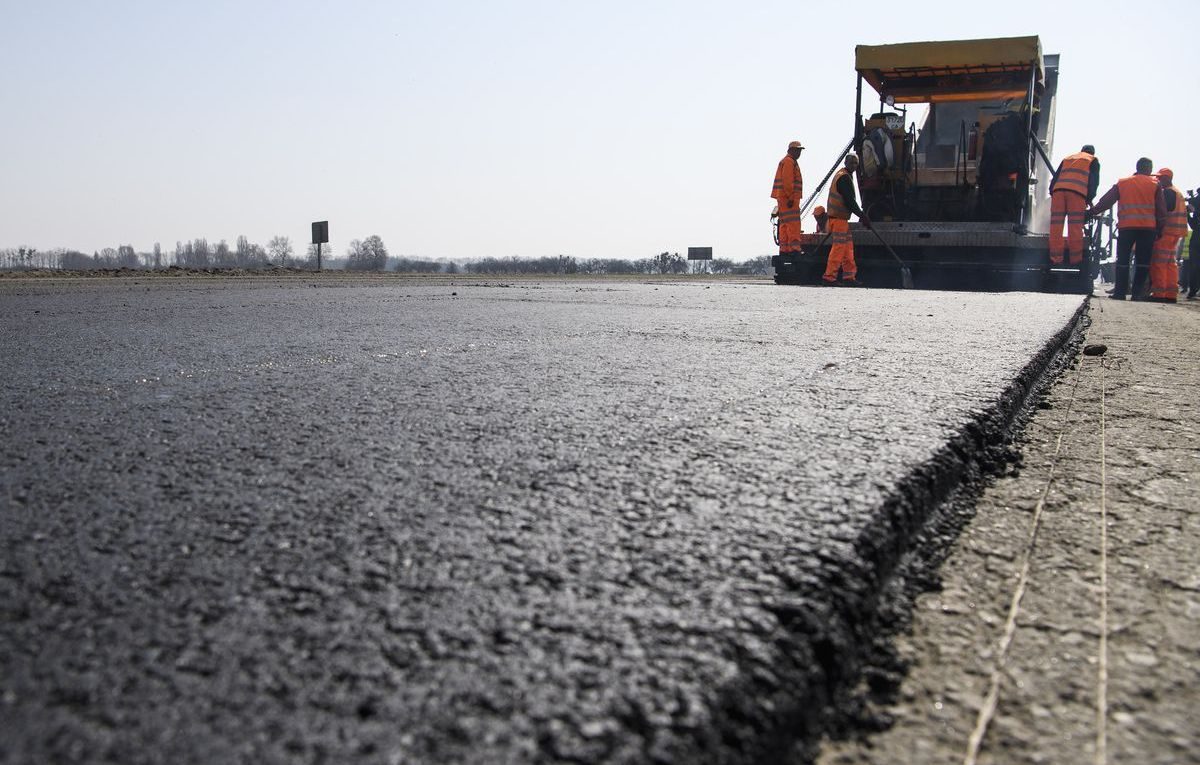
According to the results of a survey by the Rating sociological group, 82% of respondents noticed improvement in road conditions and an increase in road repairs over the past year (in 2020, 76% said so; in 2018-2019 — about 60%). 17% held the opposite view.
Respondents give the greatest credit for road improvements in Ukraine to Ukrainian President Volodymyr Zelensky (36%). 33% believe it is the merit of local authorities, 8% — of the Ministry of Infrastructure/“Ukravtodor”, 1% — of the prime minister, and 2% — of the Verkhovna Rada.
Over the past year, the number of those who believe road improvements are the president’s merit has grown, while the number who credit local authorities has fallen.
64% of respondents are also satisfied with the work of Ukravtodor in Ukraine, while 29% — hold the opposite view. Over the past year, satisfaction with this agency among Ukrainians has risen.
61% of respondents believe more roads are being repaired under Zelensky than under Poroshenko (6%). 19% believe construction was the same. Assessing road quality under both terms, 45% consider roads to be of good quality under Zelensky, 24% — under both, and 4% — under Poroshenko.
Comparing all presidents, 41% believe roads were repaired the most under Zelensky. 9% believe it was during Poroshenko’s term, 7% — Yanukovych’s, 7% — Kuchma’s, 2% — Kravchuk’s, and 1% — Yushchenko’s.
10% believe that under all heads of state road repairs were the same. 9% say that no president repaired roads. 12% were unable to decide on this question.
Among infrastructure sectors where modernization has recently been taking place, Ukrainians rated road conditions most favorably.
A third saw improvements in tourist travel within Ukraine. Improvement in the construction of social infrastructure was noted by 29%, and road safety by 25%.
On the other hand, respondents were much more likely to report a deterioration in the quality of medical care and education. Specifically, 38% gave negative assessments for education and 46% for medical care. Improvement in these areas was seen by 16% to 20% of respondents, and no change by 27-28%.
Roads (50%) and railways (42%) are the infrastructure sectors that, in respondents’ opinion, most need state support. 18% consider postal services and tourism such sectors, 13% — river ports, and 9% — airports.
Respondents place the greatest responsibility for developing and modernizing infrastructure in Ukraine on the Ministry of Infrastructure (24%), the president (23%) and local authorities (23%). Only 12% assign such responsibility to Parliament, and 9% to the prime minister.
32% said that over the past two years they had traveled within Ukraine for tourism. 68% had no such experience. Relatively more people who traveled were among Kyiv residents, young respondents, the more affluent, and those who own a car and drive often.
The most popular travel destinations are the Carpathians (55%) and the southern sea resorts of the country (48%). Natural attractions were visited by 37%, interesting cities of Ukraine by 26%, and sites of historical events and battles by 17%.
Most car owners (77%) are ready to use paid motorways if they are high-quality, safe and have a speed limit of 130 km/h.
69% of respondents did not use suburban trains over the past year. Frequently rode commuter trains — 8%, rarely — 23%. 74% of respondents did not use intercity trains over this period. Frequently rode them — only 4%, rarely — 22%. About 70% of those who use these types of transport are ready to pay more for fares if service quality improves. About a third are not.
46% view positively the initiative to create a state housing mortgage program at 7% for 20 years. 40% are neutral, and only 11% are negative. At the same time, 28% want to use this program, while 69% have no such desire. Those who intend to use the state mortgage at 7% are more common among respondents who rate this initiative positively.

Russian Attacks in Dnipropetrovsk Region: Two Killed, Seven Injured

Defense Forces Strike Four Russian Drone Control Points in Past Day, Including in Berdiansk

Britain Threatens Sanctions on Kremlin-Linked People; Poland Ready to Hand Ukraine Ammunition

Russia says it has completed "planned exercises" in the Black Sea

MVD: Fake Riots With Prop Blood Were Being Prepared Near Presidential Office

Law Enforcers Name Another Klitschko Deputy as Suspect

Berlin Holds Protest Against War in Ukraine; EU Prepares for Possible Russian Halt of Gas Supplies
North Korea Fires Ballistic Missile Over Record Distance in Five Years
Irish Fishermen Force Russia to Postpone Naval Drills

US sanctions in case of invasion of Ukraine could completely destroy Russia's economy, NYT reports
