
"Natural Origin": Scientists Find Bat Viruses Nearly Identical to COVID-19 Virus
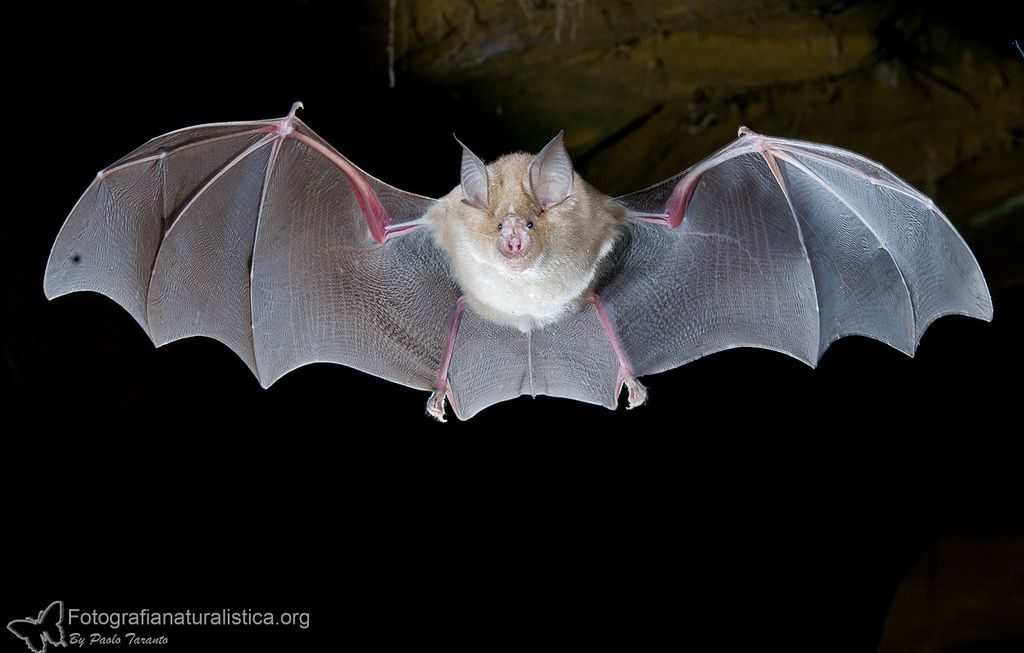
This could support the theory that the coronavirus pandemic originated from bats.
Scientists have discovered three viruses in bats in Laos that are more similar to SARS-CoV-2 than any other known viruses. This is reported by the journal Nature.
The researchers say that some parts of their genetic code support claims that the virus behind COVID-19 has a natural origin, but their discovery also raises concerns that there are many coronaviruses capable of infecting humans.
David Robertson, a virologist at the University of Glasgow in the United Kingdom, calls the finding "exciting and rather frightening."
The Theory of Coronavirus from Wild Bats
To make this discovery, Marc Eloit, a virologist at the Pasteur Institute in Paris, and his colleagues from France and Laos took samples from 645 bats in caves in northern Laos.
In three species of horseshoe bats (Rhinolophus), they found viruses, each more than 95% identical to SARS-CoV-2, which they named BANAL-52, BANAL-103 and BANAL-236.
Edward Holmes
virologist at the University of Sydney in AustraliaWhen SARS-CoV-2 was first sequenced, the receptor-binding domain did not actually resemble anything we had seen before. This led some people to suggest that the virus was created in a laboratory. But the Laos coronaviruses confirm that these parts of SARS-CoV-2 exist in nature.
Together with relatives of SARS-CoV-2 found in Thailand, Cambodia and Yunnan in southern China, the study demonstrates that Southeast Asia is a "hotspot of diversity of viruses related to SARS-CoV-2," — says Alice Latinne, an evolutionary biologist at the Wildlife Conservation Society Vietnam in Hanoi.
The researchers also cultured BANAL-236 in cells, which they will now use to study the pathogenicity of the virus in animal models.
Last year, researchers described another close relative of SARS-CoV-2 called RaTG13, which was found in bats in Yunnan.
Overall, it is 96.1% identical to SARS-CoV-2, and the two viruses probably shared a common ancestor 40–70 years ago.
Viruses exchange RNA fragments with each other through a process called recombination, and one part of BANAL-103 and BANAL-52 may have shared a common ancestor with parts of SARS-CoV-2 less than ten years ago, says Spyros Lytras, an evolutionary biologist and virologist at the University of Glasgow. "These viruses recombine so much that different parts of the genome have different evolutionary histories," he says.
Missing Links
According to the researchers, the discovery in Laos provides insight into the origins of the pandemic, but links are still missing.
For example, the Laos viruses do not contain the so-called furin cleavage site on the spike protein, which further facilitates the entry of SARS-CoV-2 and other coronaviruses into human cells.
The study also does not clarify how the virus's progenitor could have reached Wuhan in central China, where the first known cases of COVID-19 were identified.
Answers may come from collecting more samples of bats and other wild animals in Southeast Asia, which many groups are doing.
Another study sheds light on work being carried out in China. For this study, scientists collected about 13,000 bats between 2016 and 2021 across China.
But they did not find close relatives of SARS-CoV-2 and concluded that they are "extremely rare in bats in China."
However, other researchers question this claim. "I strongly disagree with the suggestion that relatives of SARS-CoV-2 may not circulate in Chinese bats, since such viruses have already been described in Yunnan," says Holmes.

Russian Attacks in Dnipropetrovsk Region: Two Killed, Seven Injured

Defense Forces Strike Four Russian Drone Control Points in Past Day, Including in Berdiansk

Britain Threatens Sanctions on Kremlin-Linked People; Poland Ready to Hand Ukraine Ammunition

Russia says it has completed "planned exercises" in the Black Sea

MVD: Fake Riots With Prop Blood Were Being Prepared Near Presidential Office

Law Enforcers Name Another Klitschko Deputy as Suspect

Berlin Holds Protest Against War in Ukraine; EU Prepares for Possible Russian Halt of Gas Supplies
North Korea Fires Ballistic Missile Over Record Distance in Five Years
Irish Fishermen Force Russia to Postpone Naval Drills

US sanctions in case of invasion of Ukraine could completely destroy Russia's economy, NYT reports
