
Forward to the Future: When Will We Finally Switch to Flying Taxis
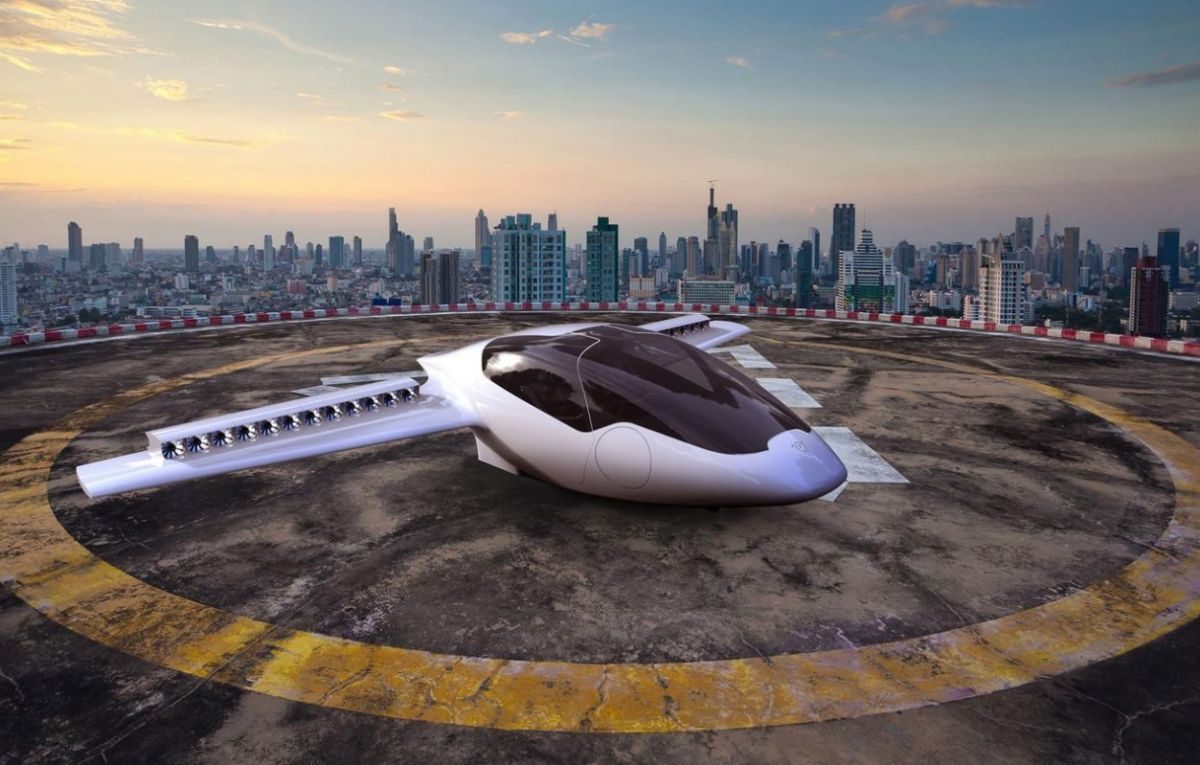
And what they will look like.
The traffic problem in big cities around the world is growing every year. Moving part of the transport into the air, relieving the roads, is becoming an obvious solution. At the same time, passenger transport must be affordable and convenient in terms of infrastructure for takeoff and landing.
The future belongs to air taxis. This conclusion can be drawn from the developments of the world's largest companies: Boeing, Airbus, Hyundai, Uber and others. All of them are working on creating their own electric vertical takeoff and landing aircraft that is as light as possible in weight and control. Simply put, a passenger drone.
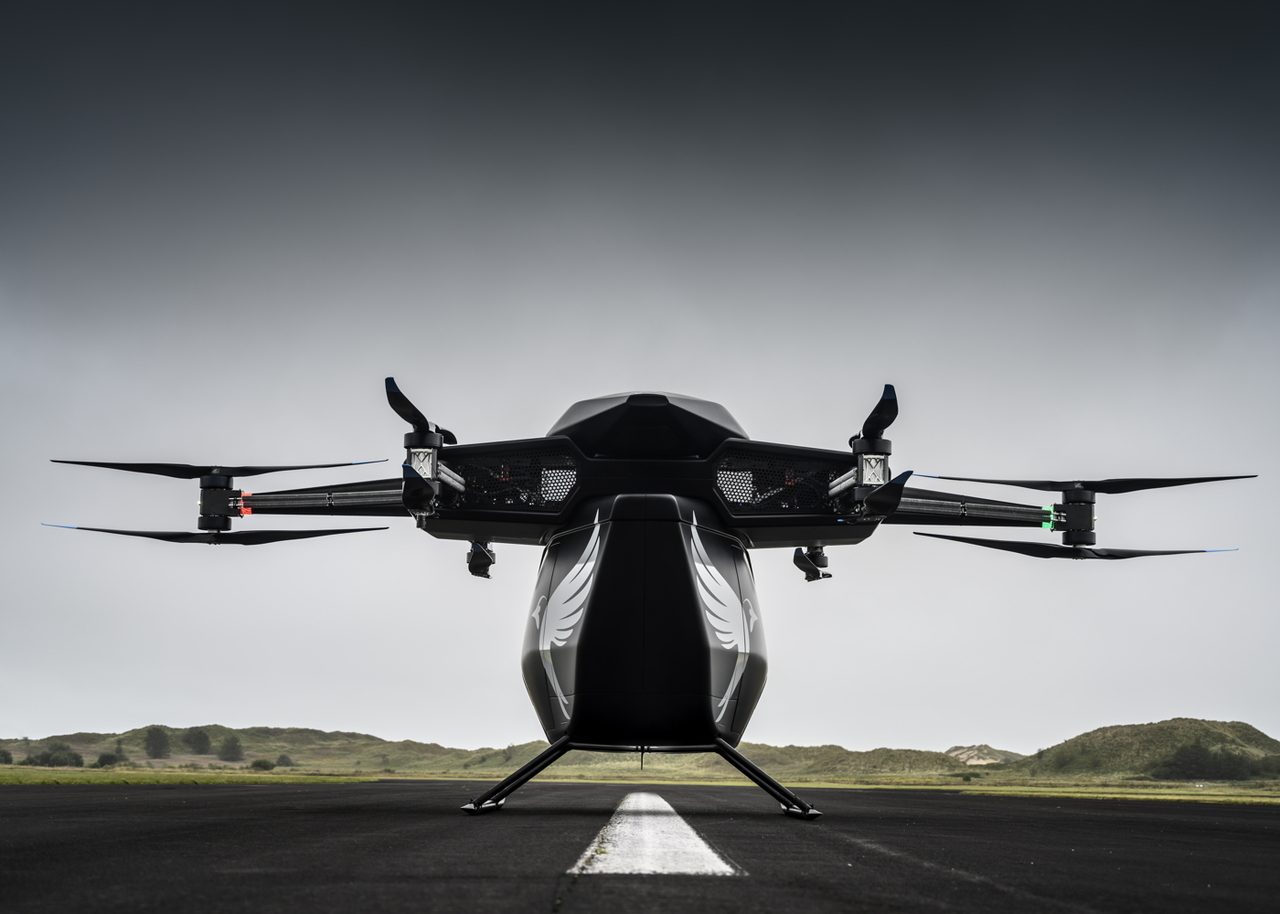
In total, according to the Vertical Flight Society, about 300 such aircraft projects are under development worldwide.
But how close are these concepts to becoming reality? When will we actually be able to see air taxis on city streets?
One of the latest development news came in August 2020 from the Japanese company SkyDrive, which we reported on here. In 2023, it plans to bring its own electric air taxi to the passenger transport market. By 2028, the vehicles are planned to be put on sale for the mass market.
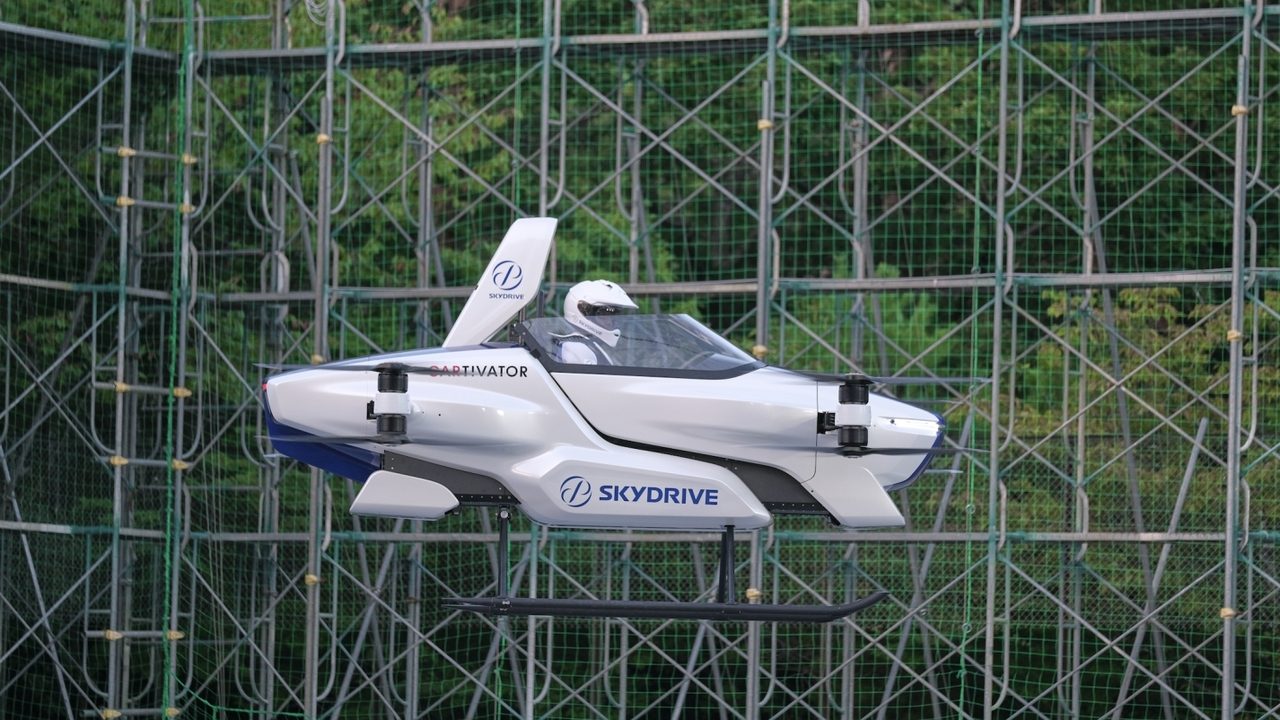
A two-seat drone that takes up as much parking space as 2 regular cars can accelerate to 100 km/h and travel several dozen kilometers on a single battery charge.
At the end of August 2020, the SkyDrive air vehicle made its first test flight with a person on board.
It appears that 2023-2025 could become a breakthrough period for urban air mobility – this is when other companies plan to launch their air taxi projects.
The main thing that may prevent them from becoming reality is the absence (for now) of an appropriate legal framework that would regulate such flights over densely populated areas.
EHang (China)
The Chinese company EHang is considered the pioneer of passenger drones; it released its first aircraft in 2016.
In 2019, EHang sold 61 autonomous passenger vertical takeoff and landing aircraft. However, they were not certified and could only be used for testing.
In 2020, EHang became the first company in the world producing autonomous flying vehicles to be permitted by the government to conduct commercial piloted flights.
At present, EHang's electric aircraft are two-seaters, but the company is already working on developing a flying ambulance for delivering medicines and transporting patients equipped with the necessary equipment.
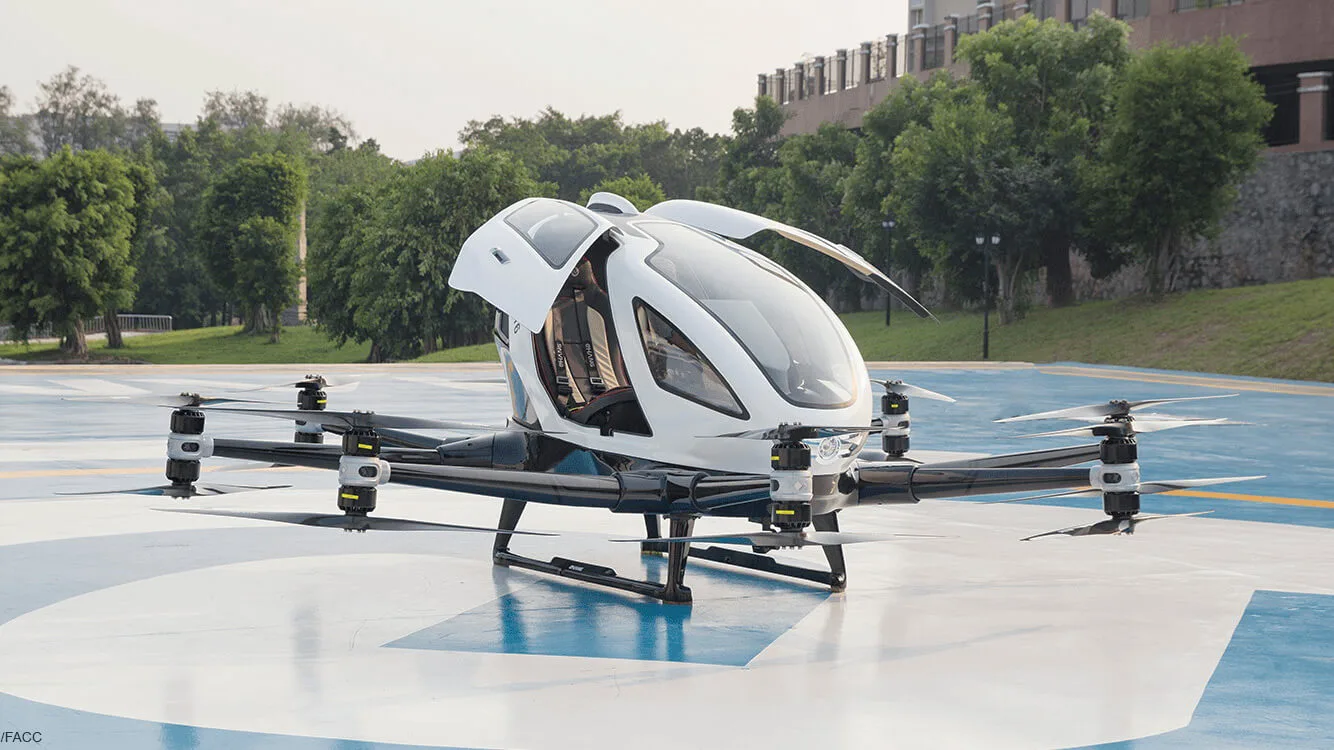
The maximum payload of the EHang 216 model is 260 kg, and its range with such a payload is 35 km. However, the company has already announced an aircraft that will be able to fly 100 km on a single battery charge. Charging it takes 2 hours. The air vehicle itself weighs about 360 kg and can accelerate to a maximum of 130 km/h.
Price: 336 thousand dollars.
As early as 2020, the Chinese company plans to launch passenger flights in the large Austrian city of Linz. First, the air taxi will be tested over a sparsely populated area, then passengers will be carried from one bank of the Danube River, which runs through the center of the city, to the other.
EHang expects to produce up to 3,000 air taxis by 2025, and also to begin local production in North America and Asia.
LIFT Aircraft (USA)
The Texas startup LIFT Aircraft is one of the participants in Agility Prime, a US Air Force program aimed at accelerating the development of a commercial market for flying cars. The program brings together industry circles, investors and government resources. Government purchases of "flying cars" under the program are expected to begin as early as 2023.
LIFT Aircraft has developed the ultralight (195 kg) single-seat vertical takeoff and landing aircraft Hexa, designed for personal short-distance flights.
Hexa has 18 rotors, can lift a passenger weighing up to 113 kg and fly them for 15 minutes. Its maximum speed is 101 km/h.
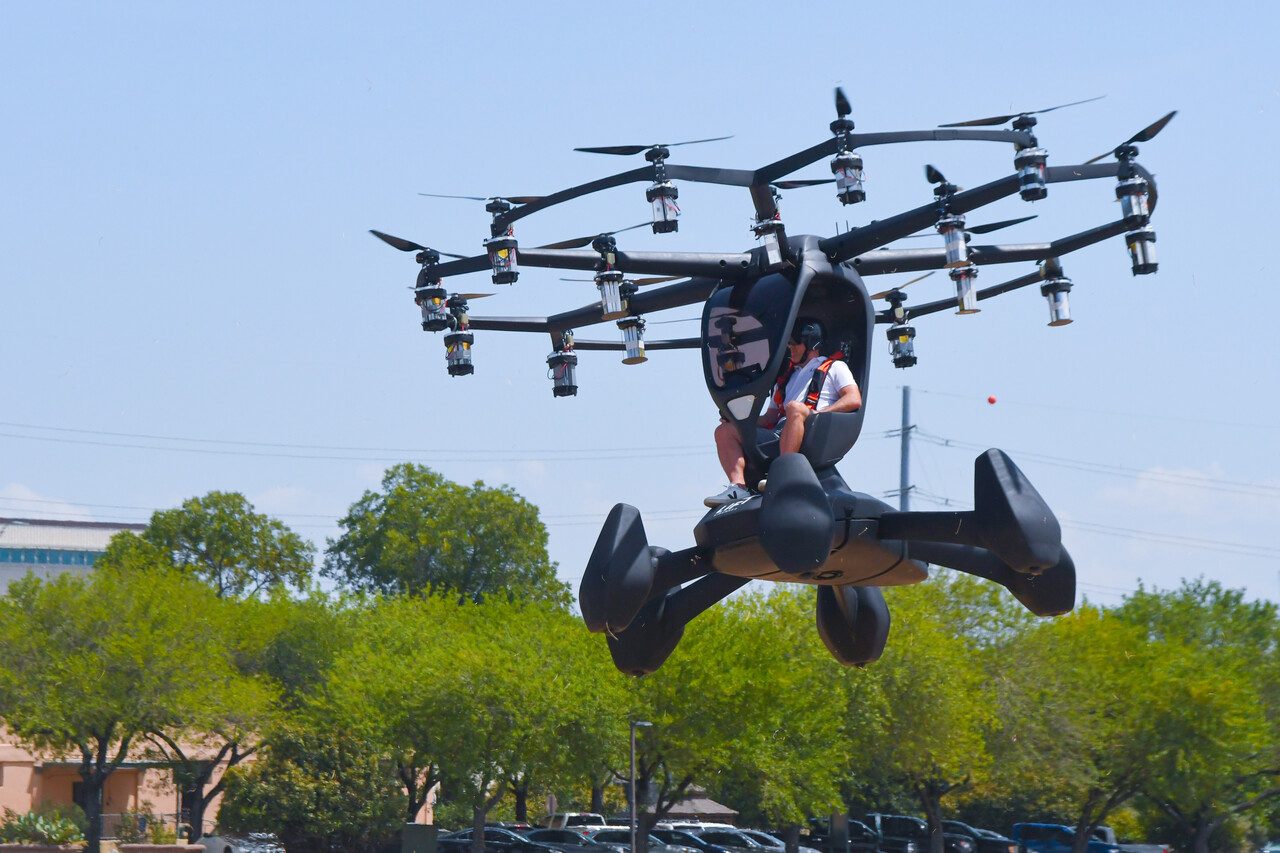
Hexa has a built-in autopilot, and its controls look like a joystick. The aircraft can continue flying even if up to 6 engines fail, and for safety it also has a ballistic parachute and an airbag system. The built-in computer calculates the battery charge so that, regardless of the pilot's actions, the aircraft lands safely before it is fully discharged.
The ultralight classification means that users will not need a pilot's license to take to the air. Flights will only be possible at altitudes up to 200-300 m. In the future, the company plans to use its aircraft as taxis, though the passenger would have to be the pilot at the same time.
The price of the air vehicle is 495 thousand dollars. The approximate cost of one flight is 250 dollars.
Hyundai & Uber (South Korea — USA)
Hyundai became the first carmaker to join Uber Elevate, Uber's concept in urban air mobility. The automaker plans to invest 1.5 billion dollars over the next five years in developing a flying taxi and supporting infrastructure.
Hyundai expects that its capacities will allow it to set up mass production of Uber air taxis at the lowest prices on the market. Commercial launch is planned for 2023.
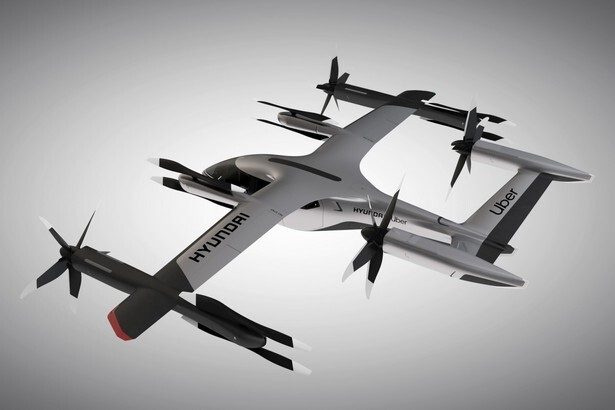
The S-A1 model presented by the companies seats 4 passengers and has 8 lifting rotors, can reach a speed of 290 km/h, and its projected range is 100 km. Charging time is 5-7 minutes during peak operating hours. The S-A1 is much quieter than a regular helicopter. The air taxi has space for luggage, as well as a parachute deployment system for emergency landings.
Hyundai expects its air taxis to be piloted at first, but to gradually switch to full autopilot over time. The price of the vehicle for pre-orders has not yet been announced.
Lilium (Germany)
The first full-scale prototype of the Lilium Jet first took to the air in May 2019, and in October of that year completed the flight testing stage.
Over three years of development, the project attracted more than 340 million dollars in investment. The company plans to launch serial production and a regional air mobility service by 2025 – the 10th anniversary of its existence.
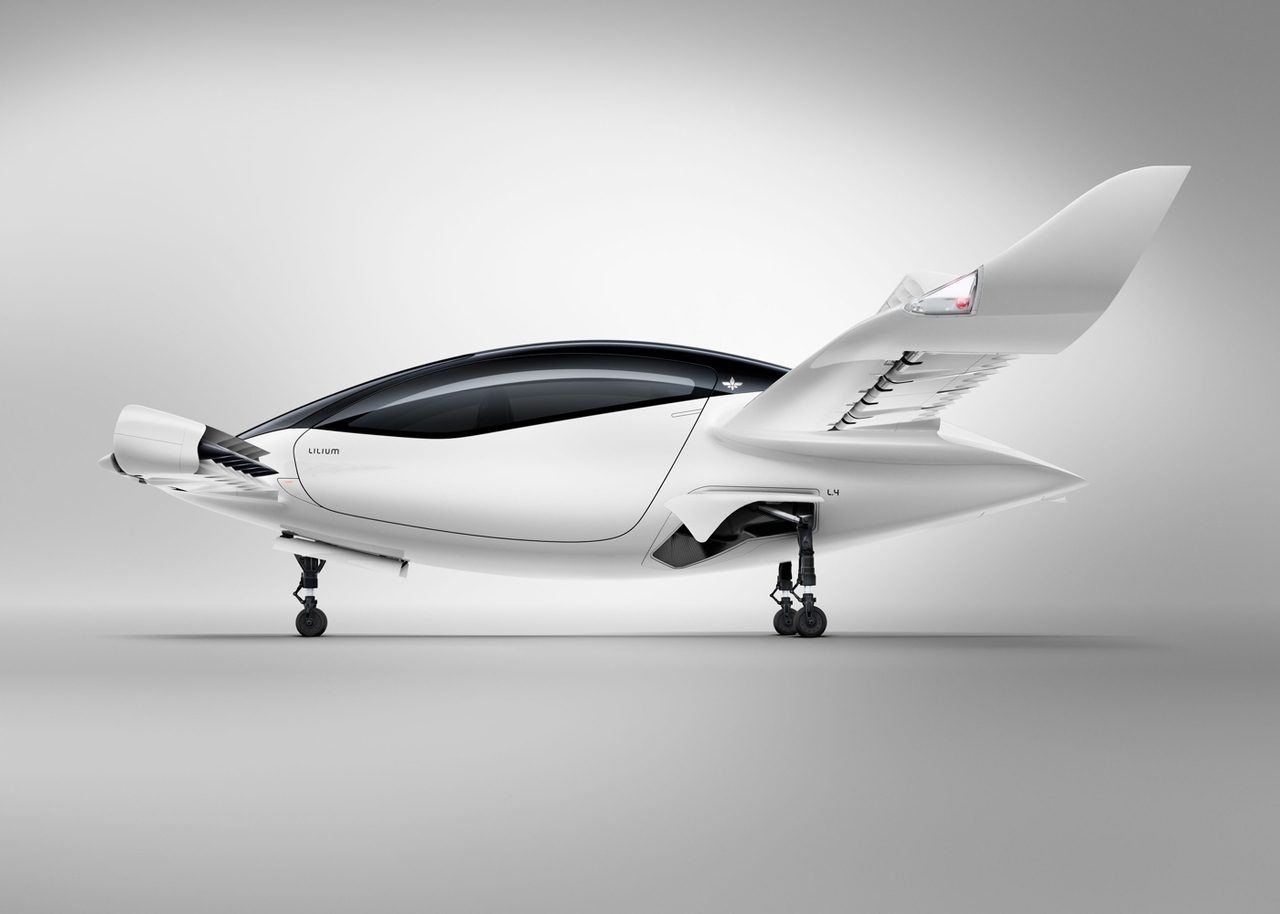
The five-seat Lilium Jet — is an aircraft with two fixed wings and 36 rotors on the flaps. The estimated range on a single battery charge is 300 km. Maximum speed is 300 km/h.
Currently, the Lilium Jet is controlled by a pilot, but in the future the developers want to make it fully autonomous.
In case of a malfunction, the aircraft can land like a glider – but only if an experienced pilot is at the controls. For safety, there is also a parachute, but it only opens at an altitude above 35 m above the ground. The price of the Lilium Jet starts at 1 million dollars.
Airbus (France)
CityAirbus is designed for 3 passengers and a driver. The flying taxi weighs 2.2 t, can travel up to 30 km on a single charge, accelerate to 120 km/h and lift up to 250 kg.
CityAirbus is designed for 3 passengers and a driver. The flying taxi weighs 2.2 t, can travel up to 30 km on a single charge, accelerate to 120 km/h and lift up to 250 kg.
At present, the CityAirbus is undergoing testing. The company plans to launch a flying taxi between Charles de Gaulle Airport and central Paris by the 2024 Olympics in France, and commercial operations in other large cities by 2025.
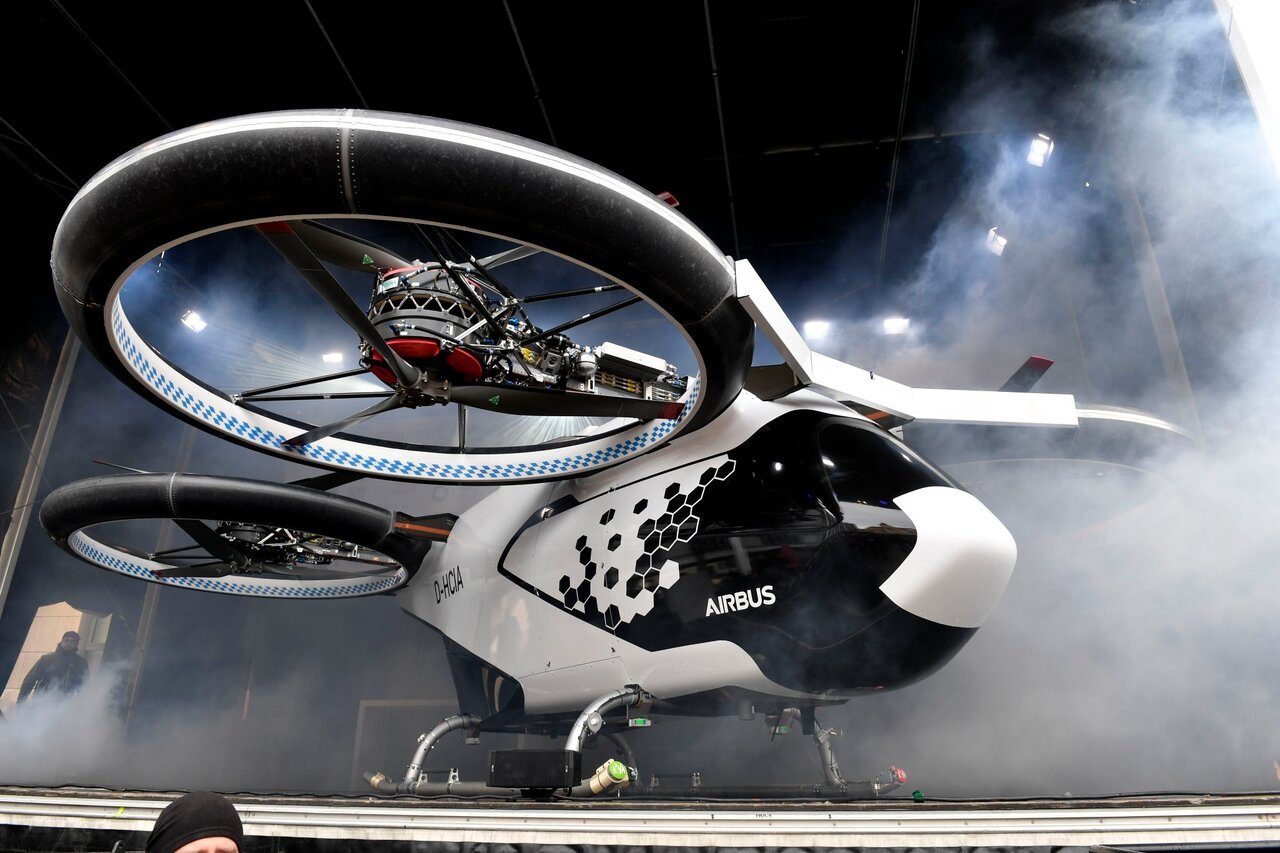
While unmanned passenger flights are not yet permitted, a pilot will sit at the controls, but in the future Airbus wants to move to fully autonomous flights between two specific predefined points.
The price of the CityAirbus starts at 1.1 million dollars.
Boeing
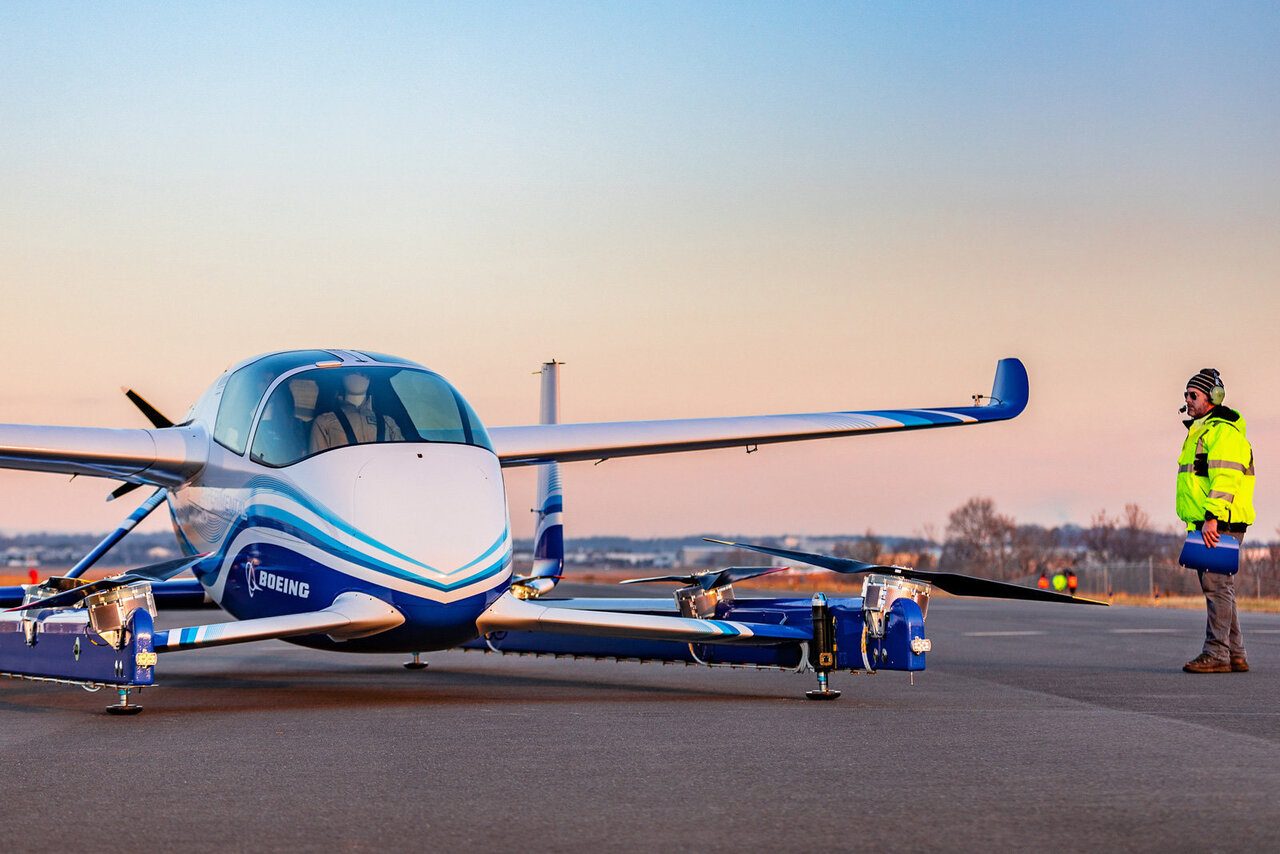
Boeing's subsidiary Aurora Flight Sciences designed and built a flying taxi prototype in just one year. It is currently undergoing testing. The company plans to begin selling air vehicles to regional companies in the 2020s.
The Boeing NeXt is the largest of the aircraft presented in our selection. Its dimensions are 9.14 by 8.53 meters. On a single charge, the air vehicle will be able to travel up to 80 km at a speed of 180 km/h. Maximum payload is 225 kg, and the vehicle itself weighs 800 kg. It is expected to be fully controlled by autopilot.
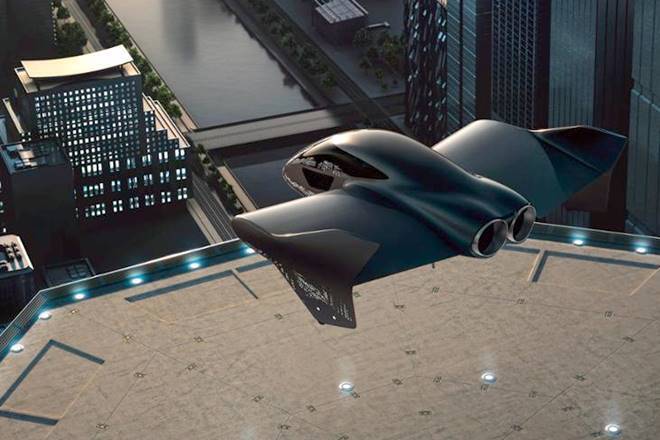
Boeing has also signed a memorandum of cooperation with Porsche to create premium-class personal urban air transport. While most air vehicle developers want to make flights accessible to the masses, Porsche has decided to help meet the needs of the elite. Their joint product is expected to hit the market after 2025.
An unrealized but interesting project:
Audi, Airbus, Italdesign (Germany, France, Italy)
Pop.Up Next – a very unusual concept, radically different from all those discussed above. But in the 2 years of its existence, it never became a full-scale working prototype, and in 2019 it was shelved altogether. Probably due to excessive technological complexity.
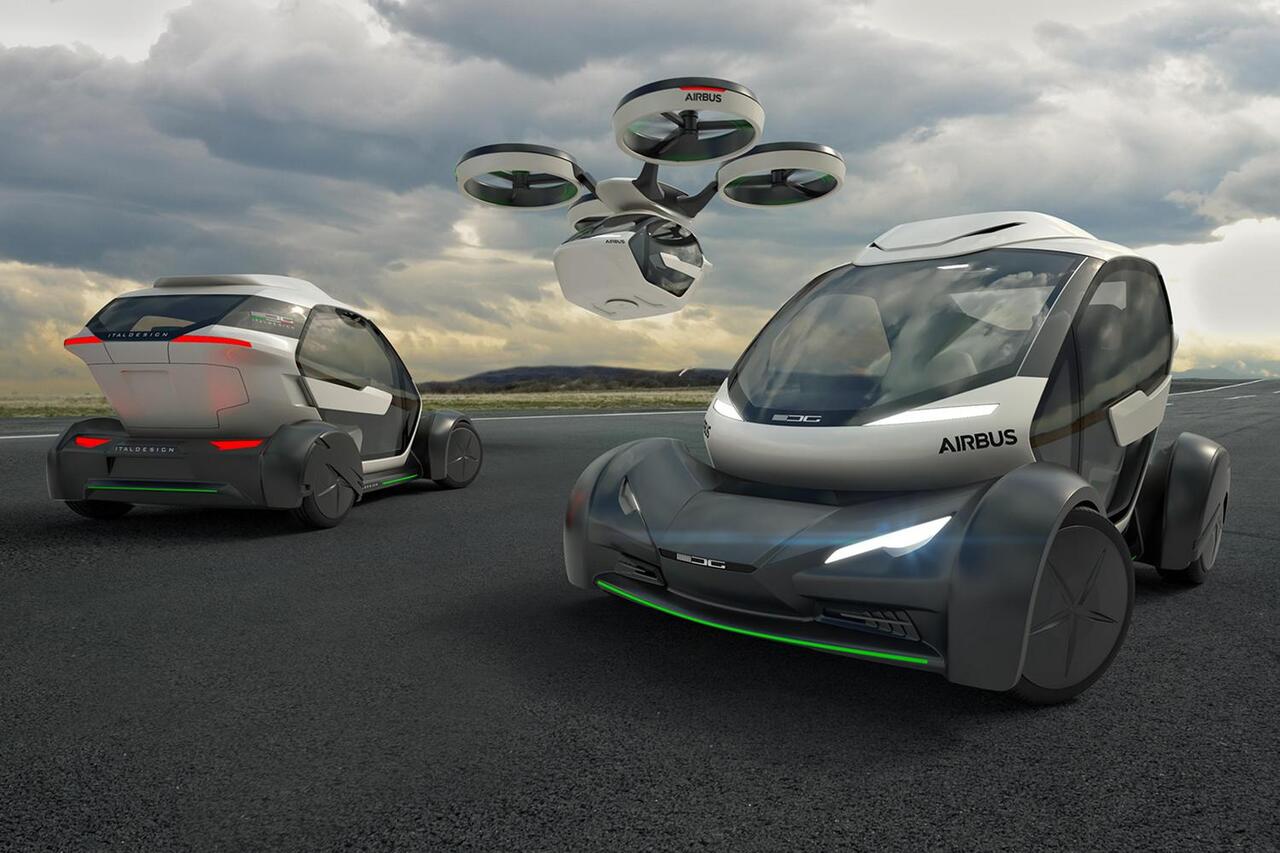
What they wanted to do: a driverless car picks up customers like a regular taxi, brings them to a special platform, where the car cabin detaches from a modular platform with wheels, and rotors are attached to it – creating a flying vehicle, while the passenger does not even need to leave the taxi. The journey then continues through the air.
After closing the project, Audi shared the view that such technologies will not reach everyday life for a very long time.
Lisa Moseychuk, TK Media

Russian Attacks in Dnipropetrovsk Region: Two Killed, Seven Injured

Defense Forces Strike Four Russian Drone Control Points in Past Day, Including in Berdiansk

Britain Threatens Sanctions on Kremlin-Linked People; Poland Ready to Hand Ukraine Ammunition

Russia says it has completed "planned exercises" in the Black Sea

MVD: Fake Riots With Prop Blood Were Being Prepared Near Presidential Office

Law Enforcers Name Another Klitschko Deputy as Suspect

Berlin Holds Protest Against War in Ukraine; EU Prepares for Possible Russian Halt of Gas Supplies
North Korea Fires Ballistic Missile Over Record Distance in Five Years
Irish Fishermen Force Russia to Postpone Naval Drills

US sanctions in case of invasion of Ukraine could completely destroy Russia's economy, NYT reports
