
Google, Apple and Amazon Plan to Monopolize the Car Systems Market Too
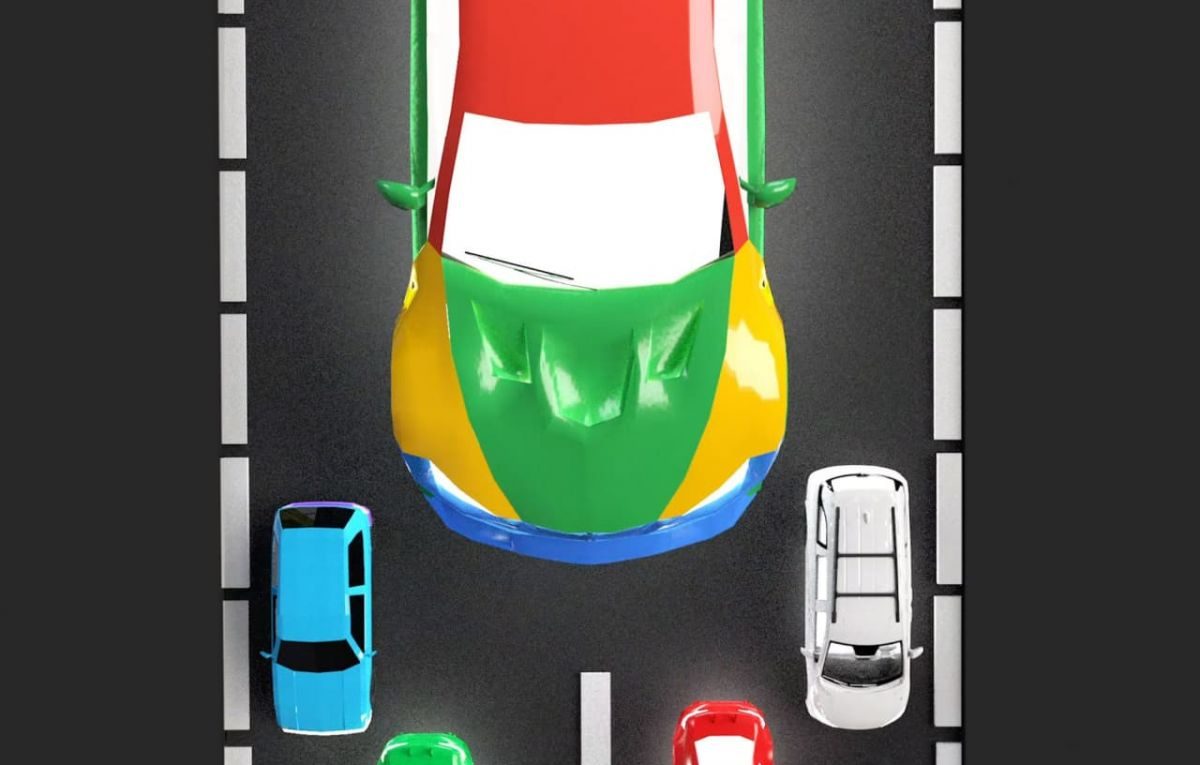
Antitrust regulators could stand in their way.
Google and Apple have conquered the smartphone market, and now, together with Amazon, they want to take over the car operating systems market. This is reported by Politico in an opinion piece.
The publication notes that regulators could stand in the companies' way. In the past, authorities allowed these same companies to capture the mobile systems market, but now they will try to prevent a repeat of this situation in the market for car operating systems.
Car Systems
Before a car reaches the roads, three to five years pass from the moment it is designed. Therefore, cars that have just gone on sale are already equipped with outdated technology, says ABI Research analyst James Hodgson.
This has prompted automakers to hand over the interactive functions of the dashboard to smartphones. With CarPlay from Apple or Android Auto from Google, a phone can be connected to the car's system. As a result, the driver can make calls through the car's audio system, listen to music or watch videos.
However, companies like Apple and Google, the publication writes, seek to deprive drivers of choice by creating their own software. Industry regulators fear that the firms will treat cars the same way they once treated phones: tying their operating systems to specific products and taking a dominant position in the market.
Google and Apple won the battle for smartphones. Now both companies, together with Amazon, are competing for control over cars. All of them see in the car market an audience that spends most of its time behind the wheel and that can be attracted.
After many years of unsuccessful attempts to implement technologies on their own, automakers are turning to Silicon Valley for help. They hope to adopt both its technologies and its profitable business models, in which consumers pay for services monthly rather than buying them once.
Although regulators missed the moment when large companies captured the smartphone market, they will try to prevent a repeat of this situation in the market for car operating systems, the publication writes.
Google, together with the self-driving car unit Waymo, and Ford first began discussing a partnership in 2015.
The automaker demanded that its self-driving technology be provided exclusively to its products, while Google wanted to cooperate with other companies as well.
Because of this, the deal fell through, which led to the dismissal of Ford CEO Mark Fields. Google, however, continued to look for clients and concluded deals with Volvo, General Motors and Stellantis, the parent company of Chrysler, RAM, Jeep and Plymouth.
As with smartphones, automakers can use Android as the main software for their devices. But if they need Google Maps or a voice assistant, they must sign a contract with the company.
The company offers the Google Automotive Services (GAS) package on an all-or-nothing basis. For example, to get access to Maps, an automaker must agree to use the Play Store and the voice assistant.
Honda, Volvo and the Renault-Nissan-Mitsubishi alliance agreed to install the package. Chrysler, Jeep and Plymouth use only Android; they chose Amazon Alexa as their voice assistant and the TomTom service for navigation.
In February 2021, Ford's new CEO Jim Farley announced a six-year partnership with Google. Starting in 2023, the company's cars will come with Google Maps, Assistant and the Play Store preinstalled.
Farley also managed to agree that Ford engineers would work directly with Google's software developers. The collaboration was called "Team Upshift."
Apple
The company has been working on its own self-driving project, Project Titan, since 2014. The project's concept has changed from creating software only for self-driving cars to developing fully autonomous vehicles. Work was halted several times, most recently in September 2021, when project head Doug Field left for Ford.
In 2017, Tim Cook said that Apple was working on autonomous technologies for cars. The company filed applications for dozens of patents, including for displays that project information onto the windshield.
For many years, Apple discussed partnerships with Hyundai, Nissan and Toyota, and in early 2020 held negotiations about acquiring electric vehicle maker Canoo. Ultimately, no agreement was reached, which Canoo reported in 2020.
"Apple has never entrusted its brand to anyone else. They want to control everything from start to finish," says James Hodgson, an autonomous vehicle analyst at ABI Research.
Amazon
In 2014, Amazon tried to enter the smartphone market with the Fire phone, but the attempt proved unsuccessful. Nevertheless, one part of the project survived: the Alexa voice assistant. It is through Alexa that Amazon entered the car software market.
The first versions of Alexa Auto were a smartphone app connected to the car via CarPlay or Android Auto. However, access to the car's system through Apple or Google limited Alexa's functionality. Therefore, Amazon began working directly with automakers to build the service into their cars.
BMW and GM released cars with Alexa in 2018, and since then Audi, Jeep, Land Rover and others have followed their example. With built-in Alexa, drivers can remotely lock or unlock doors, start the engine or check the fuel level.
The in-car assistant can control the lights in the house, provide weather updates or buy groceries on Amazon or at its subsidiary Whole Foods.
Hodgson of ABI believes that voice control helps drivers keep their attention on the road. The widespread use of Alexa at home already means it has a ready customer base that will appreciate the integration, the analyst says.
Jim Hefner, vice president of Cox Automotive Mobility, believes Amazon is less successful than Google in partnering with automakers because it uses a hybrid approach and focuses on new market entrants.
Attempts to Prevent a New Monopoly
"For many consumers, buying a car is a long-term decision. If a user is tied to the services of one organization just because they bought a car, this could kill competition," says Charlotte Slaiman of Public Knowledge, a company specializing in competition issues.
A coalition of 38 states sued Google in 2020 for monopolizing online search, but the trial will not begin until September 2023. Appeals are also likely, so the case is unlikely to be resolved before 2025, Politico writes. Experts say the lawsuit will not prevent Google or another company from establishing itself in the car market.
Google stated that the EU decision applies only to Android phones, not to car software: "In the end, manufacturers can choose which voice assistants to install in their cars, and users can decide which assistants to use."
"We compete with companies that offer car infotainment systems: CarPlay, Alexa, Nuance Automotive and others. The Android car OS is an open, customizable platform where manufacturers and users can install a wide range of third-party apps," says Google representative Peter Schottenfels.
According to Fight for the Future director Roth-Gaudett, the absence of a privacy law in the US and weak antitrust enforcement are unlikely to stop Google, Apple and Amazon from dominating the car operating systems market.

Russian Attacks in Dnipropetrovsk Region: Two Killed, Seven Injured

Defense Forces Strike Four Russian Drone Control Points in Past Day, Including in Berdiansk

Britain Threatens Sanctions on Kremlin-Linked People; Poland Ready to Hand Ukraine Ammunition

Russia says it has completed "planned exercises" in the Black Sea

MVD: Fake Riots With Prop Blood Were Being Prepared Near Presidential Office

Law Enforcers Name Another Klitschko Deputy as Suspect

Berlin Holds Protest Against War in Ukraine; EU Prepares for Possible Russian Halt of Gas Supplies
North Korea Fires Ballistic Missile Over Record Distance in Five Years
Irish Fishermen Force Russia to Postpone Naval Drills

US sanctions in case of invasion of Ukraine could completely destroy Russia's economy, NYT reports
