
The government intends to regulate the movement of scooters and monowheels: until now, the law has not included such concepts
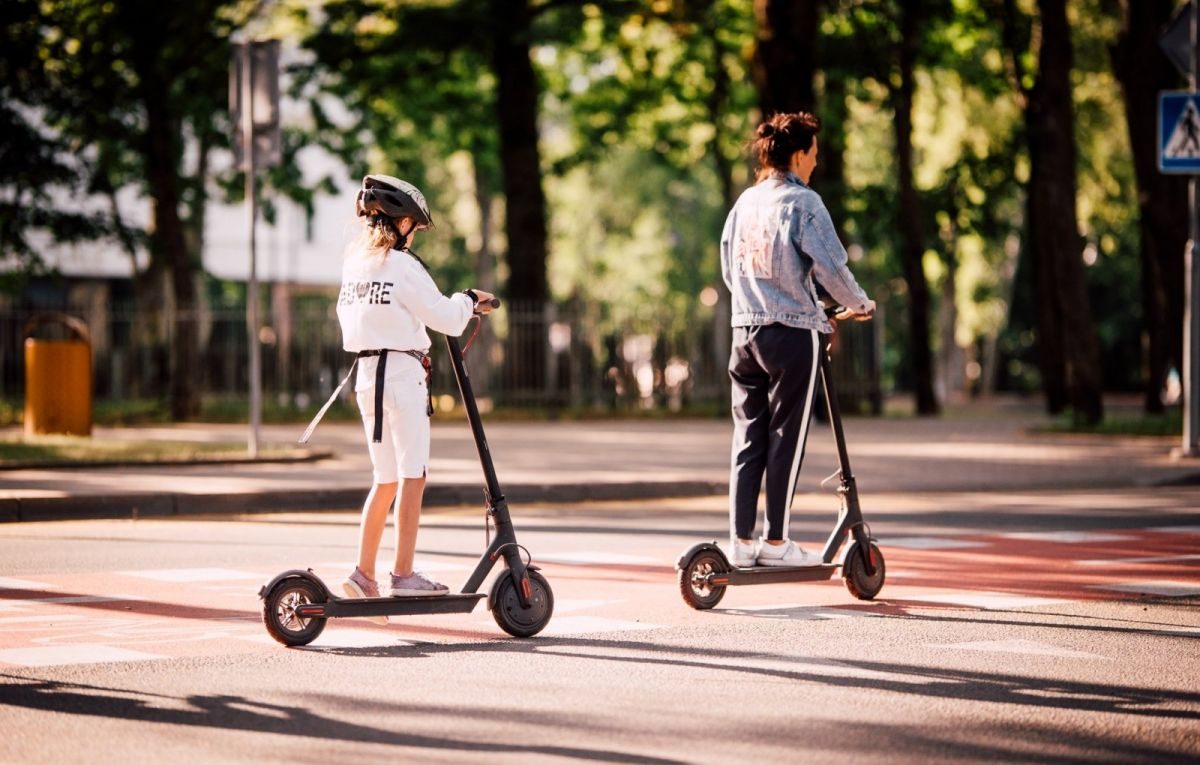
At present, scooter users are not de jure participants in road traffic.
In Ukraine, electric scooters, gyroscooters and monowheels have grown in popularity over the past few years, yet Ukrainian legislation still does not define the concepts or rules governing the movement of such vehicles.
Meanwhile, unregulated riding of personal electric transport often leads to accidents with injuries or scandals that escalate into brawls. An illustrative example is the beating of TV presenter Mykhailo Shchur.
We look at the latest legislative initiatives on regulating the movement of personal mobility vehicles from the Cabinet of Ministers, the Verkhovna Rada and local authorities.
Legislative initiatives
On August 23, a working group under the Ministry of Infrastructure approved the Temporary Procedure for the Use of Personal Electric Transport, which is expected to take effect shortly.
The new procedure introduces into law the concept of personal electric transport and defines the obligations of its users.
Personal electric transport will be considered vehicles equipped with an electric motor, with one, two or three wheels, without a seat, and designed for the use of one person.
Its weight must not exceed 20 kg, and its motor power must not exceed 1 kW.
However, it is unclear how vehicles exceeding these standards will be regulated, since electric scooters on sale nearly double these parameters.
At the same time, it is noted that electric transport is not subject to mandatory state registration provided its characteristics meet the definition.
The duties of electric transport users on roads also include the obligation not to exceed the maximum permitted weight established for such vehicles.
The rules require users to obey all current laws and the Traffic Rules, and not to use such transport under the influence of alcohol or narcotic substances.
It is also prohibited to ride against the direction of traffic, carry passengers, use mobile phones and other devices, or ride a faulty vehicle.
When riding on the sidewalk, users must not obstruct pedestrians and must give them priority.
Electric transport may be left in places permitted for parking bicycles, provided more than 2 m remains for pedestrians to pass. In other places — if it does not create obstacles for other road users.
Leaving electric transport in car parks, on the roadway, under bridges, in parks, on the grounds of historical monuments and the like is prohibited.
However, the legal consequences of failing to comply with or violating these rules are not specified.
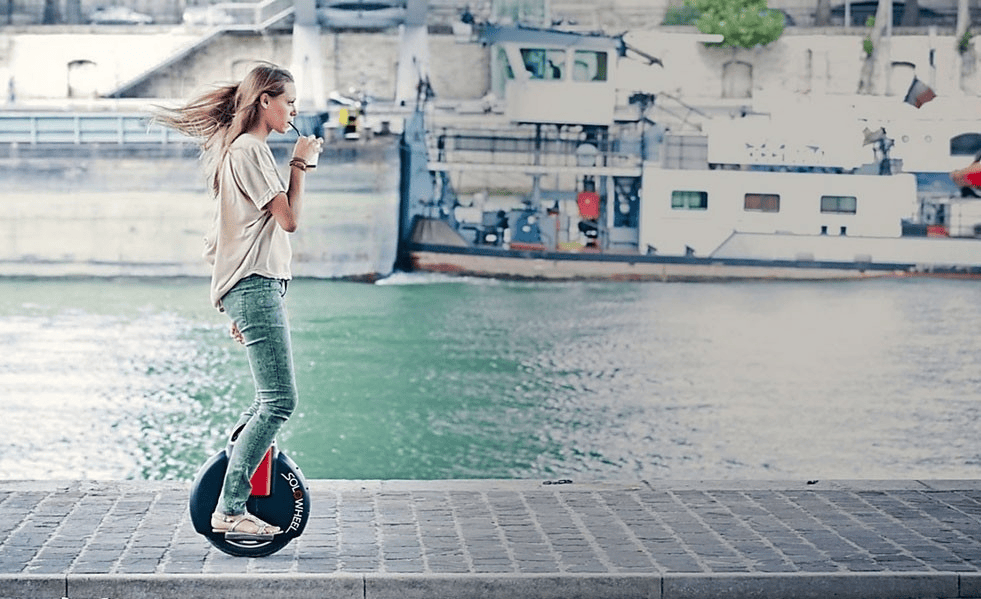
In addition to the Cabinet's initiative, the issue is also being discussed in parliament.
Currently, two bills aimed at regulating the use of electric transport in Ukraine are registered in the Verkhovna Rada: one from the Holos faction and the other from Servant of the People.
Both bills are similar in that they introduce the necessary concepts into law and amend the Traffic Rules. However, they have not yet been considered by the relevant committee.
While the law cannot yet regulate the movement of personal electric transport, local authorities in some cities are already introducing their own rules.
For example, in Kyiv the speed of electric scooters has been limited to 20 km/h through signing a memorandum on cooperation with electric scooter rental operators. It also envisaged introducing insurance for users at the time of renting the vehicle.

Russian Attacks in Dnipropetrovsk Region: Two Killed, Seven Injured

Defense Forces Strike Four Russian Drone Control Points in Past Day, Including in Berdiansk

Britain Threatens Sanctions on Kremlin-Linked People; Poland Ready to Hand Ukraine Ammunition

Russia says it has completed "planned exercises" in the Black Sea

MVD: Fake Riots With Prop Blood Were Being Prepared Near Presidential Office

Law Enforcers Name Another Klitschko Deputy as Suspect

Berlin Holds Protest Against War in Ukraine; EU Prepares for Possible Russian Halt of Gas Supplies
North Korea Fires Ballistic Missile Over Record Distance in Five Years
Irish Fishermen Force Russia to Postpone Naval Drills

US sanctions in case of invasion of Ukraine could completely destroy Russia's economy, NYT reports
