
Health or Money. How Diamond Princess Crew Members Endured Quarantine on the Cruise Liner
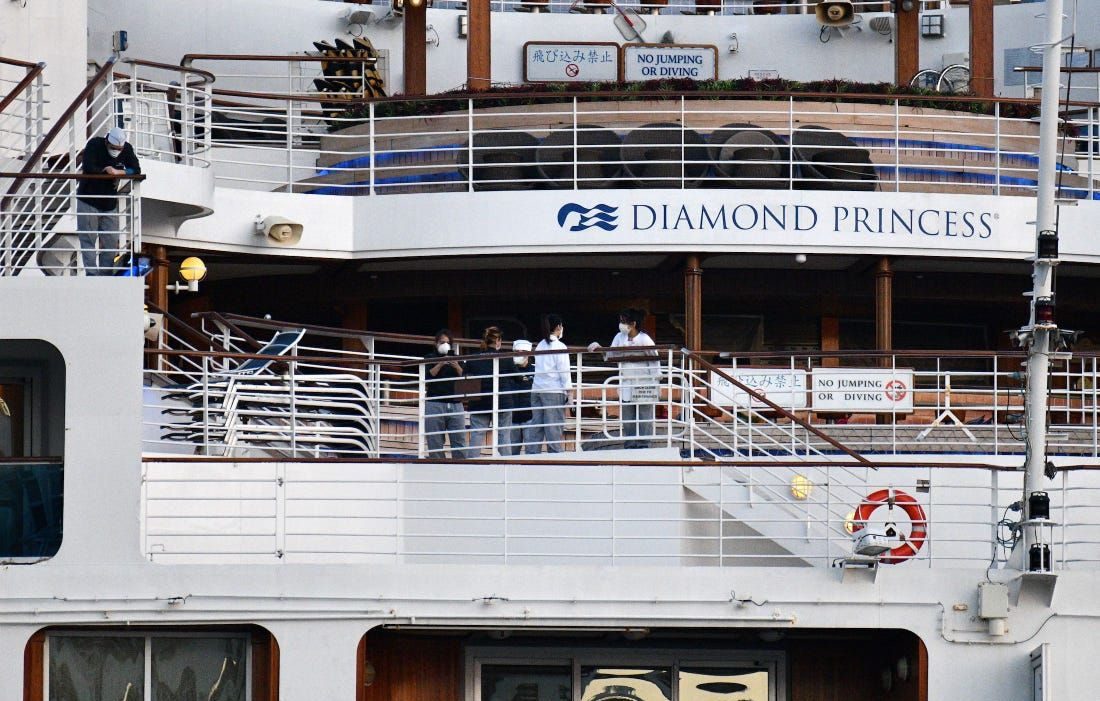
On the ship, where 25 Ukrainians worked, things were far from as rosy as officials had claimed.
Cristian Santos recalls spending sleepless nights, anxiously listening to the coughing of his colleague. They slept on the lower deck, in one of the small cabins allocated to the crew of the Diamond Princess cruise liner.
For the previous two weeks he had served guests confined to their cabins and watched the feeble attempts to stop the virus from spreading on the ship. Now he was almost completely certain that the coronavirus, which had already infected hundreds of people, had also entered his own cabin.
He tried to move out, but was told that this was impossible. “Every time he coughed, it frightened me,” — recalls Santos, who, like most of his colleagues who agreed to speak to the press, asked to be identified under a pseudonym. The next day, his colleague was taken to hospital for treatment.
Santos’s test did not detect the disease, but he and his colleagues remain in quarantine, while another cruise liner was detained off the coast of San Francisco. Symptoms of the virus were found in 21 people on board, and it is still unknown whether the tourists will be able to leave the ship.
Santos is certain that the passengers and crew of the Diamond Princess should have been evacuated much earlier, because after his voyage was halted by the Japanese government, the ship became a fertile ground for the spread of the virus. And the crew should not have been made to serve, prepare and wash dishes during the quarantine.
“We were humiliated,” — says Santos. — “Can you even imagine it? The situation was alarming, but they forced us to keep working.” He fears both that he may still be infected and that he may lose his job because of the crisis.
Concerns on the ship first arose after a passenger who disembarked in Hong Kong on February 1 was found to have the coronavirus. Three days later, Japanese authorities halted the cruise. On February 5, additional measures were taken, and the 2,600 guests on board were told not to leave their cabins.
But this restriction applied only to passengers. Crew members continued to eat in the large common hall, used shared toilets and visited guests’ cabins. Some departments received protective equipment later than others. Santos says he received his mask only a week after the ship was docked at the shore.
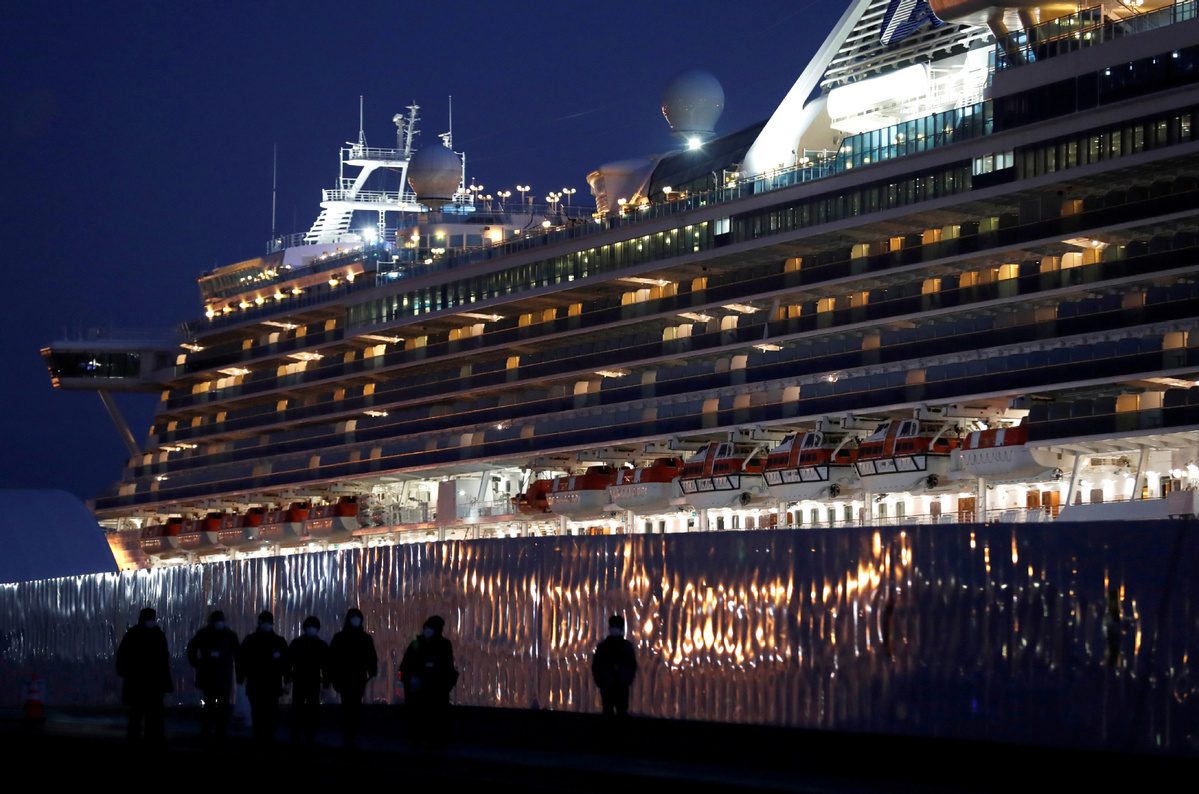
At about the same time, infectious disease specialist Kentaro Iwata, a professor of medicine at Kobe University who had visited the ship the day before, described the protective procedures as “completely inadequate.” In a video posted on social media, he said he had previously worked in outbreaks of the Ebola and SARS viruses, but only after visiting the Diamond Princess did he become concerned about possible infection.
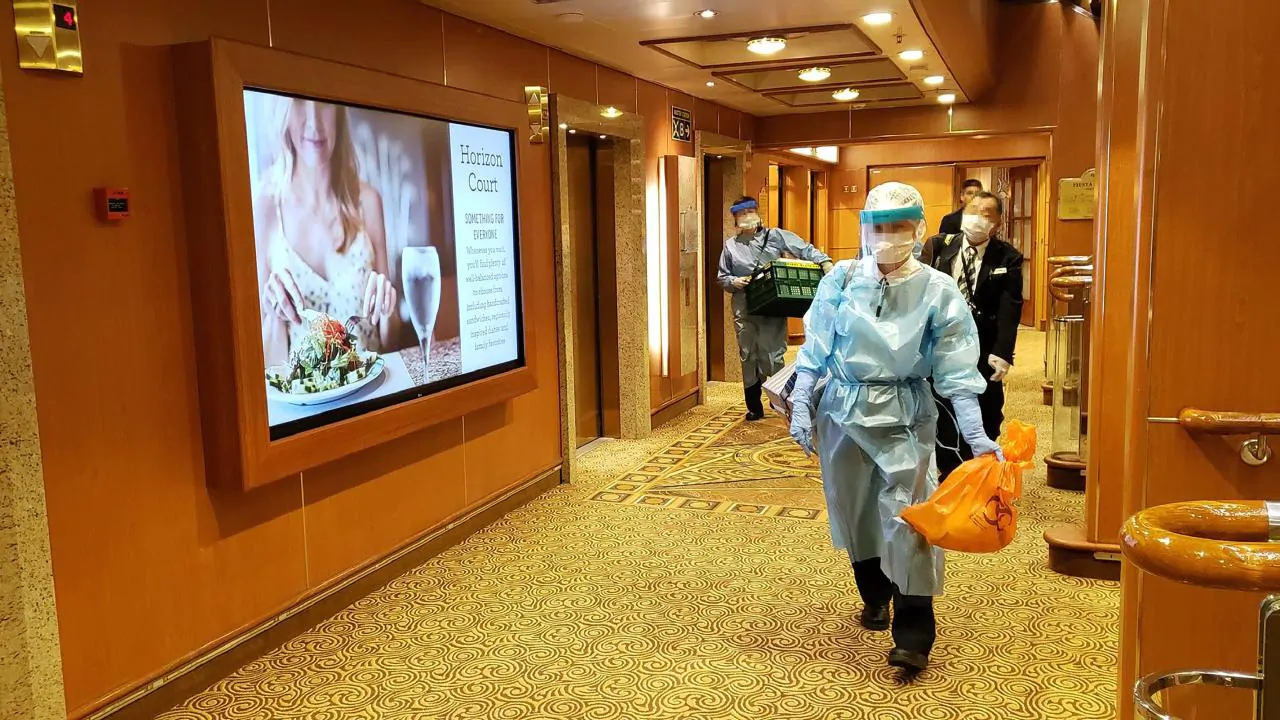
Crew members called what was happening on the ship chaos, in which there was no clear separation between the healthy and the sick. “As a crew member, you don’t even know who is infected — you have to deal with everyone, making rounds of the ship and sharing meals,” says another worker, James Reyes, who served guest cabins.
“We were the ones who helped the isolated crew members and collected their dirty dishes. One day you come in and the cabin is already empty, because someone’s test came back positive. Imagine that cross-infection.”
Six passengers died as a result of the virus.
Princess Cruises (the cruise company that owns the liner — Ed.) said in its statement that Japan’s health minister was responsible for “determining and carrying out all testing and quarantine protocols for guests and crew members,” and that the ship was legally obliged to follow that country’s sanitary and medical instructions.
In response, Japan’s foreign minister said in his statement that Japan had “presented behavioral criteria” for containing the infection, along with the necessary equipment, but that “responsibility for ensuring how the ship is operated to ensure the safety of passengers and crew lies with the ship’s owners.”
Reyes does not know whom to blame for all this. He is now in quarantine in the Philippines with Santos — a country that is home to nearly half of the Diamond Princess’s crew. Many Filipinos around the world work on ships, and many local residents depend on remittances from the seas. And although most Filipinos are employed on land, as of the end of 2018 more than 330,000 people worked at sea. Thanks to good pay and a glamorous reputation, this work is highly valued.
Professor Helen Sampson of the International Seafarers Research Centre at Cardiff University argues that this may well discourage contract workers from speaking out about unfair treatment. “Most workers have temporary contracts and are afraid of losing their jobs, which makes them extremely vulnerable to many forms of abuse,” — says Sampson.
Most of the crew members who were able to speak did not want to give their names, as they feared the consequences from Princess Cruises or their recruitment agency, Magsaysay Maritime Corporation (MMC). Some of them claim they were strongly urged not to share information about the virus outbreak on social media, although Princess Cruises denies such accusations, and MMC declined to comment on them at all.
Joanna Concepcion, chair of Migrante International, which supported infected crew members on the ship, says that many on board wanted to stop working but felt they had no other choice. “It was as if they were being offered a choice between their own health and safety on one side, and economic survival on the other,” — Joanna argues.
The messages addressed to crew members varied. Staff in one department were told at a meeting that anyone who did not want to work should write down their names to be passed on to the personnel department, and this was seen as a threat. Others were not offered the option of refusing work at all; instead, their working hours were simply increased, and they were tasked with delivering food and other necessities to passenger cabins.
“If we had refused, no one would have supplied the passengers with food,” — said one worker, who asked to be identified by the initials RCDG. He also adds that many guests were elderly and not in the best health, which made them more susceptible to the virus.
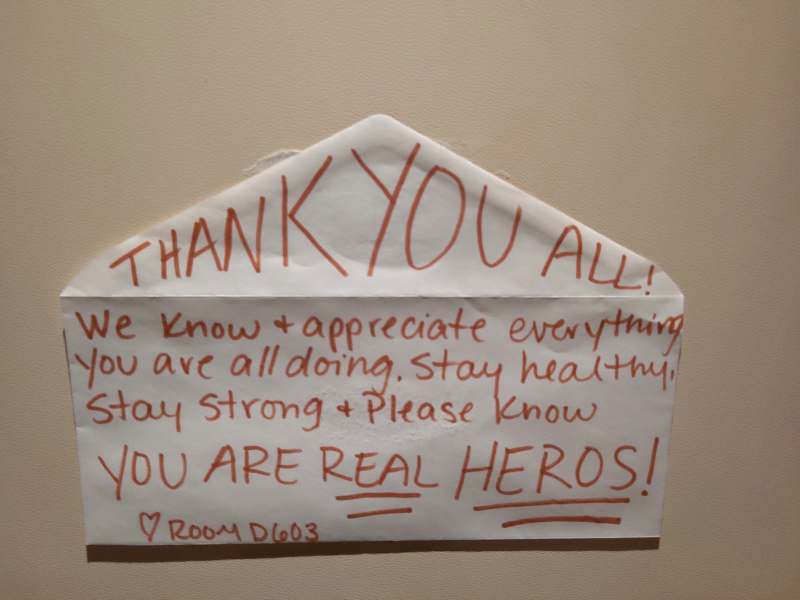
Photos that circulated online showed many notes of thanks from ship guests. Crew members say that some people were openly disappointed by the quarantine, but most were genuinely very grateful to the liner’s staff.
“We sacrificed our health for the well-being of others. Now that the crisis is over, we feel proud of what we did,” — adds RCDG, and says that the captain and department heads provided the necessary support.
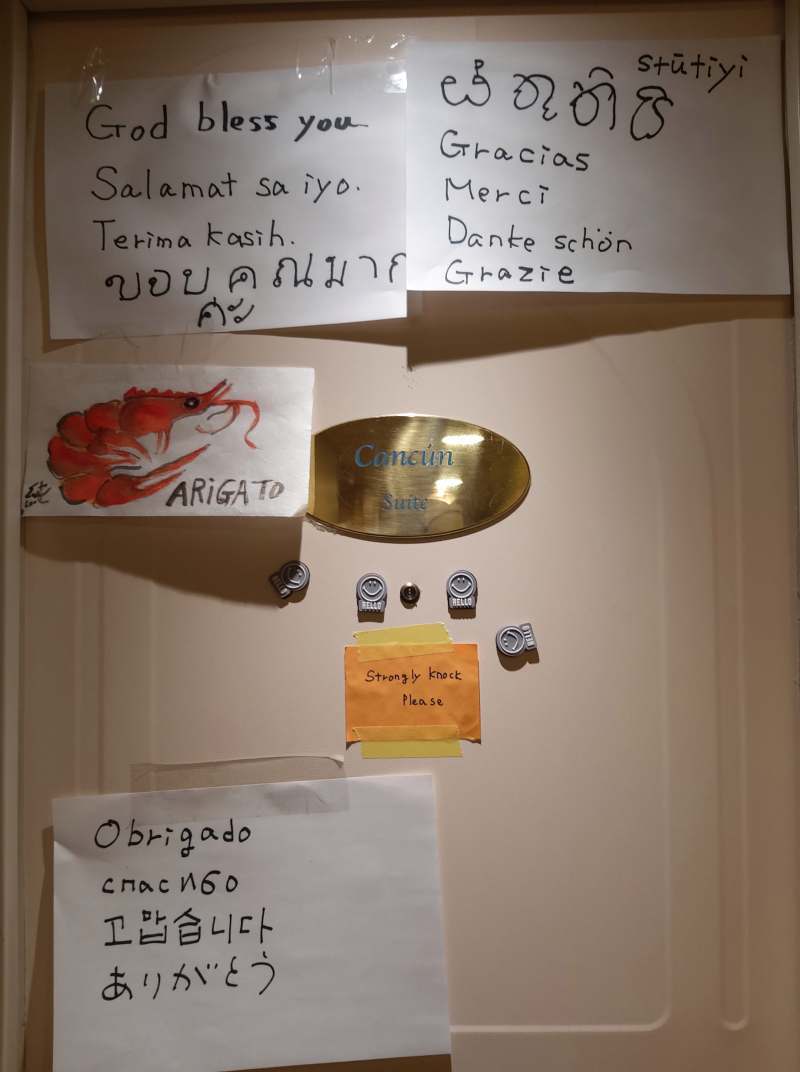
Sampson says that crew life often operates under a regime resembling military discipline. The ship creates an environment that is unique for the spread of disease, and concern about minimizing the risks of outbreaks of various viruses has long existed. “On cruise ships, most crew members, except the most senior officials, share small cabins, which clearly does not help control infections,” — says Sampson.
Because of the shift arrangements, some contract workers may skip visits to the doctor on board, while others simply feel obliged to keep working for fear of being sent home. This, in turn, puts passengers at greater risk too. The lack of agreement on who should bear responsibility for the crew of the Diamond Princess — the various companies, the Japanese government or the Philippine government — shows how underdeveloped such issues are.
“If any positive outcome can be drawn from this global crisis, it may be cruise operators reviewing the conditions in which crew work and live, and improving those conditions for their physical and psychological well-being,” — adds Sampson.
Moreover, cruise operators have cancelled and rescheduled some tours and introduced stricter health checks and staff training to reassure passengers. The virus has caused chaos in the global tourism sector, and the final economic costs are yet to be known. Workers fear that their earnings will fall, while Princess Cruises has offered crew members two months of leave and contacts for work on another ship.
Elsie Lavado, whose husband is now in quarantine in the Philippines, says she wants only one thing: for her family to be together again. At the height of the outbreak, she shut herself in a room with her son and prayed for the return of her husband and everyone on board. “My husband’s life is far more important than money,” — she says.
Source material The Guardian, translation and adaptation by Vasily Obaraz, TK Media

Russian Attacks in Dnipropetrovsk Region: Two Killed, Seven Injured

Defense Forces Strike Four Russian Drone Control Points in Past Day, Including in Berdiansk

Britain Threatens Sanctions on Kremlin-Linked People; Poland Ready to Hand Ukraine Ammunition

Russia says it has completed "planned exercises" in the Black Sea

MVD: Fake Riots With Prop Blood Were Being Prepared Near Presidential Office

Law Enforcers Name Another Klitschko Deputy as Suspect

Berlin Holds Protest Against War in Ukraine; EU Prepares for Possible Russian Halt of Gas Supplies
North Korea Fires Ballistic Missile Over Record Distance in Five Years
Irish Fishermen Force Russia to Postpone Naval Drills

US sanctions in case of invasion of Ukraine could completely destroy Russia's economy, NYT reports
