
How Brands Make Millions by Dividing Customers into Castes and Why It Is Bad
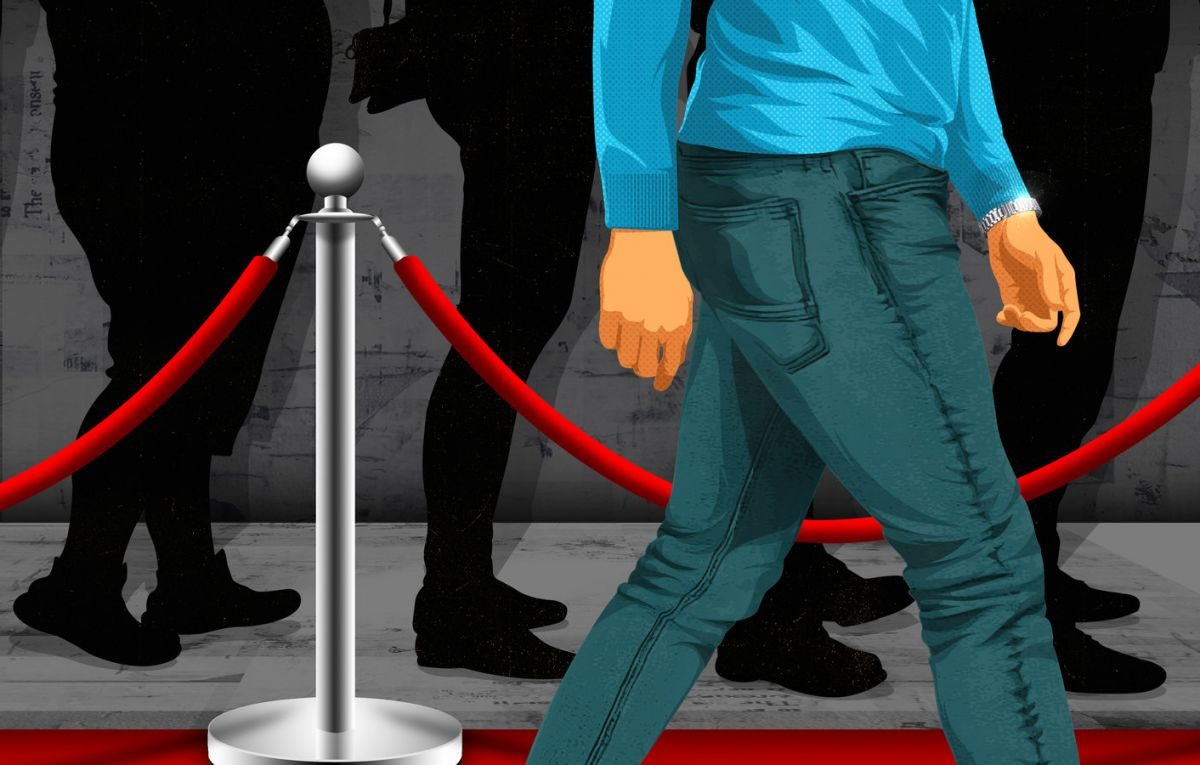
“The velvet rope economy” is highly profitable and very dangerous.
Doubleday publishing house has released a book by The New York Times business reporter Nelson Schwartz, The Velvet Rope Economy: How Inequality Became Big Business. It describes how companies, from Disney to United Airlines, focus on VIP customers at the expense of everyone else, and how this harms not only aggrieved buyers but society as a whole. We retell the main ideas of the new book.
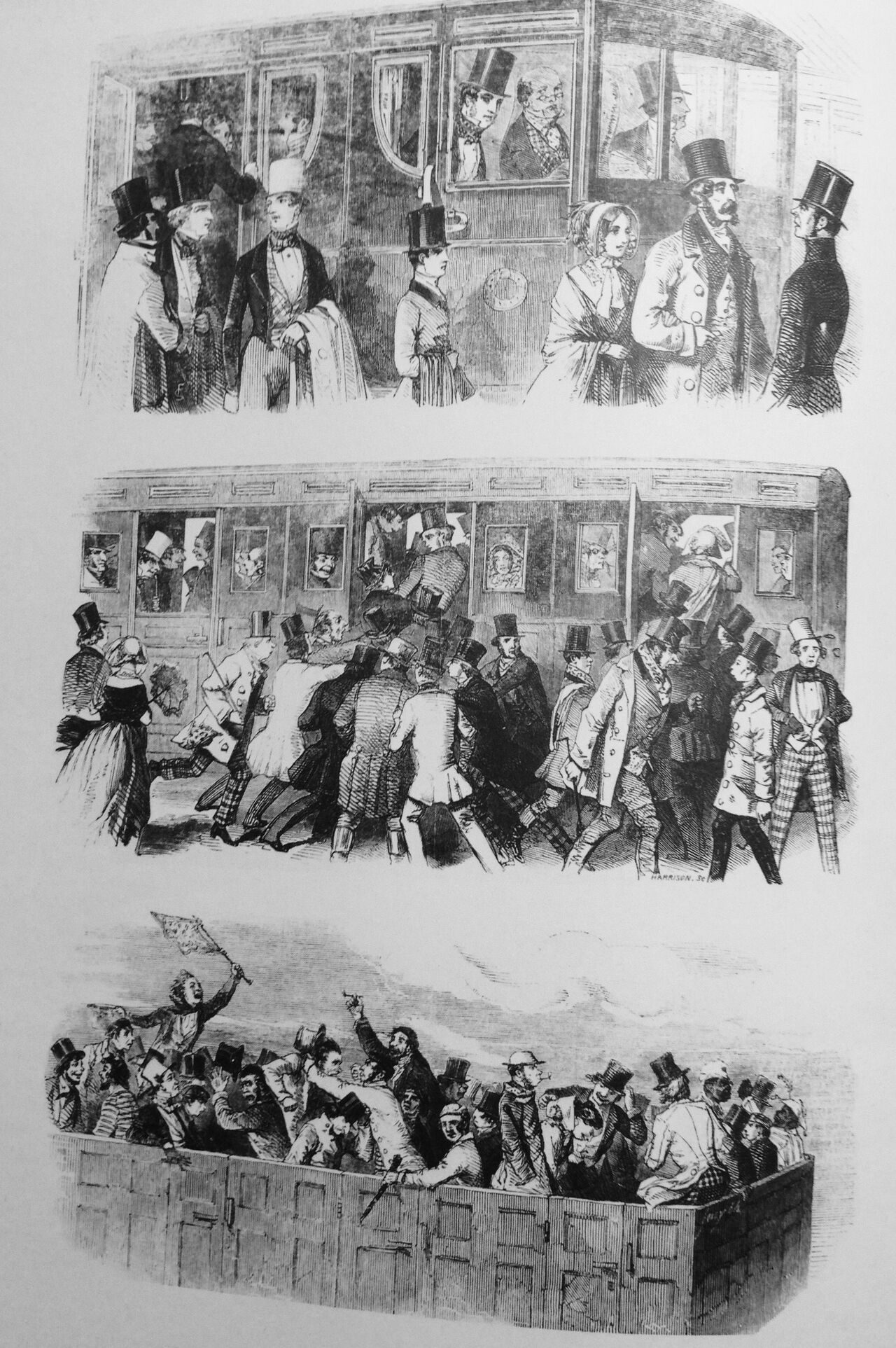
The velvet rope economy is not new. Its idea is to offer luxury service to wealthy customers, counting on their loyalty, while putting less wealthy ones in deliberately inconvenient conditions so that they will spend more. Back in the 1800s, on French railways, third-class passengers rode in the open air, as carriers deliberately did not put roofs over the carriages in order to motivate people to scrape together money for second-class tickets. First-class comfort, meanwhile, was sometimes excessive. Economist Jules Dupuit wrote: “By depriving the poor of what they need, companies give the rich far too much.” By the 21st century, this approach to doing business had penetrated almost every sphere.
The idea is not to offer a unique product. No, customers with wallets of different thickness get the same goods or service, but with absolutely different levels of service. LaneOne, a startup launched in 2018, for example, helps well-off people get the best seats at a concert, travel to the venue by limousine and enter through a separate entrance, bypassing the queue. As a result, the client will listen to the same music as the visitor in the fan zone, but their experience will be very different. This is what economist Edward Chamberlin called product differentiation: you don't need to change the product you sell, it is enough to change its packaging and how, when and in what quantity it is sold.
“Class segregation makes people strive for more”, optimistically believes McKinsey senior partner Alex Dichter. Elite brands like Hermès create clothing that few can afford, yet many would like to own a coveted handbag. Economist Thorstein Veblen called this conspicuous consumption: buying expensive things signals that you belong to high society, even if in reality you are about to be declared bankrupt. In the Elizabethan era, commoners were forbidden to wear purple, but they still sometimes used it for clothing linings, showing that they could afford it. The velvet rope economy plays on this desire and pushes people who can travel only third class to shell out a round sum once a year for first class, with champagne and lobster.
But risks grow along with profits. When one American company began routing passengers to the tail of the plane through business class, it found that incidents of in-flight disruption had doubled. Ordinary passengers did not like the “conspicuous consumption” of wealthy fellow travelers. Apparently, this was also an unpleasant experience for the elite: after other passengers walked through their cabin, the risk of outbursts of anger among VIP clients rose twelvefold! And imagine how a patient at Stanford Hospital would feel on learning that the red blanket on another patient is meant to secretly signal to the nurse that this is an important person who needs priority attention, and yet this is real practice.
Envy is the engine of this economy. But not any envy. In 2009, Dutch researcher Niels van de Ven conducted an experiment: he showed test subjects videos of students with brand-new iPhones, which had not yet become commonplace. When a person was told that the student had earned the smartphone himself, they experienced “benign envy”: they understood that the guy in the video deserved such a gadget and were willing to buy one for themselves. But when a test subject was told that the iPhone was a gift from a rich father, the result was “malicious envy”: a negative attitude toward the hero of the video and a desire to buy a phone, but of a different brand. Does the owner of the new item feel discomfort, causing others to envy them? Scientists tracked how a customer reacts in situations in which they find themselves in the role of a VIP, for example when they are taken out of the queue at the checkout. They found that the most satisfied remained those for whom four parameters were observed in their service: the priority access was unexpected, justified, noticeable to others and made a strong impression on them.
This is how loyalty programs appeared: mix benign envy with an element of surprise, justified reward, visible luxury and discomfort for others. In 1981, American Airlines introduced its first frequent flyer program, AAdvantage. But what was initially a way to attract middle-class customers collecting discount coupons soon turned into a bonanza of perks for the rich. First, airlines increasingly reward passengers not for miles flown but for money spent, so on some cheap routes regular customers get nothing. Second, big data makes it possible to analyze ever more precisely which customers bring the company more money, so the carrier can focus no longer on the richest 20% of passengers but on 10%, or even 1%. In 2017, United introduced an app for flight attendants showing where the most “prestigious” passengers are sitting so they can give them more personal attention.

Worsening service for the less well-off is common practice. Many bank customers still think that if they listen to music for ten minutes while waiting for support to answer their call, it means all lines are busy. In fact, it often turns out that the bank simply rates the caller’s CLV low (customer lifetime value). This is the profit a company earns over the entire period of cooperation with a customer, and the higher it is, the better the service will be. Having identified you by your phone number as a depositor with high CLV, the bank may not only answer the call instantly but also route you to the best operator. As Harrah’s hotel corporation executive Gary Loveman once said, “God may have said that all men are created equal, but He certainly didn’t mean that all customers are equal.”
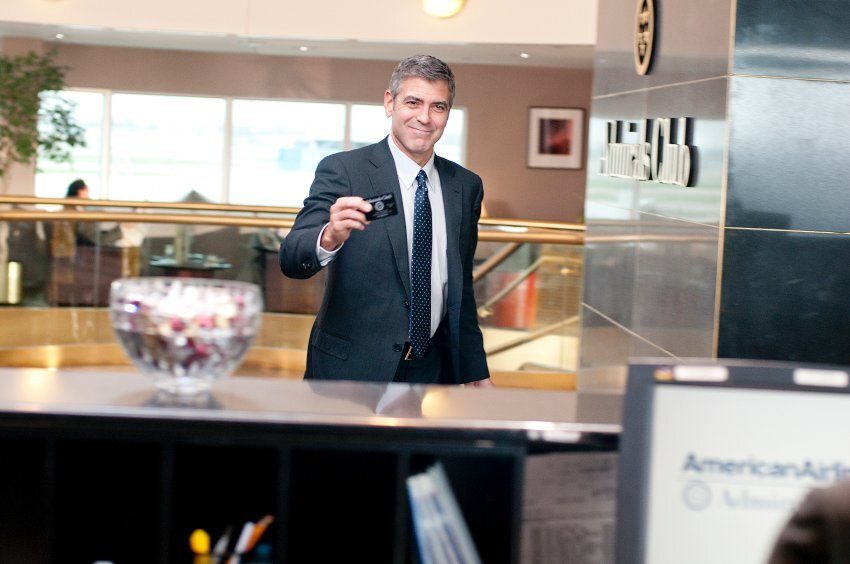
In the velvet rope economy, soft bonuses matter. Unlike hard bonuses, which give the customer a concrete benefit (such as a free flight or backstage access at a concert), they rather create an atmosphere of celebration. Soft bonuses are when a passenger is checked in at a separate counter and handed an unusual luggage tag, and pilots come out to meet them and call them by name. The most elite passenger services, such as American Airlines’ ConciergeKey, include all of the above. Luggage with a beautiful tag will not be checked in out of turn, but the customer will still feel special, and others will see that they are special. Symbols of status are especially popular in the US, apparently because the country historically had no aristocracy. One Wall Street millionaire admits he is thrilled when pilots recognize him (although sometimes this means he is brought to the plane in a special Porsche, bypassing the queue where people with children and even soldiers are waiting), but the need to keep up conversation with the assistants assigned to him, such as drivers, cashiers and flight attendants, whose number sometimes reaches a dozen, sometimes wears him out.
For exclusive service, people sacrifice comfort. When in 1985 a hockey stadium was being built in the US for the New York Islanders, 24 luxury boxes were planned, with two rows of four seats each. Wealthy clients rented these sports suites in advance, despite the price tag: more than $6,000 for one seat for the whole season, or $50,000 for the entire box. But when it came time to commission the stadium, it turned out that it was impossible to squeeze four seats into the second row, as only three fit. Instead of apologizing to clients, the company simply spread the four rear seats across the back of the box. By its logic, VIP guests would not line up their seats in a row like in the stands anyway. And indeed, not a single complaint was received, as spectators are busier ordering shrimp in the box than watching the game. Often the view from the box is worse than from the regular stands, but this does not bother anyone either. Economist Fred Hirsch called such goods and services “positional”: they position the buyer as a person of high status. Meanwhile, the most expensive positional goods may be inferior in quality to cheap analogues, but this has no effect on their desirability.
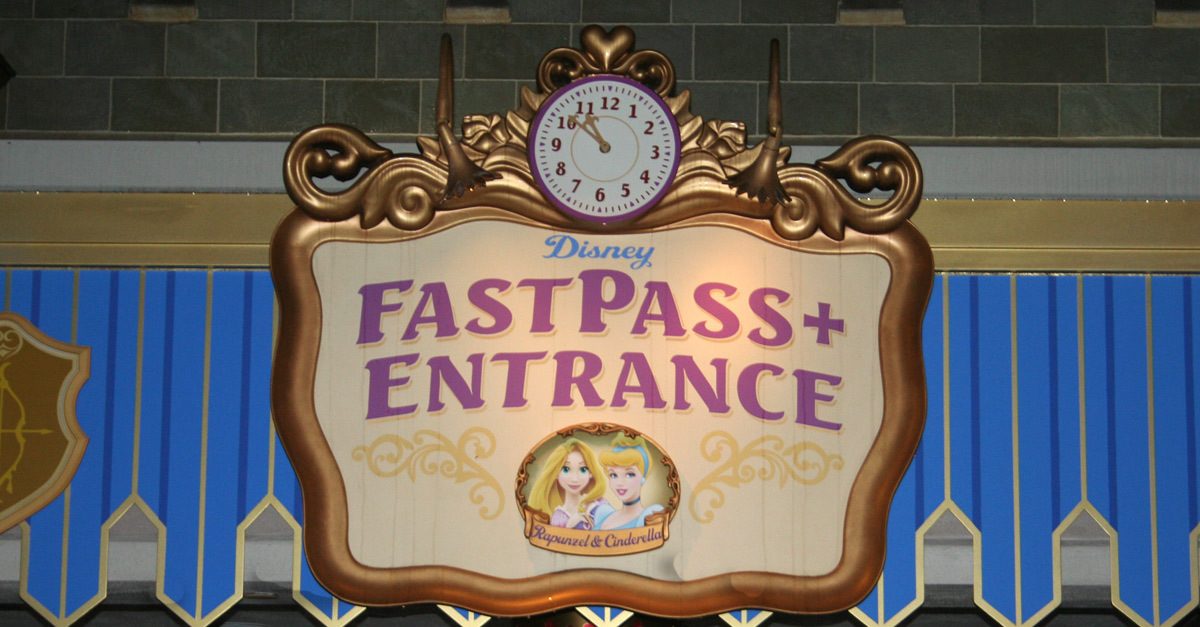
However, this affects the satisfaction of ordinary customers. Because stadiums now consist of private boxes and expensive bars, the connection between fans and players has suffered. The passages through which baseball lovers could once reach the field to get autographs from stars are now blocked; on the other hand, athletes are often led onto the field before a game through VIP lounges, allowing wealthy clients to pat their favorite player on the shoulder. But adults can at least restrain their resentment at such social stratification. How do you explain to a child at Disneyland that other, wealthier parents can skip the line for the most popular slide using an elite FastPass?
The velvet rope economy is spreading into the public sector, with sad consequences. In many US cities, drivers of cars can, for an extra fee, use bus lanes, and critics gleefully call this space the “Lexus lane.” When such an initiative was launched in Seattle, the number of accidents rose by 55%. Or here is another example: wealthy Boston is full of highly skilled doctors (the city is especially famous for its cardiology), but a heart patient on average has to wait 45 days before being seen. For many less well-off patients, this can be a death sentence, whereas wealthy people will simply turn to doctors who offer medical services “turnkey.”
Graduates and students suffer in particular. As is well known, membership in a school sports team gives high chances of admission to college under the corresponding quotas. But in recent years the US has been introducing a pay-to-play system: to take part in a school sports section, you have to pay, sometimes up to $600 per semester. Amy Glenn, who teaches athletics, says she has to pay $425 to coach her own children. Meanwhile, competition for places at the best educational institutions of the “land of equal opportunity” is monstrously high, but wealthy heirs have every chance of getting in without resorting to bribes. The company IvyWise in Manhattan is formally a firm providing private consulting for applicants. In fact, it differs from other similar firms both in price (up to $150,000 per client) and in its range of services.

For example, ordinary consultants are forbidden to connect clients with university administrations. IvyWise lures away and hires members of admissions committees the same way private contractors hire former Pentagon employees. The firm finds out that a college, for instance, lacks talented poets, and trains a schoolboy on how to build a poetry “career” in the remaining time by publishing his poems in magazines. Consultants rehearse interviews with representatives of other cultures: when a wealthy Latin American applicant, in response to a question about difficulties in his life, said he had come to terms with crashing his Porsche during street racing, he was told that other values matter in the US (at least nominally). A third of IvyWise clients get into Harvard; among other applicants, only 4.7% are admitted.
Running a “velvet rope” business is simpler. If you earn only $10 from one passenger on a plane, you will need thousands of customers to get rich. But if you earn $1,000 in profit from one client, a couple of airliners will suffice. Yet this does not mean that egalitarian companies cannot lead in profits: Starbucks, Target and Best Buy do not have different service levels for different wallets, but they remain among the most successful companies in the US. A barista may well remember your name and serve you with a smile even if you order the cheapest coffee. However, this does not stop other firms from continuing to squeeze crumbs of comfort from ordinary customers to satisfy the “not ordinary” ones: think of second-class rows on planes, squeezed to the level of sardines in a can to make room for business class.
Some businessmen see danger in this. In the past, when the gap between rich and poor became too wide, revolutions were not long in coming. One of Amazon’s early investors, Nick Hanauer, created the think tank Civic Ventures, designed to find ways to level the playing field for consumers. “If the economy keeps moving in its current direction, we are finished. It will no longer be a capitalist but a feudal system. You cannot tear apart the norms that bind society and still live in a democratic state,” he believes. And indeed: the less often you encounter representatives of another social class, the easier it is to demonize them. When influential CEOs, members of parliament and lobbyists never cross paths with people on the street, moving from limousine to charter flight, flying over traffic jams by helicopter via the Blade service and consulting elite doctors, they do not think about the need to improve the healthcare and public transport systems. And when the public space suffers, so does the republic itself, since res publica means “public affairs.”
Marina Moynihan, TK Media

Russian Attacks in Dnipropetrovsk Region: Two Killed, Seven Injured

Defense Forces Strike Four Russian Drone Control Points in Past Day, Including in Berdiansk

Britain Threatens Sanctions on Kremlin-Linked People; Poland Ready to Hand Ukraine Ammunition

Russia says it has completed "planned exercises" in the Black Sea

MVD: Fake Riots With Prop Blood Were Being Prepared Near Presidential Office

Law Enforcers Name Another Klitschko Deputy as Suspect

Berlin Holds Protest Against War in Ukraine; EU Prepares for Possible Russian Halt of Gas Supplies
North Korea Fires Ballistic Missile Over Record Distance in Five Years
Irish Fishermen Force Russia to Postpone Naval Drills

US sanctions in case of invasion of Ukraine could completely destroy Russia's economy, NYT reports
