
“Knyharnya Ye” Declares War on Yakaboo, Site Also Boycotted. What Is Happening and What Does Russia Have to Do With It
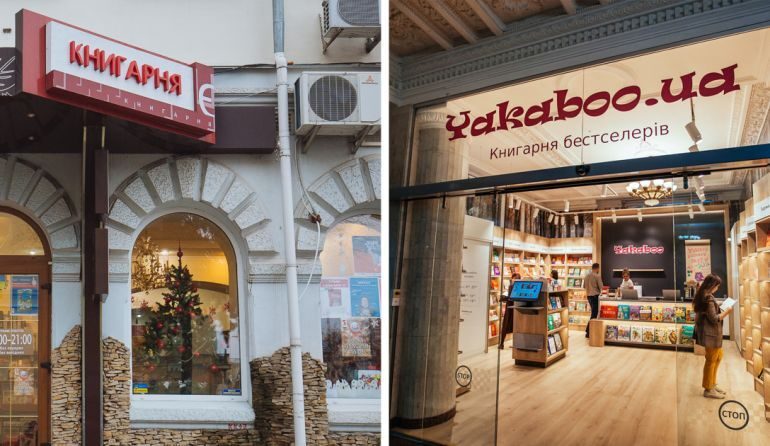
Loud conflict in the book market.
“Knyharnya Ye” accused another bookstore, Yakaboo, of selling literature from Russian publishing houses. In its view, this amounts to participation in the occupation of the Ukrainian book market by the Russian Federation. Here is what happened and what it all means.
What the conflict is about
The country's largest chain of offline bookstores, Knyharnya Ye, published a post on its Facebook page criticizing Yakaboo, the country's largest online bookstore.
The thing is, the publishing house Alpina Publisher recently launched in Ukraine. It is a subsidiary of the Russian Alpina. Yakaboo, meanwhile, became the official distributor and partner of the newly created publisher.
The post notes that before the start of the Russian-Ukrainian war, an artificially created situation existed in which Russian books dominated Ukraine thanks to control over most bookstore chains and total dumping by Russia. With the start of the war, the long-established system of promoting Russian products in Ukraine broke down, which created an opportunity for the market development of Ukrainian book publishing and distribution.
But the authors of the post note that as of 2019 the development of the Ukrainian book market had practically stalled, and they see the main reason in the fact that “a new system for promoting Russian books in Ukraine has formed, aimed at displacing Ukrainian-language products.”
Knyharnya Ye urges the public and market participants to draw the authorities' attention more actively to the problem of a new Russian occupation of the book market. In its view, the new publisher will deliberately Russify Ukrainian readers who have only recently managed to get used to Ukrainian-language literature.
What happened next
The bookstore's statement was supported by many Facebook users and opinion leaders. In particular, ATO veteran and blogger Valerii Ananyev said he supports the boycott of Yakaboo and even decided to withdraw his book “Traces on the Road” from sale on their website.
“We need to make every effort to lower Yakaboo's ranking on Google until they realize that business, besides making money, also has civic responsibility.
We live in a country that Russia has attacked. Titanic sums are spent on various events, including in the cultural sphere, to make us disappear as a nation and a state. Yakaboo not only helps them earn this money but also takes part in these events. Yakaboo helps us get destroyed,” he wrote.
However, not everyone supports boycotting the online store. For example, journalist Kateryna Venzhyk wrote a post explaining that with its post, Knyharnya Ye is simply fighting competitors.
“It's all more prosaic. This is by no means a fight for books in Ukrainian. It is a fight for a share of the online sales market, where Yakaboo is the undisputed leader. And by unleashing this whole crusade against the “Russian book,” you are simply trying to grab a few percent of the market in such a crude way,” she wrote.
Moreover, Venzhyk also included in her post links to the Knyharnya Ye website, where books by Russian publishers are also sold.
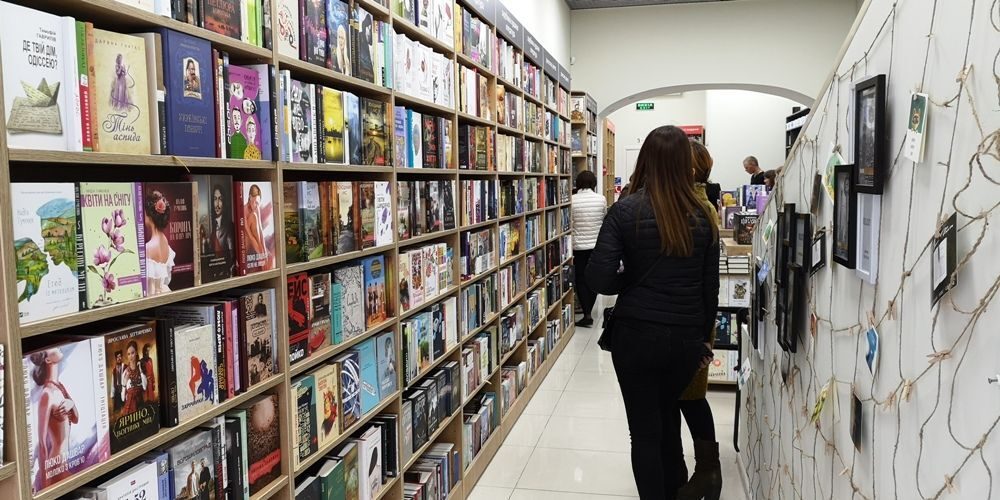
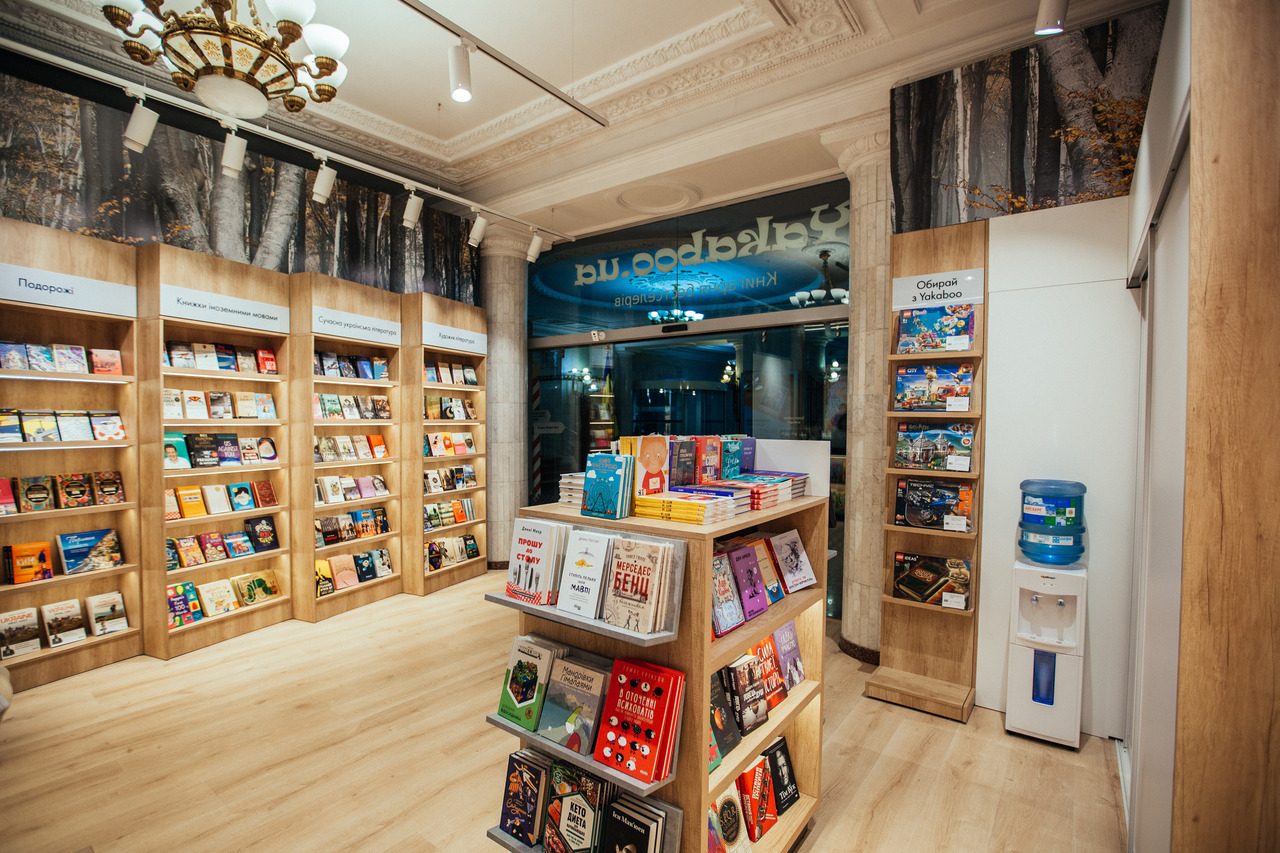
And blogger and marketer Daniil Vakhovskyi, in a comment to MC Today, added that the whole conflict is that Yakaboo recently opened its first offline store, meaning they will now compete and sell books not only online.
What the publisher and Yakaboo say
Back when the first news of the start of operations appeared, Alpina Publisher's CEO Anastasia Kostetska said the publisher's activity is fully legal. All books are registered with the Book Chamber of Ukraine, and the company pays taxes into the Ukrainian state budget.
She adds that the main mission of literature is to be a source of knowledge, which is why they want to become its supplier. According to her, this desire was the main factor behind entering the Ukrainian market. “We give our readers the opportunity to choose to read books in the format and language they choose themselves. We strive to support the intellectual community in the fight for common values and promote the comprehensive development of education and reading culture in Ukraine,” she says.
Moreover, the publisher's founder Oleksii Ilyin told theBabel in a comment that they have evidence that “Knyharnya Ye” itself wanted to cooperate with them and supply their books to its stores. He also added that Alpina Publisher will publish books in two languages, and the Ukrainian-language version will cost less than the Russian-language one.
What the law says
Since January 1, 2017, the rules for importing products for Russian publishers have become stricter. Now they must obtain a permit from the State Committee for Television and Radio Broadcasting, which carries out expert evaluation of publishing products.
It should be noted that in 2018, 77% less literature was brought into the Ukrainian market from Russia than in 2013, and since 2019 a decision of the National Security and Defense Council on applying sanctions to individuals and legal entities, including some Russian publishers, has been in effect.
Oleksii Symonchuk

Russian Attacks in Dnipropetrovsk Region: Two Killed, Seven Injured

Defense Forces Strike Four Russian Drone Control Points in Past Day, Including in Berdiansk

Britain Threatens Sanctions on Kremlin-Linked People; Poland Ready to Hand Ukraine Ammunition

Russia says it has completed "planned exercises" in the Black Sea

MVD: Fake Riots With Prop Blood Were Being Prepared Near Presidential Office

Law Enforcers Name Another Klitschko Deputy as Suspect

Berlin Holds Protest Against War in Ukraine; EU Prepares for Possible Russian Halt of Gas Supplies
North Korea Fires Ballistic Missile Over Record Distance in Five Years
Irish Fishermen Force Russia to Postpone Naval Drills

US sanctions in case of invasion of Ukraine could completely destroy Russia's economy, NYT reports
