
Kyiv Could Introduce Paid Entry to City Centre. How It Works in Other Countries
The method has already proven its effectiveness.
Kyiv Mayor Vitaly Klitschko's adviser Maksim Bakhmatov is confident that entry to the capital's city centre by car should be paid. According to him, within the centre it is enough to get around on foot or by metro. We explain how such systems work in other countries and what results they have brought to cities.
Why paid city centre entry is introduced
Paid entry is introduced in order to reduce traffic load on the city centre's road network and to improve the environmental situation in the city. The funds raised are spent on improving roads or developing public transport as an alternative to private cars.
The success of such a system is also supported by park-and-ride lots at metro stations. This increases efficiency for drivers who live in distant districts of the city or in the suburbs. They can drive from home to the nearest metro station, park there and then use public transport.
London
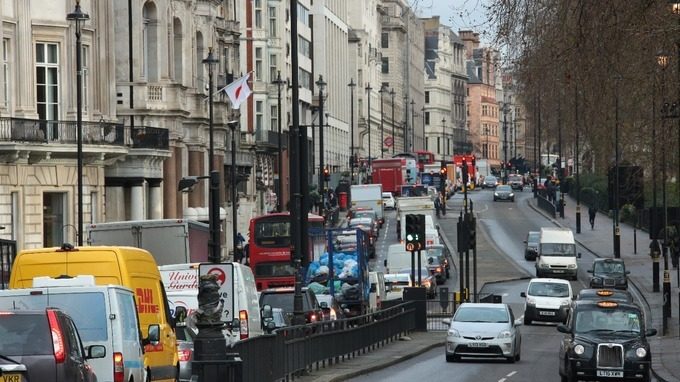
The capital of the United Kingdom restricted entry to the city centre back in 2003. Initially the charge was 5 pounds, later it rose to eight. At peak hours this cost can rise to ten pounds. The British call this a "congestion tax".
Also, entry for "dirty" cars into some London areas, the ultra-low emission zones, costs 12 pounds. Electric cars can enter there for free.
Just a year after restricting entry to the centre, city authorities reported that traffic flow in the centre fell by 18%, and traffic jams decreased by 30%. Part of the revenue was also directed to developing bus routes and improving the capital's bus fleet.
Milan
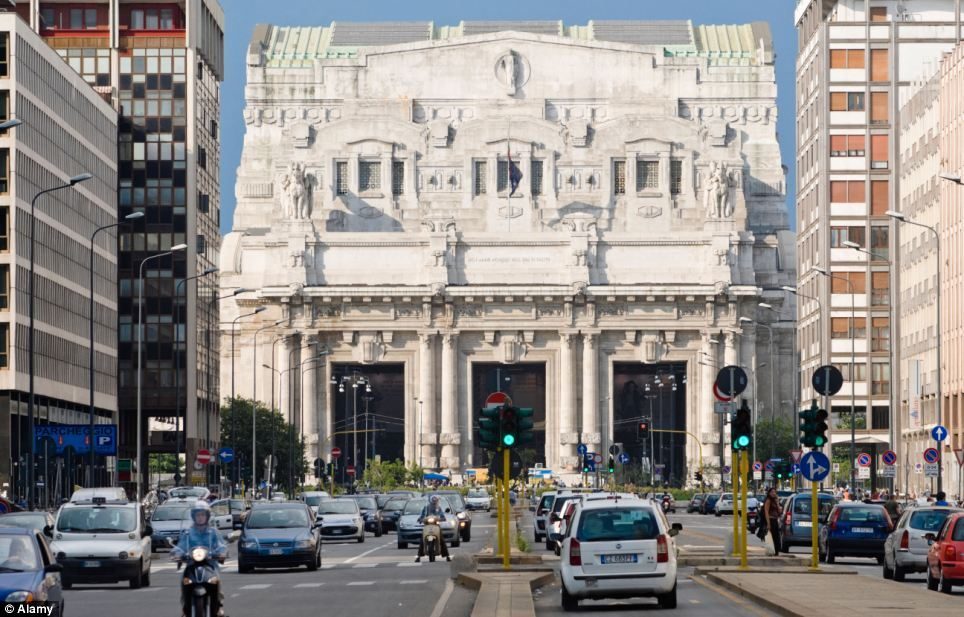
As early as the beginning of the 2010s, Milan was on the brink of an environmental catastrophe. It ranked third in Europe for pollution, according to the "green" city rating by Numbeo. Only Athens and Bucharest were ahead of it. And by the number of vehicles, Milan led among all Europe's cities with over a million residents (550 cars per 1,000 residents in 2010, compared with just 250 in Paris).
The fashion capital introduced paid entry to the city centre in 2012. The charge is from 5 euros and applies on weekdays from 7:30 to 19:30. For people who live there, there is a discount of 2 euros per entry. Electric cars enter for free.
Thanks to entry restrictions, Milan managed to nearly double its position in the "green" rating. The number of cars in the centre fell by 31%, road accidents decreased by 26%, and car ownership dropped to 520 cars per 1,000 residents.
Helsinki
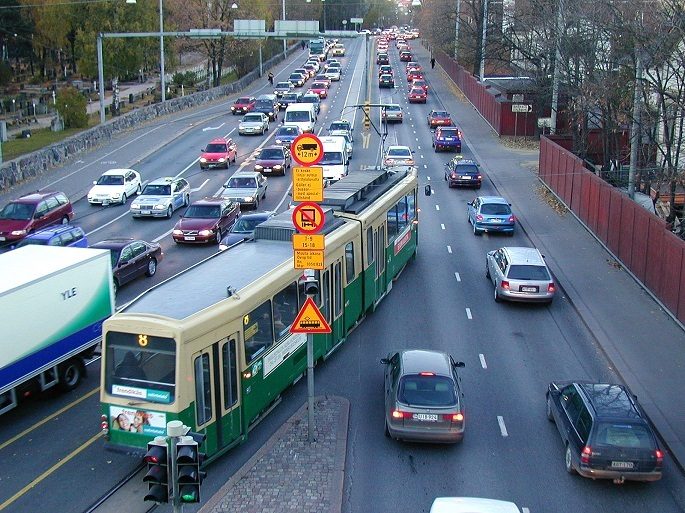
The capital of Finland decided to take a slightly different path: instead of banning, city leaders developed a ten-year plan to create a "mobility on demand" system.
Under the plan, all public transport (including ferries, minibuses and bicycles) will be available to order through the Whim app. In this way, the plan is to make the system as attractive as possible for city residents, so that it is more convenient and cheaper for them to use public transport rather than a private car.
Bordeaux
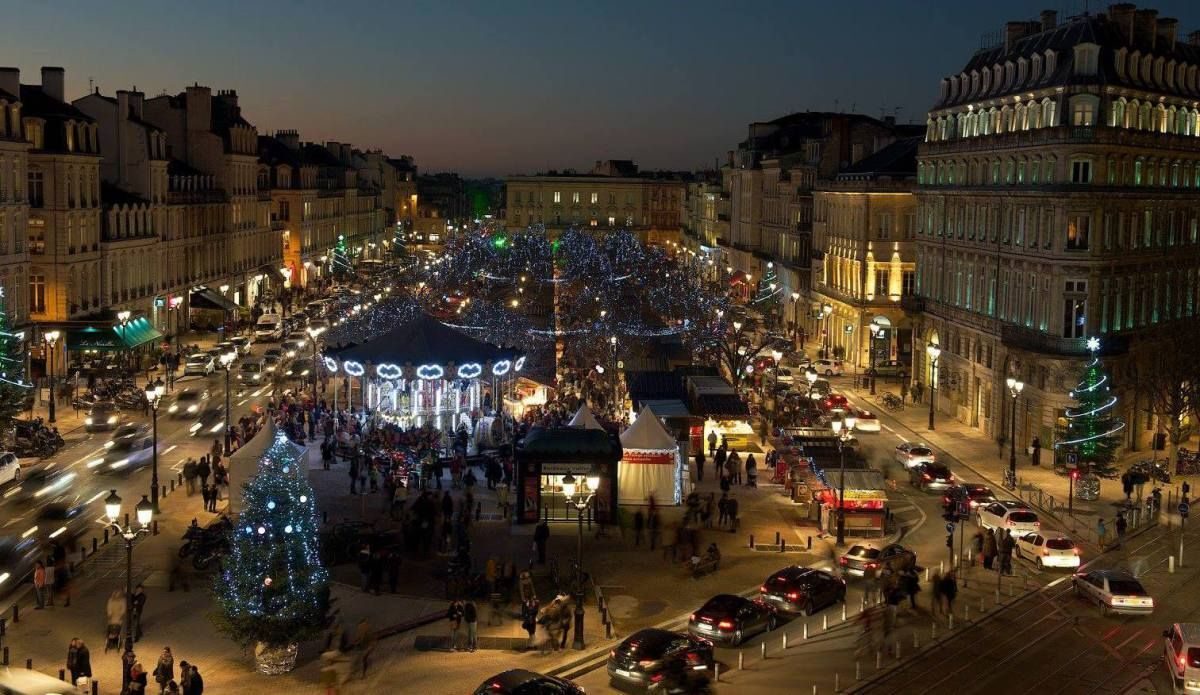
In the French city, they understood that it is not enough simply to keep cars out of the centre; people need to be offered an alternative. So in Bordeaux, not only was entry to the centre banned, but parking meters also began issuing receipts with a free tram ticket. And the development of tram networks reduced the number of passenger cars by 5-7%.
Singapore
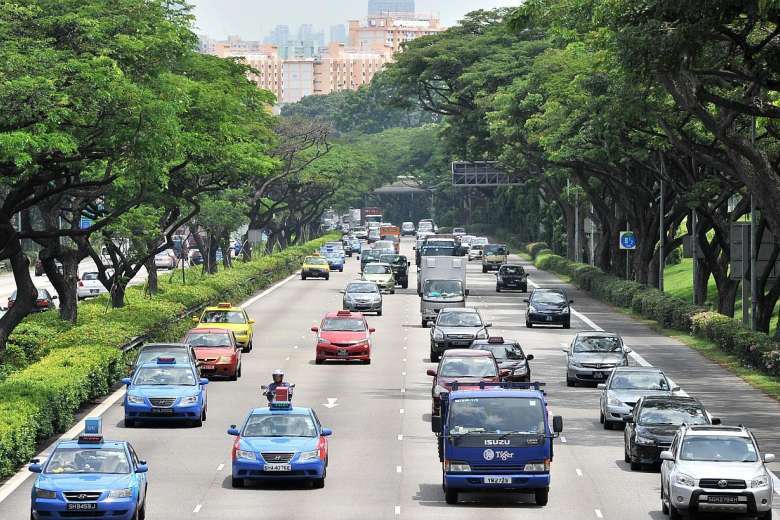
The local authorities began fighting road congestion and the huge number of cars back in the 1970s. The city was divided into several zones, and to drive into the centre it was necessary to buy a special licence. Police checked for it upon entry.
Now the system has become more advanced and modern. Payment happens automatically while driving through electronic gantries. Incidentally, these same gantries can automatically switch on, switch off and even change the price of passage. This allows authorities to quickly influence congestion in different districts of the city and redirect cars so that traffic is more convenient and less congested. The cost of entering Singapore's centre is from 1 to 2 US dollars.
Through these measures, authorities are reducing the number of active car owners. As a result, the need for an excessively developed system of roads and parking lots decreases. At the same time, Singapore is developing public transport, which runs quickly and conveniently thanks to the absence of traffic jams in the city.
San Francisco
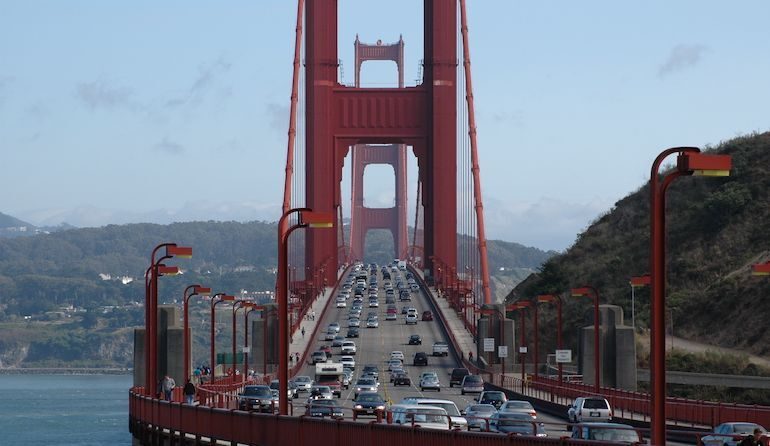
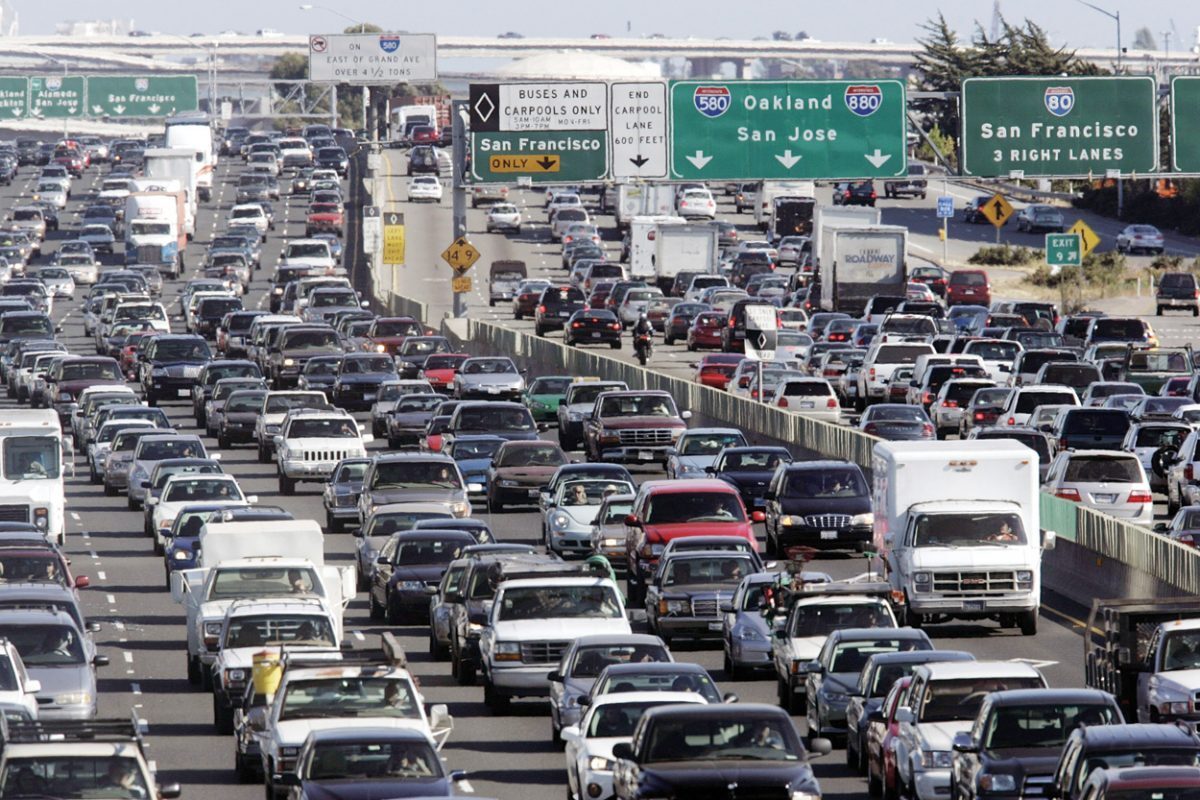
San Francisco's historic centre looks more like a European city than an American one. Therefore, back in 1959 a ban on building any new roads was introduced there. This made it possible to save the small-scale urban environment from destruction. Paid entry to the city centre was also introduced for this purpose. Today it costs 6 US dollars.
Thanks to this decision, a public transport system was well developed in the city. About 35% of San Francisco's population uses it.
In order to unload the centre and make parking more comfortable, in 2008 a system of "smart" parking was launched in San Francisco's centre. Its essence is that each space is equipped with special sensors that show whether it is free or not. Depending on the occupancy of a particular parking lot, the price of parking also depends on it. The fewer free spaces, the more expensive the parking.
Among the advantages of such a system: drivers can find a space in the parking lot whose price they are willing to pay, since all the data is available on a single resource. Moreover, they do not create traffic jams or waste fuel searching for a free space, because they know where they are going.
What difficulties cities face
In Stockholm, the capital of Sweden, it was not possible to simply launch a paid city centre entry system. Before that, the authorities spent about 500 million euros on modernising the public transport system and held a city referendum.
In Hong Kong, for example, they were forced to abandon this idea altogether after a vote by the city parliament. And in Edinburgh, the Scottish capital, it managed to operate for only two years, after which it was cancelled in a city referendum.
Aleksey Simonchuk

Russian Attacks in Dnipropetrovsk Region: Two Killed, Seven Injured

Defense Forces Strike Four Russian Drone Control Points in Past Day, Including in Berdiansk

Britain Threatens Sanctions on Kremlin-Linked People; Poland Ready to Hand Ukraine Ammunition

Russia says it has completed "planned exercises" in the Black Sea

MVD: Fake Riots With Prop Blood Were Being Prepared Near Presidential Office

Law Enforcers Name Another Klitschko Deputy as Suspect

Berlin Holds Protest Against War in Ukraine; EU Prepares for Possible Russian Halt of Gas Supplies
North Korea Fires Ballistic Missile Over Record Distance in Five Years
Irish Fishermen Force Russia to Postpone Naval Drills

US sanctions in case of invasion of Ukraine could completely destroy Russia's economy, NYT reports
