
The Ministry of Health Cannot Communicate. The "Algorithm of Actions for Coronavirus" Shows Skaletska's Helplessness
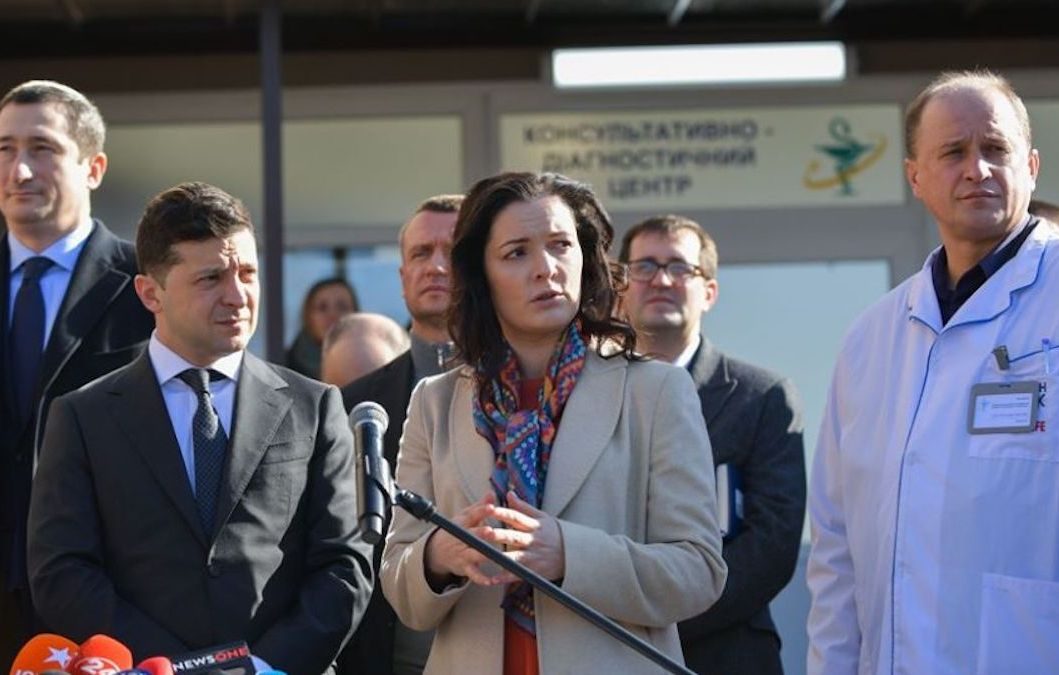
A pale shadow of Uliana Suprun.
For six months Zoryana Skaletska has headed the Ministry of Health, and in that time she has completely failed at communication. At first the ministry hired "crisis communicator" Dmytro Raimov, but this man proved capable of nothing except scandals. He worked there briefly, the scandals subsided, but then the coronavirus appeared in the world, and the question of the Ministry's communication with the public became more important than it had ever been.
But Skaletska and the Ministry, even if we assume they are doing everything right (of course they are not), look simply helpless, because the public does not hear them.
How was it at the Ministry before?
The previous health minister (more precisely, acting minister) Uliana Suprun did not leave anyone indifferent: some consider her the greatest person in Ukrainian politics in the 30 years since the country's existence, while others call her a Soros plant meant to destroy Ukrainians. One thing is certain: in communications she was excellent.
People listened to her, every post was flooded with likes and shared by several thousand to several tens of thousands of people, people discussed whether it was righteous to soak tuberculin or use cannabis for medical purposes. As a result, reach reached millions. Most likely without spending on advertising.
How is it now?
At a time when coronavirus threatens to burst into Ukraine any moment, the health minister was obliged to become one of the main spokespeople in the country. Instead, the impression is that Skaletska is mumbling something to herself.
She may consider it a success if her posts gather at least a pitiful 500 likes and several dozen shares. And she is to blame for this herself — one of her latest publications, with the "algorithm of actions for suspected coronavirus," is a good example.
At lunchtime Zoryana published such a text with an infographic.
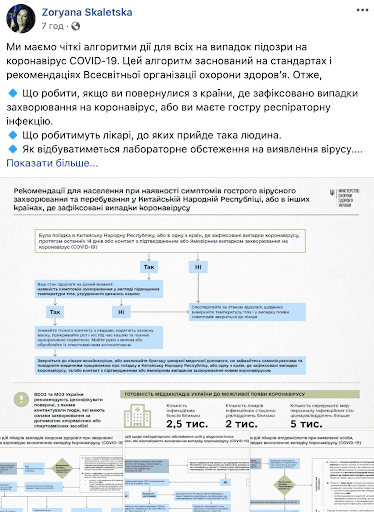
What is wrong with this?
1. If you do not enlarge it, nothing in the infographic can be made out
At the very least, the human eye should catch on to the message, but it is not there. There is only a long, bureaucratically phrased headline that for some reason spells out the full name "People's Republic of China" instead of the universally understood "China".
2. The infographic is poorly drawn
Any good designer would produce a better drawing than what Skaletska's designer came up with, simply slapping together flowcharts like a programmer in a draft.
3. There is too much text
The author of the infographic, it seems, was not aiming at an audience but handing in a term paper to a professor. The sentences are too long, and the repeated "People's Republic of China" shows that bureaucratese is an end in itself.
The smaller and more concise the text, the better it is absorbed.
4. The content is garbage
But even if someone noticed Skaletska in their feed and enlarged the picture, they immediately got stuck.
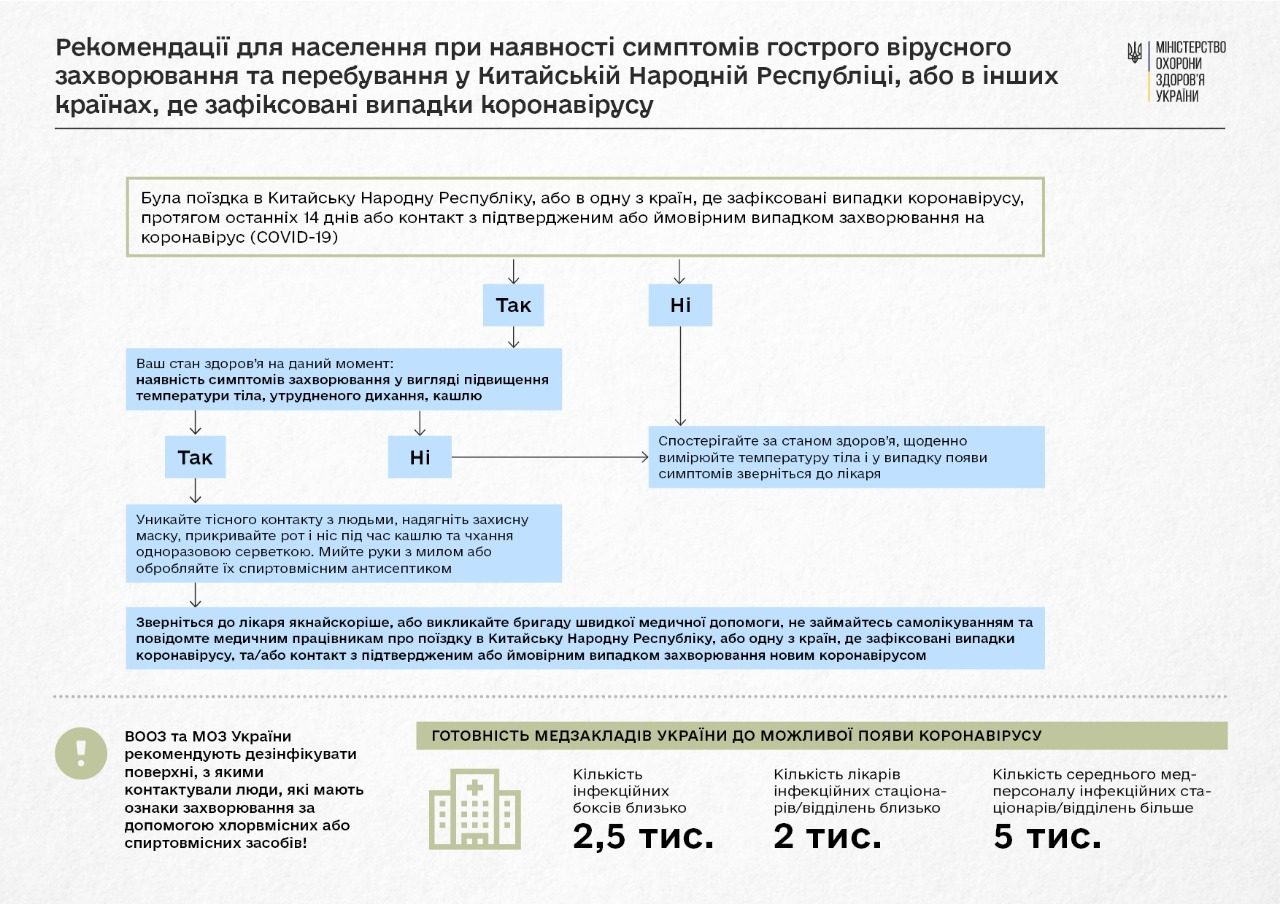
According to the algorithm, people evacuated from China were supposed to be released right upon arrival and not held for 14 days at the Novi Sanzhary observation facility. How is that even to be explained?!
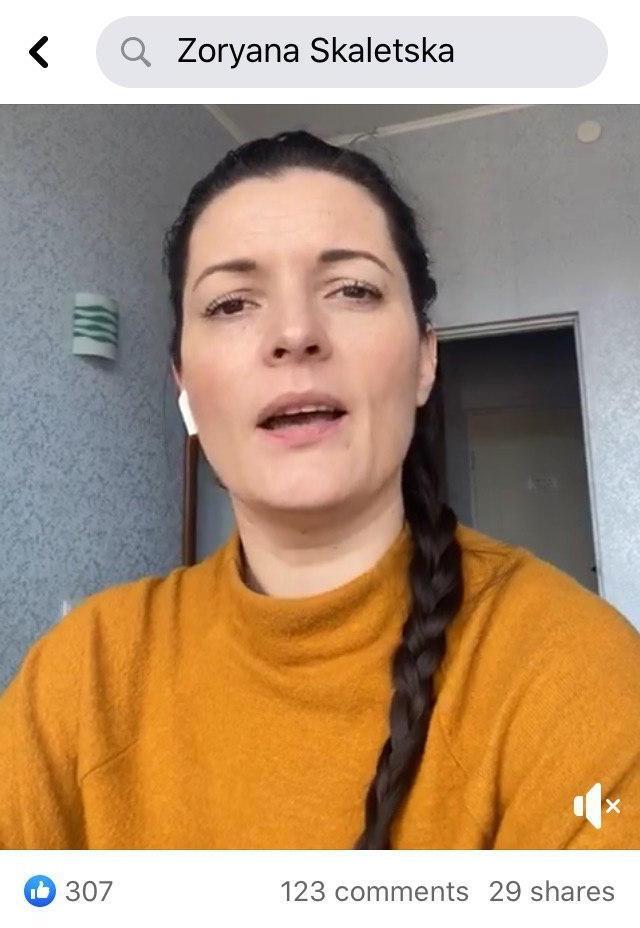
Skaletska's inability to present herself makes all the Ministry's efforts to influence the population absolutely useless, and her two-week confinement in Novi Sanzhary turned into an empty fizzle. Everyone already understands that the minister has no need to be near the evacuees, especially at this time. Such a waste of time is justified only if it is effective PR and manages to capture people's attention while conveying important messages. How is Skaletska doing with this? Not at all. 300 likes on the video from the scene over five hours. The minister is throwing away two crucial weeks.
What is the secret of Suprun's success?
Let us set aside the fact that Suprun, while minister, was unquestionably the first face of medicine, and not a person of Radutsky's — although it was precisely her charisma and self-sufficiency that earned her a huge number of fans and haters — and simply evaluate her posts on Facebook.
First and foremost, Uliana captures attention with pictures. They can be funny, meme-like, provocative; the main thing is that they are noticeable.
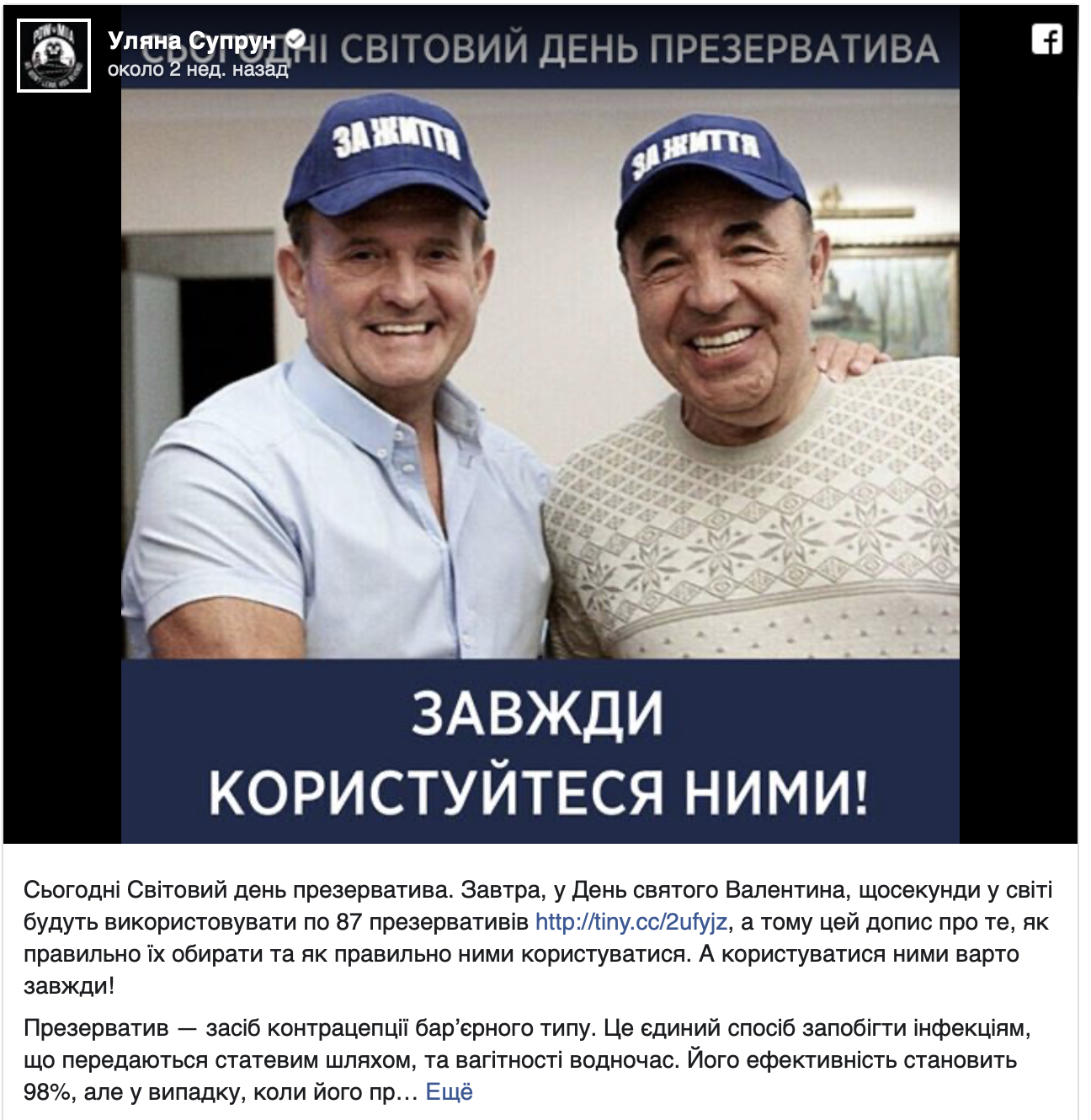
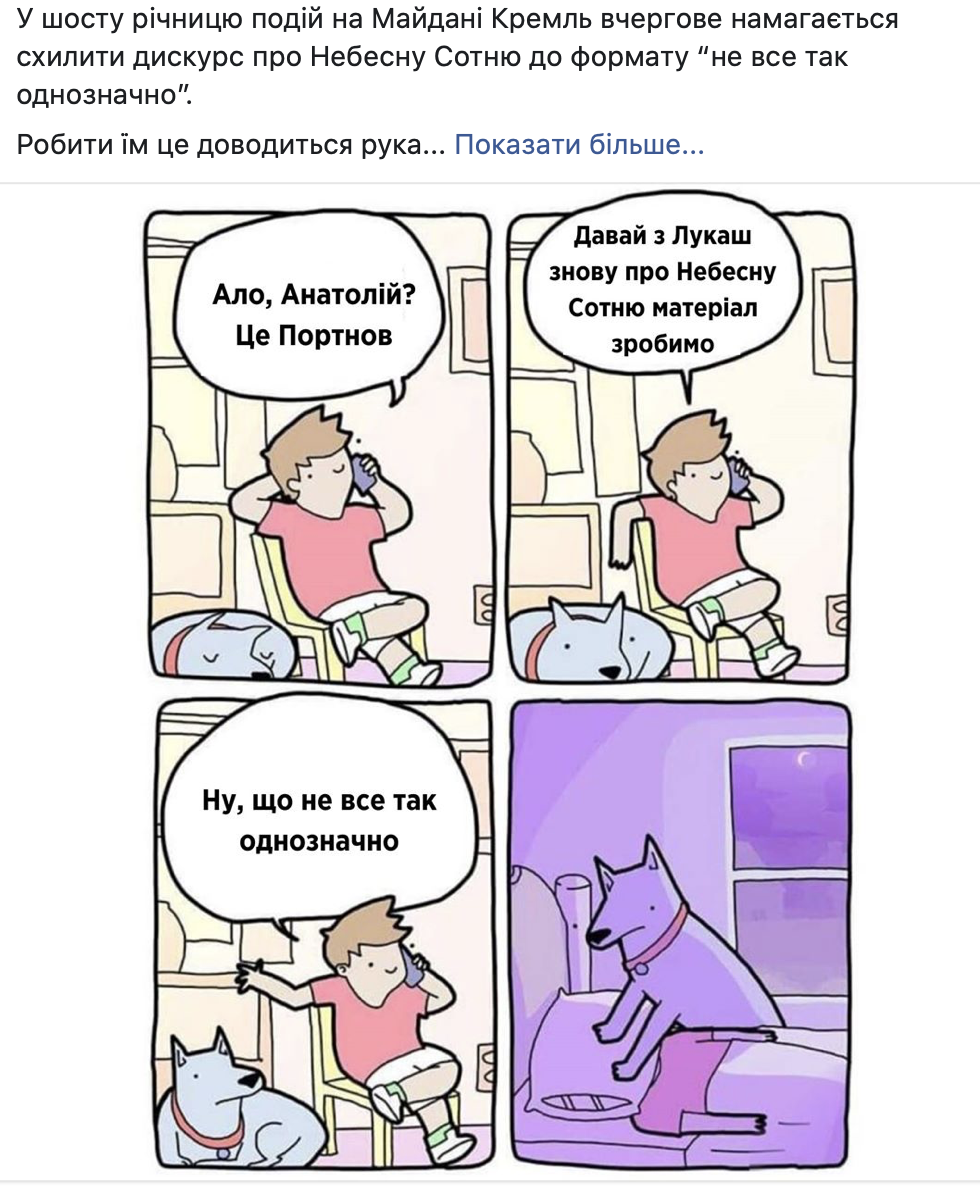
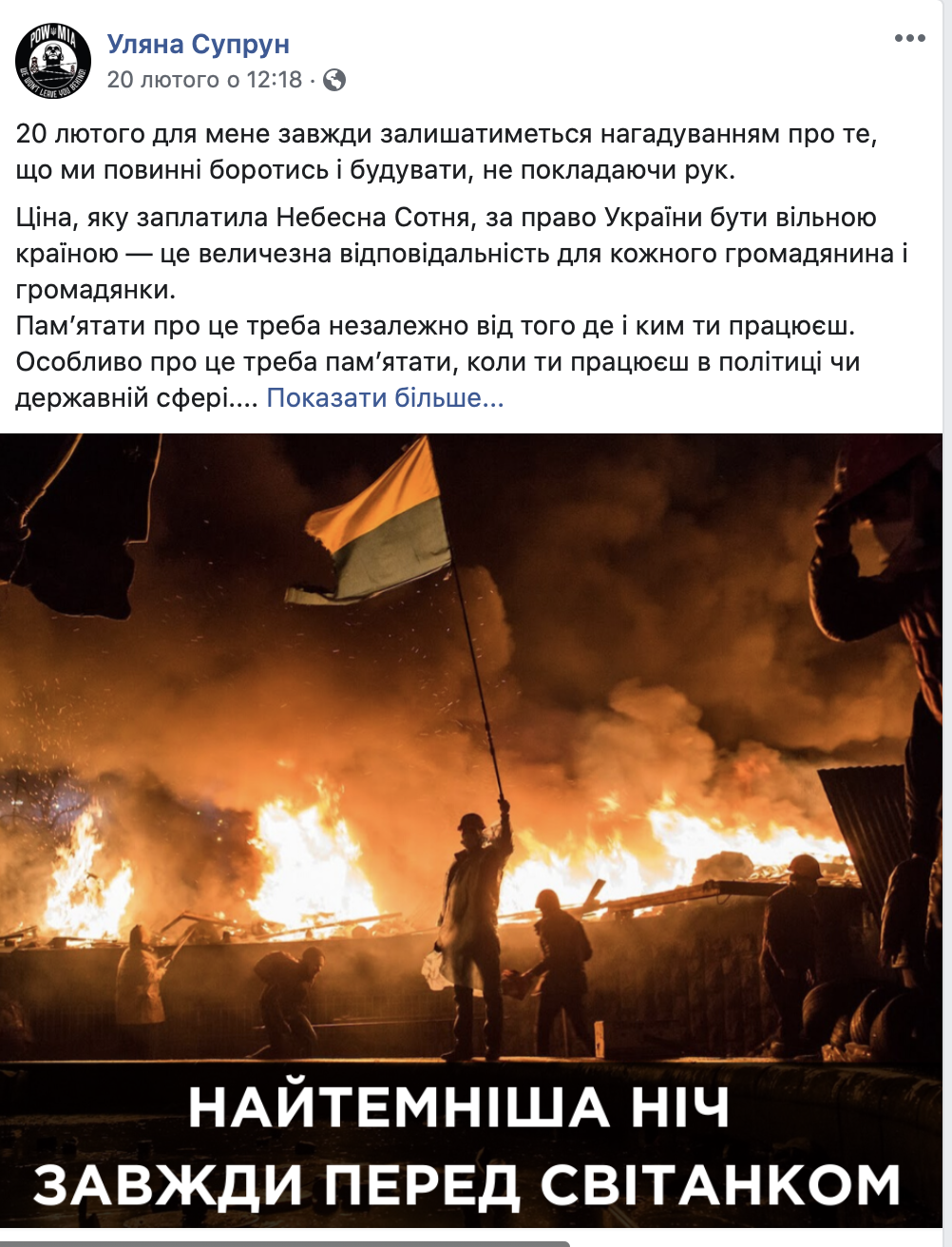
Primitive? Perhaps. But if a picture hooks a person, they will at least start reading the text. Suprun's texts are written in great detail, professionally, critically, yet in very high-quality and not at all bureaucratic Ukrainian, with moderate use of medical terms.
The result is an excellent hit with the audience. Dozens of times more likes and shares than Skaletska, 300,000+ subscribers. Even now, when she is no longer minister, millions still read her, while Skaletska is read only by her colleagues.

Russian Attacks in Dnipropetrovsk Region: Two Killed, Seven Injured

Defense Forces Strike Four Russian Drone Control Points in Past Day, Including in Berdiansk

Britain Threatens Sanctions on Kremlin-Linked People; Poland Ready to Hand Ukraine Ammunition

Russia says it has completed "planned exercises" in the Black Sea

MVD: Fake Riots With Prop Blood Were Being Prepared Near Presidential Office

Law Enforcers Name Another Klitschko Deputy as Suspect

Berlin Holds Protest Against War in Ukraine; EU Prepares for Possible Russian Halt of Gas Supplies
North Korea Fires Ballistic Missile Over Record Distance in Five Years
Irish Fishermen Force Russia to Postpone Naval Drills

US sanctions in case of invasion of Ukraine could completely destroy Russia's economy, NYT reports
