
NASA Seeks People to Test Martian Conditions, but May Not Send Humans to the Moon Before 2024. What Is Happening in the Space Industry?
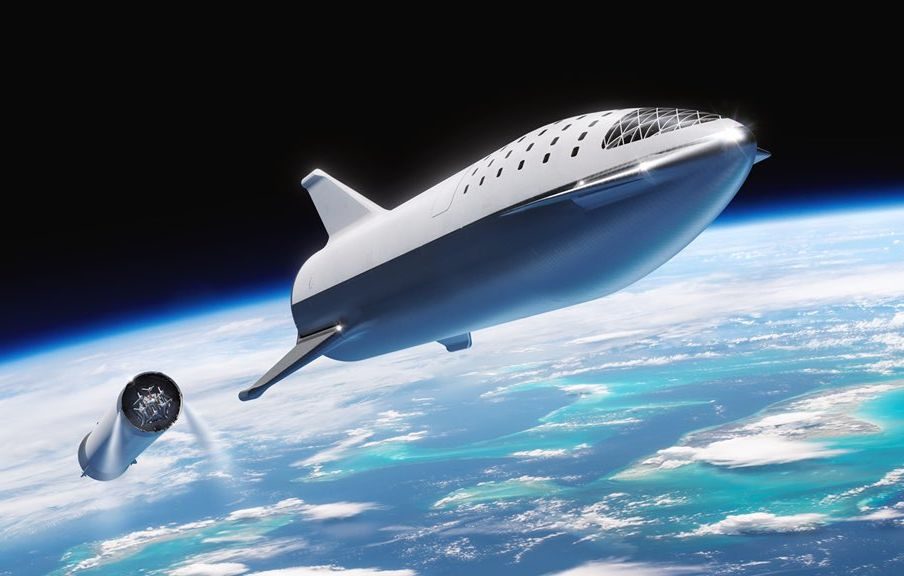
Problems with spacesuit development could delay the mission by at least one year.
While private aerospace companies Virgin Galactic and Blue Origin are taking their first steps into space tourism, SpaceX and NASA are hard at work on more ambitious plans to explore the Moon and Mars.
And while SpaceX CEO Elon Musk remains optimistic about sending people to Mars within this decade, NASA's plans to send people to the Moon in 2024 could be derailed by bureaucracy and a looming shortage of electronic chips.
Here is what is currently known about the space exploration plans of the industry's biggest players.
Crewed Moon Launch as Part of NASA's Project
As is known, until recently NASA planned to launch the first crew in decades to Earth's satellite in 2024 as part of the Artemis Moon exploration program.
However, as has recently become known, the lack of readiness of special spacesuits could become an obstacle to implementing this plan.
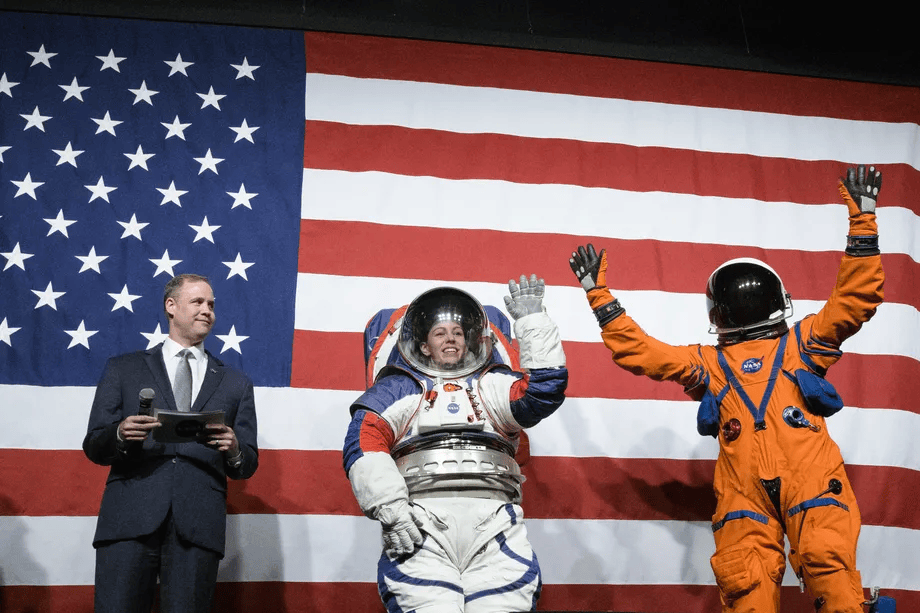
According to the plan, spacesuits for astronauts were to be ready by November 2021. However, according to an audit by the Inspector General, some parts of the first two xEMU spacesuits may not be ready until 2025, which makes the original goal impossible.
The delay was caused both by financial problems amid the COVID-19 crisis and by the global crisis in chip production that has emerged.
SpaceX CEO Elon Musk offered NASA help in developing spacesuits, but no official information has come from the agency since then.
NASA has been developing the xEMU spacesuit since 2007. Already $420 million has been invested in its development, and its design has been substantially revised more than once, most recently specifically for the purposes of the Artemis program.
Approximately $625 million more is needed to complete its final development. Thus, the total cost of the first two spacesuits will exceed $1 billion.
The Contract "Battle"
Blue Origin head Jeff Bezos is also "adding fuel to the fire." He strongly protests the cooperation between SpaceX and NASA under the Artemis program, arguing that the first received a "too large" contract that does not account for the involvement of Blue Origin in the project.
Bezos even offered NASA a deal: he promised the agency $2 billion in exchange for choosing his lunar lander and a contract to deliver astronauts to Earth's satellite instead of SpaceX.
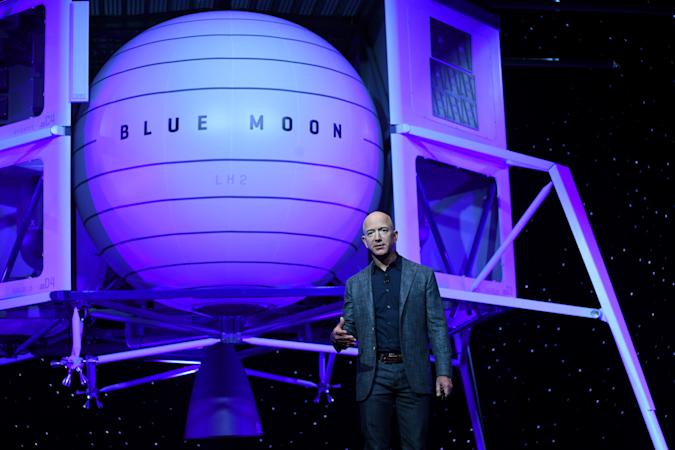
The contract between NASA and SpaceX is worth $2.9 billion, meaning Bezos was prepared to personally cover two-thirds of the amount just so his company would take part in the project.
Most notably, just two days after Bezos announced this "deal," the US Government Accountability Office rejected the joint protest by Blue Origin and Dynetics, which they filed against the NASA and SpaceX contract back in April.
Until that day, NASA's cooperation with SpaceX under the Artemis program had been literally frozen for four months due to the established challenge procedure, pending a corresponding decision.
Dreams of Colonizing Mars
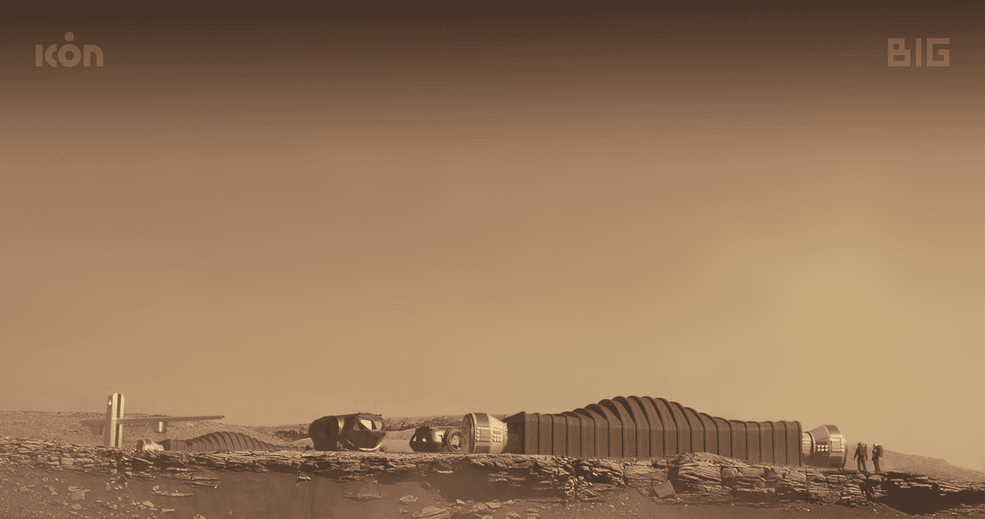
Despite the problems that have arisen within the Artemis project, NASA recently announced the launch of a program in which three groups of test subjects will each spend a year in conditions approximating those on Mars.
The project is scheduled to start in autumn 2022 and, accordingly, will last until autumn 2023.
"As NASA moves further into space, the experience of astronauts will change. In preparing for the real challenges of future missions to Mars, NASA will study how highly motivated people respond to harsh conditions of long-term ground simulation," the agency said in a statement.
This series of missions, known as the Crew Health and Performance Exploration Analog, includes three one-year simulations of the Martian surface at NASA's Johnson Space Center.
It is noted that such simulation will help prevent future problems during flights to the Moon and Mars.
Grace Douglas
Lead research scientist for NASA's Advanced Food Technology research programThe analog is extremely important for testing solutions that meet the complex needs of life on the surface of Mars. Simulation on Earth will help us understand and withstand the physical and psychological challenges that astronauts will face before departure.
Each mission will consist of four crew members living and working in a 158 m² module 3D-printed by ICON , called Mars Dune Alpha.
The habitat will simulate the challenges of a Mars mission, including resource limitations, equipment failure, communication delays and other environmental stress factors.
Crew tasks may include simulated spacewalks, scientific research, the use of virtual reality and robot control, as well as messaging. The results will provide important scientific data for testing systems and developing solutions.

Russian Attacks in Dnipropetrovsk Region: Two Killed, Seven Injured

Defense Forces Strike Four Russian Drone Control Points in Past Day, Including in Berdiansk

Britain Threatens Sanctions on Kremlin-Linked People; Poland Ready to Hand Ukraine Ammunition

Russia says it has completed "planned exercises" in the Black Sea

MVD: Fake Riots With Prop Blood Were Being Prepared Near Presidential Office

Law Enforcers Name Another Klitschko Deputy as Suspect

Berlin Holds Protest Against War in Ukraine; EU Prepares for Possible Russian Halt of Gas Supplies
North Korea Fires Ballistic Missile Over Record Distance in Five Years
Irish Fishermen Force Russia to Postpone Naval Drills

US sanctions in case of invasion of Ukraine could completely destroy Russia's economy, NYT reports
