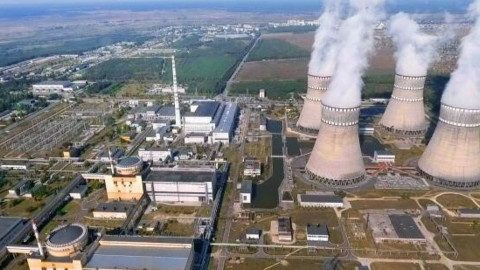
Russia and Saudi Arabia's Oil War: What Is Happening on Global Markets?

Even if Saudi Arabia and Russia agree on oil prices in the near future, this is unlikely to halt the crisis processes set in motion by their light hand.
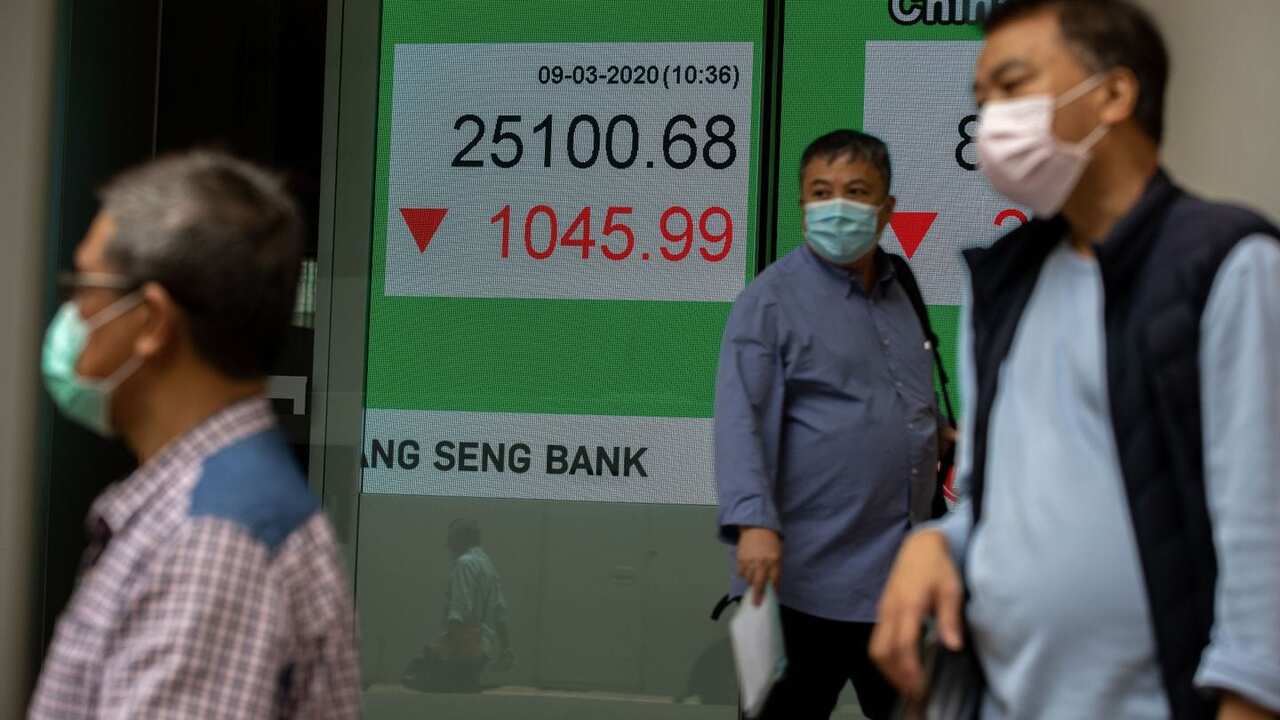
The collapse of world stock exchanges and a dramatic fall in oil prices today marked the formal start of another wave of the global financial crisis, which has not ended since 2008. The largest financial and analytical site Markets has already called this day “Black Monday.” US stock exchanges opened with share prices down as much as 7%, which is why for the first time since 1997 it was decided to suspend trading for 15 minutes. Similar declines were recorded on exchanges in London, Paris, Frankfurt, Hong Kong, Singapore and Moscow.
The day before, an equally shocking collapse of world oil prices occurred, with prices plunging at once to $32 — $35 per barrel. This became the largest one-day drop in oil prices in the past 29 years. The reason was the collapse of negotiations between Russia and Saudi Arabia at the OPEC meeting in Vienna.
What is the reason for the fall in oil prices?
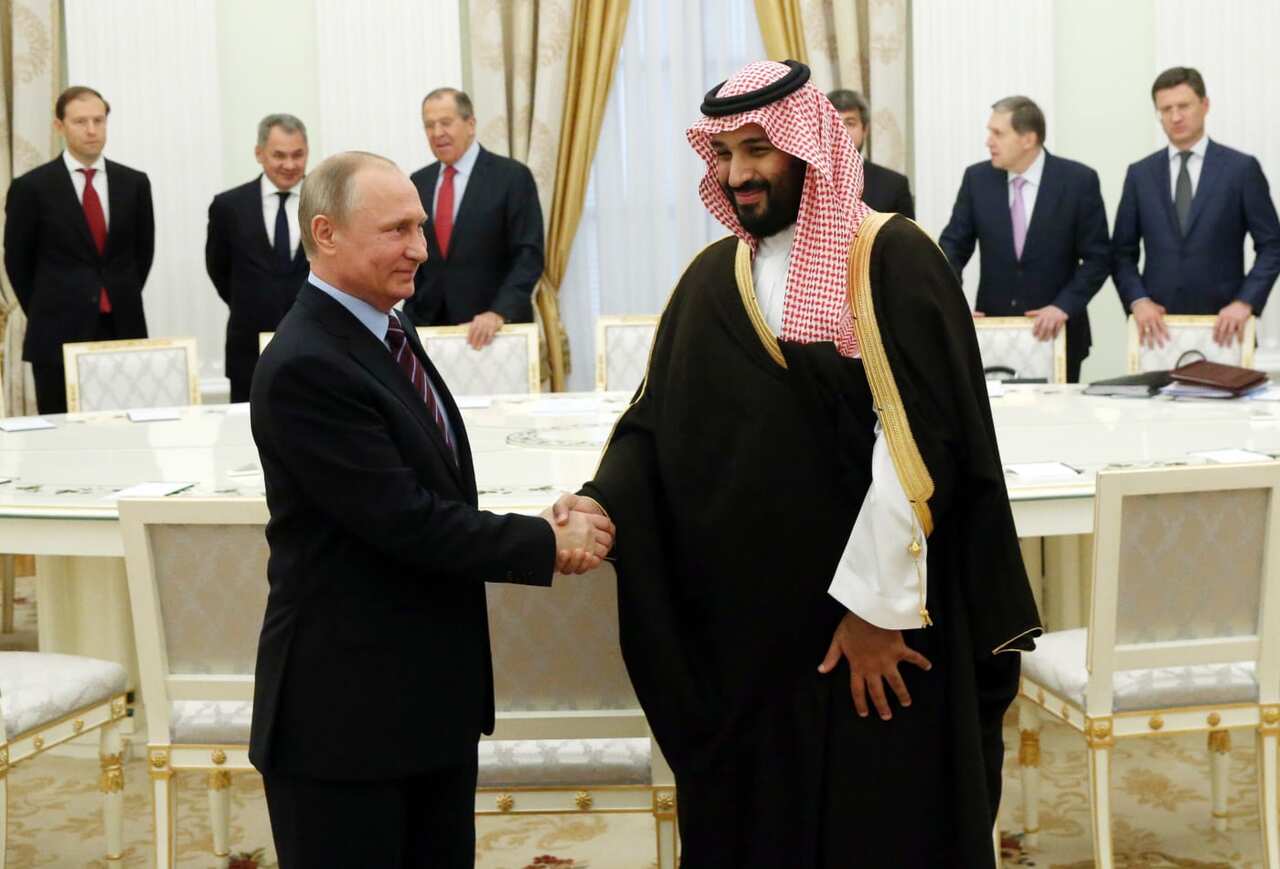
The reason lies in the confrontation between Russia and Saudi Arabia. At the OPEC meeting (the organization uniting the world's largest oil-producing countries), Moscow and Riyadh failed to reach agreement on a new deal to cut oil production. Such a deal was needed to stabilize world prices.
Saudi Arabia proposed that Russia cut oil production by another 1.5 million barrels so that the price would gradually rise. For Riyadh, the price decline the world had observed over the past several months was unprofitable, since most revenue to the Saudi budget came precisely from oil exports. And the lower the price, the less money flows into the Saudi treasury.
However, Russia refused such a deal, counting on the price collapse, on the contrary, helping push American shale oil companies out of the markets, which need high prices for stable and profitable operation. The Kremlin decided that if prices were crashed for some time, it would hit the positions of American shale producers, while Russian companies would not have time to lose much.
It was precisely the breakdown of the Saudi-Russian agreements, on which relatively stable oil prices had rested since 2018, that caused the collapse of stock exchanges opening on March 9-10, which led to a new wave of the global financial crisis that has been dragging on in the world since 2008.
Is oil the only problem?
Of course not. The roots of the global financial crisis stem from several global processes that have existed for decades and in recent years have intensified against the backdrop of global transformations in the labor market, the economy and financial policy.
Debt crises, the obsolescence and ineffectiveness of economic development models created in the West within capitalism after the Cold War, the shift of production centers from West to East, demographic problems in European and American countries, and the aggravation of environmental challenges – all of this has in one way or another affected the world economy and brought it to its current state.
The epidemic of the Chinese coronavirus was only the trigger that set the crisis processes in motion. It was precisely because of this outbreak that oil consumption in China fell sharply, which compelled Saudi Arabia, losing money as a result, to propose a new oil deal to Russia within OPEC in order to save falling prices. Therefore, the collapse of oil prices is a consequence of changes in the market that occurred due to the coronavirus epidemic.
Why is this so serious?
The sharp fall in oil prices and the ensuing collapse of stock markets may give rise to far-reaching negative consequences for the global economy and each region individually. Even if Saudi Arabia and Russia agree on oil prices in the near future, this is unlikely to halt the crisis processes launched thanks to their light hand.
Today there are dozens of states for which this wave of crisis may prove fatal, which could lead to catastrophic consequences for entire regions. Take, for example, the Middle East, where it all began and which will be among the first to suffer.
The collapse in oil prices will deal a heavy blow to the oil-producing countries of the Persian Gulf, many of which are already going through hard times due to budget deficits (Saudi Arabia), the vulnerable period of an ongoing transfer of power (Oman), domestic political upheavals (Kuwait) or a full-fledged socioeconomic crisis (Iran, Iraq).
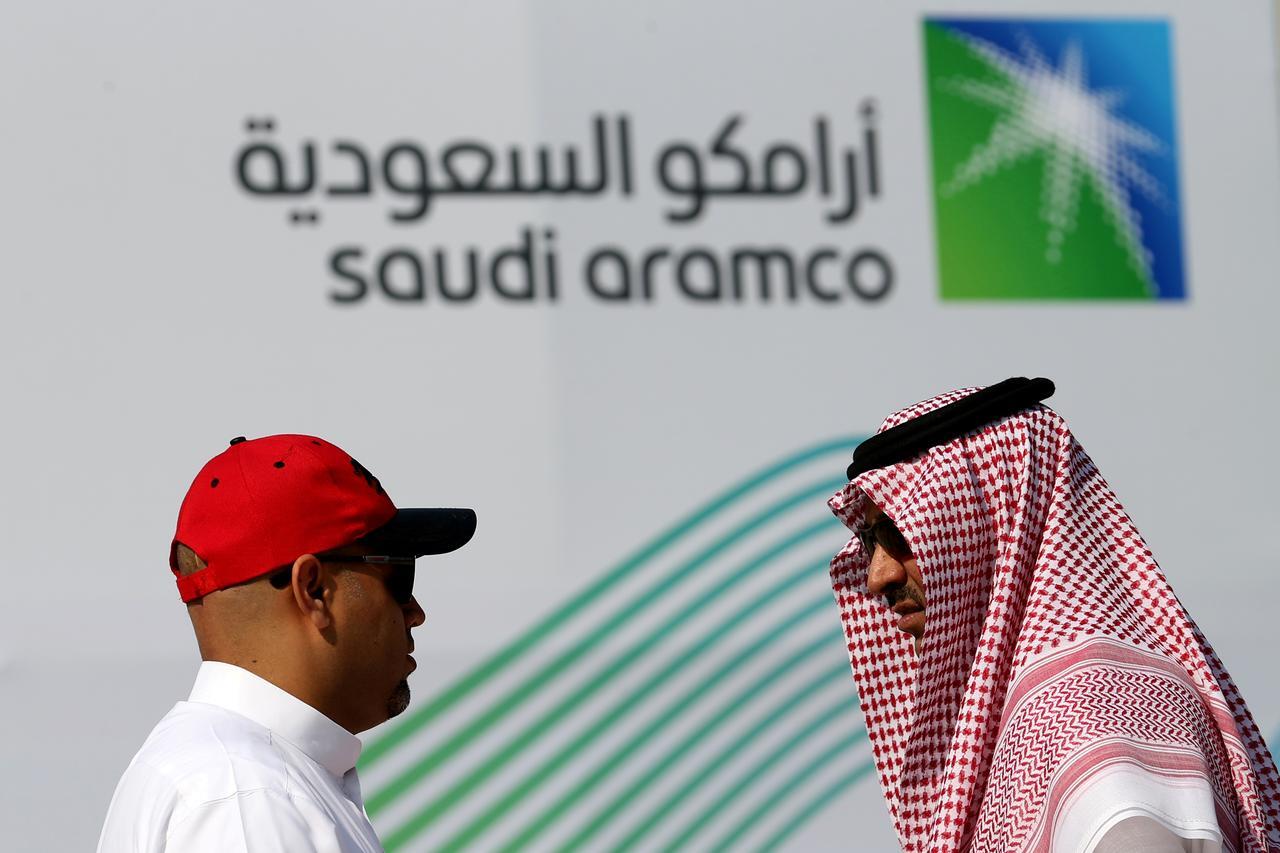
For Saudi Arabia, whose budget is based on oil at $58 per barrel, low prices are not the best environment in which to carry out any reforms or build infrastructure projects. A growing budget deficit, the collapse of stock exchanges, and falling shares of Saudi companies (especially the state oil and gas company Saudi Aramco) pose a direct threat to the legitimacy of the kingdom's current de facto ruler, Crown Prince Mohammed bin Salman. He has already taken a number of preventive measures in case he is to be “removed” against the backdrop of the crisis – on the night of March 6 to 7, dozens of high-ranking officials opposed to him were arrested, including the king's brother and nephew.
For Iraq, which has been without a stable, full-fledged government for 5 months, such an oil shock may prove fatal. The country is on the brink of a new conflict. The confrontation between the US and Iran is intensifying. Underground cells of the “Islamic State” terrorist group are becoming more active in the northeast. Mass anti-government protests in the southern Shia provinces are still continuing amid economic collapse and an acute governance crisis. All of this is happening against the backdrop of a raging Chinese coronavirus epidemic, which has only begun to penetrate Iraq with its weak medical system. And against this backdrop, the collapse of the world economy may finish off the country entirely, which will negatively affect security across the entire Middle East.
Similar situations are now observed in Lebanon, Iran, Syria, Jordan, Egypt, Algeria, Sudan, Yemen and Libya. Turkey, Israel, the UAE and Tunisia are in question.
And what about Ukraine?
Unfortunately, Ukraine is not ready for such a crisis. Over the past six years, the authorities did not prepare Ukraine for a possible new wave of the global crisis and did not create the appropriate infrastructure. Moreover, the reserves we have are insufficient to cope with a problem of such scale, especially if the crisis drags on.
The collapse of the world economy will affect Ukraine negatively, leading to devaluation of the national currency, rising inflation, higher food prices and further impoverishment of the population. Why so? Because all the factors ensuring Ukraine's economic stability today are external, and Ukraine has no influence over them. Instead, it depends on world commodity prices, money from Ukrainians working abroad, and sovereign bonds. If the crisis hits these factors (and it will), the Ukrainian economy will automatically go off the rails.
However, this does not mean that everything is lost and that everything in Ukraine will be bad. The collapse of the old system also brings opportunities, if threats are identified in time, preventive measures are taken, and tough, painful socioeconomic reforms are carried out that will help survive difficult times and emerge from them without collapsing as a state.
Ilia Kusa, TK Media
Russian Attacks in Dnipropetrovsk Region: Two Killed, Seven Injured
Defense Forces Strike Four Russian Drone Control Points in Past Day, Including in Berdiansk

Britain Threatens Sanctions on Kremlin-Linked People; Poland Ready to Hand Ukraine Ammunition
Russia says it has completed "planned exercises" in the Black Sea

MVD: Fake Riots With Prop Blood Were Being Prepared Near Presidential Office

Law Enforcers Name Another Klitschko Deputy as Suspect

Berlin Holds Protest Against War in Ukraine; EU Prepares for Possible Russian Halt of Gas Supplies
North Korea Fires Ballistic Missile Over Record Distance in Five Years
Irish Fishermen Force Russia to Postpone Naval Drills

US sanctions in case of invasion of Ukraine could completely destroy Russia's economy, NYT reports