
SpaceX Sends Astronauts to the ISS. Everything You Need to Know About Elon Musk's Latest Step Toward Conquering Space
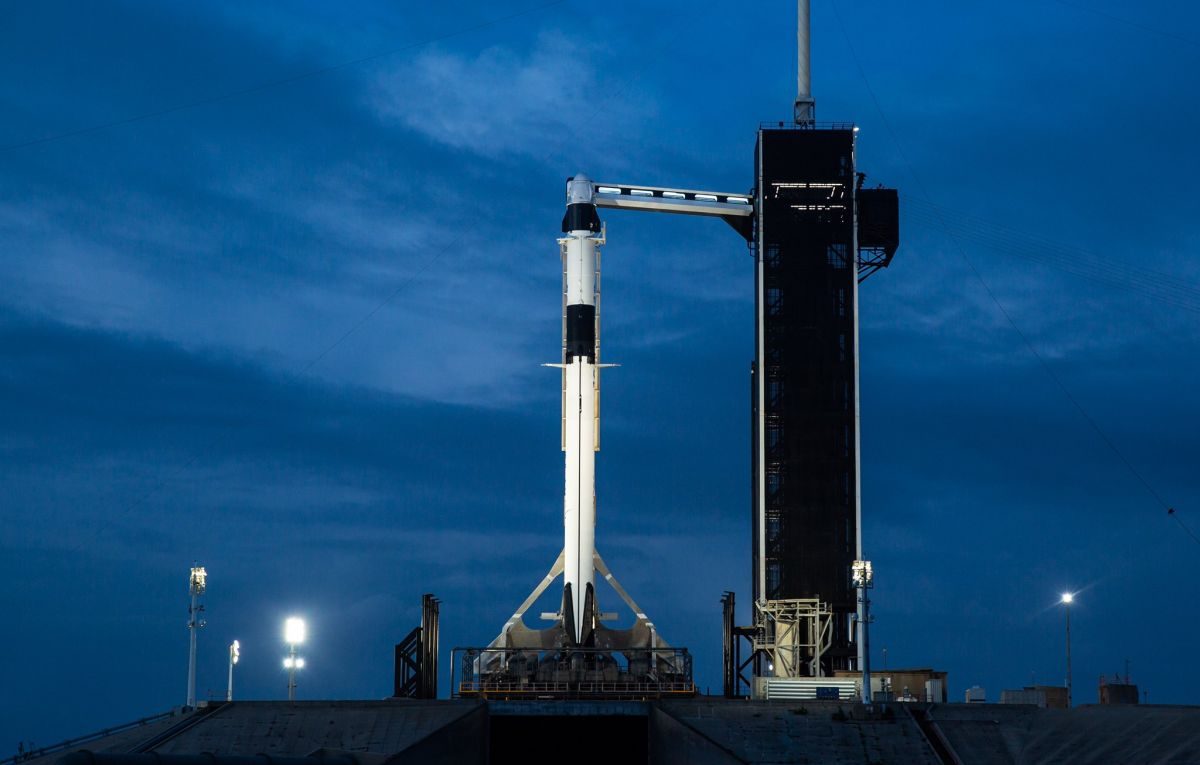
The launch broadcast on YouTube alone was watched by more than 4 million people.
On Saturday at 22:23, SpaceX launched the Crew Dragon spacecraft with two astronauts on board — the company's first crewed flight since it was founded by Elon Musk in 2002. Roughly a day later, Crew Dragon is set to dock automatically with the Harmony node module of the ISS's US segment. The mission, called SpaceX Demo-2 — is the final test before Crew Dragon begins regular operations.
Why does it matter?
The Crew Dragon launch is part of a NASA program aimed at restoring the United States' ability to send astronauts into space. In 2011, Barack Obama made a strategic decision to end the Space Shuttle program due to its high cost and insufficient reliability. Instead, a program for developing commercial crew transportation systems was launched.
Because of this long game, NASA had to buy seats on Russia's Soyuz spacecraft to send astronauts to the ISS. This was necessary but inconvenient in every sense: in terms of authority on the international stage, logistics, and, of course, finances.
If the Crew Dragon flight fails, NASA has already signed a backup contract with Roscosmos, which will deliver an American astronaut to the ISS in October 2020 for $90 million. In addition, NASA has also committed to deliver 800 kg of Russian cargo to the station.
NASA has allocated more than $3 billion to developing the Crew Dragon capsule, but at stake are not only large government contracts but also opening the way for space tourism flights and further growth of the influence of the private company SpaceX.
Who is flying?
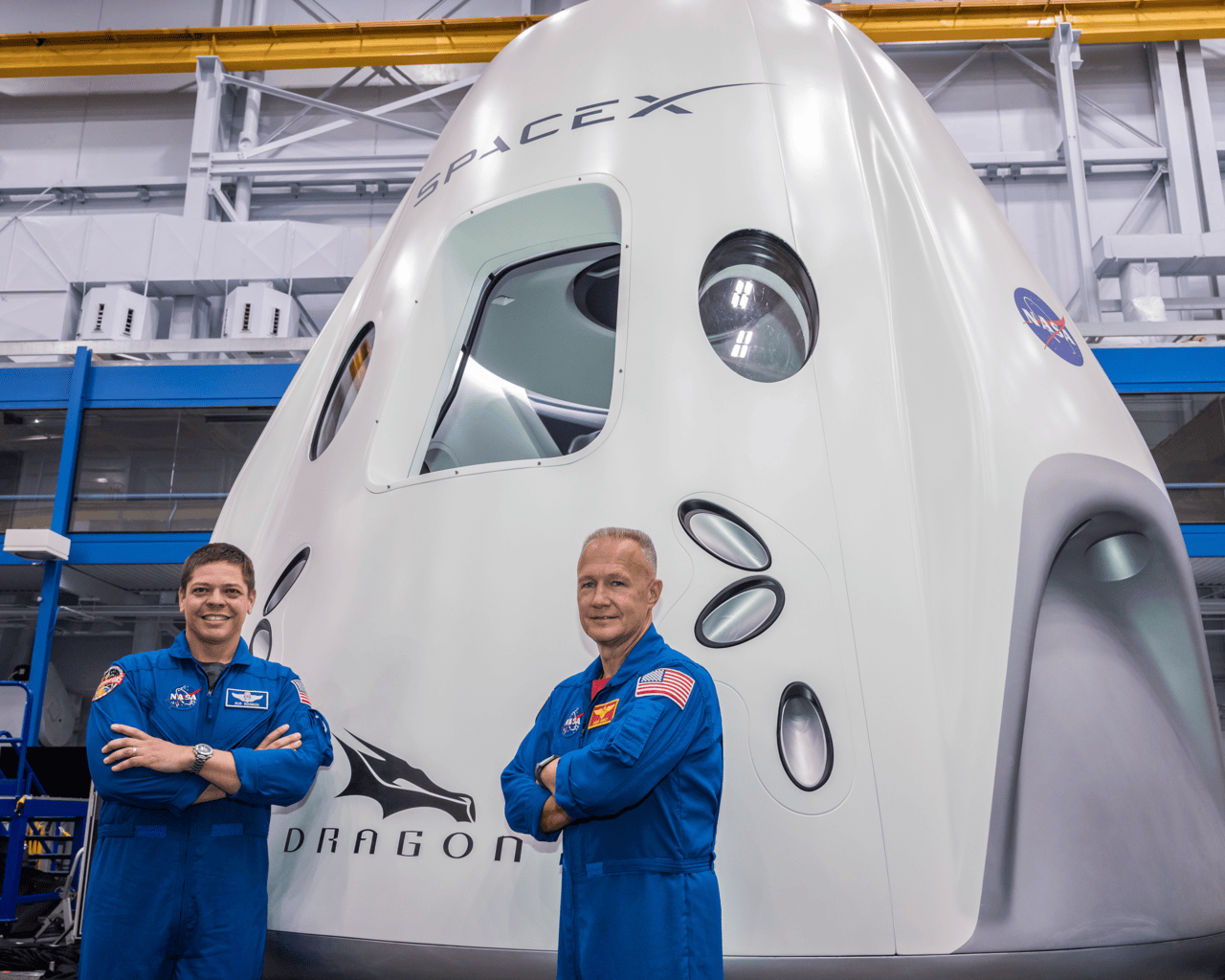
Crew Dragon will deliver Bob Behnken and Doug Hurley to the ISS. The day before, they passed pre-flight quarantine and coronavirus tests. The experienced astronauts, each with two spaceflights to their name, will be responsible for different parts of the work: Behnken is in charge of docking and undocking with the ISS, and Hurley — of the spacecraft's autonomous flight.
Behnken and Hurley will have to assess the spacecraft's readiness to carry people into orbit, as well as test the comfort and functionality of SpaceX's new emergency spacesuits.
When are they coming back?
How long Behnken and Hurley will spend on the ISS — is not yet known, as the final decision on the mission's duration will be made only after the capsule docks with the station. The astronauts are expected to stay on the ISS for one to four months, monitoring the spacecraft's onboard systems daily.
After completing their work in space, they will take back return cargo and return to Earth, splashing down in the Atlantic Ocean near Florida, where they will be picked up by the recovery ship Go Navigator.
SpaceX vs Boeing
The success of the SpaceX Demo-2 mission — could mean major losses for Roscosmos, which may lose its income from flying astronauts from the US, Europe, Canada and Japan to the ISS (NASA also paid for those flights). It is also a setback for Boeing.
Boeing was SpaceX's main competitor from the very start of the new American space program. Moreover, until recently, Boeing was the favorite in this space race. They took the lead after an explosion during ground engine tests of the Crew Dragon capsule in April 2019.
But a malfunction and, as a result, a setback awaited them too. In December, the first Starliner flight to the ISS, launched on an Atlas V rocket with Russian RD-180 engines, went off script: due to a glitch in the system calculating the spacecraft's flight time, fuel was overused, and docking with the ISS was canceled.
After NASA refused to fund a repeat uncrewed launch of Starliner, SpaceX realized it could no longer afford mistakes. This year it has already conducted 2 successful tests (emergency escape systems and parachute systems), which allowed it to obtain certification for flights to the ISS with test astronauts on board.

Russian Attacks in Dnipropetrovsk Region: Two Killed, Seven Injured

Defense Forces Strike Four Russian Drone Control Points in Past Day, Including in Berdiansk

Britain Threatens Sanctions on Kremlin-Linked People; Poland Ready to Hand Ukraine Ammunition

Russia says it has completed "planned exercises" in the Black Sea

MVD: Fake Riots With Prop Blood Were Being Prepared Near Presidential Office

Law Enforcers Name Another Klitschko Deputy as Suspect

Berlin Holds Protest Against War in Ukraine; EU Prepares for Possible Russian Halt of Gas Supplies
North Korea Fires Ballistic Missile Over Record Distance in Five Years
Irish Fishermen Force Russia to Postpone Naval Drills

US sanctions in case of invasion of Ukraine could completely destroy Russia's economy, NYT reports
