
Spain Plans World's First Octopus Farm for Food
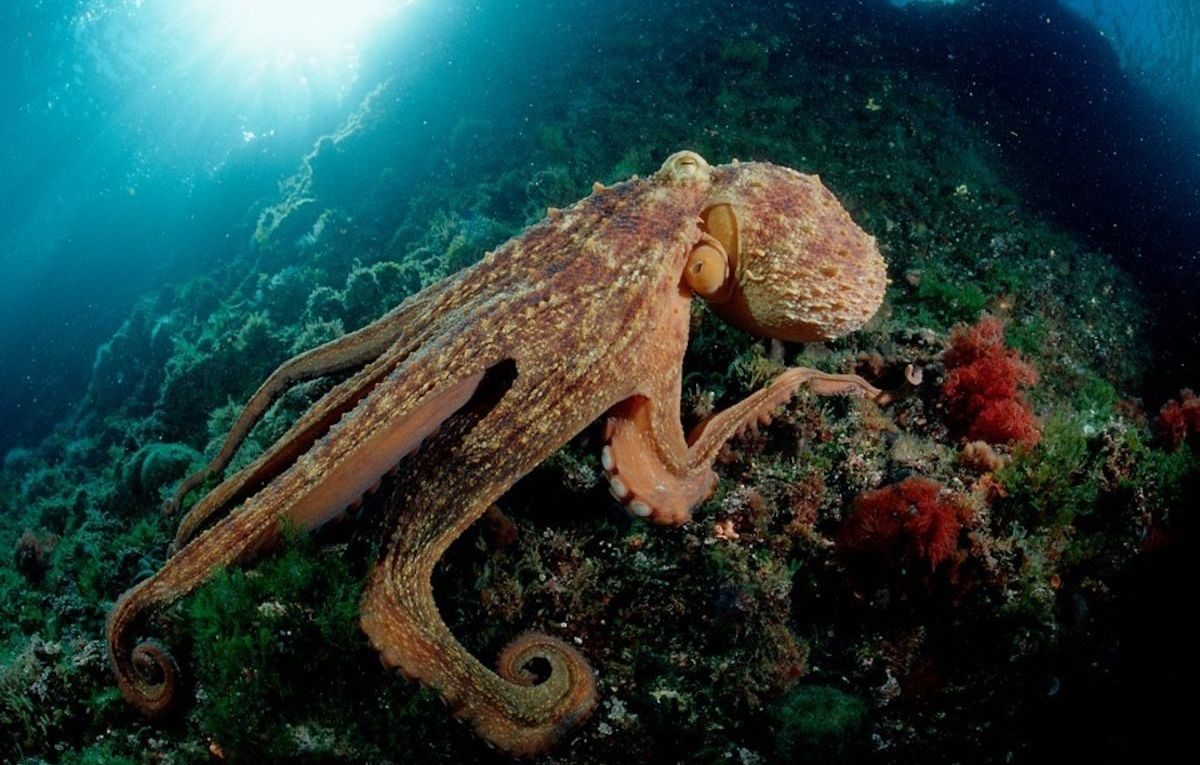
Scientists are opposed, as octopuses are very similar to humans.
People in many countries eat octopus. Around 350,000 tonnes of octopus are caught every year, which is 10 times more than was caught in 1950.
The number of octopuses in the wild is steadily falling, while prices for their meat are rising. Companies from various countries have started research into breeding these animals in captivity.
Transnational corporation Nueva Pescanova (headquartered in Spain) plans to build an octopus farm in the Canary Islands and start selling its produce in 2023. The farm is planned for the city of Las Palmas on the island of Gran Canaria. The company wants to produce up to 3,000 tonnes of octopus meat a year.
The company said a commercial farm would reduce the catch of large numbers of octopuses from the wild. Nueva Pescanova did not respond to BBC requests and did not disclose the conditions in which the octopuses would be raised, the size of the tanks used to keep them, what they would be fed, or how they would be killed.
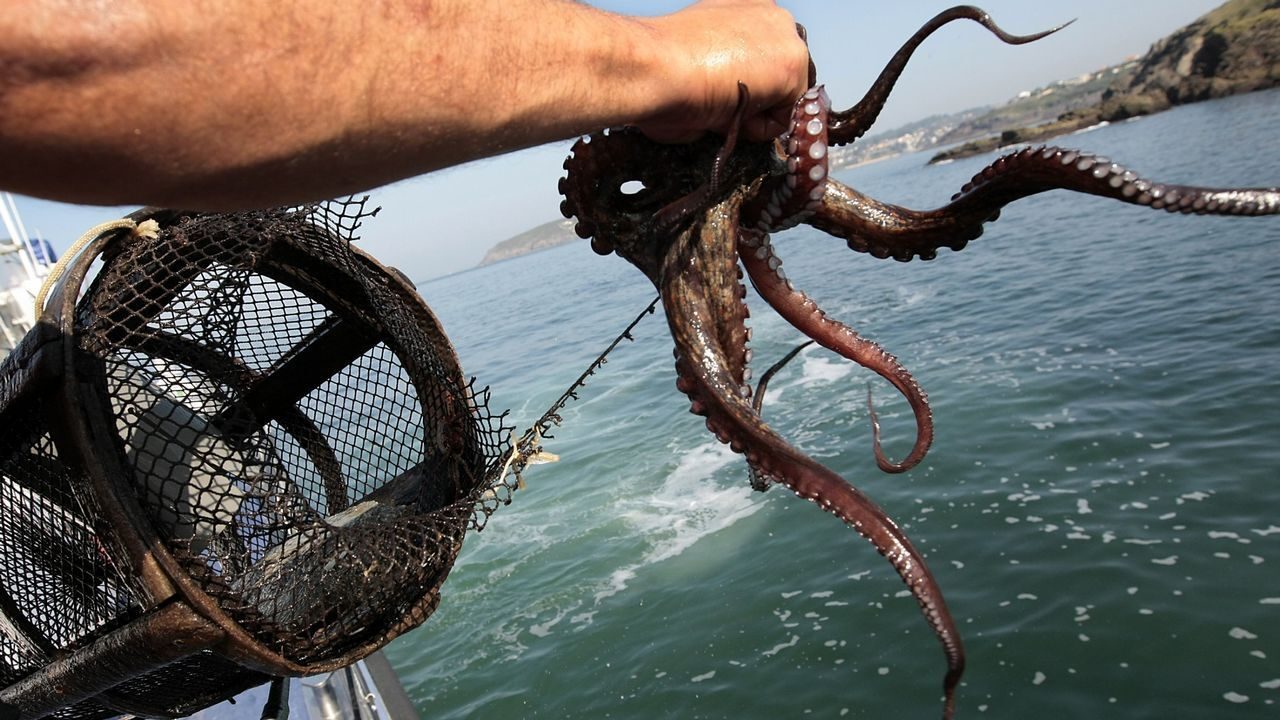
Back in 2019, an international group of researchers criticized the company's plans: scientists said breeding octopuses in captivity for food is a bad idea for "ethical and environmental reasons." They noted that octopuses have a complex nervous system and a large brain, can mimic their surroundings by changing color, can recognize individual people, and play.
In October 2021, the organization Compassion in World Farming (CIWF) called on governments of various countries, Spain in particular, to ban commercial octopus farming. It is noted that there is currently no scientifically proven method of humane slaughter for these animals.
Dr Elena Lara, head of research at CIWF, criticized Nueva Pescanova in a comment to the BBC: "These are amazing animals. They live alone and are very intelligent. So putting them in empty tanks without cognitive stimulation is wrong."
Lara believes that anyone who watches the Oscar-winning documentary "My Octopus Teacher" will understand this.
Dr Jacob Winter, a biologist at the University of Bristol, said that humans and octopuses share a common ancestor that lived 560 million years ago. According to him, humans and octopuses have much in common: intelligence, the ability to solve various problems, playfulness, and curiosity.
However, octopuses are "not of this world." Winter noted: "This is potentially what it could look like if we ever met an intelligent alien from another planet."
Elena Lara considers Nueva Pescanova's argument that the company's farm will reduce the catch of octopuses from the wild illogical: "That doesn't mean fishermen will catch less."
She added that breeding octopuses could negatively affect wild fish stocks. Octopuses are carnivores that need to eat two to three times their own weight to survive. Currently, about a third of all caught fish goes to feed other animals, and half of that is directed to aquaculture. Thus, caught fish will be used to feed octopuses.
Britain recently recognized octopuses, alongside crabs and lobsters, as sentient beings. A group of experts analyzed more than 300 scientific studies and concluded that octopuses can experience pleasure, excitement and joy, as well as pain and suffering.
Winter said: "They are extremely complex creatures. I think that we, as humans, must respect this if we want to farm them or eat them."

Russian Attacks in Dnipropetrovsk Region: Two Killed, Seven Injured

Defense Forces Strike Four Russian Drone Control Points in Past Day, Including in Berdiansk

Britain Threatens Sanctions on Kremlin-Linked People; Poland Ready to Hand Ukraine Ammunition

Russia says it has completed "planned exercises" in the Black Sea

MVD: Fake Riots With Prop Blood Were Being Prepared Near Presidential Office

Law Enforcers Name Another Klitschko Deputy as Suspect

Berlin Holds Protest Against War in Ukraine; EU Prepares for Possible Russian Halt of Gas Supplies
North Korea Fires Ballistic Missile Over Record Distance in Five Years
Irish Fishermen Force Russia to Postpone Naval Drills

US sanctions in case of invasion of Ukraine could completely destroy Russia's economy, NYT reports
